
Concerns about naming villages and communes after mergers.
(Baonghean.vn) - A matter of great public concern currently relates to the proposed naming of new administrative units after mergers in various localities. Therefore, determining appropriate naming practices requires thorough research.
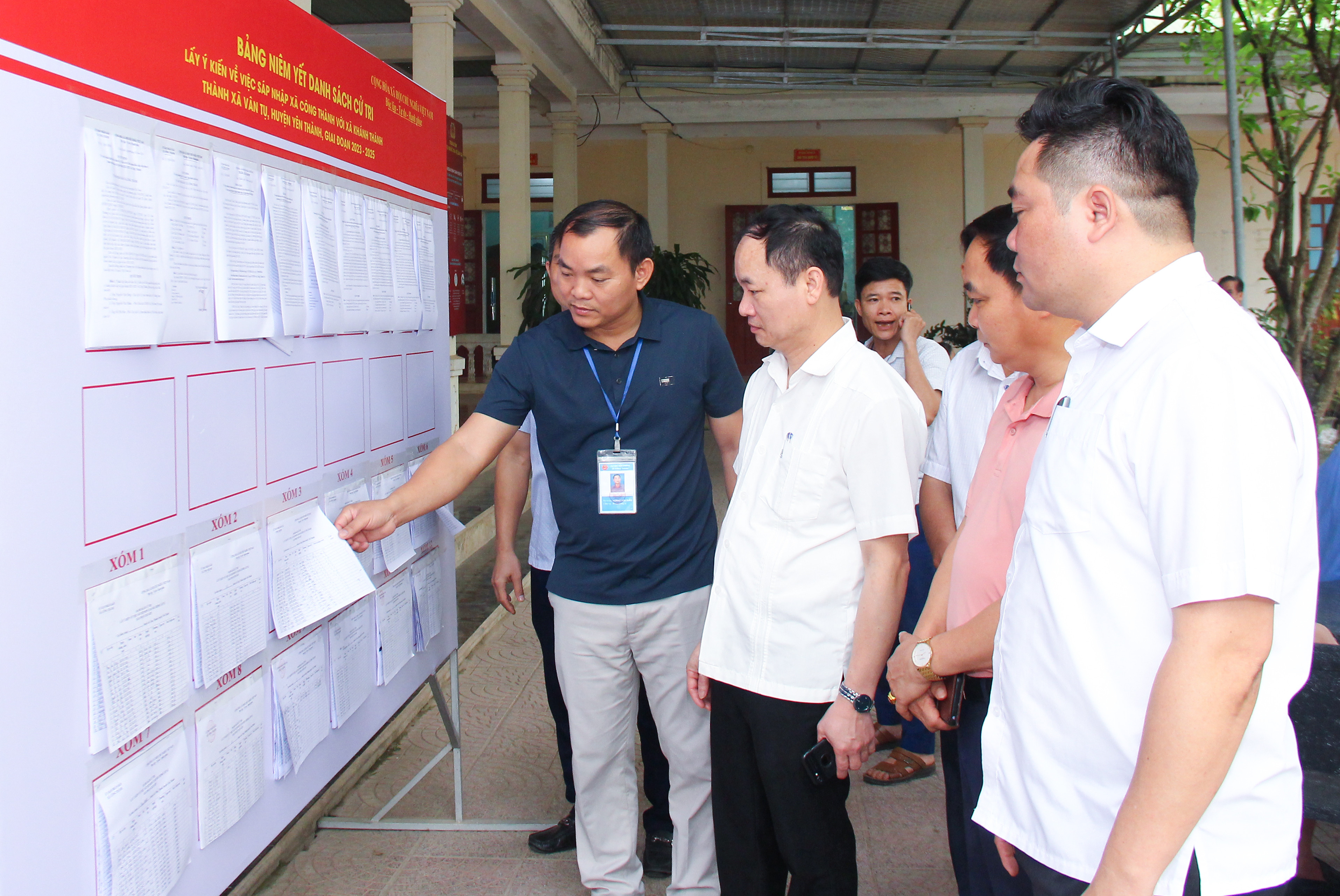
Emphasizing historical and cultural elements.
According to Article 129 of the 2015 Law on Organization of Local Government: the establishment, dissolution, merger, division, and adjustment of administrative units; and the naming and renaming of provincial, district, and commune-level administrative units all fall under the authority of the Standing Committee of the National Assembly. However, before being submitted to the Standing Committee of the National Assembly for consideration and decision, the process must be carried out through multiple levels and public consultation must be conducted.
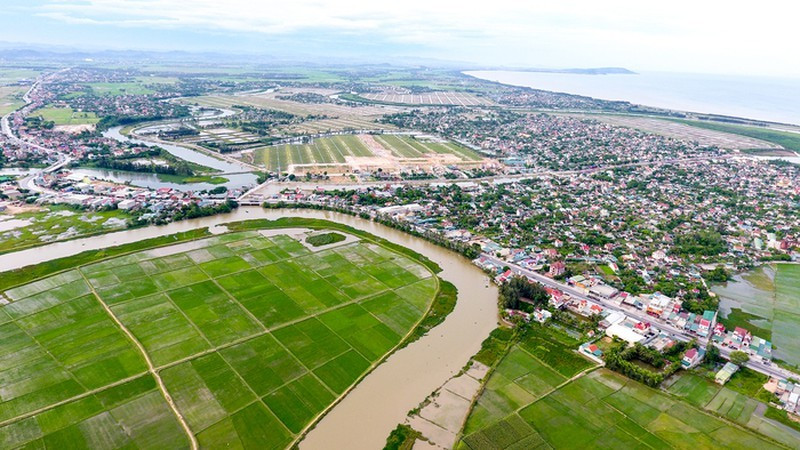
In Thanh Chuong district, according to Nguyen Trong Anh, Head of the District Party Committee's Organization Department: The proposed new naming scheme for the merged administrative units, as envisioned by the District's Steering Committee for the Reorganization of Commune-Level Administrative Units, is based on research and prioritizes historical and cultural factors. Following the Steering Committee's proposal, further consultations will be held with the units slated for merger through an expanded meeting. A member of the District Party Committee's Standing Committee will meet with the executive committees of the merged communes to discuss and finalize the plan, which will then be submitted to the district for approval before being presented to voters for public consultation in May.
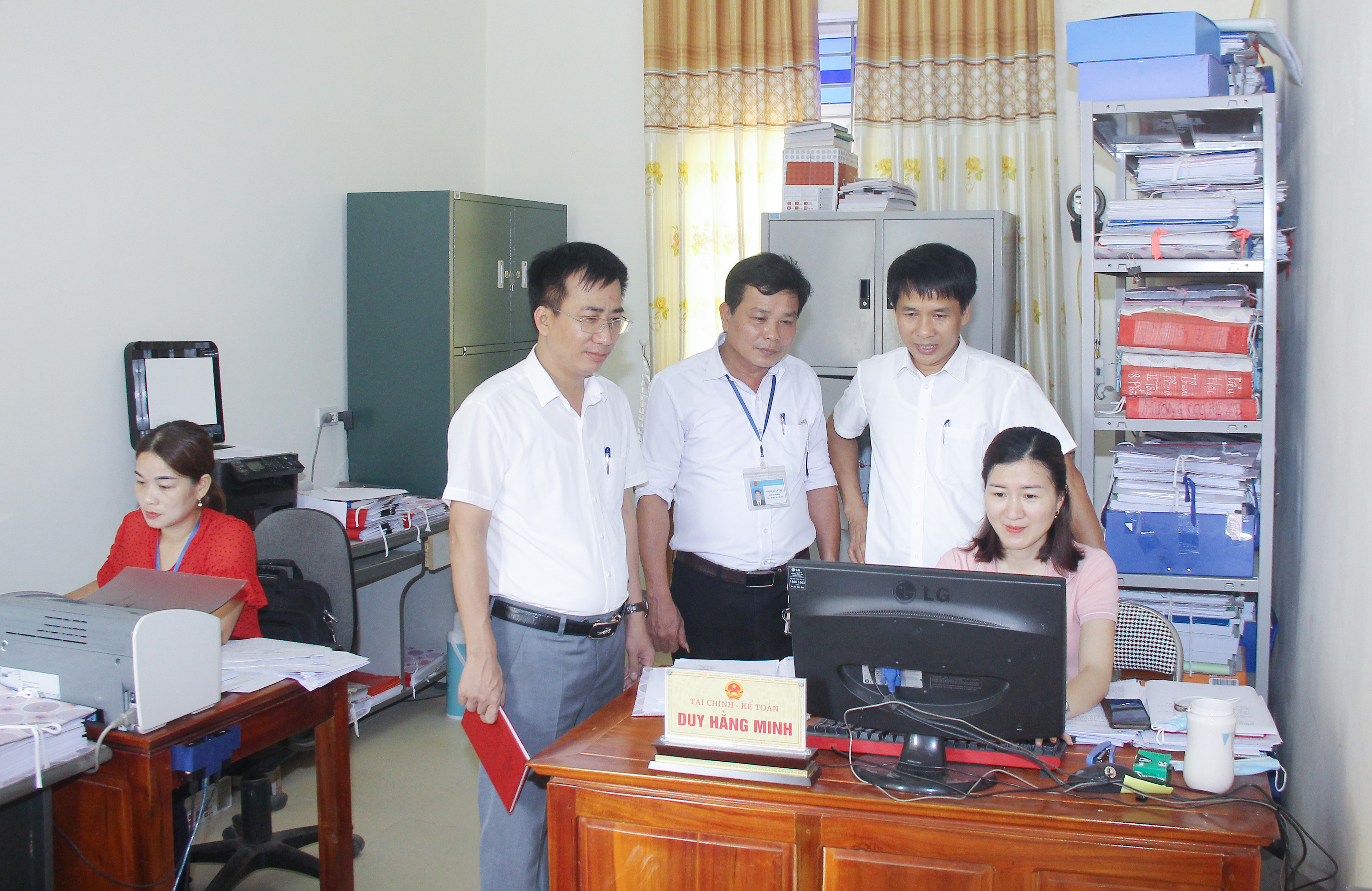
Because historical factors were used as the basis for naming the new administrative units, the names of the merged units in Thanh Chuong district have basically reverted to their previous names. For example, the two communes of Thanh Hoa and Thanh Nho, which were separated from Minh Son commune in 1954, reverted to their old names after the merger. Similarly, the two communes of Thanh Khe and Thanh Chi, which were previously separated from Thanh Qua commune, reverted to the name Thanh Qua after the merger. Or the three communes of Thanh Luong, Thanh Yen, and Thanh Khai, which were previously separated from Minh Tien commune, reverted to the name Minh Tien after the merger…
In Dien Chau district, the town of Dien Chau merged with Dien Thanh commune, choosing a new administrative unit name based on historical factors. Explaining the reason for naming it Dien Thanh town, Mr. Le Duc Phat, Secretary of the Dien Thanh Commune Party Committee, said: Previously, Dien Chau town and Dien Thanh commune were a single administrative unit, separated only in 1977. Furthermore, in the development plan, Dien Chau district will develop into Dien Chau town, and the town will then become a ward within the town; therefore, to ensure stability in naming, the Party Committees of the two units unanimously agreed to propose naming the town Dien Thanh.
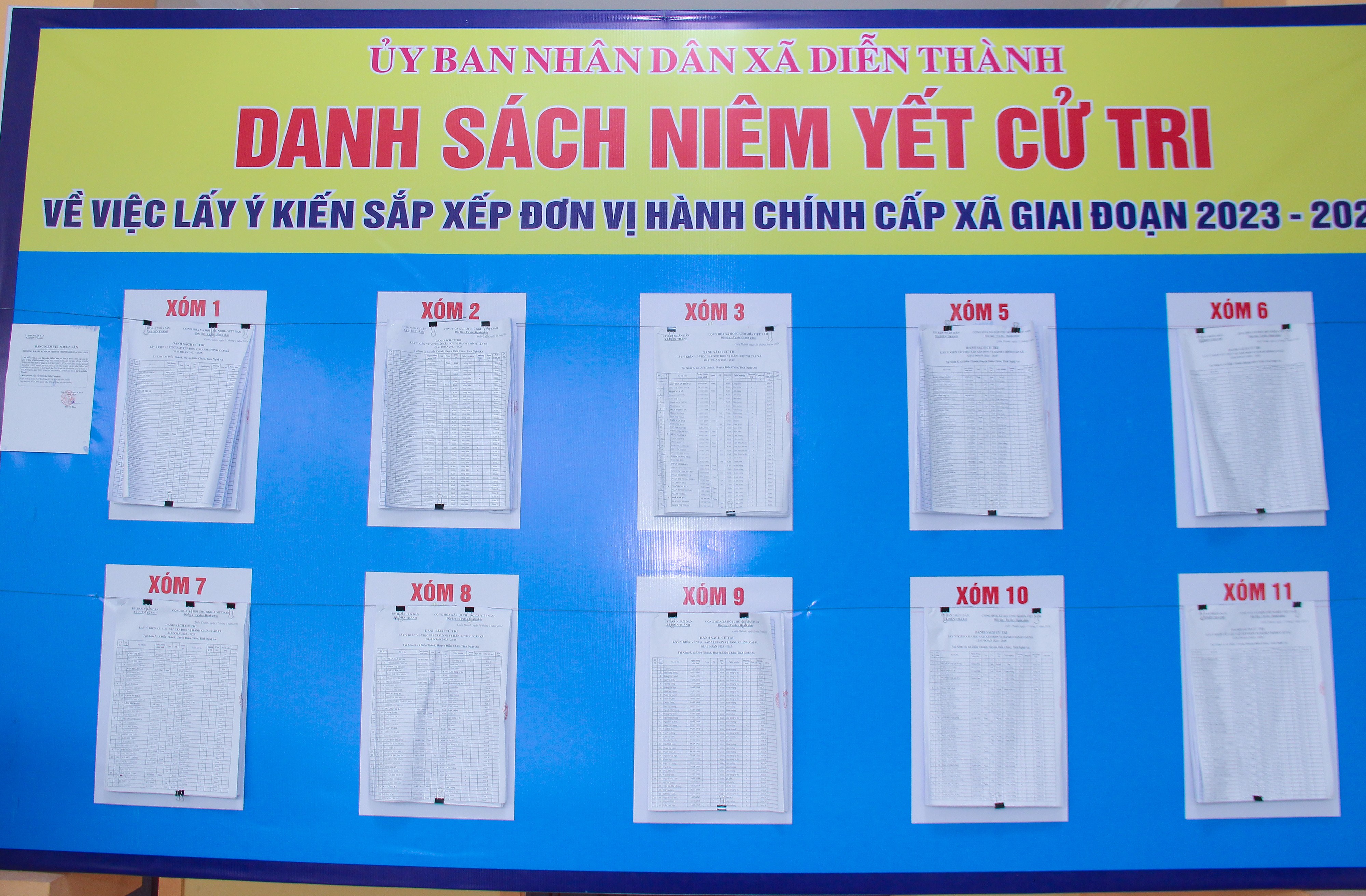
Similarly, in Yen Thanh district, the two communes of Cong Thanh and Khanh Thanh, separated from Van Tu commune in 1953, are now merged, retaining their former name, Van Tu; the two communes of Dai Thanh and Minh Thanh, separated from the old Minh Thanh commune in 1999, are now merged back to their former name, Minh Thanh; the two communes of Phu Thanh and Hong Thanh, separated from Phu Thanh commune in 1994, are now merged and retain the name Phu Thanh; the two communes of Hau Thanh and Hung Thanh, separated from Hau Thanh commune in 2007, are now merged and retain the name Hau Thanh…
Concerns about village and commune names.
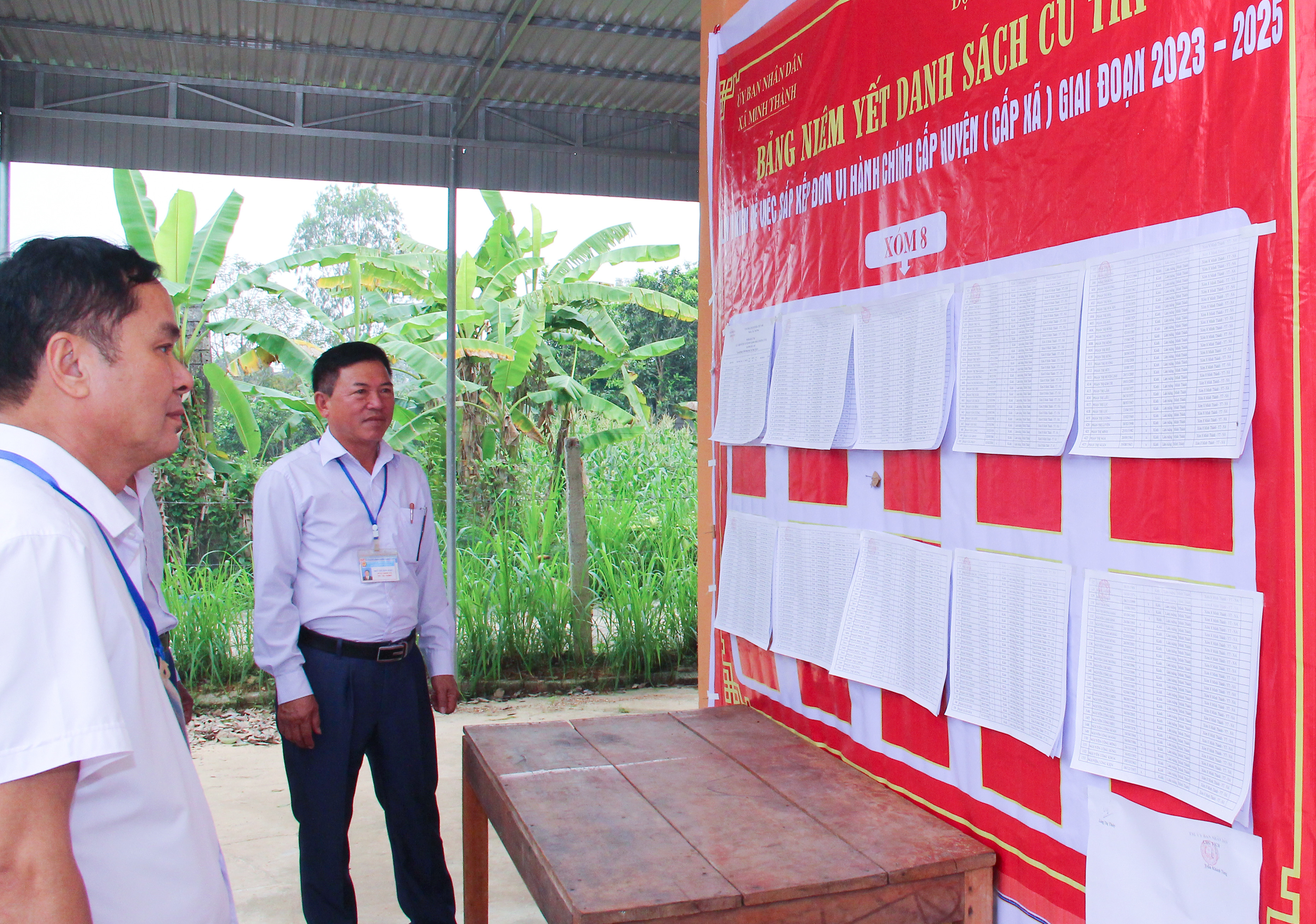
While the proposed names for the merged administrative units have garnered consensus among officials, Party members, and the public based on research and consideration of traditional, historical, and cultural factors, some of the new names are still causing concern and debate among the public.
Specifically, in some localities, the naming of new administrative units after mergers is simply a combination of the names of the two units before the merger. For example, in Thanh Chuong district, the two communes of Thanh Giang and Thanh Mai will merge. The district steering committee proposed the name Tan Dan commune, but this was not agreed upon by the officials and party members of the two communes, so the new commune is tentatively named Mai Giang; similarly, Xuan Tuong commune will merge with Thanh Duong commune, so the new commune is tentatively named Xuan Duong.
Alternatively, in Dien Chau district, Dien Xuan commune will merge with Dien Thap commune, tentatively named Xuan Thap; Dien Ngoc commune will merge with Dien Bich commune, tentatively named Ngoc Bich commune; Dien Hung commune will merge with Dien Hai commune, tentatively named Hung Hai commune; Dien Hanh commune will merge with Dien Quang commune, tentatively named Hanh Quang commune.
For example, in Hung Nguyen district, the two communes of Hung Thinh and Hung My are merged, with the new commune expected to be named Thinh My; Hung Thong commune is merged with Hung Tan, with the new commune expected to be named Thong Tan; Hung Phuc commune is merged with Hung Loi, with the new commune expected to be named Phuc Loi.
In Quynh Luu district, Quynh Doi commune will merge with Quynh Hau commune, with the new commune expected to be Doi Hau; Quynh My and Quynh Hoa communes will merge, with the new commune expected to be Hoa My; Quynh Luong and Quynh Minh communes will merge, with the new commune expected to be Minh Luong; Son Hai and Quynh Tho communes will merge, with the new commune expected to be Hai Tho; Quynh Long and Quynh Thuan communes will merge, with the new commune expected to be Thuan Long…
Regarding the proposed naming of administrative units after the merger, based on combining the names of two communes, Mr. Nguyen Xuan Dinh – Vice Chairman of the People's Committee of Quynh Luu District – told us: The district is currently facing some concerns about combining the names of two merged communes into a new commune. The initial proposed naming method was to retain the name of one of the two merged communes to reduce the burden on residents in updating information on documents after the merger. For example, Quynh Long commune merged with Quynh Thuan commune, and the new commune would be named Quynh Thuan; or Son Hai commune merged with Quynh Tho commune, and the new commune would be named Son Hai; Quynh Hau commune merged with Quynh Doi commune, and the new commune would be named Quynh Doi…
However, when soliciting opinions from the Party Committees of the merged localities (some units even solicited opinions from the Party branches), some local officials and Party members disagreed with the plan proposed by the district and suggested an alternative. Although the district's Steering Committee for the reorganization of commune-level administrative units reviewed the situation and established working groups to work with each unit and with the merged units as a whole; in some units, in addition to holding meetings of the commune Party Committee, they also held meetings with commune People's Council representatives, Party branch secretaries, village heads, and heads of mass organizations to disseminate information and persuade people, but still failed to achieve consensus on the initial plan.
At this point, due to the need to finalize the content for the next steps in the reorganization process, the district has submitted a proposal to the province to adjust the names of the 5 merged administrative units according to the units' suggestions. This is because, according to regulations, the naming of communes must respect the opinions of local officials and residents.
The Vice Chairman of the People's Committee of Quynh Luu District also provided further information: The process of determining the names of the merged administrative units will continue to involve widespread consultation with voters and the public, scheduled for May 15th; if there are still differing opinions, the process will be reviewed and redone. Following the voters' opinions, the commune People's Council will hold a meeting, followed by meetings of the district People's Council and the provincial People's Council to approve the administrative unit rearrangement plan. Only then will the new names be officially finalized and submitted to the Central Government for consideration and decision.
Regarding the naming of the new administrative units after the merger, observations in some localities reveal a localistic mentality among some officials, Party members, and citizens who do not want to "lose" the name of their commune. This necessitates the Party committees, government, and the entire political system to engage in propaganda and explanation to help officials, Party members, and citizens understand that the name of a commune is not simply a designation, but more importantly, it must be linked to the rich historical and cultural traditions, the character of the people of a region deeply ingrained in their consciousness, becoming a source of pride, a sense of preservation, and a driving force for building and developing their homeland in each citizen.
According to the plan for rearranging district and commune-level administrative units in the province for the period 2023-2025, Nghe An has 1 district-level administrative unit and 67 commune-level administrative units subject to rearrangement, including 27 adjacent commune-level units.


