
When will school violence end?
In the National Assembly, a representative once questioned the Minister of Education and Training, Nguyen Kim Son: "When will school violence end?" He replied, in essence: If one day there is no more violence in schools, that will be the day adults stop fighting. Children will only look at each other with pure, loving eyes.
Perhaps never before have keywords like "school violence" and "teenage violence" been so unexpectedly popular on social media platforms as they are now. Almost every week, shocking incidents surface. Most recently, the public was horrified by surveillance camera footage showing an 8th-grade male student in Lao Cai repeatedly stabbing a classmate in the shoulder and back with a sharp knife, then dragging and pushing him into a lake.
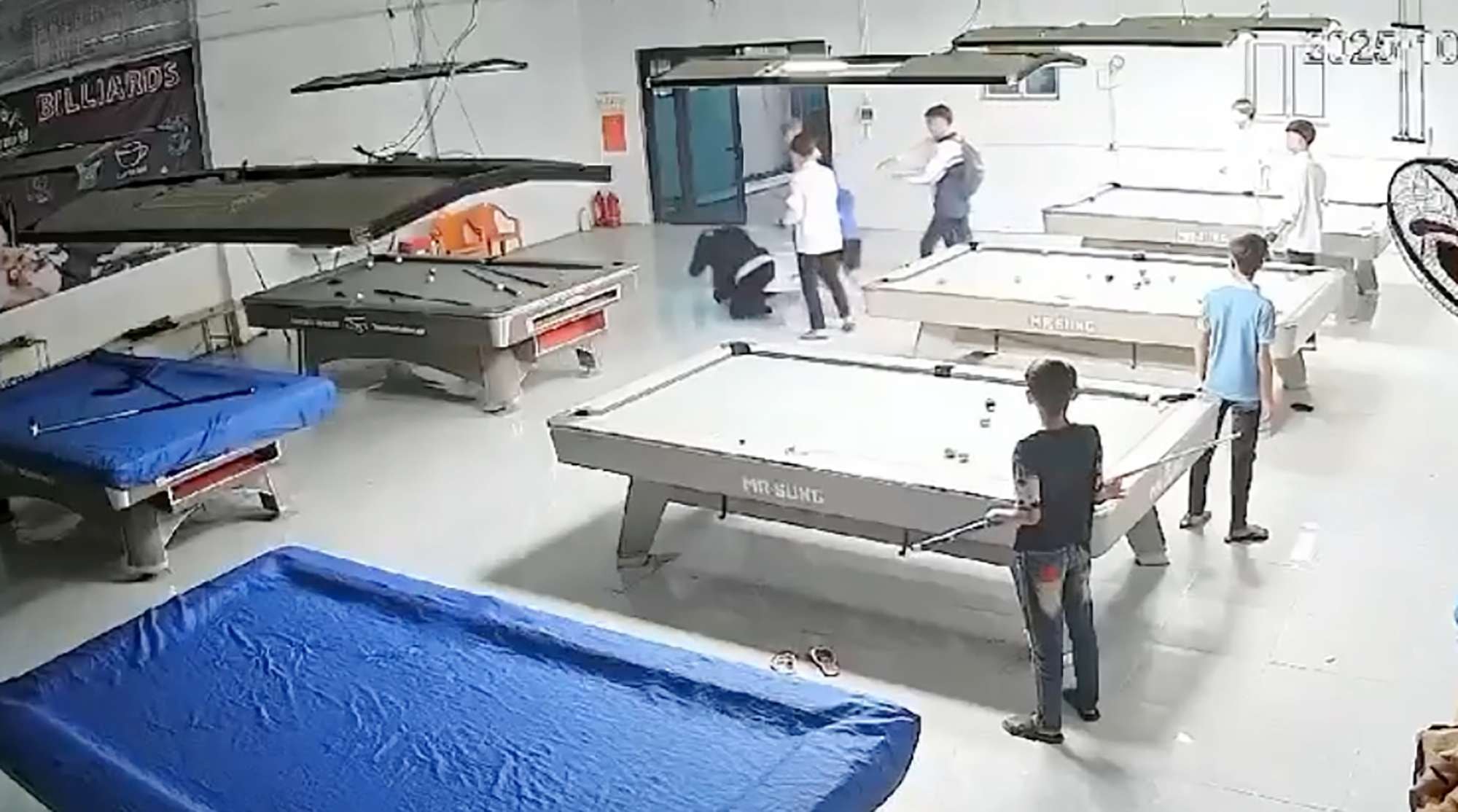
Previously, in Thanh Hoa, a 12th-grade male student was fatally stabbed in the neck by a classmate while on his way home from school; a 10th-grade male student was attacked by a group of 11th-grade students while sitting in class, resulting in a severe brain hemorrhage and a very poor prognosis. In Nghe An, a male student was beaten unconscious by classmates and a group of friends in a billiard hall and had to undergo brain surgery…
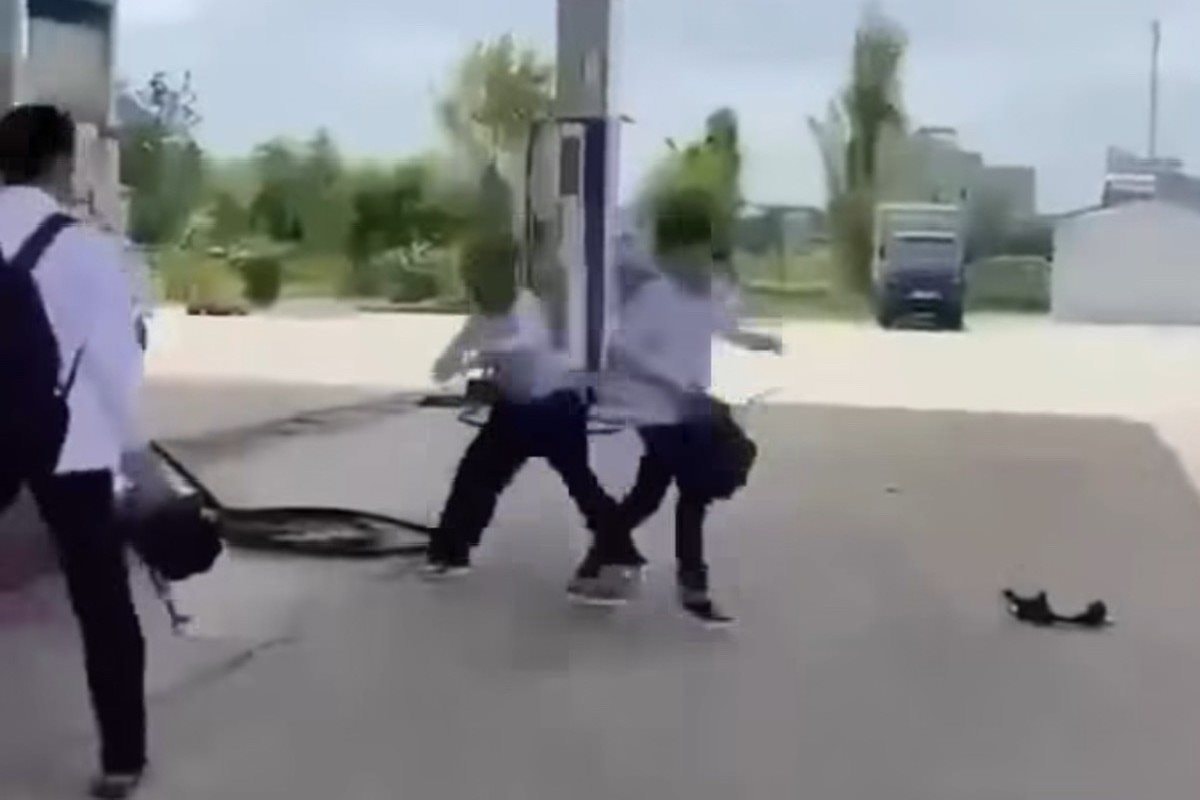
Such incidents are repeating themselves, raising a major question for every family, every school, and society as a whole: Why are young people so aggressive, so easily swept away by uncontrollable anger?
It's not that they were born bad, but rather that they are growing up in an environment rife with violence and lacking emotional guidance. Social media, online games, and entertainment media are flooded with content and videos of fighting, killing, guns, knives, and even livestreams fulfilling viewers' requests with outrageous, inhumane, and violent acts, all for the sake of fame, views, and likes…
Exposure to such harmful content makes young people desensitized, no longer afraid or surprised by blood and tears, and may even become more stimulated. Adolescents also easily confuse real and virtual values, secretly believing that the more aggressive and outrageous they are, the more attention they will receive, and attention becomes a tempting bait that entices them to follow suit.
Many young people today are not taught how to identify, control, and resolve anger, so when teased or provoked, they only know how to react with violence – the most primitive behavior. It's often said, "Children are a reflection of adults." A child who knows how to love is someone who has received love from those around them. A child who knows how to control themselves is someone who has been taught how to breathe and calm down when angry. But in many families today, parents still resort to both hot and cold violence against each other, easily scolding and even slapping their children in anger; on social media, adults readily "throw stones," belittle, and insult others simply because of differing opinions; and on the street, even a minor traffic accident can trigger angry shouting. These behaviors, whether intentional or unintentional, become "life lessons" for children. They see, learn, and then repeat them.
We also cannot ignore the pressure of academics and social prejudices; it's not uncommon for children to be trapped in a race for grades, with no way to relieve stress, so small conflicts easily escalate into major violence. Finally, there's the mob effect when a group of children witness violence without anyone intervening, because at home adults have taught them that "if you see injustice, stay away to avoid getting into trouble," and "silence is safer than righteousness!"
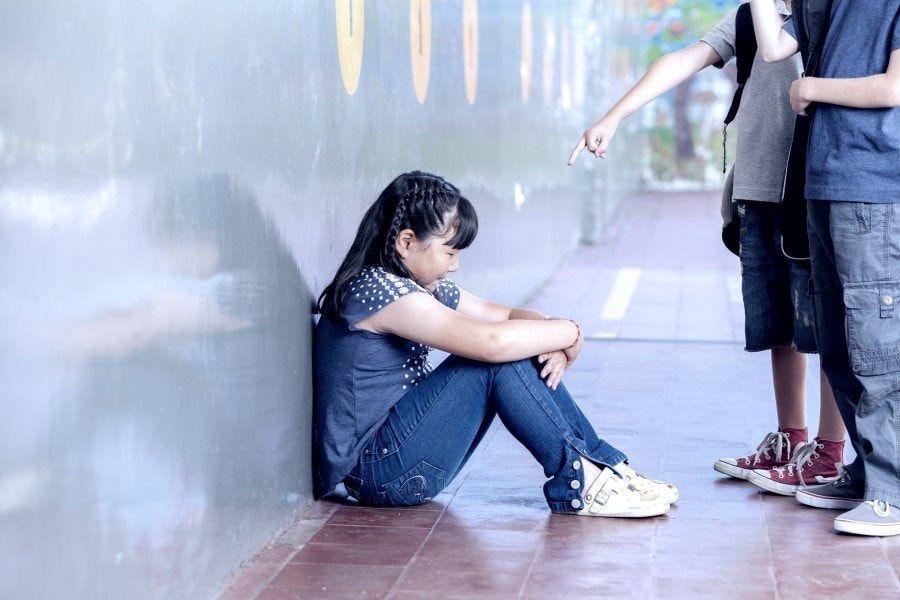
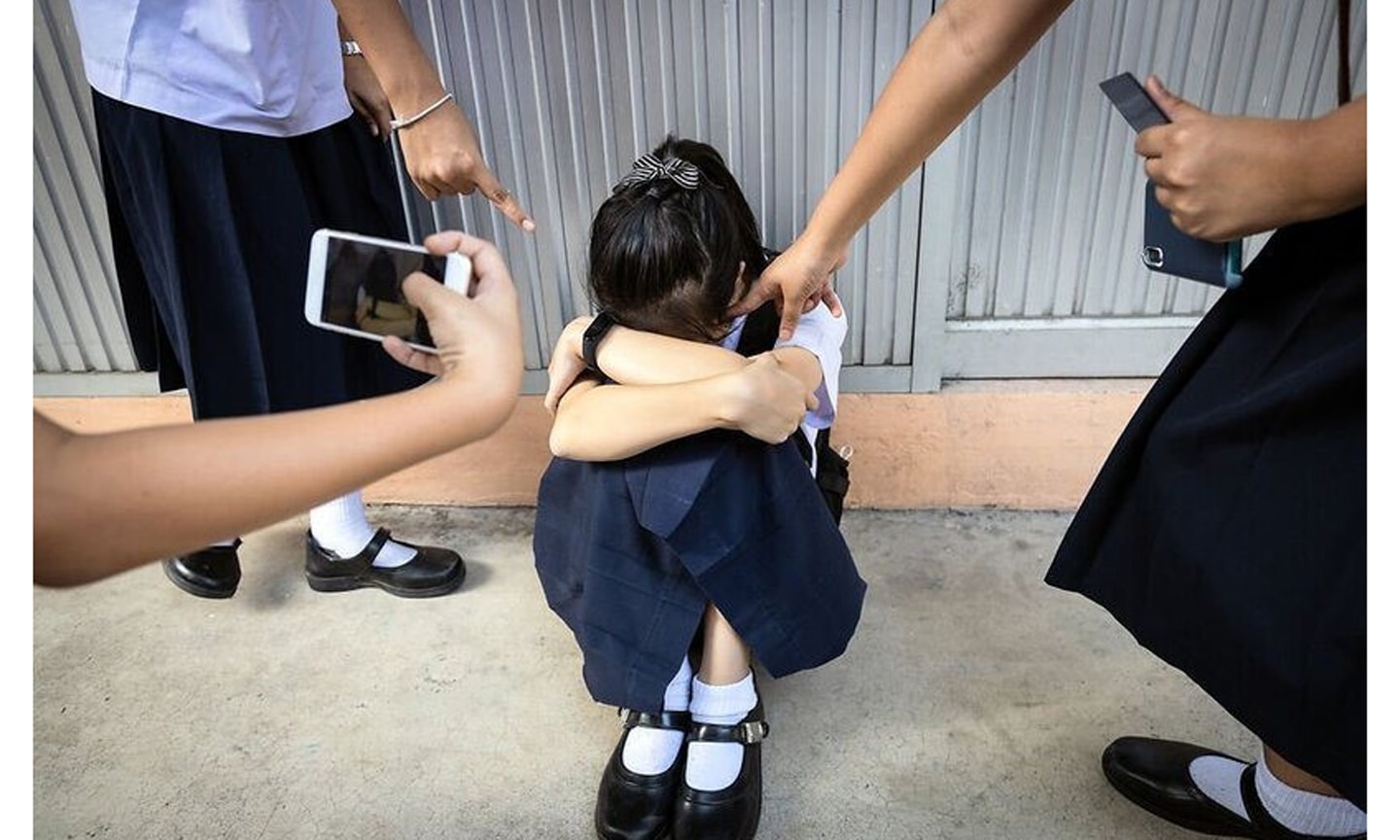
These successive incidents paint a picture of a generation growing up amidst too much emotional turmoil, where the lines between right and wrong, love and violence, are gradually blurring. When anger is expressed through punches, kicks, and knives, instead of words and understanding, it is not only a failure of education but also a wake-up call for adult society.
In the National Assembly, a representative once questioned the Minister of Education and Training, Nguyen Kim Son: "When will school violence end?" He replied, in essence: If one day there is no more violence in schools, that will be the day adults stop fighting. Children will only look at each other with pure, loving eyes.
That's right, school violence doesn't happen naturally; it's the result of a damaged cultural environment, behavior, and education. When parents, teachers, and educators still act with uncontrolled anger, how can we expect their students and children to use words instead of fists? When society still undervalues apologies and disregards kindness, how can we teach children forgiveness?
We cannot expect children to be compassionate in a world where adults still angrily ask, "Do you know who your father is?" or get furious and "teach each other a lesson" over traffic accidents, restaurant conflicts, or social media comments. Nor can we expect students to exercise self-control when they witness adults venting their anger on each other, on subordinates, and on children every day. Children learn from how adults love, but they also learn from how adults hurt them.
It's time, instead of just chanting slogans like "say no to school violence," we started with ourselves. Let's learn to listen to our children, instead of giving orders. Let's teach them that not everyone who hurts them deserves retaliation. Let them understand that strength lies not in muscles, but in self-control, because a child who can master their emotions in the present will be a civilized adult in the future.
Schools also need to change. Classroom activities should be where teachers help students learn empathy, conflict resolution, apology, and forgiveness. Emotional education must truly become an important part of the curriculum, just like how we teach math, literature, physics, and chemistry. As for society, we need to stop treating violence as a normal part of life. Every time we share, comment on, or glorify videos of fights, even if purely out of curiosity, we are contributing to violence.
There will never be a complete answer to the question "when will school violence end?". But perhaps, when adults stop fighting, stop hating, stop venting their anger on each other; when society becomes less judgmental and more empathetic, that will be the first day of a generation that truly knows how to love.


