
Are comprehensive car insurance policies different for gasoline and electric vehicles?
Many people always ask questions about comprehensive insurance and vehicle body insurance for each type of vehicle before buying one.
According to insurance companies, the amount payable when purchasing insurance varies depending on the value of each vehicle and the different comprehensive insurance packages chosen by the customer.
Vehicle physical damage insurance includes coverage for the bodywork and other parts such as the motor, fire, water damage, and the battery of electric vehicles. The premium varies depending on the number of parts covered, the conditions for claiming insurance, and the deductible.
Comparing insurance for gasoline-powered and electric vehicles, experts suggest that electric vehicles, lacking internal combustion engines, do not require additional flood damage insurance; instead, they should focus on battery insurance. Therefore, the insurance premiums for gasoline and electric vehicles are not significantly different.
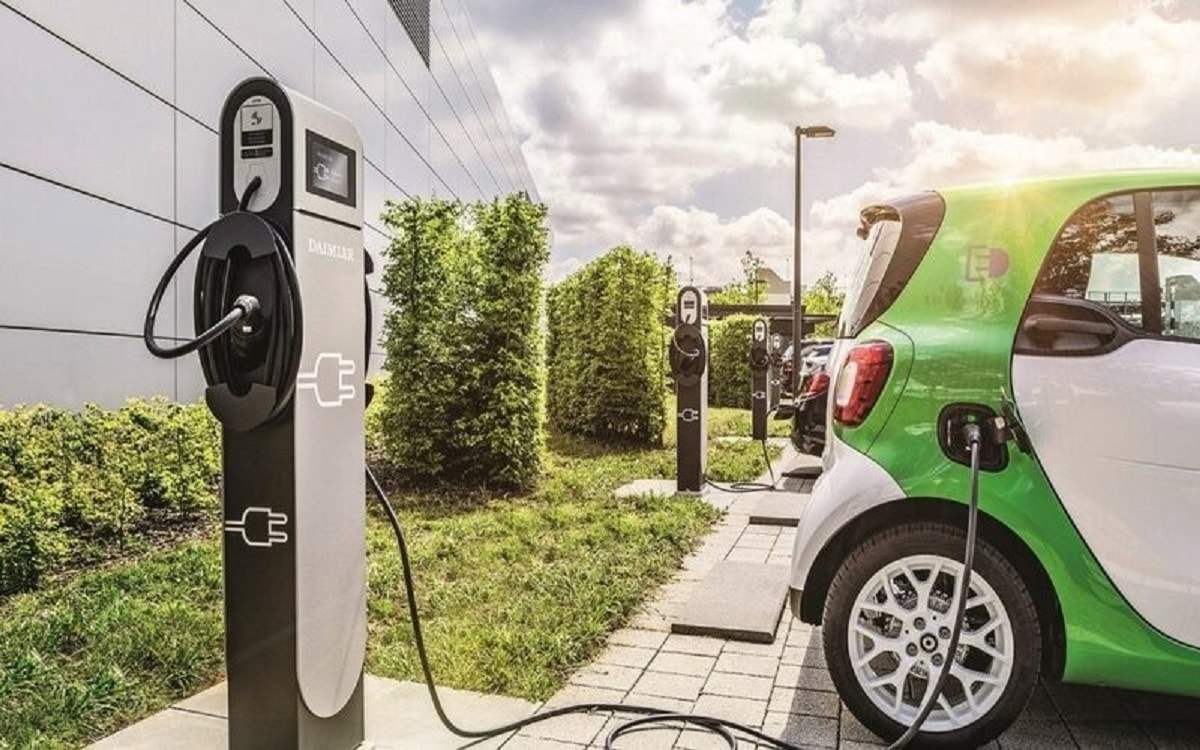
To meet consumer demand, insurance companies now offer battery insurance for electric vehicles, providing more attractive coverage than before. This is because electric vehicle batteries are quite expensive and receive significant attention from consumers.
Accordingly, the electric vehicle battery has the highest proportion of the vehicle's value, potentially accounting for up to 50%, but it is located in the most vulnerable position, on the floor, making it susceptible to scraping the undercarriage when driving on rough roads or through flooded areas. Meanwhile, manufacturers only provide warranty coverage for battery damage due to technical defects, not damage caused by external factors.
Therefore, some insurance companies have been selling battery insurance packages up to 150 million VND, accepting coverage even for collisions involving only the battery and covering the travel costs for inspection and repair. The insurance premium starts from 6 million VND per year, including both the vehicle body and the battery.
Insurance companies also state that the condition for coverage is that the battery must be damaged simultaneously with other parts of the vehicle to exclude cases where the battery fails on its own (which is the manufacturer's warranty responsibility). Therefore, insurance companies only cover electric vehicle batteries together with vehicle body insurance, not the battery alone.
"The battery is an integral part of an electric vehicle, the most important component of the vehicle. Therefore, if customers remove the battery from the vehicle and take it home or store it elsewhere, resulting in damage to the battery, they will not receive insurance compensation."Insurance companies explain.


