
Why shouldn't you fully charge your electric vehicle battery?
Experts say that car batteries perform best and have the longest lifespan when the charge level is between 20-80%, and that charging from 80% to 100% takes quite a long time.
Therefore, experts advise unplugging the electric vehicle charger when the battery reaches 80%.
Whether it's a phone battery, laptop battery, or electric car battery, charging it to 100% will negatively impact its lifespan. Regularly charging a battery to 100% will cause its maximum kilowatt-hour storage capacity to decrease faster than normal.
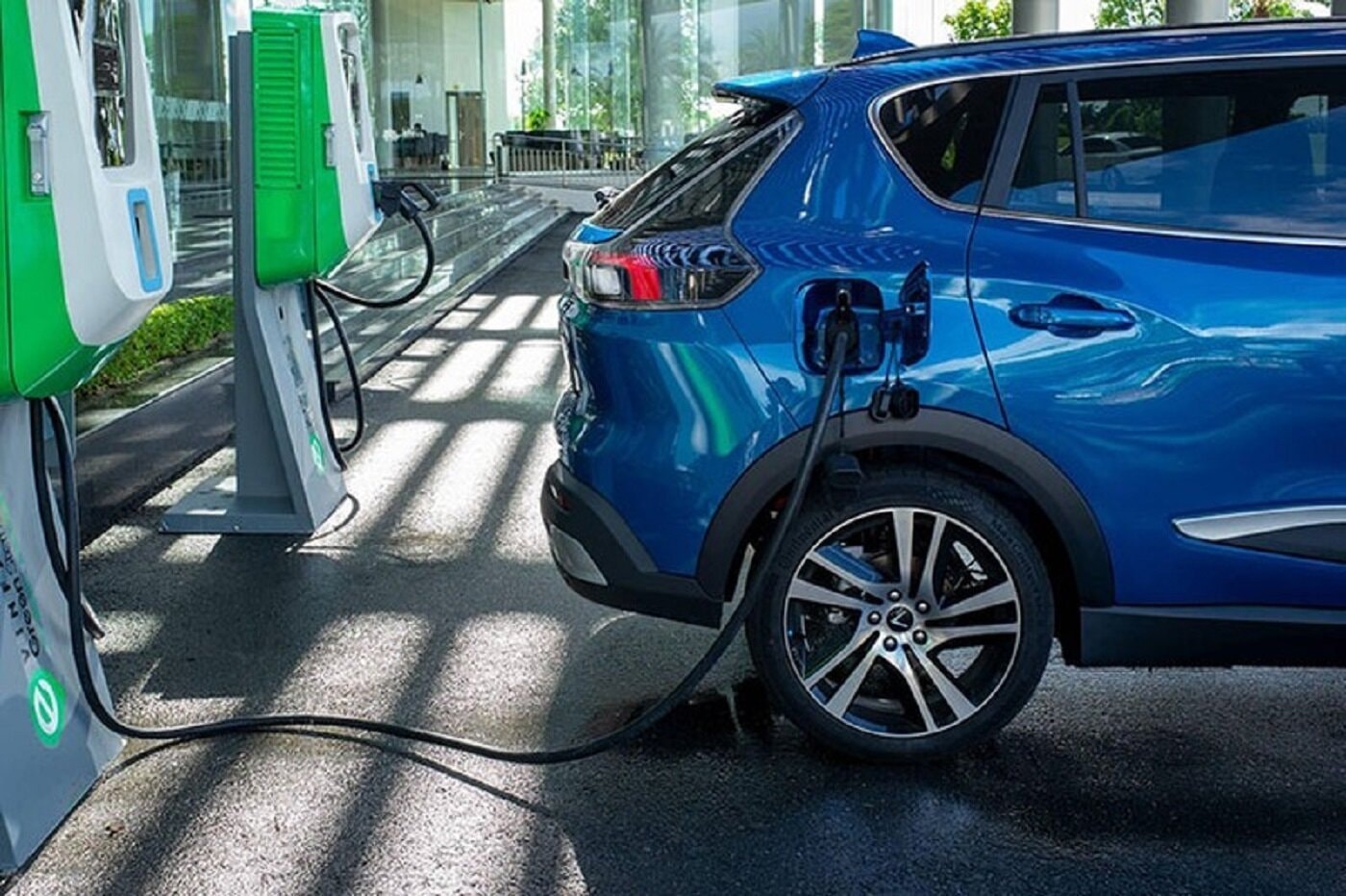
That's also why car manufacturers always focus on developing battery management software. This software allows users to easily set the maximum charge level for each charging cycle.
However, when a car battery is completely discharged to 0%, it poses many risks, and the battery may even be damaged or become worn out.
Experts point out that, under normal conditions, the sulfation process accumulates lead crystals on the surface of the battery's lead plates. However, this accumulation is only temporary and will be reversed when the battery is recharged. If the battery is completely discharged to 0%, the lead sulfate crystals will crystallize and adhere tightly to the battery's surface, causing the battery's energy storage capacity to decrease more rapidly.
Fortunately, however, modern batteries are designed to maintain a buffer level of 5% to 10%. This means that when you see the battery indicator on the screen showing 0%, the battery isn't actually completely depleted.
To extend battery life, it's best to maintain a starting charge level between 20% and 80%. This charge level both sustains the battery's operation and ensures the vehicle's driving range.
When charging an electric vehicle, whether using a standard household outlet or a fast charging station, the charging power will decrease significantly when the battery is about 80% full. Above this battery capacity, charging will automatically switch to slow charging mode to prevent overheating and extend battery life. Therefore, charging from 20% to 80% may be faster than charging from 80% to 100%.
To keep your car battery in good working condition, remember these four principles:
Charge from 20% to 80%
Avoid charging the battery to 100%.
Avoid letting the battery drain to 0%.
Maintain deep flushing level below 50%.


