Cultural preservation in conjunction with tourism development.
(Baonghean)In many respects, the lives of the people in the western districts of the Mekong Delta are still difficult, but the area is blessed with many scenic spots suitable for developing ecotourism.
These include Pu Mat National Park, Khe Kem Waterfall, Giang River - Pha Lai Dam in Con Cuong; the Săng Lẻ forest, the Cold Forest and the reservoir of the Bản Vẽ Hydropower Plant, Khe Bố in Tuong Duong; the Mường Lống Sky Gate with its ideal climate in Ky Son; Bua Cave, Tham Om Cave in Quy Chau and Sao Va Waterfall in Que Phong...
These scenic spots are the pride of the local people, but objectively speaking, they have long remained only potential. This is because these landmarks, with their poetic and majestic beauty and located within a world biosphere reserve, have yet to attract a large number of tourists and generate significant revenue for the local area.
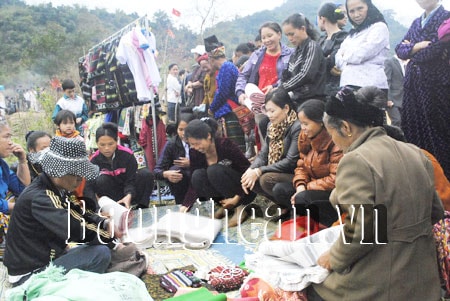
The brocade products of the Thai ethnic group in Ky Son are popular with tourists.
For tourists, in addition to exploring the beauty of nature such as mountains, forests, rivers, and caves, there is also a need to discover and learn about the unique cultural values of each region. Recognizing this, localities have actively developed projects to preserve and promote ethnic cultural identity in conjunction with tourism development.
Tuong Duong District is a pioneer in identifying the issue and developing and implementing the project. As an area home to five ethnic minority groups, Tuong Duong possesses a strong advantage in the diversity of cultural life among its communities. Each ethnic group has its own customs and traditions that distinguish it from other ethnic communities.
This is a crucial point in attracting the attention and desire of tourists to learn about and explore cultural values. However, cohabitation and the rapid pace of social development mean that the cultural identity of ethnic groups is facing the risk of fading away.
In response to this situation, Tuong Duong district has initially implemented restoration and preservation of historical and cultural relics and revived the organization of festivals. A notable example is the upgrading of Cua Rao Temple and the annual spring festival, which attracts tens of thousands of visitors and generates significant revenue for the local people.
Furthermore, Tuong Duong is striving to re-establish the distinctive cultural spaces of each ethnic group, aiming to preserve their identity and meet the cultural exploration needs of tourists. The project also focuses on restoring and developing the traditional brocade weaving craft, reviving some customs that have faded away, such as the Xang Khan festival of the Thai ethnic group, the New Year's Thunder Festival of the O Du ethnic group, and the housewarming ceremony of the Kho Mu ethnic group. Simultaneously, it emphasizes musical identity, preserving and collecting unique folk songs, dances, and musical instruments of various ethnic groups. Local specialties and products from the mountains and forests are also included in the list of items to be preserved for tourism development.
Similarly, Con Cuong district is currently developing a project to preserve and promote the cultural identity of the Thai ethnic group, linked with exploiting its potential and developing tourism. The core spirit of the project is to maintain and develop folk song and traditional musical instrument clubs to preserve the musical identity. At the same time, it aims to develop the brocade weaving craft and famous local specialties such as sticky rice cooked in bamboo tubes, wild fish, and bamboo shoots. After exploring the beauty of Pu Mat National Park, swimming at Khe Kem waterfall, and cruising on the Giang River, tourists can enjoy dishes with the distinctive flavors of the mountains and forests, long remembered in the folk song "Rice from Muong Qua, fish from the Giang River".
Afterward, visitors can visit traditional weaving villages to witness the skillful hands and exquisite craftsmanship of Thai women in their woven products and choose a few items as souvenirs. At night, visitors can explore the villages, enjoy folk songs and dances, and immerse themselves in the vibrant atmosphere of the festival, creating memorable experiences that will make them want to return again.
As a remote border district still facing many difficulties, Ky Son is making efforts to survey and develop a tourism development strategy, focusing on exploiting the cultural values of its ethnic groups. Mr. Moong Thai Nhi, Deputy Head of the Culture Department of Ky Son district, said: "To attract tourists to Ky Son, we have determined that we should not only rely on the climate and international border crossings, but more importantly, on the rich cultural features and distinct identities of the Mong, Khmu, and Thai ethnic groups." Living in the highlands, the ethnic groups in Ky Son have preserved unique cultural features such as the Mong people's bullfighting festival, the Khmu people's traditional rice wine drinking custom, and the Thai people's harvest festival. In addition, the restored Pu Nha Thau Temple Festival and the Ban Canh Banyan Tree Temple Festival will create important highlights in the cultural and spiritual life. These are crucial conditions that help the Ky Son Culture Department build its tourism development strategy.
Tuong Anh