
Tips to overcome motion sickness during Tet holiday.
Many people have had to be hospitalized due to motion sickness, especially during holidays when overcrowded vehicles make motion sickness more likely and increase the risk of complications.
Motion sickness is a term used to describe the feeling of "sickness" experienced while traveling, whether on moving vehicles or on amusement rides. Most passengers manage motion sickness on their own, but many cases require emergency hospitalization to avoid serious complications.
Motion sickness occurs when the body, inner ear, and eyes transmit nerve signals to the brain in a dissimilar way. When sitting in a car, the inner ear senses the movement of the vehicle, while our eyes do not fully perceive this movement if we look down at the floor, or if the car is enclosed, limiting our forward visibility. Symptoms of motion sickness include nausea, vomiting, pale face, cold skin, dizziness, headache, sweating, excessive salivation, yawning, discomfort, fatigue, and rapid breathing.
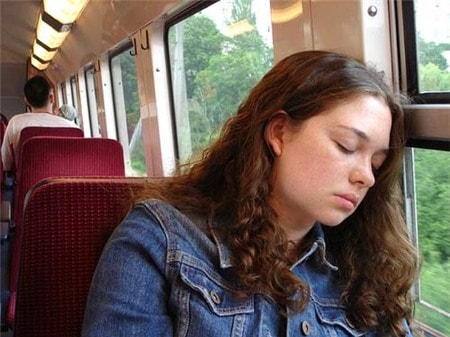 |
| Many people have had to be hospitalized due to motion sickness, especially during holidays when overcrowded vehicles make motion sickness more likely and increase the risk of complications. |
In particular, many cases of motion sickness are caused by excessive vomiting leading to dehydration and electrolyte imbalance due to vomiting, rapid breathing, and sweating. This can lead to hypotension, fainting, and acute kidney failure. These are "complications" of motion sickness. Cases of motion sickness with excessive and prolonged vomiting, and inability to drink water, require hospitalization for intravenous fluid and electrolyte replacement to avoid complications.
How to prevent motion sickness?
Some people are so afraid that just mentioning travel by train or car evokes feelings of discomfort and fatigue. It's necessary to prepare mentally, practice, and use preventative measures before journeys. Here are some preventative measures:
- Avoid eating too much, fatty foods, and alcohol the night before your trip.
- Eat a light, low-calorie meal 24 hours beforehand.
- Avoid dairy products, yogurt, and cheese before traveling.
- When traveling by car, choose a seat in the front; on an airplane, you can sit next to the wing.
- Look straight ahead
- No reading or playing video games in the car.
- Sit with your head resting against the back of the seat and remain stable.
- Adjust the fan's airflow to direct it towards your face.
- No smoking on trains or buses.
There are many types of motion sickness medications, most of which take effect 30 minutes to 2 hours after ingestion, with effects lasting from 4-8 hours to up to 3 days depending on the medication. Side effects may include dry mouth, lethargy, blurred vision, and disorientation. Therefore, they should only be used as directed, and some medications should not be used for children under 12 years old.
According to SKĐS


