Preserving traditional crafts
One day in mid-May, together with local officials, we went to Muong Long 1 and Muong Long 2 villages in Muong Long commune to see...traditional blacksmithingThese tools have been preserved by the villagers for generations. From the very beginning of the village, the sound of hammers clanging could be heard, both near and far.
Observations reveal that beneath the traditional houses of the Hmong people here, blacksmiths' forges blaze with red fire, and strong men in protective clothing diligently craft sharp knives from scrap iron.
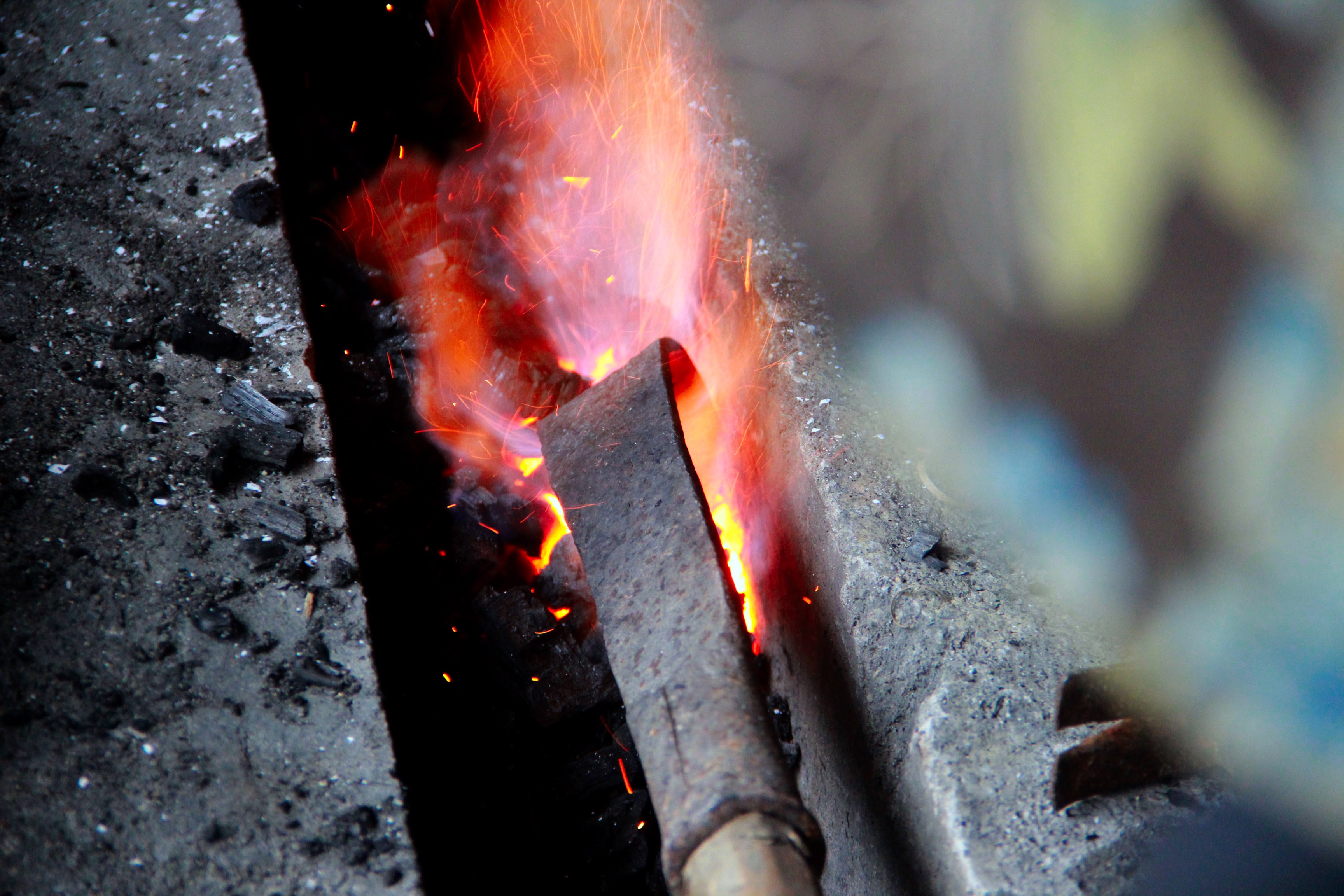
To learn about the blacksmithing craft of the Mong people here, we visited the family of Mr. Lau Xia Re in Muong Long 1 village. Sitting by the glowing charcoal furnace, his hammer moving rhythmically, Mr. Re slowly explained that blacksmithing is closely linked to the lives and farming activities of the highlanders. Since ancient times, the people here have forged and polished various agricultural tools such as knives, hoes, rakes, and even hunting tools.
Therefore, in the past, almost every family had a blacksmith's forge to make their own farming tools and household items. In every family, the craft was passed down from father to son; Mr. Lầu Xìa Rê himself was taught the trade by his ancestors from a young age. Thus, the blacksmithing tradition here has been preserved by many, creating a unique "brand" for the blacksmithing craft of his ethnic group.
Mr. Rê said that forging good agricultural tools depends on the experience of each craftsman, and that experience is very difficult to describe in words. Besides the steel tempering technique, there are many other secrets, such as choosing the right type of steel suitable for each product. Having steel doesn't automatically guarantee a sharp knife.
For example, to make a sharp, finely sharpened knife, you need steel from car springs. During the forging process, if the steel isn't tempered to the right temperature, it will be soft and won't last long; conversely, if it's over-tempered, it will easily break or chip during use. A special feature of the Hmong people's blacksmithing is the steel tempering process. To perform this step, they use many different methods, each person having their own secret technique.
Therefore, despite their skill and extensive experience, a skilled blacksmith still needs more than a day to make a good quality knife. That's why a good knife sold in Muong Long costs between 400,000 and 500,000 dong – a price that justifies the craftsmanship.
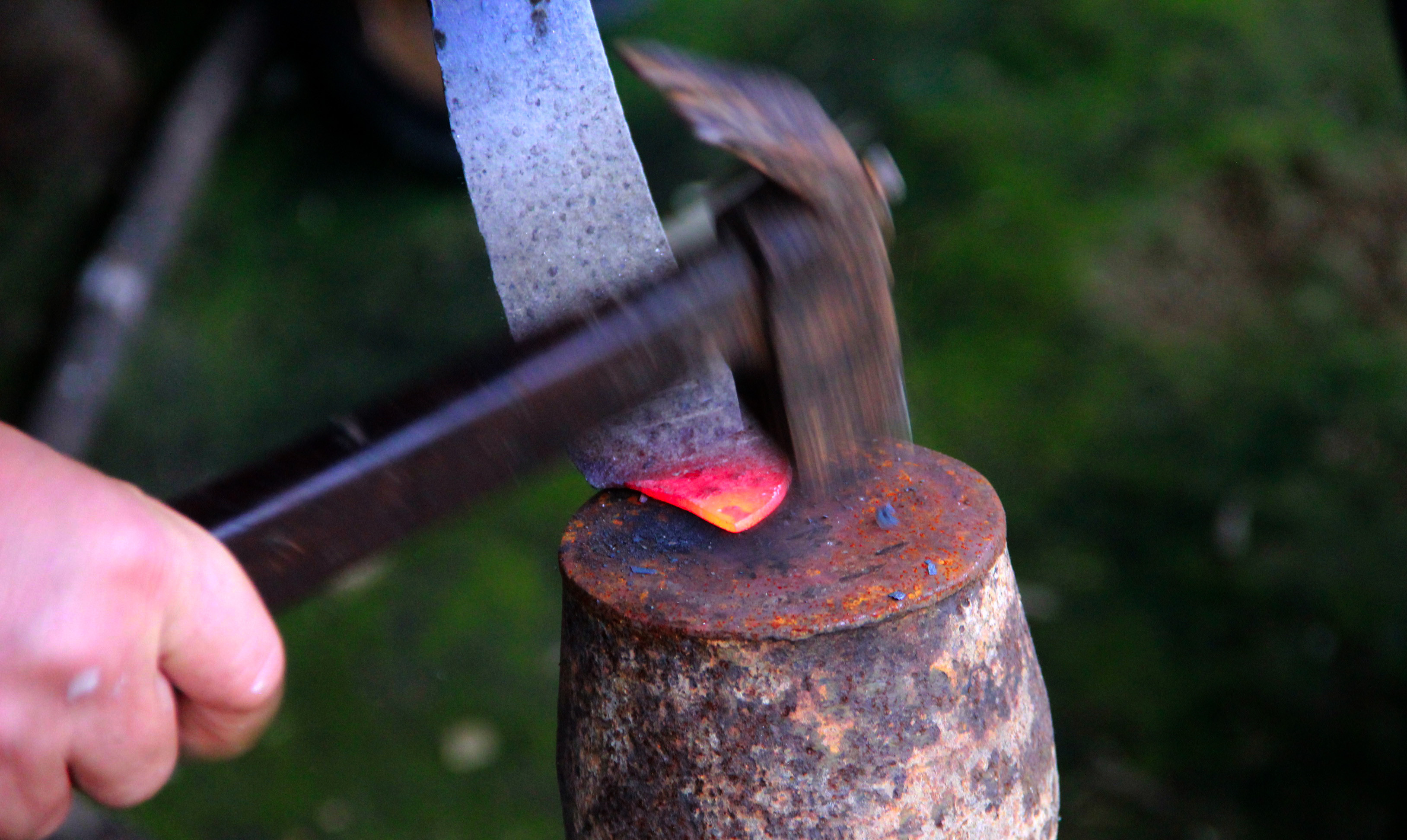
Skilled blacksmiths can tell the quality of a knife just by tapping it lightly. "Making a knife with a nice size and shape is easy, but making one that's good and durable is difficult. Not everyone can do it; it requires a lot of experience," shared Mr. Lầu Xìa Rê.
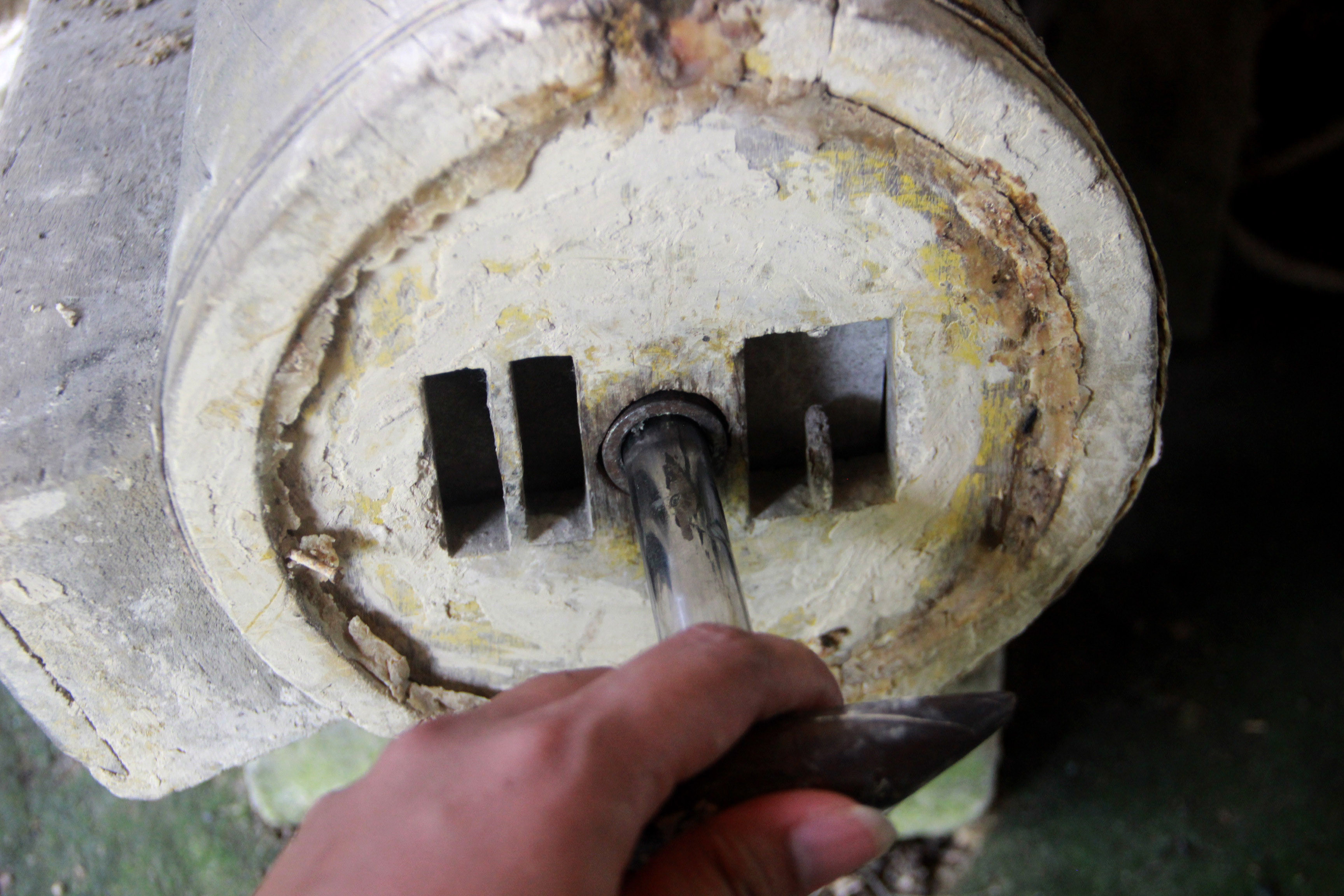
The traditional blacksmiths of the Hmong people often create airflow using homemade tools. They hollow out tree trunks, then install pistons that can be pulled in and out to generate wind. When the master blacksmith sits at the forge, an assistant must sit beside him to push the wind to keep the charcoal fire burning brightly. However, nowadays, some blacksmiths use electric fans to blow air into the furnace and grinding machines to improve the time it takes to make agricultural tools.
Not only serving daily life needs, many blacksmiths in the commune have produced goods for sale in the market, turning it into a profession that provides income, and their products have traveled to various communes and districts in the surrounding areas.
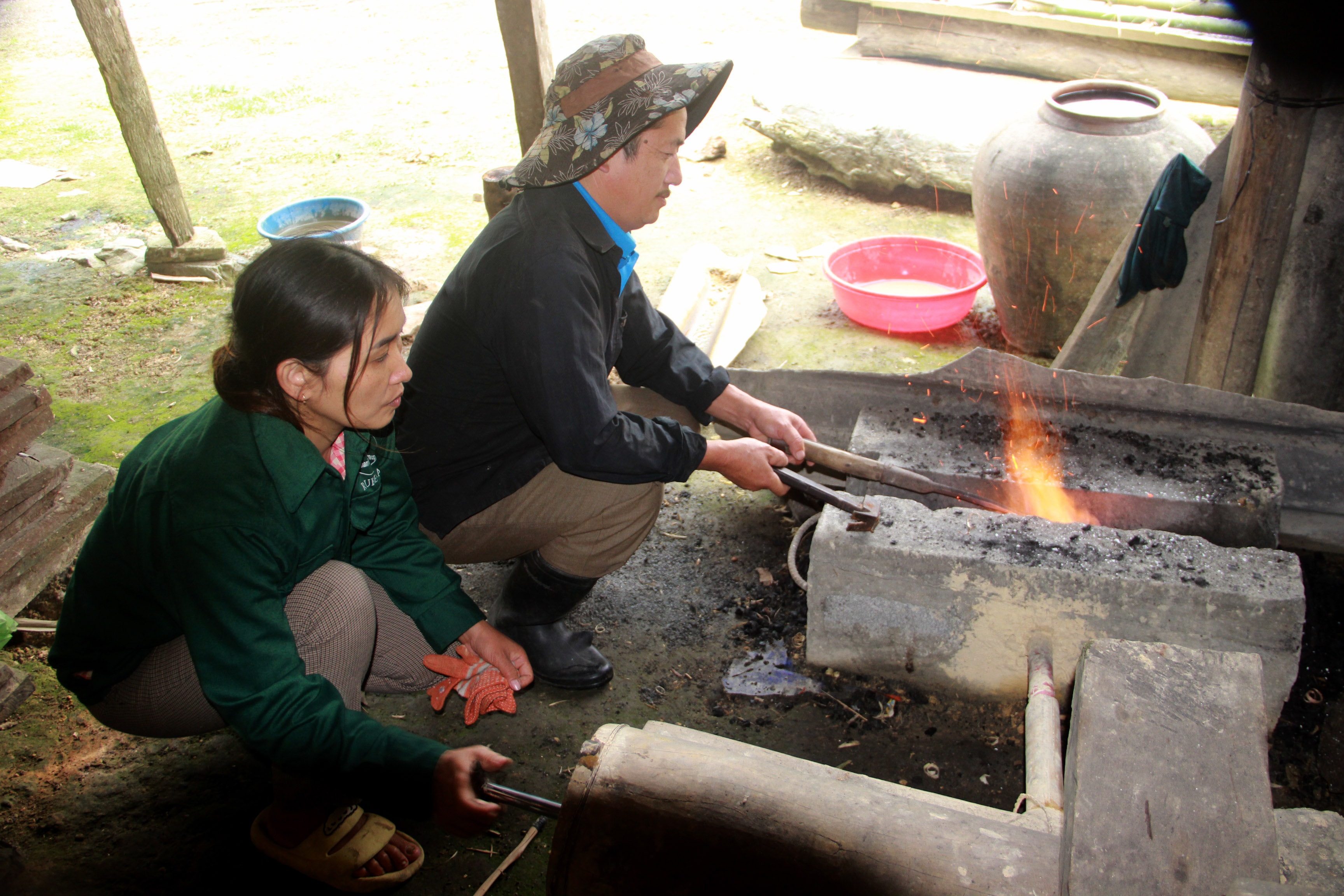
Also a Hmong man passionate about blacksmithing, Mr. Lau Ba Do in Muong Long 1 village works as a teacher while maintaining the traditional blacksmithing craft passed down from his ancestors. Mr. Do says that meticulousness and skill can be honed through practice, but the first and most crucial requirement of blacksmithing is good health. The master blacksmith and his apprentice must coordinate smoothly; hammering must be done in a rhythmic manner, and the timing of blowing air into the furnace must be precise. Only then will each product be a "work of art" cherished and used for a long time.
“Blacksmithing requires strength and perseverance, so not everyone can do it. A blacksmith also needs a keen sense of hearing and sight. Their hands must be strong and calloused, but also sensitive enough to assess the quality of each product,” shared Lầu Bá Dờ.
Establishing a blacksmithing village.
Mr. Va Cha Xa - Chairman of the People's CommitteeMuong Long communeAccording to reports, the blacksmithing craft of the Mong people here has a long history. Previously, hundreds of households practiced the craft, but now it has decreased to about 40. The reason is that agricultural tools are sold in large quantities at markets in the lowlands, so some households no longer maintain the blacksmithing trade and instead buy them at the market for convenience. Those who still keep the blacksmiths' forges burning are all highly skilled craftsmen.
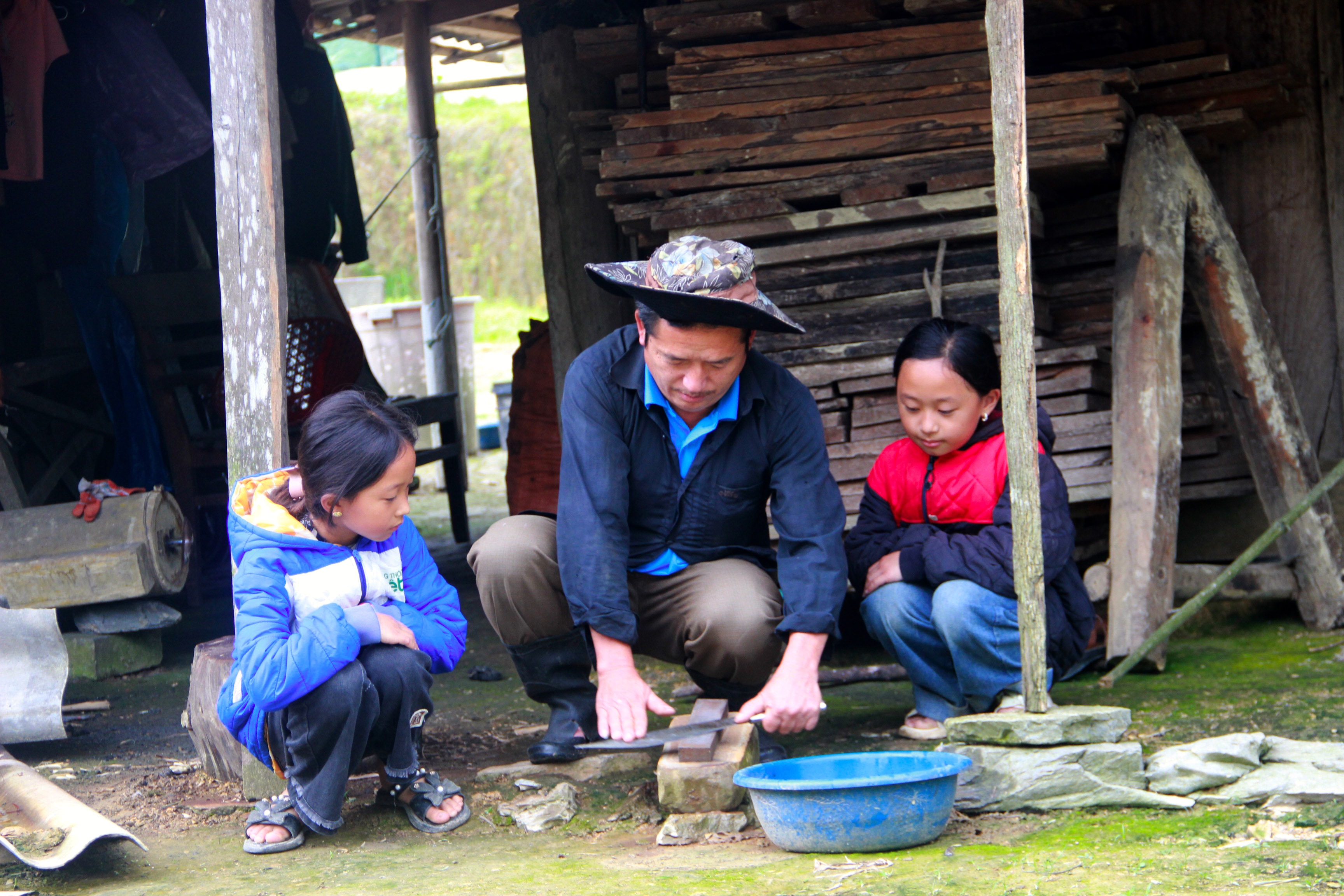
The people maintain the blacksmithing craft, producing agricultural tools for their families and selling them to the market. The main products are knives, hoes, shovels, hammers, sickles, and other agricultural tools.
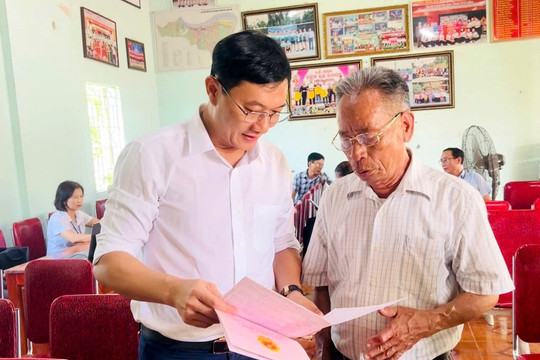
“Recently, the commune was recognized as a traditional embroidery village of Mong women in Muong Long 1 hamlet. Currently, the local authorities are encouraging people to maintain and develop the blacksmithing craft with the aim of applying for recognition as a blacksmithing village in the near future. The purpose of maintaining and developing local traditional crafts is not only to serve the daily lives of the people but also to promote tourism. When tourists come to Muong Long to enjoy the fresh, cool climate, they can also watch the locals practicing traditional crafts,” Mr. Va Cha Xa shared.
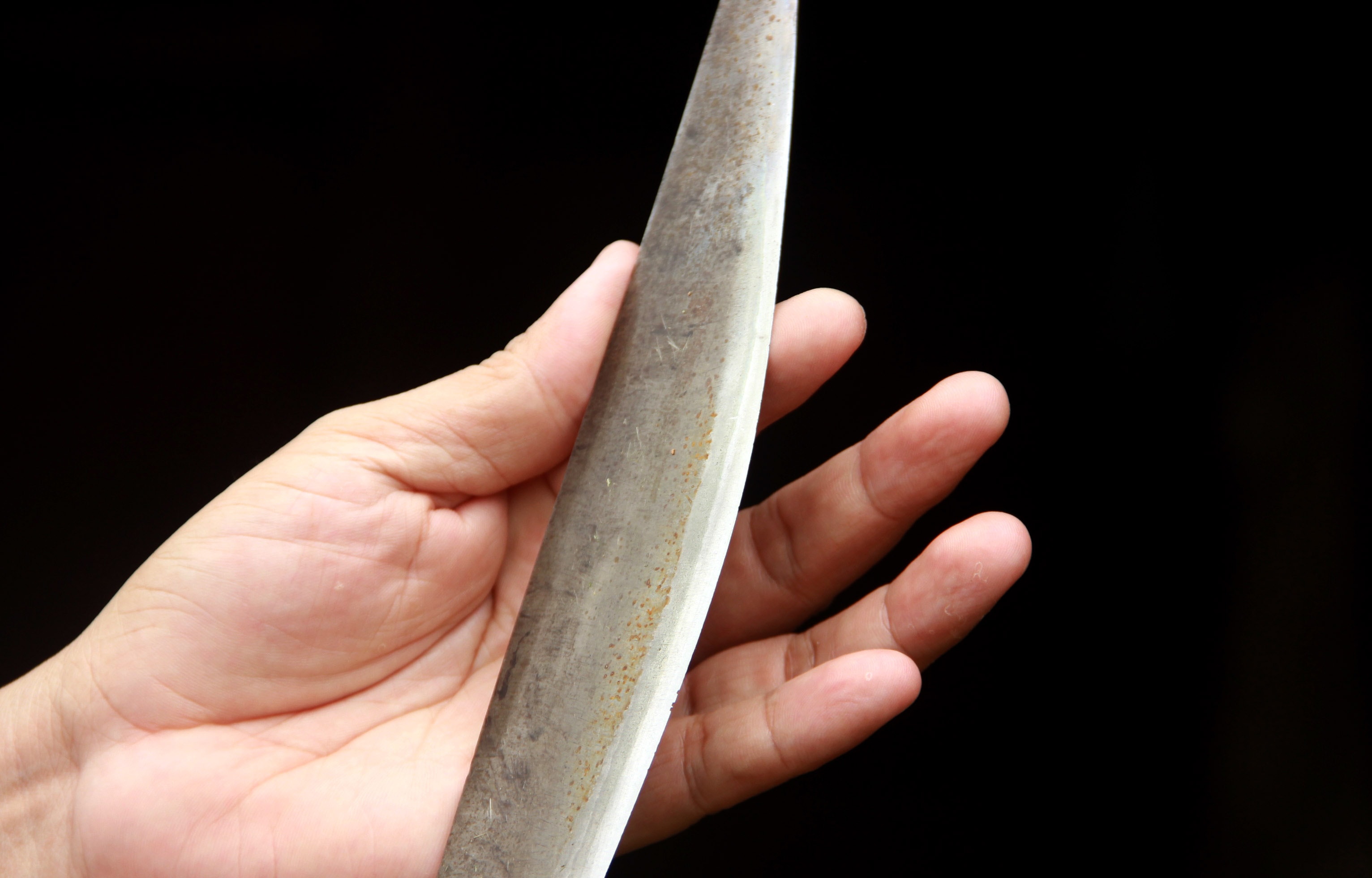
In Nghe An province, the Mong people live in large numbers in several communes of Ky Son district such as Tay Son, Nam Can, Huoi Tu…; in Que Phong district, the Mong people are concentrated in Tri Le commune; and in Tuong Duong district, the Mong people mostly live in Luu Kien, Nhon Mai communes…
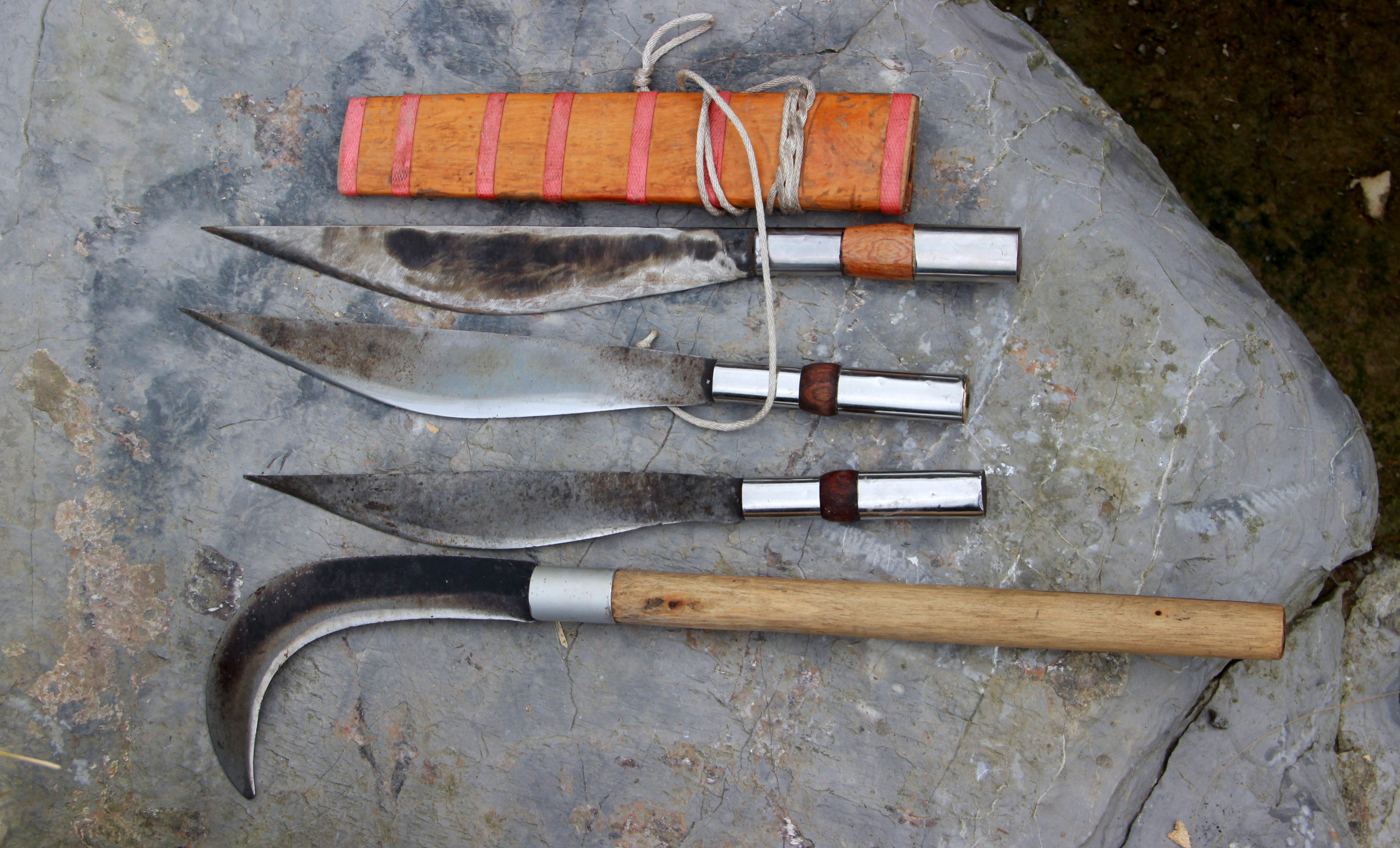
Generally, wherever there are Hmong people, there is a traditional blacksmithing craft, which is still maintained by the local people. However, in Muong Long commune (Ky Son district), where nearly 100% of the population are Hmong, there are arguably the most blacksmiths. With the guidance of the local government, the blacksmithing craft in Ky Son, the "gateway to heaven," promises to be preserved and further developed.





.jpg "Chắt chiu vị ngọt từ biển cả")


Governing body: Nghe An Provincial Party Committee
Director: Tran Minh Ngoc
Electronic newspaper operating license number: 153/GP-BTTTT
Issued by the Ministry of Information and Communications on March 24, 2022