
How poisonous is eggplant?
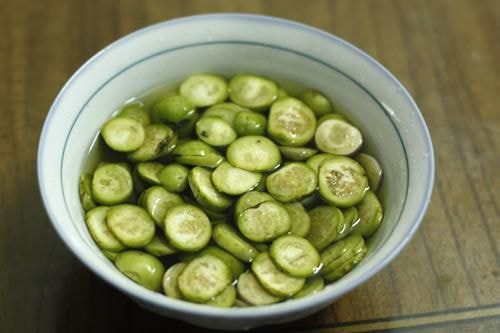
Eating large quantities of raw eggplant, pickled eggplant, and especially bitter eggplant, can easily lead to food poisoning.
Toxic substances found in eggplant
The eggplant plant contains quite a lot of toxins, from its stem and leaves to its flowers and fruits; there may be some toxins everywhere. The more bitter the eggplant, the more toxic it is.
Eggplants contain a high amount of solanine, which can cause poisoning when consumed in large quantities, especially raw or pickled eggplant.
Inside the eggplant are two basic toxins: alkaloids and solanine, with solanine levels in unripe eggplants being many times higher than in ripe ones. Solanine is the same toxin found in green sprouts or green areas of potato skin.
 |
Although the amount of solanine in tomatoes is very small, it can cause digestive disorders and affect the nervous system; in severe cases, it can lead to death.
Scientists have shown that when the amount of solanine in the body reaches 2-5mg/kg of body weight, the body begins to show signs of poisoning, and 3-6mg/kg of body weight is dangerous to the body.
In fresh eggplant, the solanine content is 5-10 times higher than the safe level. Therefore, eating a lot of fresh eggplant can easily lead to poisoning. When cooked or pickled, the toxins in the eggplant are reduced. For this reason, raw eggplant or pickled eggplant should not be eaten.
Symptoms of eggplant poisoning
Symptoms of tomato poisoning include: nausea, diarrhea, stomach cramps, dry and sore throat, headache and dizziness, hallucinations, loss of sensation, paralysis, fever, jaundice, dilated pupils, and hypothermia.
Symptoms typically appear within 8-12 hours of consuming the food, but can also occur within 30 minutes when eating foods high in solanine.
Who should avoid eating pickled eggplant?
According to folk wisdom, eating eggplant when recovering from five illnesses, or while already ill (cold, diarrhea, etc.), can worsen the condition. Therefore, people who have recently recovered from illness, pregnant women, and postpartum women should be cautious when eating eggplant.
For postpartum women, consuming large quantities of pickled eggplant can negatively impact milk production. Both mother and child may experience coughing, poor blood circulation, and general aches and pains.
Be cautious when combining it with cold foods; it should be eaten with warming spices such as garlic, chili, and lemongrass. People with glaucoma should not consume it.
According to suckhoegiadinh


