
Foods that are high in protein and low in fat
Choosing foods that are high in protein and low in fat is a way to get the necessary nutrients without gaining weight.
Macronutrients such as protein, fat, and carbohydrates all play a distinct role in the body. Protein builds and maintains muscles and bones; fat provides energy and helps absorb fat-soluble vitamins A, D, E, and K; and carbohydrates provide energy to the body's cells, tissues, and organs.
But sometimes, balancing these needs can be a challenge, especially if you're trying to lose weight and maintain muscle mass. Following a high-protein, low-fat diet can help achieve both goals. Consider the following lean, high-protein foods as great additions to your diet:
1% fat-free or low-fat milk
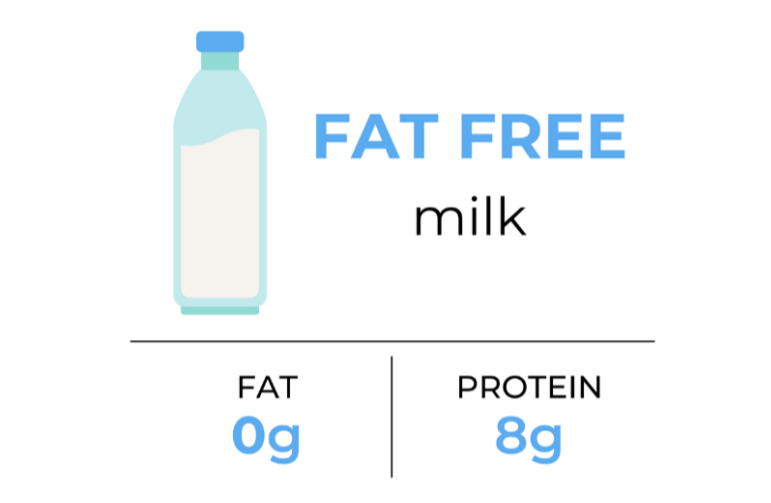
Protein: 8 grams (g) per cup.
Fat: 0.2-2 g.
Milk is a source of many important nutrients, including protein, calcium, vitamin D, phosphorus, magnesium, potassium, vitamin B12, and zinc. These nutrients are involved in many bodily functions, from muscle and bone health to energy production and immune support.
Greek yogurtnot fat
Protein: 16 g per box.
Fat: 0.6 g.
Fat-free Greek yogurt is a perfect food for people trying to lose weight and build muscle.
2% low-fat fresh cheese
Protein: 24 g per cup.
Fat: 5 g.
Similar in nutritional content to Greek yogurt, fresh cheese provides plenty of protein, calcium, and other essential nutrients. Research shows that this food can even help create a feeling of fullness and control hunger.
Plant-based milk
Protein: 7-8 g per cup.
Fat: 2.5-5 g.
Unflavored plant-based milk is a great alternative for people with milk allergies or those who prefer non-dairy options.
Plant-based milks rich in protein include soy milk, which provides 7g of protein. Soy milk is another excellent option, providing 8g of protein.
Soybeans and soy products
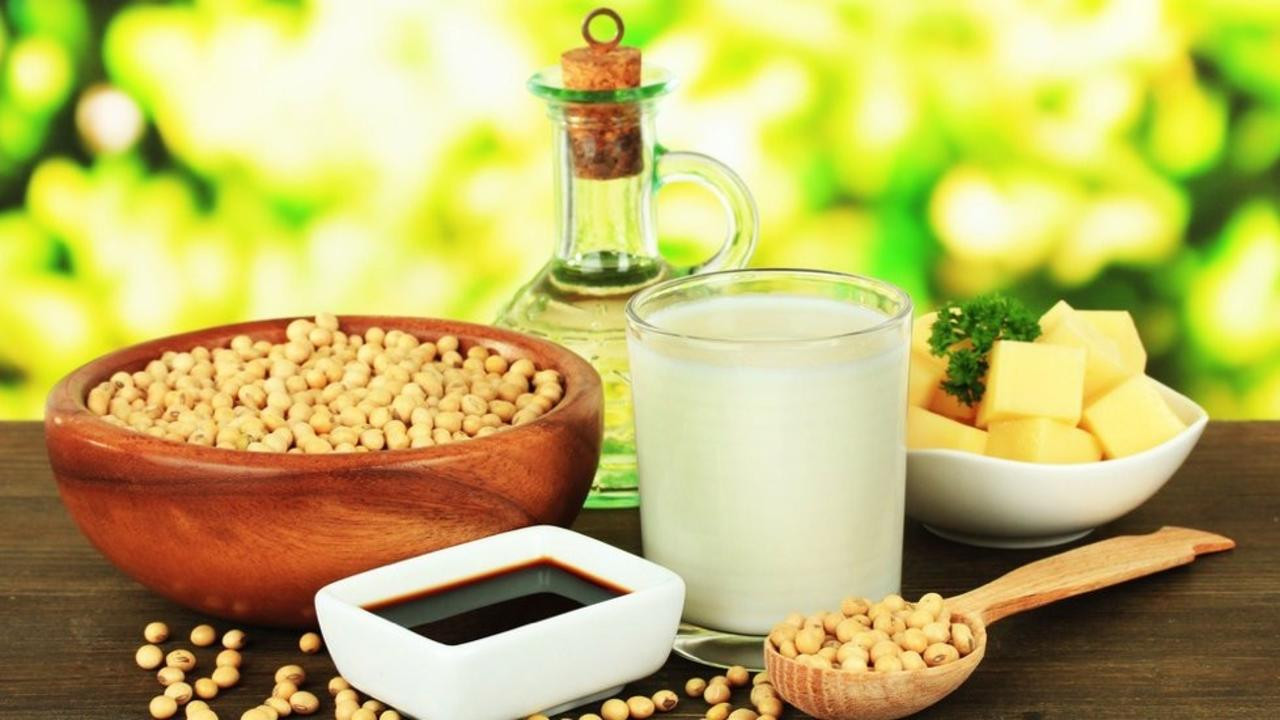
Protein: 7 g (edamame), 10 g (tofu), 16 g (tempeh) per half cup.
Fat: 3 g (edamame), 6 g (tofu), 9 g (tempeh).
Soybeans and soy products such as tofu and tempeh provide protein and other nutrients, and are also associated with health benefits such as lowering cholesterol, reducing the risk of heart disease and some types of cancer.
Beans are high in protein and low in fat.
Protein: 7-8 g per 100 g of canned beans.
Fat: 1-3 g
Beans offer powerful benefits: they provide plant-based protein, gut-friendly fiber, and can aid in weight management. They're also linked to reduced cardiovascular risk factors. All types of beans are packed with essential vitamins and minerals and can be added to a variety of dishes.
Lentils
Protein: 9 g per serving of approximately 100 g.
Fat: 0.4 g.
Lentils are a type of legume, which also includes peas, soybeans, and beans. Packed with protein, fiber, and nutrients, legumes help promote satiety, control blood sugar, and regulate blood pressure.
Peas
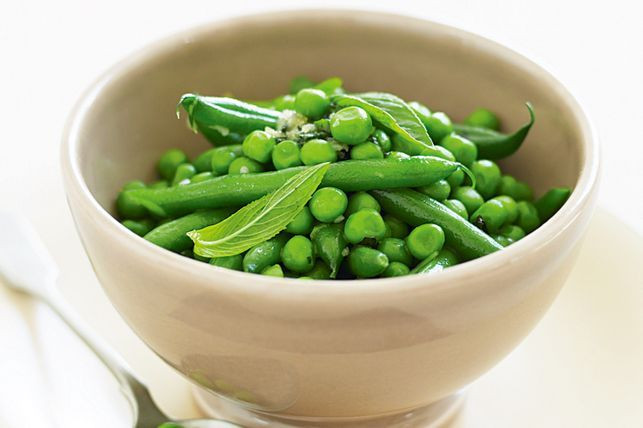
Protein: 9g per cup.
Fat: 0.4 g.
Unlike oval or kidney-shaped beans and round, flat lentils, peas are small, smooth, and uniformly sized spheres. While beans and lentils come in a variety of colors, peas are typically green or yellow. Steam shelled peas for a quick vegetarian dish or add frozen peas to soups, stews, or rice dishes for extra protein.
Quinoa
Protein: 8g per cup.
Fat: 4 g.
Quinoa is a plant-based protein and a whole grain. It is also gluten-free and provides a variety of vitamins and minerals.
Peanut butter powder
Protein: 8g/2 tablespoons.
Fat: 2 g.
Nuts are rich in heart-healthy fats, but for a lighter option, try peanut butter powder, which is roasted peanuts ground into a powder without the oil.
Egg
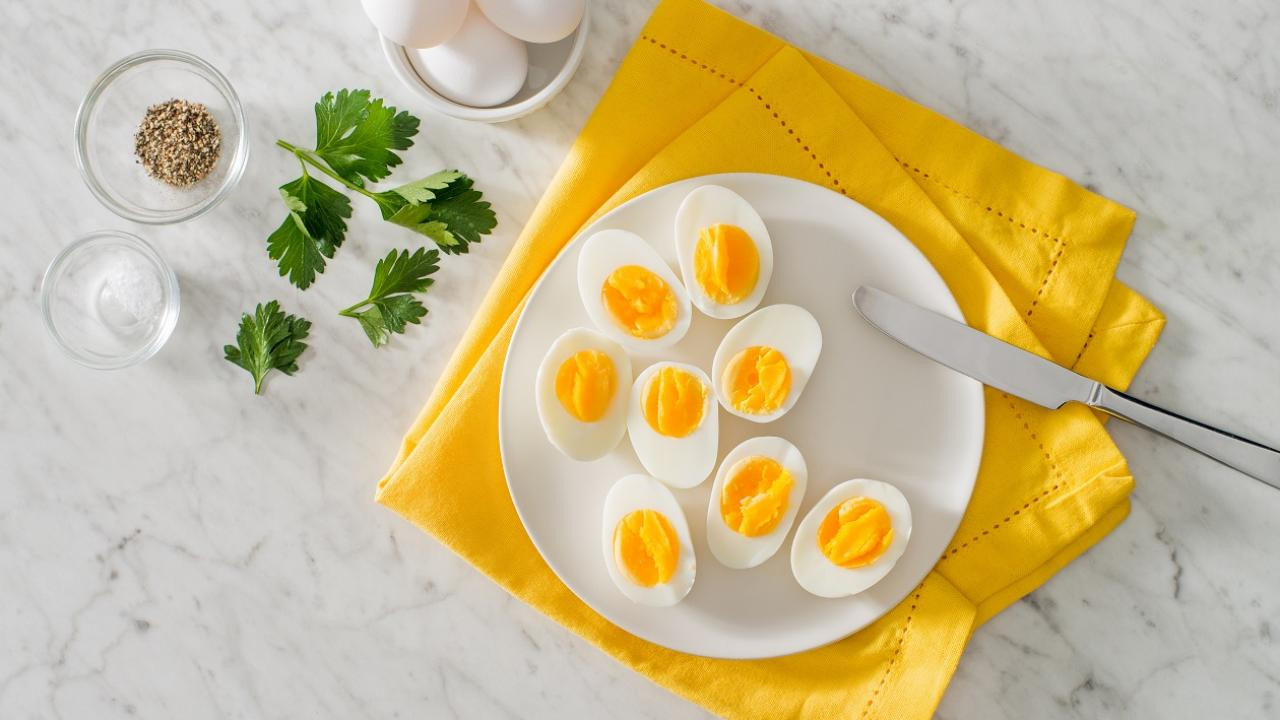
Protein: 6g per large egg.
Fat: 5 g.
Egg protein, found in both egg whites and yolks, has been shown to protect musculoskeletal health and reduce calorie intake at subsequent meals. Fats, vitamins, and minerals are concentrated in the yolk. It's best to eat the whole egg to obtain all these essential nutrients.
Although eggs contain fat and cholesterol, eating them in moderation has not been linked to heart disease.
Lean chicken
Protein: 27g per 100g of boneless, skinless chicken breast.
Fat: 3 g.
Chicken is a healthy source of animal protein. It also provides a good amount of B vitamins and certain minerals like selenium and phosphorus. Choose lean cuts of chicken, such as skinless chicken breast or tenderloin, and trim away any visible fat.
Turkey
Protein: 26 g per 100 g.
Fat: 2 g.
Turkey provides protein and nutrients and is especially rich in tryptophan, an amino acid that helps your body produce chemicals that signal your brain it's time to sleep.
Lean pork
Protein: 22 g per 100 g.
Fat: 4 g.
Lean pork is a good source of protein without the high fat content of pork tenderloin. In addition to protein, pork also provides a significant amount of B vitamins, selenium, and zinc.
Avoid frying pork and opt for healthier cooking methods like grilling or boiling to retain its leanness.
Lean beef
Protein: 23 g per 100 g.
Fat: 2-6 g.
Some cuts of beef are good sources of lean protein, such as round steak and top tenderloin. Beef also provides valuable nutrients like iron, zinc, and B vitamins.
Avoid deep-frying beef and opt for healthier cooking methods such as grilling and pan-frying.
Tuna
Protein: 22-25 g.
Fat: 0.5-1 g.
Tuna provides B complex vitamins, vitamin A, vitamin D, iron, selenium, phosphorus, and essential fatty acids. Canned tuna in brine, skipjack tuna, and yellowfin tuna are low in fat and provide more than 20g of protein.
Salmon
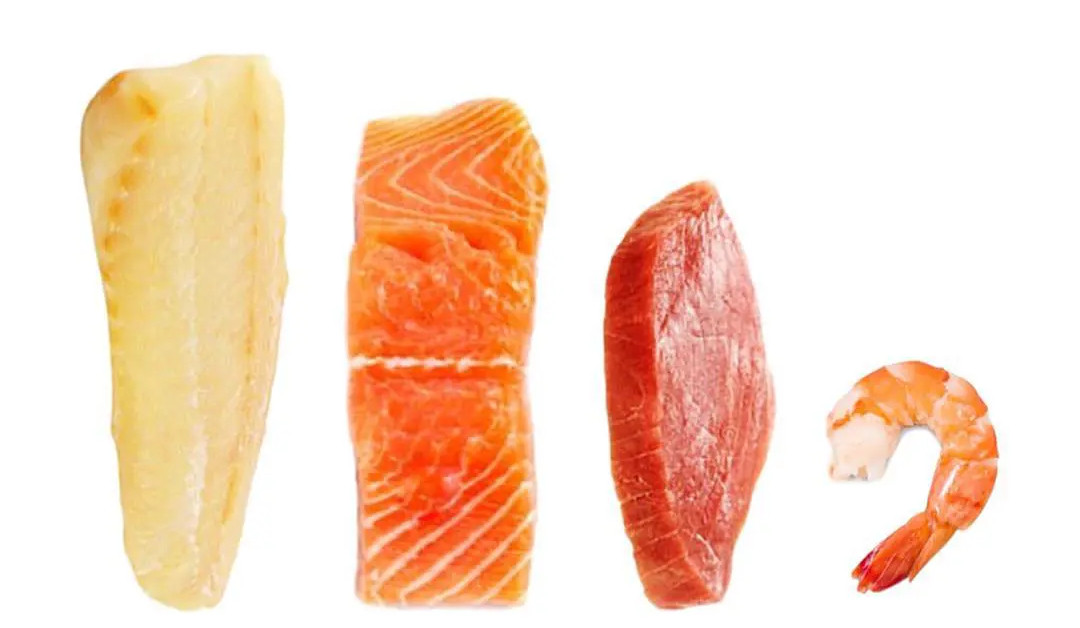
Protein: 17-19 g per 100 g.
Fat: 4-5 g.
Salmon provides protein, heart-healthy omega-3 fatty acids, and various other nutrients. Salmon can be grilled or fried.
Whitefish
Protein: 12-20 g in a serving of approximately 100 g.
Fat: 0.4-1.7 g.
While salmon and tuna are known for their high omega-3 content, other types of fish also provide omega-3s, protein, and other nutrients. Lean fish include white fish such as cod, pollock, and tilapia.
Shrimp
Protein: 20g per serving of approximately 100g.
Fat: 0.5 g.
Shrimp is a good source of protein and nutrients such as vitamin B12, phosphorus, and choline. It is low in fat and high in healthy omega-3s.
Protein-rich pasta
Protein: 25-43 g per 100 g.
Fat: 0.9-6 g.
The world of pasta has expanded far beyond traditional wheat-based options. Today's varieties include high-protein choices made from plant-based proteins such as soy, lentils, and chickpeas.
Protein-rich pasta comes in many different varieties, each with its own unique flavor and texture, so experiment to find the one that suits you best.
Protein-rich grains
Protein: 11-15g per serving (1 to over 1 cup).
Fat: 1.5-1.7 g.
Whey protein or soy protein is often added to high-protein cereals to increase protein content. They can vary greatly in composition and nutritional information, but look for those that list protein on the label. Compare nutrition information labels and choose those with more fiber and less added sugar.
Enhance your cereal with protein-rich milk and add fruits and nuts to boost fiber and healthy fats.
Recommended macronutrient intake
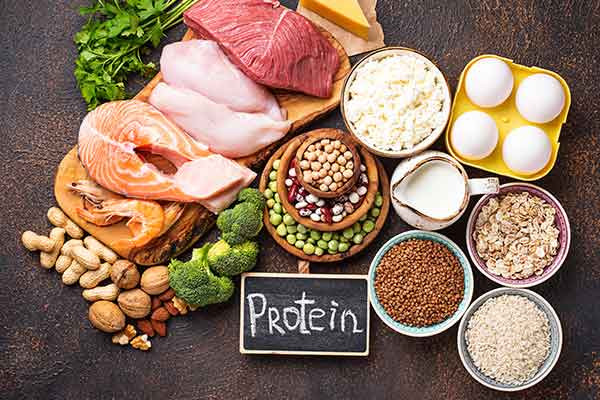
Individual recommendations for macronutrient intake vary widely and depend on factors such as age, weight, activity level, and health status.
The recommended protein intake is 10-35% of calories, and the recommended daily intake of 0.8 g per kg of body weight is the minimum to prevent deficiency. However, research suggests that a daily intake of 1.2 g/kg can slow age-related muscle and bone loss. Other studies report that healthy adults can tolerate daily intakes of 2 g/kg or more.
The recommended intake of fat is 20-35% of daily calories, and for carbs, it's 45-65% of daily calories.
You should consult your doctor or a nutritionist for personalized recommendations.


