
Vitamins that help brain development
Just like the heart, lungs, or muscles, the brain needs nutrients to nourish and function, so how do you choose foods that help your brain function well?
 |
| These superfoods, rich in vitamins, omega fatty acids, and antioxidants, help protect and enhance brain function. |
Eat fish oil
Fish oil, containing EPA and DHA, is easy to use. Fish oil is made from salmon, mackerel, herring, sardines, pilchards, and kippers. According to studies, diets with low DHA levels are at a higher risk of developing Alzheimer's disease.
Blueberries
A study by the University of Cincinnati (USA) also indicated that older adults may improve their memory after consuming blueberry juice daily. Researchers concluded that this result is due to the antioxidants and anti-inflammatory compounds known as anthocyanins found in blueberries.
The antioxidant effects of blueberries may also help prevent cardiovascular disease. Researchers at the University of Arkansas (USA) found that laboratory mice fed blueberry powder had healthier cardiovascular systems.
Vitamins
There is evidence that lycopene, a powerful antioxidant found in tomatoes, may help protect against the types of cell damage that lead to dementia, particularly Alzheimer's disease.
Certain B vitamins—B6, B12, and folic acid—are known to reduce homocysteine levels in the blood. High homocysteine levels are associated with an increased risk of stroke, cognitive decline, and Alzheimer's disease. One study in a group of elderly patients with mild cognitive impairment found that after two years of intervention with high doses of B6, B12, and folic acid, they experienced less brain shrinkage compared to placebo.
Nuts
 |
Boosting brain function: Gluten in pumpkin seeds acts as a nerve tonic, aiding metabolic reactions in nerve and brain cells. Therefore, pumpkin is considered a brain-boosting food, treating nervous exhaustion and developmental delays in children.
The American Epidemiologysuggests journal states that foods rich in vitamin E can help prevent cognitive decline, especially in older adults. Additionally, leafy green vegetables, asparagus, olives, nuts, eggs, brown rice, and whole-grain rice are rich in nutrients that support brain development and stimulate cognitive function.
Walnuts are especially good for the brain. Studies have shown that the omega-3 fatty acids in walnuts help maintain structural fats, which make up 60% of the brain. These structural fats help the brain function properly. The brain is the body's processing center, and providing it with adequate nutrients will help improve memory and cognitive function.
Cashew
The magnesium in cashews helps relax nerves, blood vessels, and muscles. Studies have shown that magnesium helps reduce the frequency of migraine attacks, lower blood pressure, and help prevent heart attacks.
Chestnut
Helps keep the heart healthy. With its high content of unsaturated fats and rich source of vitamin E, which helps protect cells, chestnuts play an important role in protecting heart health. In addition, the high levels of fiber, calcium, magnesium, zinc, folic acid, and biotin in chestnuts also contribute to overall good health and reduced illness.
Millet
Millet contains more vitamins B1 and B2 than rice. The protein in millet is rich in tryptophan and methionine. Clinical observations have shown that eating millet can prevent aging and has a brain-boosting effect.
Corn kernels
Corn kernels contain many unsaturated fatty acids such as linoleic acid, which protect cerebral blood vessels and reduce blood lipids. In particular, the high glutamine content in corn helps support brain cells. Eating corn regularly, especially young corn, also has a beneficial effect on brain health.
Walnut
Walnuts have been hailed as a fruit that reverses aging. When using them, the dose should be gradually increased. Start with one walnut a day, then add one every five days, and so on until you reach 20 walnuts, then start again. This method of use will help improve appetite and sleep, keep the mind alert and sharp, give the skin a radiant glow, make hair black and shiny, and improve blood circulation.
Pistachios
The abundant amount of vitamin B6 in pistachios has a powerful effect on the nervous system. Amino acid molecules, which are responsible for transmitting information, require vitamin B6 to function properly.
Furthermore, vitamin B6 plays a crucial role in the formation of myelin—the sheath surrounding nerve fibers that allows for optimal signal transmission between nerves.
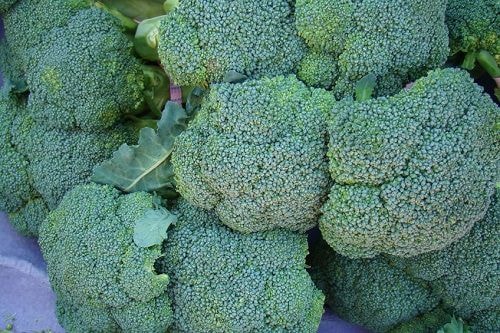
Broccoli
Broccoli is rich in choline, a substance that promotes brain and nervous system cell development. One study showed that choline deficiency during pregnancy can lead to neural tube defects in the fetus. Broccoli also contains vitamin K, which helps improve cognitive function and memory.
An excellent source of vitamin K, known to boost cognitive function and enhance intellectual capacity.
If your diet is difficult to balance, you can supplement with a complex multivitamin and mineral blend and an omega-3 fatty acid...which will help you get the necessary nutrients.
According to Health and Life


