
Covid-19 symptoms can last forever.
Many patients still experience fatigue, shortness of breath, chest pain, and poor memory even after testing negative for SARS-CoV-2.
Shortly after the Covid-19 pandemic began, doctors made a worrying discovery: some patients tested negative after a short period of treatment, but they did not feel better. This syndrome is known as "long Covid."
Scientists and patient support groups are working together to find the causes of this condition in order to develop effective treatments. Below are some symptoms of prolonged COVID syndrome:
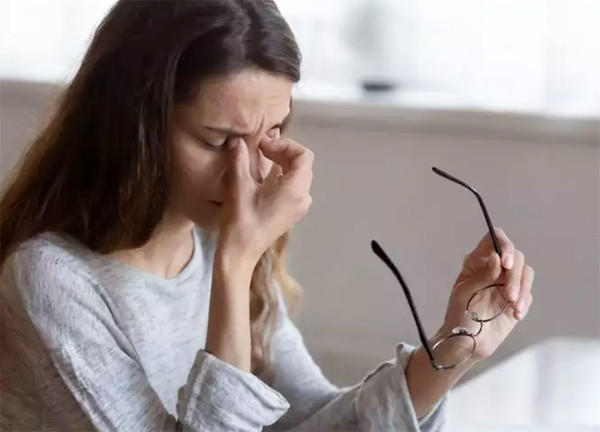
Tired
 |
| Illustrative image. |
This condition is common in patients during their recovery. However, some people report experiencing fatigue of varying degrees for months, making it difficult for them to perform daily tasks.
This is the most common manifestation of prolonged COVID-19 syndrome, causing patients to become exhausted and weak even with minimal exertion.
Brain fog
Confusion or difficulty concentrating are symptoms of brain fog. According to estimates from the U.S. National Institutes of Health, up to 30% of people who have had Covid-19 experience neurological or psychiatric symptoms. Researchers are not entirely sure why this is the case.
Currently, the two leading hypotheses are that Covid-19 causes encephalitis or that the SARS-CoV-2 virus reduces oxygen and blood flow to the brain, causing damage.
Shortness of breath
According to the Johns Hopkins Medicine healthcare system (USA), Covid-19 can cause scarring and other problems in the lungs. Even mild cases can potentially cause persistent shortness of breath or difficulty breathing even with mild exertion.
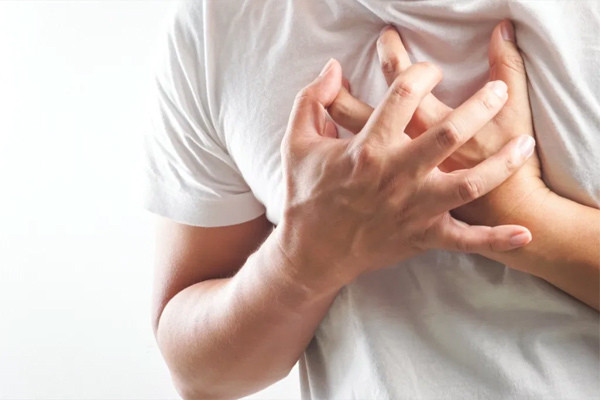
Chest tightness
 |
| Illustrative image. |
There has been much information suggesting that Covid-19 may cause myocarditis. This condition is also associated with another type of chest pain that can be persistent. Costochondritis is inflammation of the cartilage that connects the ribs to the sternum.
Autonomic nervous system disorders
Disruptions in the brain-nerve communication system have been observed in some Covid-19 patients who have tested negative. Symptoms include respiratory, sleep, and digestive problems; headaches; numbness in the hands and feet; shortness of breath causing anxiety; and an increased heart rate.
Cardiovascular problems
Covid-19 can cause some people to develop heart conditions, including myocarditis. This can occur even in people who have only had mild Covid-19 and no underlying health conditions.
A study has shown that 60% of people recovering from Covid-19 have signs of myocarditis, leading to common symptoms such as shortness of breath, palpitations, and rapid heartbeat.
Orthostatic tachycardia
Feeling dizzy, faint, or experiencing a rapid heartbeat when changing from a sitting to a standing position is called orthostatic tachycardia syndrome (POTS).
Doctors are unsure why people who have recovered from Covid-19 are developing this syndrome, but the phenomenon is not new.
Patients may develop orthostatic tachycardia syndrome after viral illness, severe infection, pregnancy, and trauma such as head injury.


