
How to supplement vitamin C to avoid waste and optimize benefits.
Many people mistakenly believe that the more vitamin C they consume, the better, but the body can only absorb a certain amount. Excessive supplementation is wasteful and can be harmful to health. To optimize the benefits, you need to understand and use vitamin C appropriately.
Misconceptions about vitamin C supplementation
Vitamin C is a common micronutrient that helps boost immunity and acts as an antioxidant, and is supplemented daily to keep the body healthy. However, not everyone fully understands the properties of vitamin C, leading to misunderstandings during its use.
A common misconception regarding dosage is that the more vitamin C you take, the better. The body only absorbs a certain amount of vitamin C, and any excess is excreted in the urine. Furthermore, there is no evidence to suggest that using higher doses of vitamin C increases effectiveness compared to the recommended dosage.
According to studies published by the NIH (National Institutes of Health), the maximum recommended daily intake of vitamin C is 2,000mg. Exceeding this limit can cause digestive disorders with symptoms such as diarrhea and nausea.
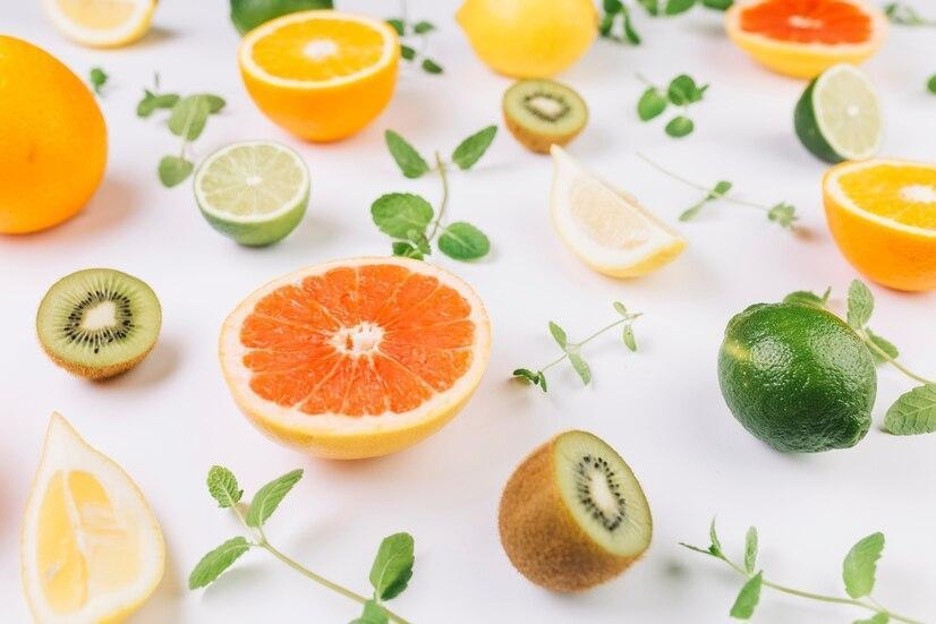
You shouldn't consume more than 2,000mg of vitamin C per day. (Image: Freepik)
Another common misconception concerns the timing and use of vitamin C. Many people believe that taking vitamin C at any time of day is effective. However, according to the Cleveland Clinic—a leading non-profit academic healthcare system worldwide—vitamin C is best absorbed when taken on an empty stomach.
Furthermore, many people believe that taking a high dose of vitamin C once a day is sufficient, but in reality, the body needs to maintain balanced levels of various substances. A sudden increase in the concentration of any one substance can be detrimental to health.
Vitamin C is easily absorbed but also quickly eliminated. Therefore, if a high dose is taken all at once, the amount of vitamin C that the body cannot absorb will be quickly excreted. This not only makes absorption inefficient but also wasteful.
Things to keep in mind when taking vitamin C.
Pay attention to the dosage to ensure you supplement just the right amount.To maximize the benefits of vitamin C supplementation, it's essential to understand how to properly obtain this micronutrient. According to the health website WebMD (USA), the maximum daily vitamin C intake for adults is 2,000mg, while the safe daily intake is 500mg.
Therefore, you need to pay attention to the recommended dosage to ensure you get the right amount of vitamin C for your body, avoiding excess. In particular, you should consult a doctor if you are unsure about your own vitamin C needs.
Break down your daily vitamin C intake into smaller portions to avoid waste:To help your body absorb vitamin C more easily, you should consider dividing your daily vitamin C supplement dose into smaller portions. You can get vitamin C through smaller meals with foods rich in vitamin C such as peas, kiwi, kale, red peppers, strawberries, papaya, pineapple, etc.
If you have a busy lifestyle and your meals don't provide enough vitamin C, you might consider taking vitamin C supplements. Especially good are vitamin C products with extended-release technology that provide a consistent supply of vitamin C throughout the day, lasting up to 8 hours.
Thanks to this mechanism, vitamin C is released slowly in the stomach, distributing the vitamin C evenly over time and maintaining a stable concentration. This helps the body absorb and utilize vitamin C more effectively, while also soothing the stomach and minimizing the risk of stomach pain and diarrhea.

Acerola cherry contains a high amount of vitamin C naturally. Photo: Nutrilite
Take vitamin C on an empty stomach:Vitamin C is a water-soluble nutrient that is best absorbed when taken on an empty stomach. Therefore, you should consume foods rich in vitamin C or take vitamin C supplements in the morning, 30 minutes before a meal, or 2 hours after a meal. Avoid taking vitamin C with tea, coffee, or alcohol, and do not overcook foods containing vitamin C to optimize absorption.


