
How to identify clean rice noodles and those containing harmful preservatives.
Consumers can easily distinguish between clean rice noodles and those containing borax and other harmful preservatives using their senses.
Rice noodles are a traditional food and are frequently used in families and many restaurants. To ensure safety, consumers should carefully choose rice noodles that do not contain borax and other chemicals by following these simple tips:
The simplest way is to look at the color of the rice noodles. Noodles made from pure rice will have an opaque white or dark color. Conversely, noodles containing borax or chemical preservatives will be translucent white, bright, and have a glossy appearance.
Rice noodles that don't contain borax or other chemicals are slightly soft, easily broken, and feel a bit sticky and mushy to the touch. Rice noodles containing borax are firmer and more resilient, less prone to breaking. They don't feel mushy or sticky like rice flour because borax and other chemicals have been used to make them firmer and more resilient.
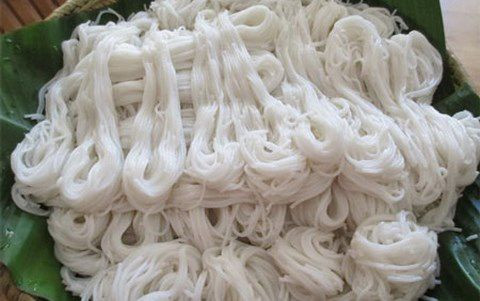 |
| Rice noodles without borax are opaque white or off-white, like grains of rice, and shorter. (Image: Internet) |
Besides observing the color of the rice noodles, consumers should also smell them to easily identify clean noodles. Typically, noodles that do not contain borax have a slightly sour, mild smell, not too strong. This is a completely natural sour smell from the rice soaking during the noodle-making process.
Rice noodles containing borax will not have the mild sour smell of soaked rice. If rice noodles are left in the market until the end of the day at high temperatures and do not have a sour smell, it is highly likely that borax and other chemicals have been used. This preservative is permitted but must be used within the allowed dosage.
Rice noodles that don't use borax or other chemicals will have a starchy texture and the taste of rice flour, similar to eating rice. Rice noodles that are left for too long or overnight will become sour and spoiled. Noodles that remain fresh for 2-3 days without spoiling and have no unpleasant taste when chewed are likely to have been treated with excessive amounts of borax and other chemicals. Testing them with turmeric powder will show the noodles turning gray.
Besides the warnings about borax contamination in rice noodles, the highly toxic chemical Tinopan (fluorescent) has also been detected in rice noodle production facilities. Although there are no test results confirming the presence of this chemical in rice noodle samples, consumers should be extremely cautious when choosing to buy rice noodles.
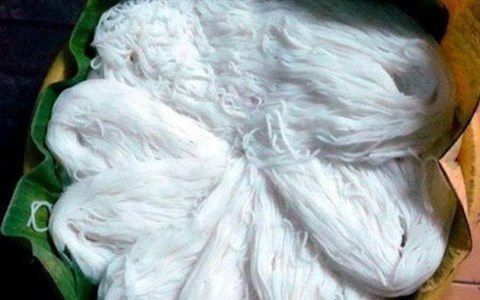 |
| Rice noodles containing borax are chewier, shinier, and smoother. (Image: Internet) |
According to experts, Tinopan is a chemical used in industry for bleaching paper, fabrics, etc., and should absolutely not be used in food. This chemical has a significant impact on health and affects the biosynthesis of nutrients in cells, especially protein synthesis. This leads to many disorders in the absorption process into the body, causing damage to the digestive tract, liver, and kidneys.
Notes on choosing and storing rice noodles: Consumers should buy rice noodles from reputable and trustworthy sources. When using rice noodles, blanch them in boiling water to make them tastier and safer. If using dried rice noodles, carefully check the origin, brand, and ensure the expiration date is clearly stated on the packaging.
According to Dan Tri


