
How to drink water properly in the summer.
Drinking water based on preference or need can cause certain harm to human health. So how can we drink water properly during hot weather?
The top summer drink
- Boiled and cooled water: Although it may taste bland due to the gases dissolved in the water being released during the boiling process, this can be remedied by shaking it vigorously once it has cooled.
- Tea: Green tea, in particular, is popular due to its pleasant aroma, health benefits, and thirst-quenching properties. Tea leaves contain tannins, caffeine, glucosides, a small amount of essential oils, vitamins, and minerals. The astringent taste of tannins in tea has a beneficial effect on the mucous membrane of the digestive tract, inhibiting putrefaction and creating favorable conditions for beneficial bacteria in the gut to thrive.
The vitamin C content in fresh tea leaves is four times higher than in orange juice or lemon juice. Furthermore, the vitamin P in green tea—flavonoids—reduces capillary permeability, increasing the strength and flexibility of blood vessels. Tea also contains minerals, including trace elements such as iron, iodine, copper, and fluoride, in easily soluble compounds, which are essential for the body.
- Fruit juice: Fruits rich in vitamin C, carotenoids, and other active substances, vitamin P, and organic acids (such as citric acid, tartaric acid, malic acid, etc.) give the fruit its sour taste, quenching thirst and stimulating the body to secrete digestive juices. The vitamin C content in oranges and lemons is quite high (40 mg%) and very stable. The amount of carotenoids in some fruits is also quite high. From the fruit, syrups and carbonated drinks can be made. Due to their inherent acidity and high sugar content, syrups also help quench thirst and boost energy.
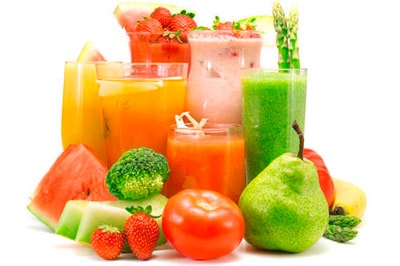
The sour taste of the fruit has a refreshing effect and stimulates the body to secrete digestive juices.
- Centella asiatica (Gotu Kola): The protein content in Centella asiatica is comparable to that of water spinach, and the vitamin content is somewhat higher. The calories provided by Centella asiatica are also significantly higher than other vegetables (21 calories per 100g). Centella asiatica is still used as a medicinal herb to cleanse the liver, detoxify, promote urination, treat rashes, and quench thirst. It is best to wash Centella asiatica thoroughly and then juice it for drinking.
Drink water properly.
- Drink warm water: Some people prefer drinking ice water, although drinking too much cold water can cause digestive discomfort, cramps, or even diarrhea. Conversely, some people prefer drinking hot water. Drinking water that is too hot can damage the esophageal lining and stimulate mucosal proliferation, potentially leading to esophageal cancer. Therefore, when drinking water, the temperature should not be too hot or too cold. The most suitable temperature is 10 to 30 degrees Celsius.
- Drink water as slowly as possible: When feeling thirsty, many people immediately drink a full glass. However, they don't realize that this way of drinking is not good for their health and can have serious consequences for their bodies. Firstly, drinking a lot of water in a short period of time will quickly dilute the blood and increase the burden on the heart. This is very dangerous if you have just exercised, run, or done strenuous work.
Secondly, on hot days, you sweat a lot, and drinking too much water in a short period will increase sweating and further deplete electrolytes like sodium and potassium. Therefore, you'll feel even thirstier. Thirdly, drinking too quickly can cause hiccups or bloating. The best way is to drink slowly and in small amounts; this is more effective at quenching thirst.
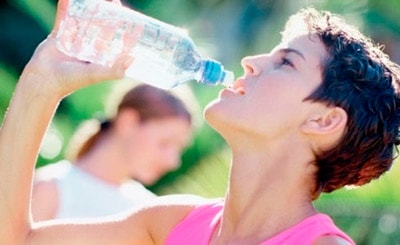
Drinking water slowly is good for your health.
- Everyone needs a different amount of water: Most people know they should drink about 8 glasses of water (equivalent to 2 liters) a day, as this provides the body with sufficient hydration, cleanses the intestines and stomach, and helps promote blood circulation. However, that's just a general recommendation; the actual amount of water a person needs depends heavily on factors such as weight, activity level, work environment, and certainly climate, which also significantly affects the body's water needs.
For a healthy person, the amount of water to drink can be determined by the color of their urine. Normal urine is yellow. Relatively dark urine means more water is needed, and clear urine means you're drinking too much. Patients should focus on drinking more water. For example, someone with a fever loses more water than usual. When you have a fever, your body temperature is higher and evaporation from the skin is also increased. Therefore, these people need to drink more water appropriately.
On hot days when you have to go outside, you should drink more water to compensate for the water lost through sweat. This not only helps prevent dehydration but also protects against heat-related illnesses. If you sit in an air-conditioned room all day, both your body and skin are affected by dehydration, so you need to drink even more.
According to TL (Vietnam Education) - PC


