
Be alert for transient dizziness or lightheadedness.
Dizziness and lightheadedness can be benign, but they can also be symptoms of more complex conditions such as anemia, cardiovascular disease, low blood pressure, etc., and pose many risks if not treated promptly, said Dr. Nguyen Ba Thang.
Many medical conditions can cause dizziness and lightheadedness.
After the age of 40, dizziness, lightheadedness, or feelings of faintness become more common in women's lives. Many women consider these symptoms normal and infrequent, so they often ignore them without treatment, leading to a negative impact on their quality of life.
Dizziness and lightheadedness are unpleasant sensations, a loss of balance, and a sign of physical instability. According to Dr. Nguyen Ba Thang, Deputy Head of the Neurology Department at the University Medical Center of Ho Chi Minh City, episodes of dizziness and lightheadedness often come on suddenly, causing a loss of balance. Many people feel dizzy, lightheaded, and their vision darkens when changing positions. In some cases, the dizziness worsens when turning the head to a certain position and subsides when turning back. After each such episode, many people often ignore this symptom.
The doctor said: "Dizziness and lightheadedness can be benign, but sometimes they can be symptoms of more complex conditions such as anemia, cardiovascular diseases, low blood pressure, dehydration or blood loss, neurological disorders, brain diseases, or stress, insomnia, nervous breakdown, depression... and pose many risks if not treated promptly."
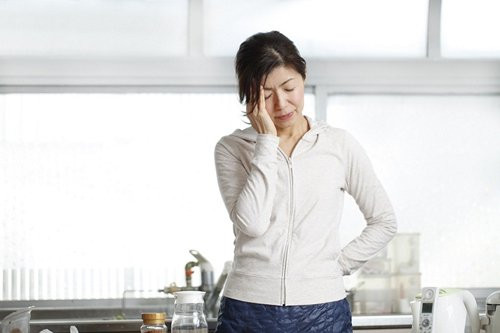 |
| Dizziness often comes on unexpectedly, causing discomfort and fatigue in women's lives. |
When experiencing dizziness or lightheadedness, patients should promptly seek appropriate treatment to help alleviate symptoms, stabilize their condition, and improve their overall health.
Dr. Nguyen Ba Thang shared that, depending on the specific illness, patients will have different ways to prevent and treat it, but generally, simple methods can be applied at home.
Prevent factors that worsen symptoms.
First and foremost, women need to give up harmful habits that easily lead to dizziness symptoms, such as avoiding prolonged sitting or standing, staying up late, reducing work stress, quitting smoking, and avoiding stress in both work and life.
In addition, women should also avoid sudden changes in posture, such as quickly standing up from a lying position or turning quickly from side to side. It is crucial not to drink alcohol while taking this medication, as this interaction can also cause dizziness and lightheadedness.
Maintain a healthy lifestyle.
Women need to ensure they have a balanced diet, get enough sleep, and that the quality of sleep is good. A varied diet with plenty of fresh vegetables and fruits, and adequate water intake are essential. Choosing blood-boosting foods like leafy green vegetables, seafood, and beef, combined with vitamin-rich fresh fruits, will improve blood circulation, eliminate dizziness, and promote restful sleep. Additionally, gentle exercise and proper rest also significantly contribute to reducing dizziness.
 |
| Fresh vegetables, beef, eggs, seafood, nuts, etc., are nutrient-rich foods that can help women reduce dizziness. |
Prompt consultation and treatment
According to Dr. Nguyen Ba Thang, symptoms like dizziness and lightheadedness that appear and disappear only briefly, or recur occasionally, are usually benign. However, when these symptoms persist and do not improve, they are often associated with dangerous medical conditions. Women should overcome their anxiety and fear and seek medical attention for a comprehensive check-up as soon as possible, along with timely advice and treatment.
"When necessary, the doctor will order tests and CT scans or MRI scans to help determine the cause," said Dr. Thang.
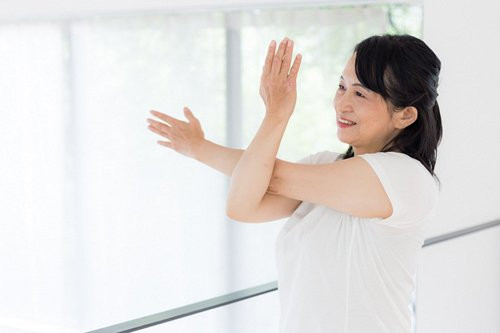 |
| Regular exercise and stress reduction are effective ways to alleviate dizziness. |
According to VNN
| RELATED NEWS |
|---|


