Law

Although only 2km long, this winding and treacherous slope on National Highway 48 makes even sleeper buses give up.

Tien Dong July 11, 2025 13:16

Bu Bai Pass (also known as Pu Pai) is one of the longest slopes on National Highway 48, connecting National Highway 1A to the northwestern communes of Nghe An province. However, due to its length, narrowness, and treacherous terrain, traffic through this slope is difficult. This is also one of the reasons why authorities have not yet been able to grant permission for sleeper buses to travel to the northwestern communes of Nghe An.
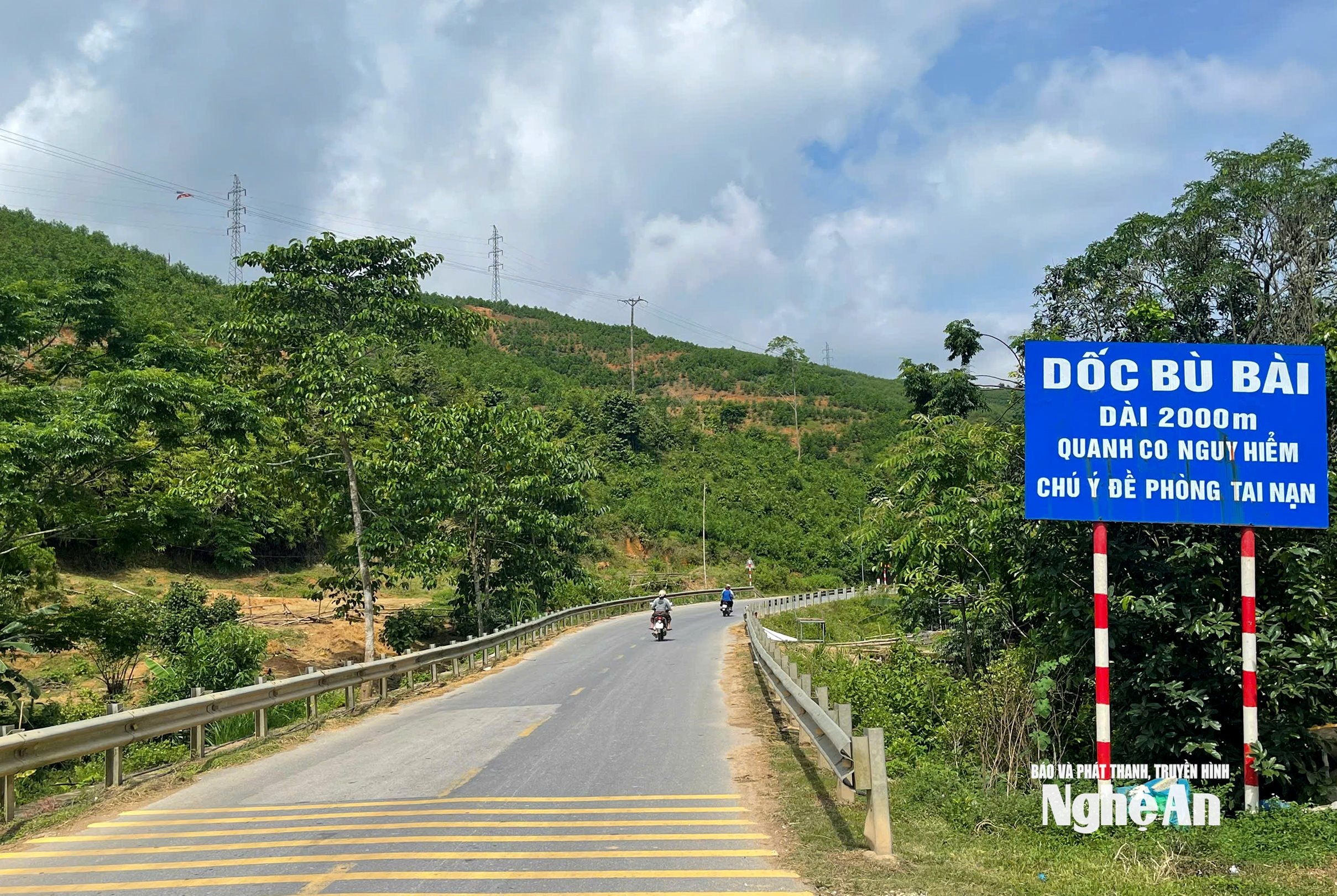
Panoramic view of Bu Bai slope. Video: Tien Dong
bna_1.jpg
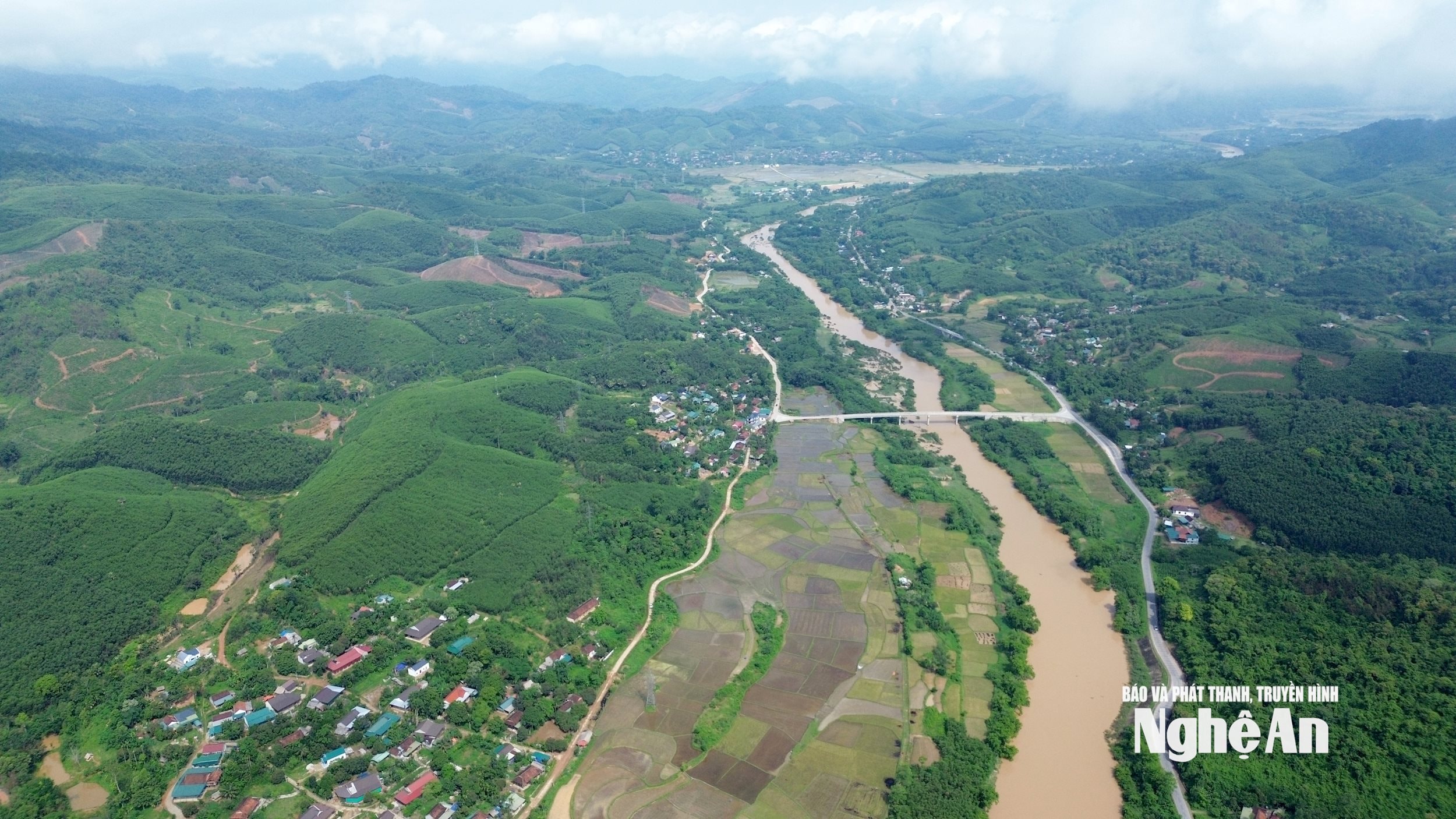
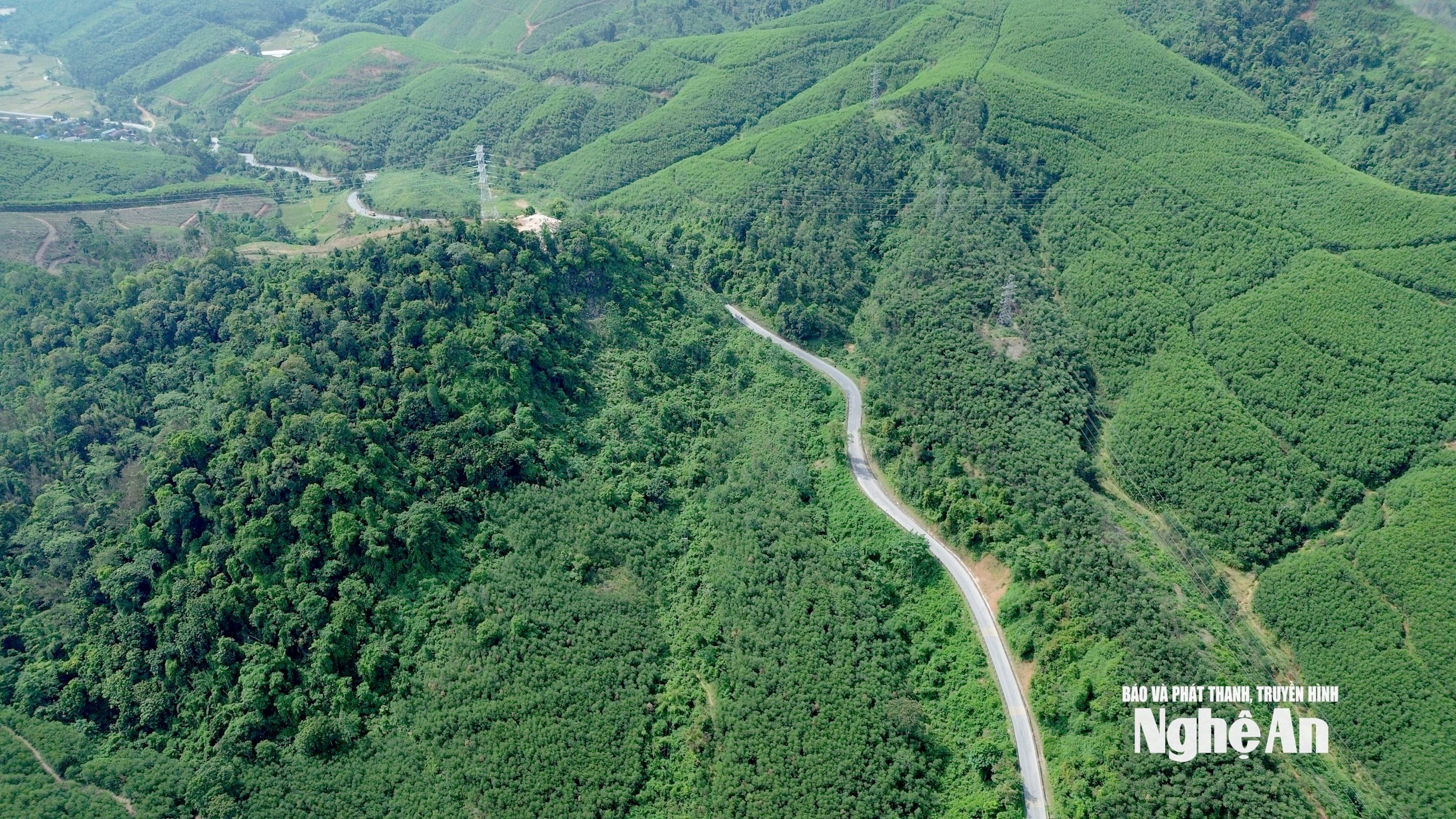
Bu Bai Pass, 2 km long, is located on National Highway 48 and marks the border between Quy Chau commune and Chau Tien commune (formerly part of Quy Chau district). Photo: Tien Dong
bna_13.jpg
To the east of Bu Bai slope lies Quy Chau commune (formed by the merger of Chau Hanh, Chau Hoi, Chau Nga communes and Tan Lac town). On sunny days, from the top of the slope, one can see the center of the former Quy Chau district. Photo: Tien Dong
bna_5.jpg
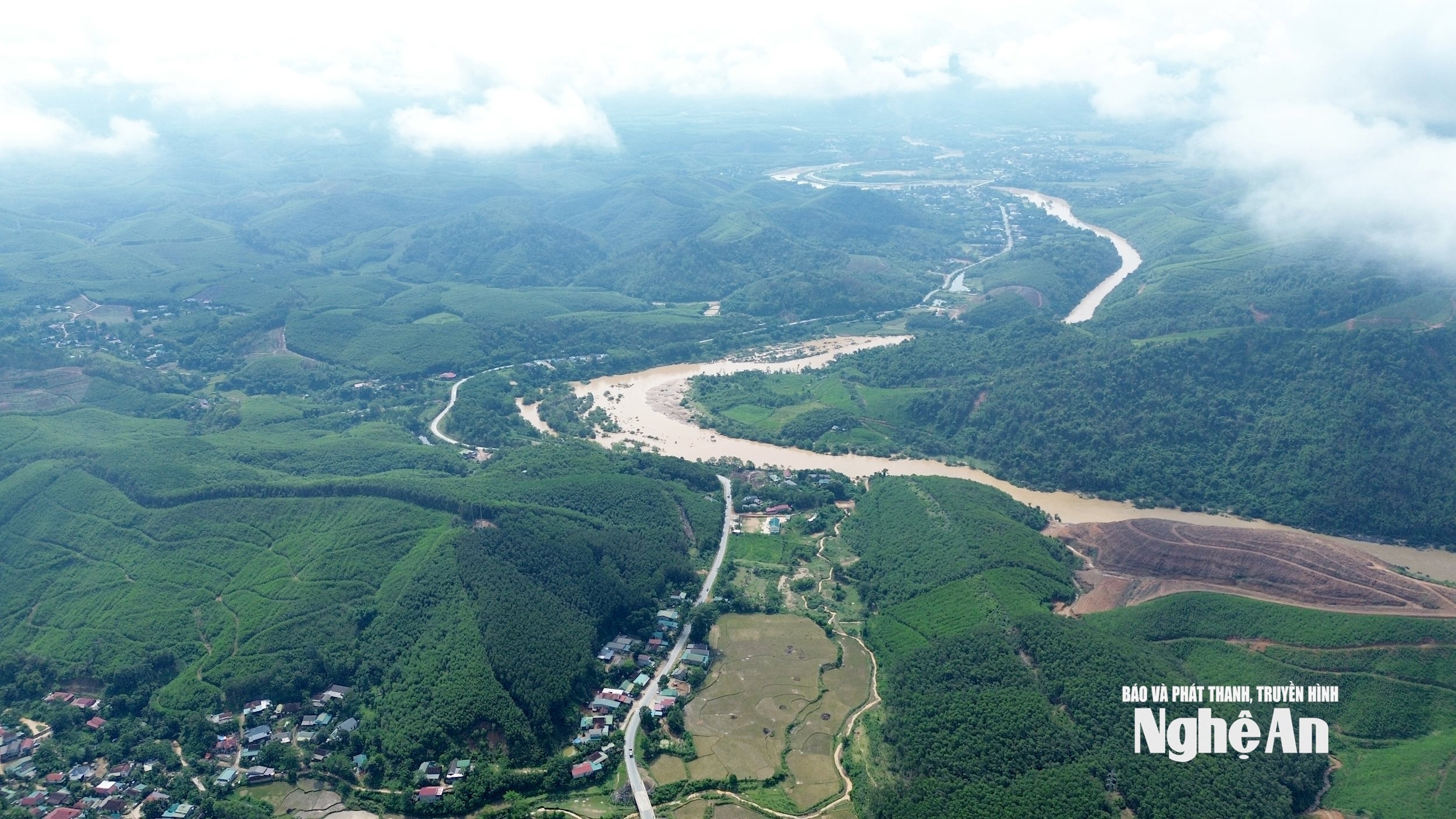
The western side of the former Bu Bai slope belonged to Chau Thang commune, now Chau Tien commune (formed by merging Chau Thang, Chau Tien, Chau Binh, and Chau Thuan communes). The photo shows National Highway 48 running along the Hieu River. Photo: Tien Dong
bna_8.jpg
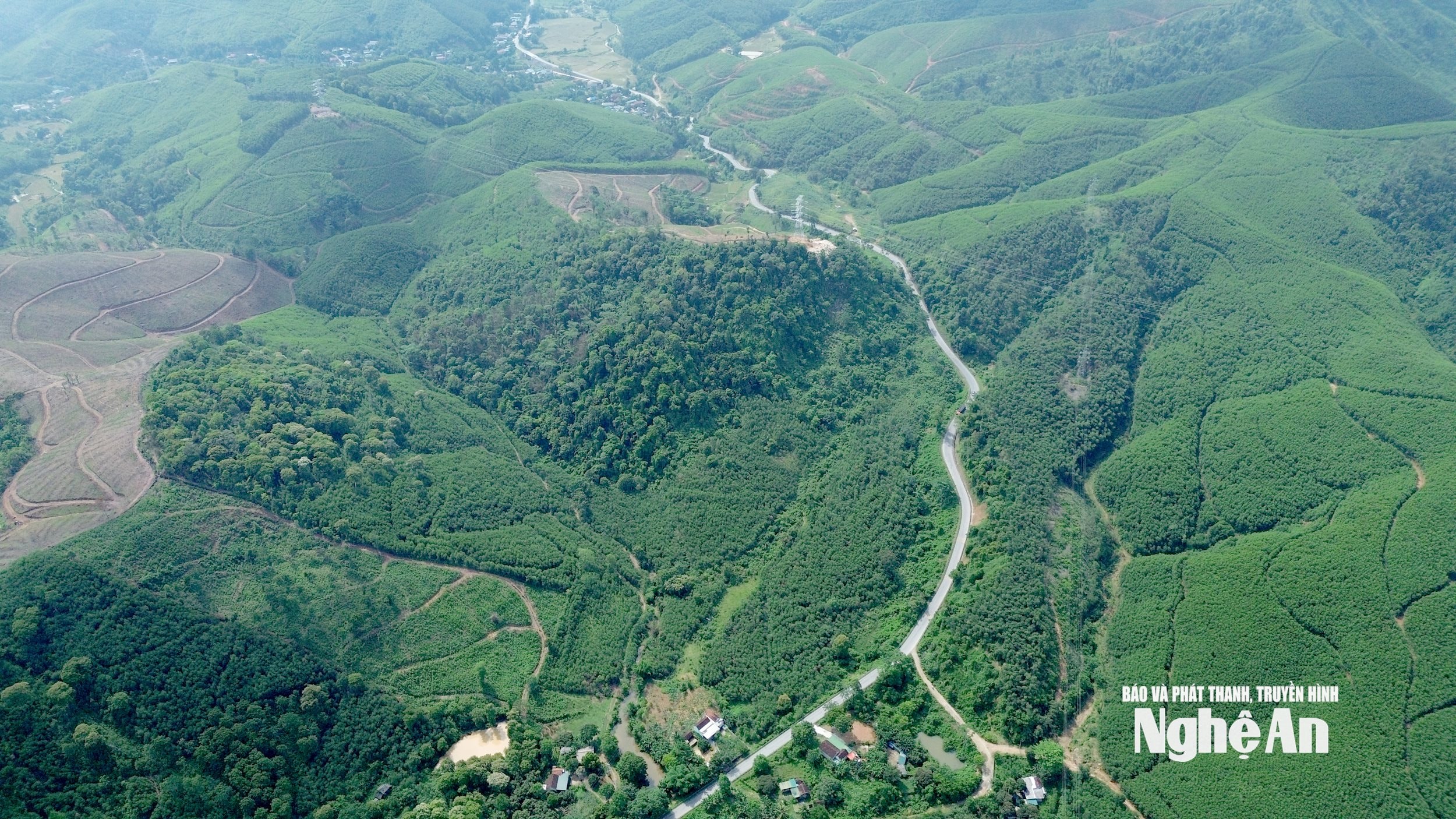
The Bu Bai Pass winds through the Bu Bai mountain range (locally known as Pu Pai). Although not very high, the pass is long and narrow, with many short bends, making traffic flow difficult. Photo: Tien Dong
bna_14.jpg
The most remarkable thing about this slope is that its summit is located exactly at kilometer 100 of National Highway 48, connecting National Highway 1A (at the Yen Ly intersection) to the Thong Thu Border Gate (Thong Thu commune). Photo: Tien Dong
Theo Địa chí huyện Quỳ Châu,
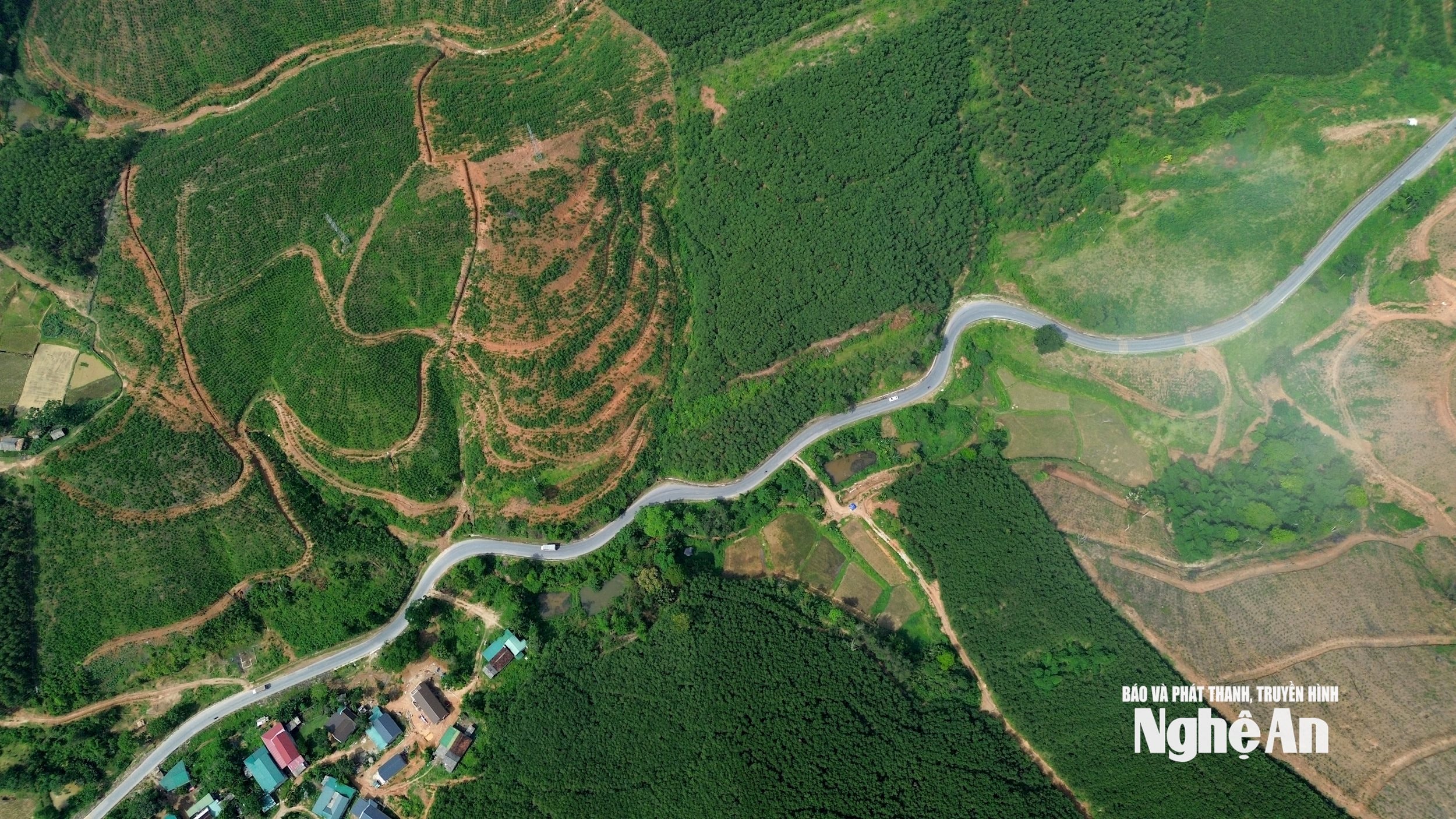
According to the former Quy Chau District Gazetteer, Kilometer 100 is located right in the middle of the Bu Bai mountain peak, dividing the Bu Bai slope into two topographic lines: Upper Bu Bai and Lower Bu Bai. The upper Bu Bai limestone mountain ranges are located in the communes of Chau Thang, Chau Tien, Chau Binh, and Chau Thuan (now Chau Tien commune); while the lower Bu Bai limestone mountain ranges connect the communes of Chau Hanh, Chau Hoi, and Chau Nga (now Quy Chau commune) and border the Nhu Xuan area (Thanh Hoa). Photo: Tien Dong
bna_20.jpg
Due to the long, narrow, and small slope of this road, and because National Highway 48 does not meet the required standards, sleeper buses cannot yet pass through here to reach the northwestern communes of Nghe An province (according to regulations, double-decker sleeper buses are not allowed to operate on mountainous roads of class IV and V). Photo: Tien Dong
bna_33(1).jpg
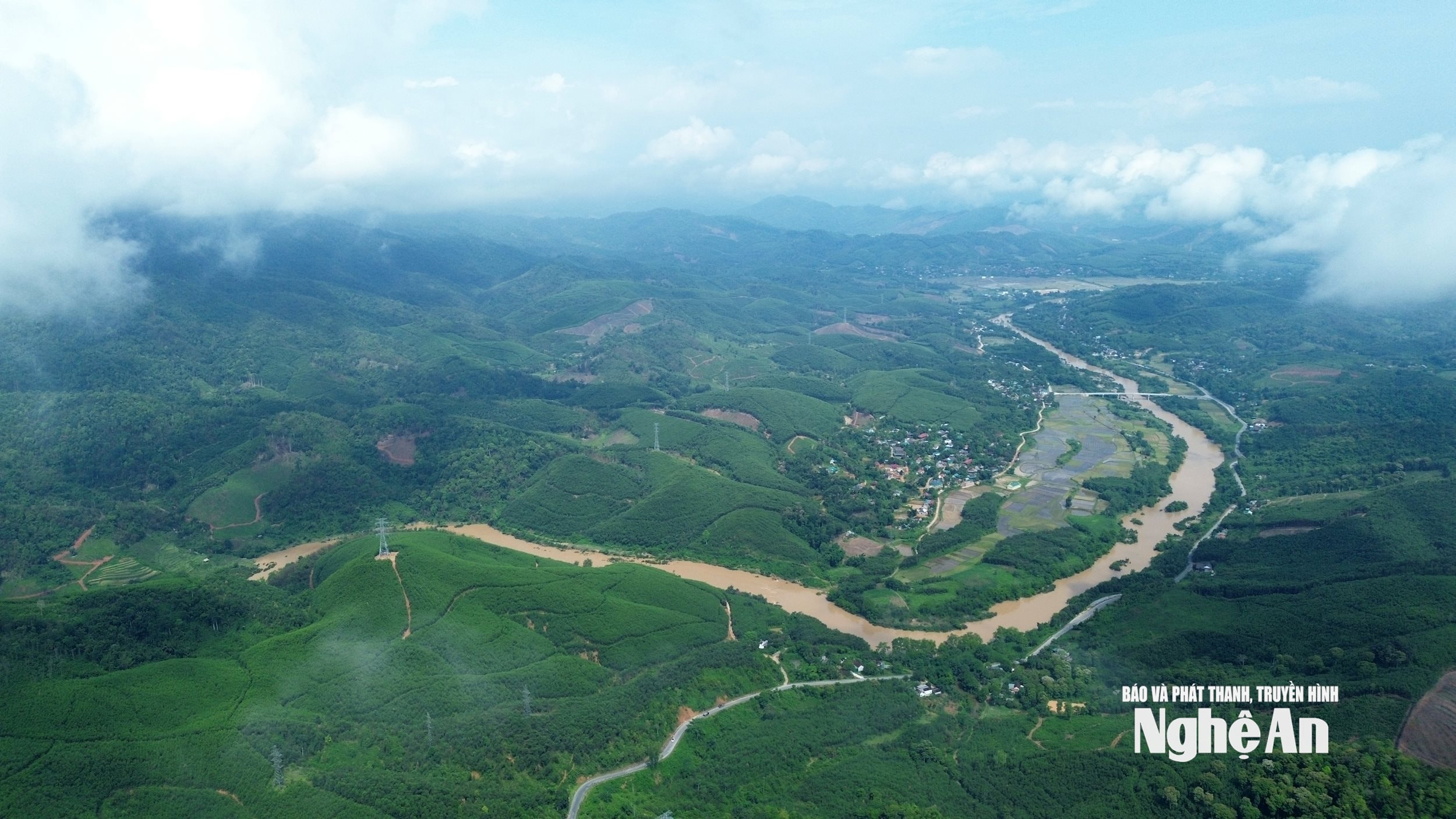
The Bu Bai Pass, running through Bu Bai Mountain, is not merely a transportation infrastructure but also holds significant cultural and historical value. According to our research, in 1973, 1975, and 1977, Vietnamese archaeologists and some foreign experts conducted investigations and collected paleontological and human remains in over 40 caves in both upper and lower Bu Bai, some of which have been officially excavated. In the photo, the Hieu River meanders through the peak of Bu Bai Mountain. Photo: Tien Dong

Featured in Nghe An Newspaper

Latest

x
Although only 2km long, this winding and treacherous slope on National Highway 48 makes even sleeper buses give up.
Google News
POWERED BYFREECMS- A PRODUCT OFNEKO