
The first victory on the land and sky of Nghe An.
(Baonghean.vn) - Nghe An is a strategically important area in the confrontation with the US Air Force, especially with the "Superfortress B-52". In that historic confrontation, some units in this region achieved initial victories.
MiG-21 sortie at Coconut Airfield
Colonel Vu Dinh Rang (born 1945) is known as the first Vietnamese pilot to shoot down and damage a US B-52 bomber. This achievement is closely associated with the land and skies of Nghe An province. Nearly nine years ago, during a visit to Dua Airfield in Tuong Son commune, Anh Son district (Nghe An province) to revisit the old battlefield, he recounted to the local people his heroic feat of shooting down and disabling a US B-52 bomber.
 |
Colonel and pilot Vu Dinh Rang (center) visits a cave where fighter planes were hidden at Dua Airfield, Tuong Son commune, Anh Son district (Nghe An). Photo courtesy of Cong Kien. |
In 1969, the US used B-52s to drop bombs on key transportation points along the route.Truong Son roadThis caused us significant losses. The Ministry of Defense and the Air Force were determined to use MiG-21 fighters to shoot down B-52s. A 13-person night flight squadron, including pilot Vu Dinh Rang, was deployed to Zone 4 to study how to attack B-52s, directly observing enemy aircraft formations flying at an altitude of 10 km using binoculars to develop a combat plan.
“On the night of November 20, 1971, there was an alert about B-52s violating the airspace of Zone 4. The fighter crew at Dua Airfield was ordered to be ready for combat. The first MiG-21 to take off, piloted by Hoang Bieu, was detected by enemy radar, so the B-52 group returned to Thailand,” recalled pilot Vu Dinh Rang.
 |
Pilot Vu Dinh Rang, the first person to shoot a B-52 out of combat, recounts the sortie from Dua Airfield on the night of November 20, 1971. (Photo: Cong Kien) |
He continued: “About 15 minutes later, the duty crew received another report that B-52s had appeared from the direction of Thailand. This time, I was ordered to sortie. Following the tactics we had been trained in, I piloted my MiG-21 very low, following closely behind.”Da Hue mountain range"At low speed, to avoid veering out to sea. Upon reaching the airspace over Quang Binh, we received orders from the Ground Command to jettison the auxiliary fuel tanks and increase speed to higher altitude."
Vu Dinh Rang flew towards the B-52 and switched on his radar, detecting the target at approximately 6 km. At this distance, using air-to-air missiles would be ineffective, so he decided to continue approaching the target. Despite being detected, he remained calm, maneuvering his MiG-21 to closely track the B-52. When the distance was only 2 km, he pressed the launch button. The missile left the launch pad, flew directly into the target, and exploded.
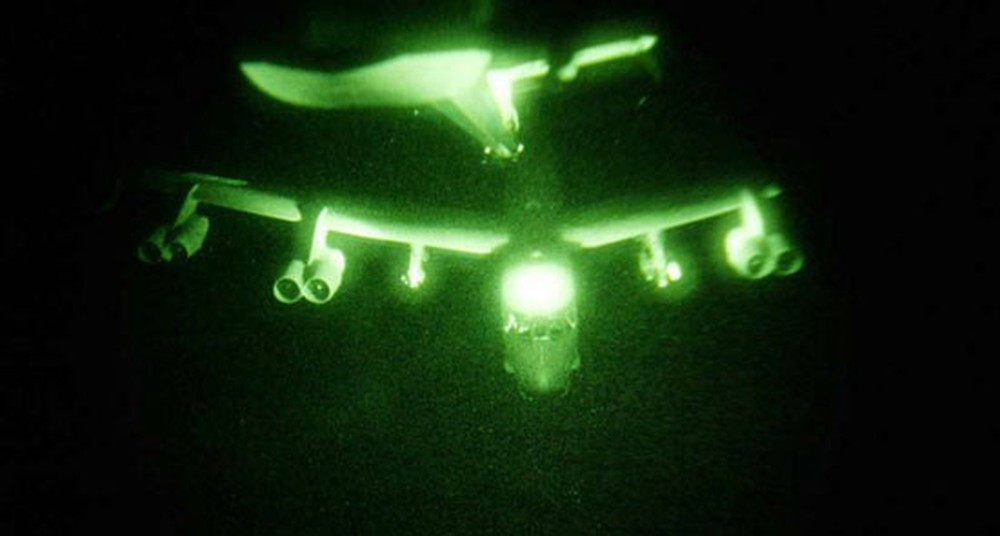 |
A US B-52 strategic bomber during a night flight. (Archive photo) |
Vu Dinh Rang immediately accelerated, disengaged to a higher altitude, and returned to land at Dua Airfield amidst the joy and excitement of his comrades. Later, according to US Air Force documents, the B-52 hit by Vu Dinh Rang's missile had one engine damaged but still managed to "crawl" back to Thailand, though it could not be repaired and was removed from the war. Therefore, the US Air Force still considers him the first person to shoot down a B-52.
Noise lines on Sy Hill
Exactly 10 years ago, we had the opportunity to speak with Colonel Nghiem Dinh Tich - former Head of Radar Station 45 - the first unit to detect B-52 aircraft entering Hanoi during this historic campaign.
He recounted: "During those days, the US Air Force continuously sent false signals, jamming our radar station systems. The Radar Division Command ordered all units to enter Level 1 combat readiness. By 7 PM on December 18, 1972, the entire division was prepared to the highest level of combat readiness."Ministry of Defence"The military branch and division commanders continuously sent telegrams to units informing them of the situation, instructing them to monitor and closely track airborne targets, especially to detect B-52 aircraft as early as possible."
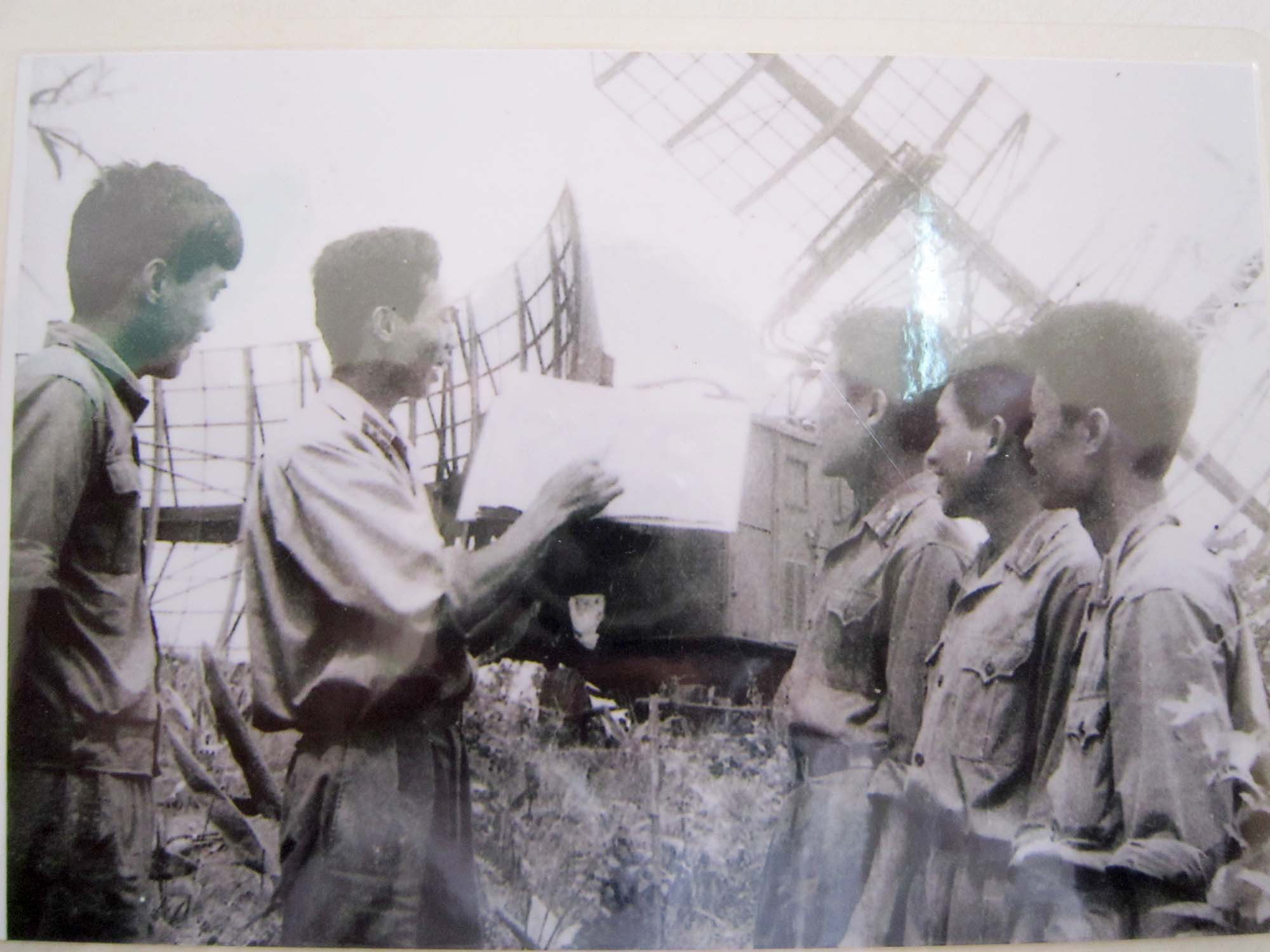 |
Officers and soldiers of Radar Station 45 (291st Regiment) deploying operational plans. (Archival photo) |
At 6:50 PM on December 18, 1972, Company 45 of the 291st Radar Regiment, stationed on Sy Hill in Thuan Son commune (Do Luong district), detected and reported: "B-52 aircraft are heading towards Hanoi!" Prior to this, Radar Station 16 in Thanh Hoa had also suspected enemy aircraft attacking Hanoi from the southwest, but did not dare confirm it.
Information from Company 45 was quickly relayed to the Air Force Command Headquarters 35 minutes in advance.Air Defense - Air ForceThe missile battalions were immediately ordered to track the flight paths and distances of enemy aircraft in order to destroy them. As a result, on the night of December 18, 1972, the missile troops shot down 8 enemy aircraft, including 3 B-52s.
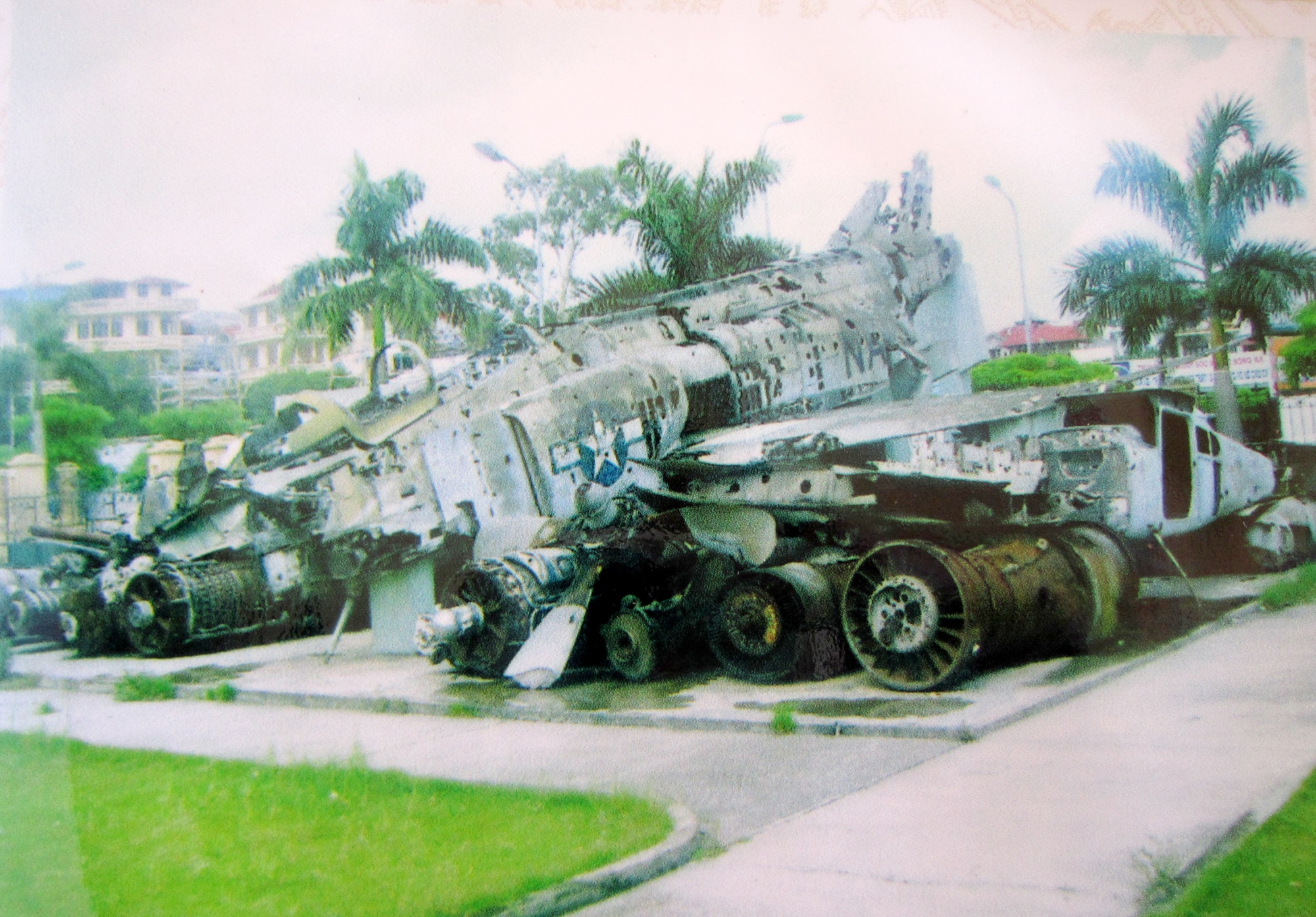 |
American B-52 bombers were detected by Radar Station 45 (291st Regiment), enabling air defense, missile, and anti-aircraft artillery units to destroy them during the "Dien Bien Phu in the Air" campaign (1972). (Archival photo) |
Colonel Nghiem Dinh Tich added: "The unit has accumulated experience in detecting B-52 aircraft operating in the southern part of Zone 4 since 1969, and has participated in guiding them."pilotVu Dinh Rang shot down a B-52 aircraft on the night of November 20, 1971, directly ensuring that the 263rd Missile Regiment shot down another B-52 on the night of November 22, 1972, and provided valuable experience in countering jamming to detect B-52s attacking the Plain of Jars - Xieng Khouang.
That day, I, along with radar operators Pham Hoang Cau and Nguyen Van Xich, immediately identified the B-52 jamming signals in the southwest direction. Following orders from Company Commander Dinh Huu Thuan, the entire duty crew implemented the B-52 jamming countermeasures procedure. In just a moment, radar operator number 1 Pham Hoang Cau reported the intelligence about the B-52 aircraft formations to the Regimental Command Post and forwarded the information to the Main Radar Station at the Air Force Command Post."


