Two-tiered local government: Close to the people, for the people - Final part: Innovation to better serve the people.
The new realities demand that the two levels of government truly innovate their thinking, adopt creative, practical, and effective approaches; elevate their responsibility, and ensure that every decision and action is geared towards better serving the people. Nghe An Newspaper, Radio, and Television respectfully convey the directives of the Party and State leaders, the leaders of Nghe An province, as well as proposals and recommendations from the commune level on the above issues.


Political and Party Building Reporting TeamAugust 17, 2025
The new realities demand that the two levels of government truly innovate their thinking, adopt creative, practical, and effective approaches; elevate their responsibility, and ensure that every decision and action is geared towards better serving the people. Nghe An Newspaper, Radio, and Television respectfully convey the directives of the Party and State leaders, the leaders of Nghe An province, as well as proposals and recommendations from the commune level on the above issues.
.png)
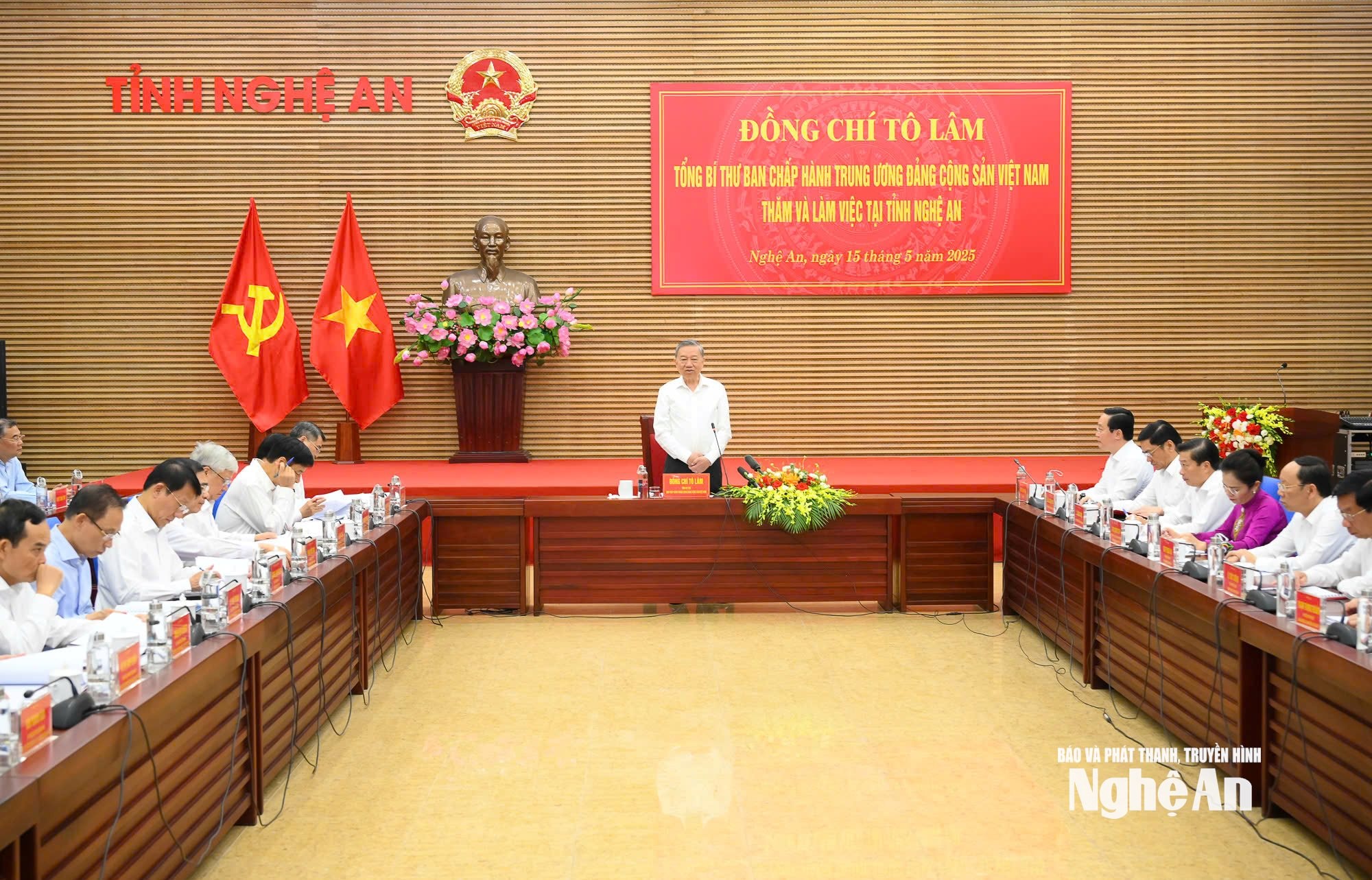
Speaking at the conference summarizing the first six months and outlining tasks for the last six months of 2025 of the Central Steering Committee on Science, Technology, Innovation, and Digital Transformation, General Secretary To Lam emphasized: Digital transformation is the central nervous system, a vital bridge between provinces and communes; it is the data brain for synthesizing, analyzing, and providing early warnings of the situation, preventing information gaps. "Without digital transformation, the two-tiered administrative model cannot operate effectively," the General Secretary stressed, adding that the heads of ministries, departments, and localities must continue to enhance their sense of responsibility, demonstrate high political determination, and resolutely and persistently strive to achieve this goal to strengthen the trust of the entire society.
:
Concluding the conference on the results of reorganizing the internal structure of ministries and agencies and reviewing one month of operation of the two-tiered local government system on the afternoon of July 28th, Prime Minister Pham Minh Chinh emphasized: The spirit is that everyone must participate, especially the leaders in directing agencies under their authority; the new apparatus requires new approaches, innovative thinking, and decisive action; close and synchronized coordination is needed, especially in digital transformation, building and linking databases of various sectors.
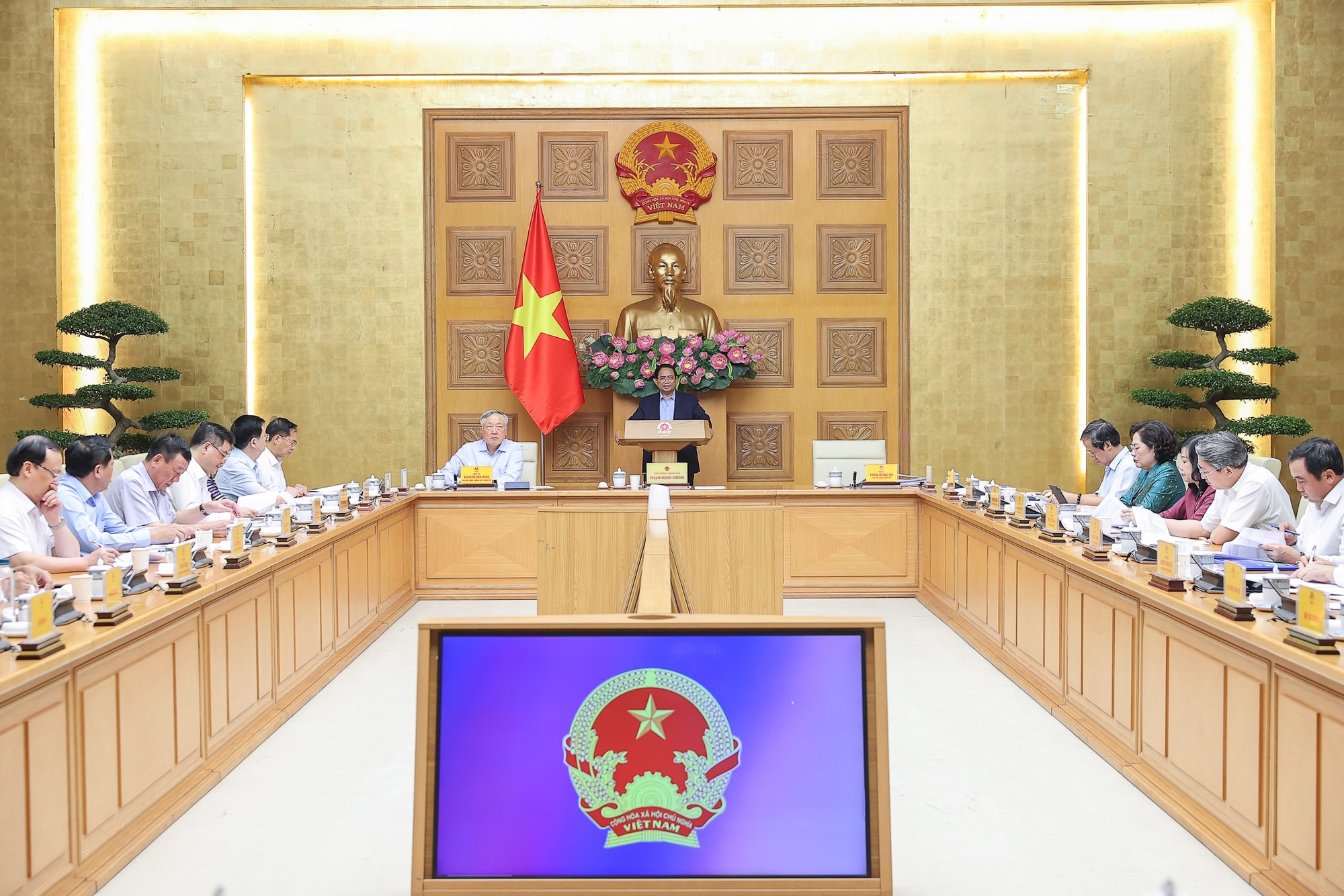
The Prime Minister requested that ministries and agencies continue to monitor and urge localities to take action in their respective fields; those assigned to these tasks should continue to directly inspect the situation in localities, listen to feedback from the grassroots level, and promptly direct the resolution of difficulties and obstacles.
The Prime Minister expressed confidence that, with strong political determination and close guidance from the Central Committee, the Politburo, the Secretariat, and General Secretary To Lam, along with the unity and solidarity of the entire political system and the support of the people, the two-level government apparatus will implement its work more smoothly, efficiently, and effectively, serving the people and businesses even better.
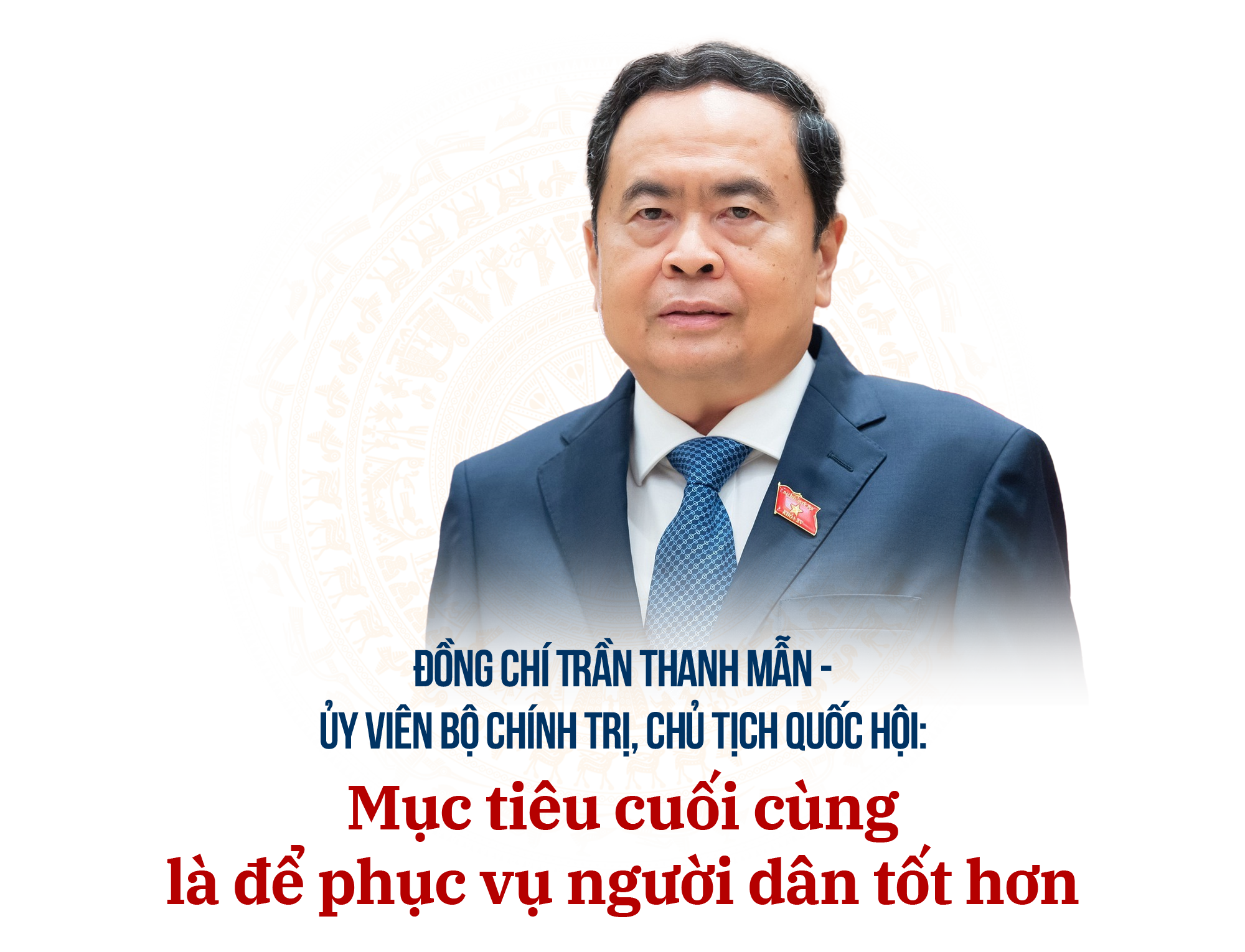
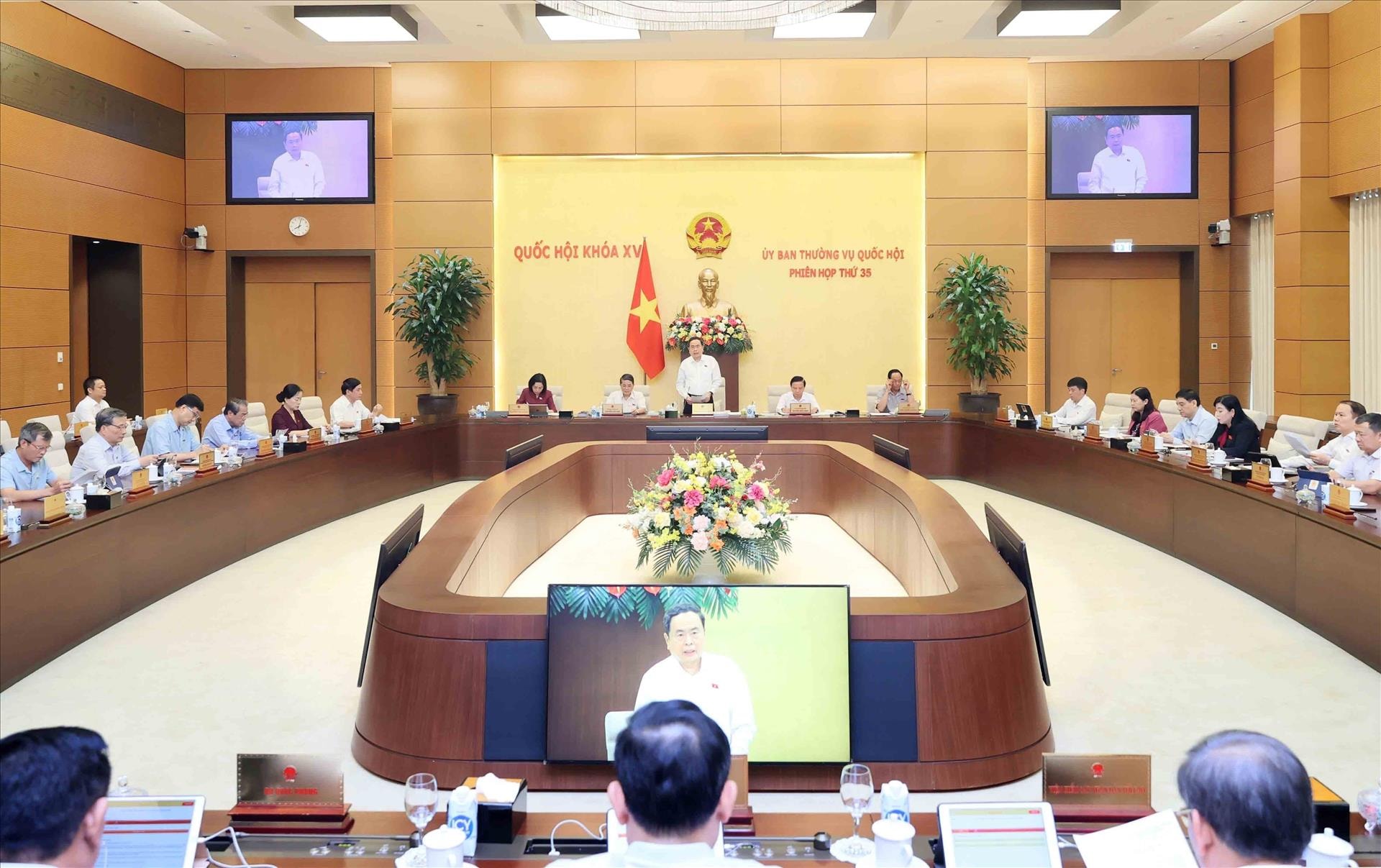
Speaking at the National Assembly Standing Committee meeting on July 10th, National Assembly Chairman Tran Thanh Man assessed that, following the merger and establishment of new provincial and commune-level administrative units, local governments have been operating well, especially in the newly established communes in urban areas.
However, the Chairman of the National Assembly suggested that in newly established communes in remote and disadvantaged areas, attention should be paid to arranging workplaces and rest areas for officials and civil servants transferred to the new communes. In the coming time, it is necessary to continue training on administrative procedures, promote public awareness about the meaning and requirements of streamlining the administrative apparatus, especially clarifying the ultimate goal of better serving the people, developing socio-economic conditions, and improving the spiritual and material lives of the people.
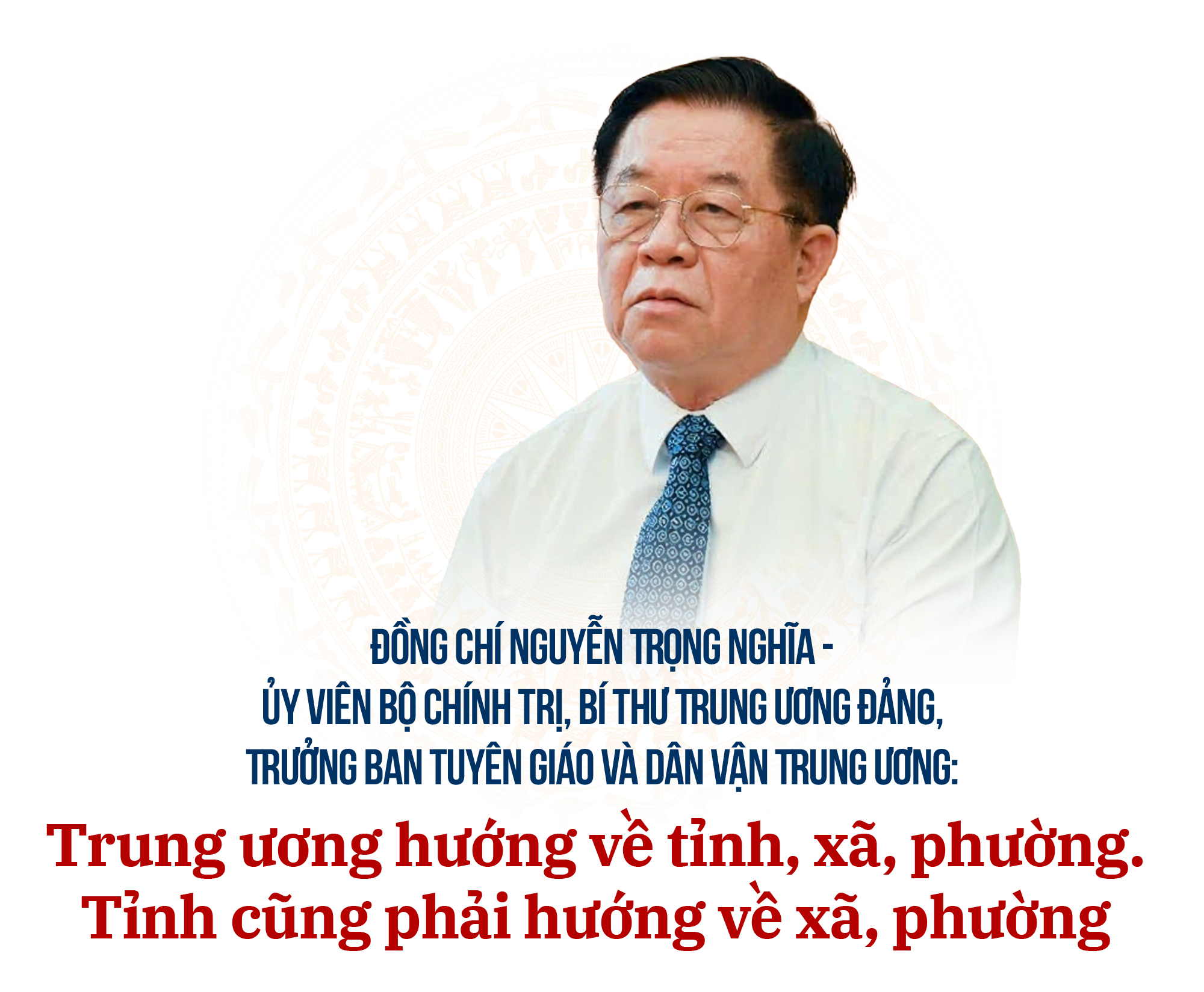
At a working session with the Standing Committee of the Nghe An Provincial Party Committee on the afternoon of July 16th, Comrade Nguyen Trong Nghia - Member of the Political Bureau, Secretary of the Central Committee of the Party, and Head of the Central Propaganda and Mass Mobilization Department - assessed that Nghe An is one of the localities that has effectively implemented the consolidation of commune-level administrative units and the establishment of commune and ward Party committees directly under the province; fulfilling the historical responsibility of the old district-level model. The province has unified understanding and systematically organized implementation, creating high consensus throughout the political system and among the people. The organizational structure has been streamlined and rationalized; ideological work, organization, and personnel arrangement have been implemented synchronously and scientifically; and personnel policies have been effectively addressed.
In particular, the province promptly reorganized its grassroots cadres, ensuring the principle of "leaving no gaps in the battle plan, avoiding stagnation and difficulties for the people"; ensuring good security and safety; and gaining the trust, consensus, and active support of ethnic minorities and religious communities in implementing new policies.
The comrade emphasized the spirit and clearly outlined the overarching ideology for the smooth and effective operation of the two-tiered local government system: “The central government focuses on the provinces, communes, and wards. The provinces must also focus on the communes and wards. Everything must be directed towards the grassroots, resolving issues at the grassroots level. The top priority of the two-tiered local government system is to better care for the people. Anything directly related to the people must be done wholeheartedly and diligently; without causing inconvenience or harassment; without leaving the people with complaints.”
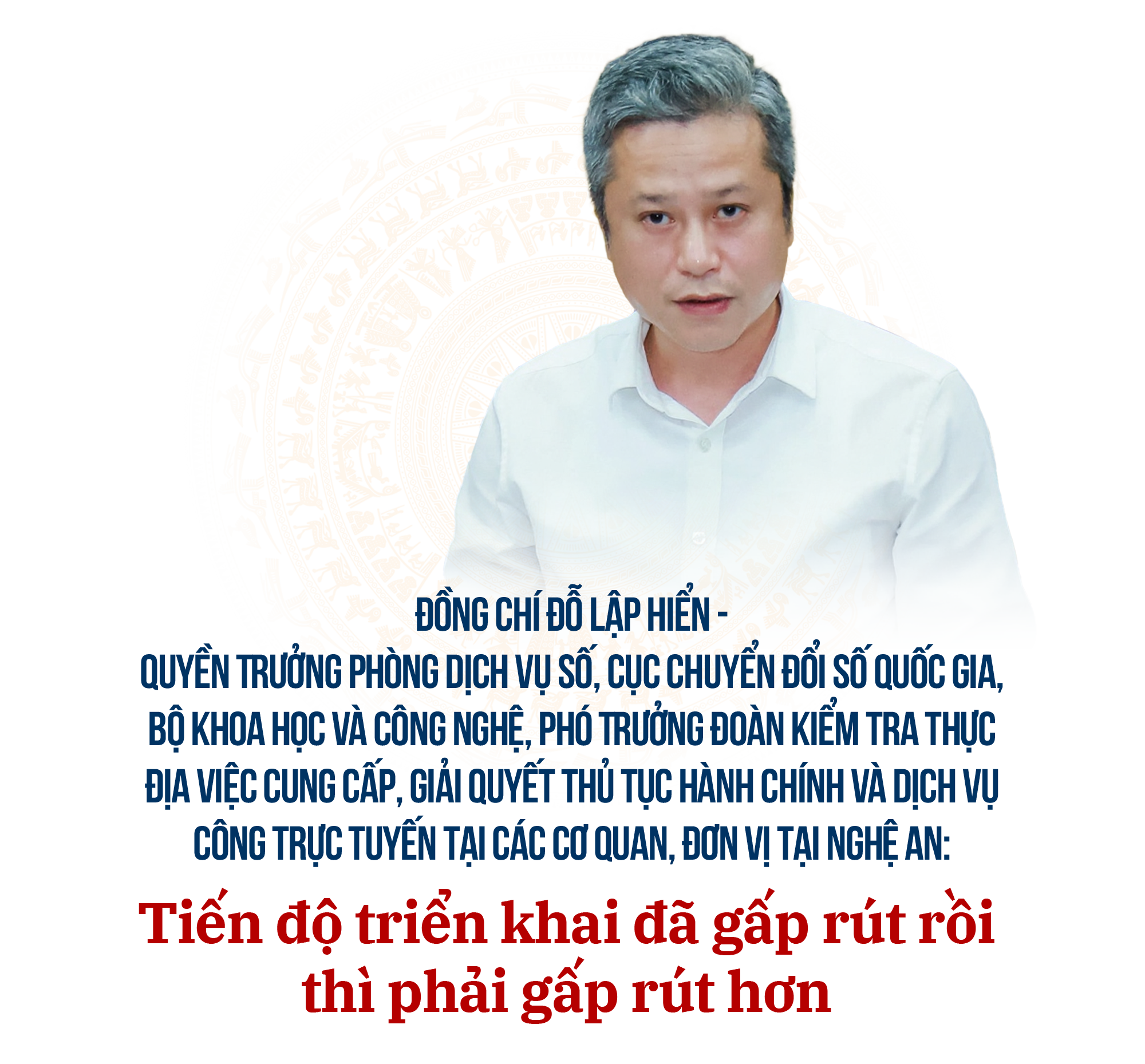
Overall, Nghe An province faces both challenges and advantages. The challenges include its large geographical area and dense population, but the advantage lies in the absence of major disruptions due to the lack of reorganization at the provincial level. Instead, the province primarily faces the pressure of rapidly structuring its administrative apparatus to accommodate a two-tiered local government system.
.jpg)
Based on our work and initial surveys, it can be affirmed that Nghe An is one of the localities that has successfully implemented the provision and resolution of online administrative procedures and public services. The province has clearly recognized many of the issues raised by the delegation, and I believe that once this awareness is established, effective corrective measures will be implemented.
However, in line with the Central Committee's directive to ensure smooth, efficient, and uninterrupted implementation of administrative procedures during the reorganization of administrative units, the already urgent implementation schedule must be accelerated and intensified even further.
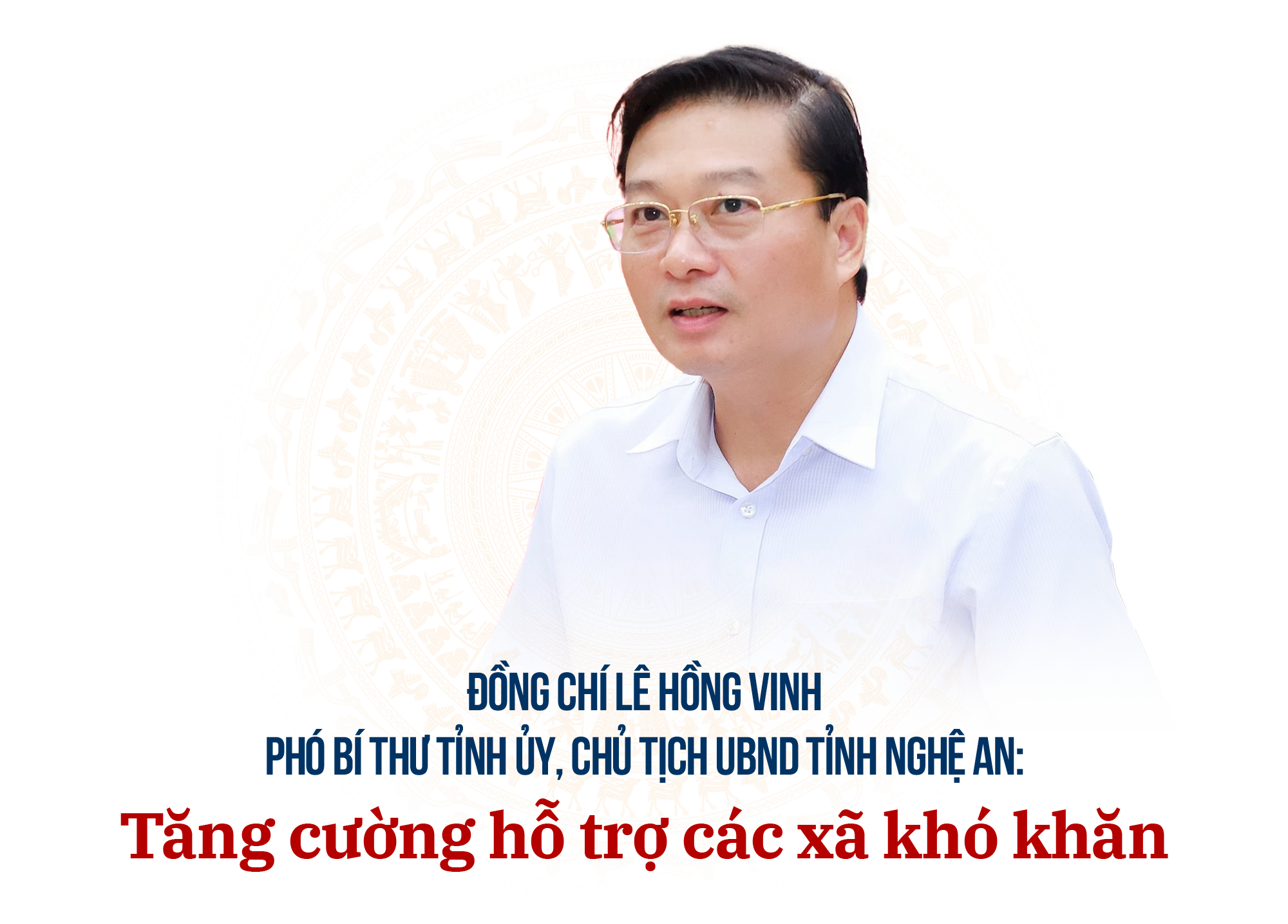
Concluding the July 2025 regular meeting, Chairman of the Provincial People's Committee Le Hong Vinh requested that departments and agencies, according to their functions, continue to closely monitor activities, promptly guide and answer requests from the grassroots; and review and improve the decentralization, delegation of power, and management authority.
The Department of Internal Affairs, in coordination with the Provincial Party Committee's Organization Department, is addressing the issue of surplus and shortage of civil servants; assigning and seconding officials to communes with shortages; strengthening support for disadvantaged communes; and advising on the establishment of an inter-agency task force to promptly resolve any difficulties.
The Department of Finance reviews and reorganizes public offices and assets, ensuring continuous operating funds for communes, especially for salary payments, benefits, and social welfare programs. The Department of Science and Technology ensures the stable operation of information technology infrastructure, digital transformation, databases, and e-government, meeting management and operational requirements.
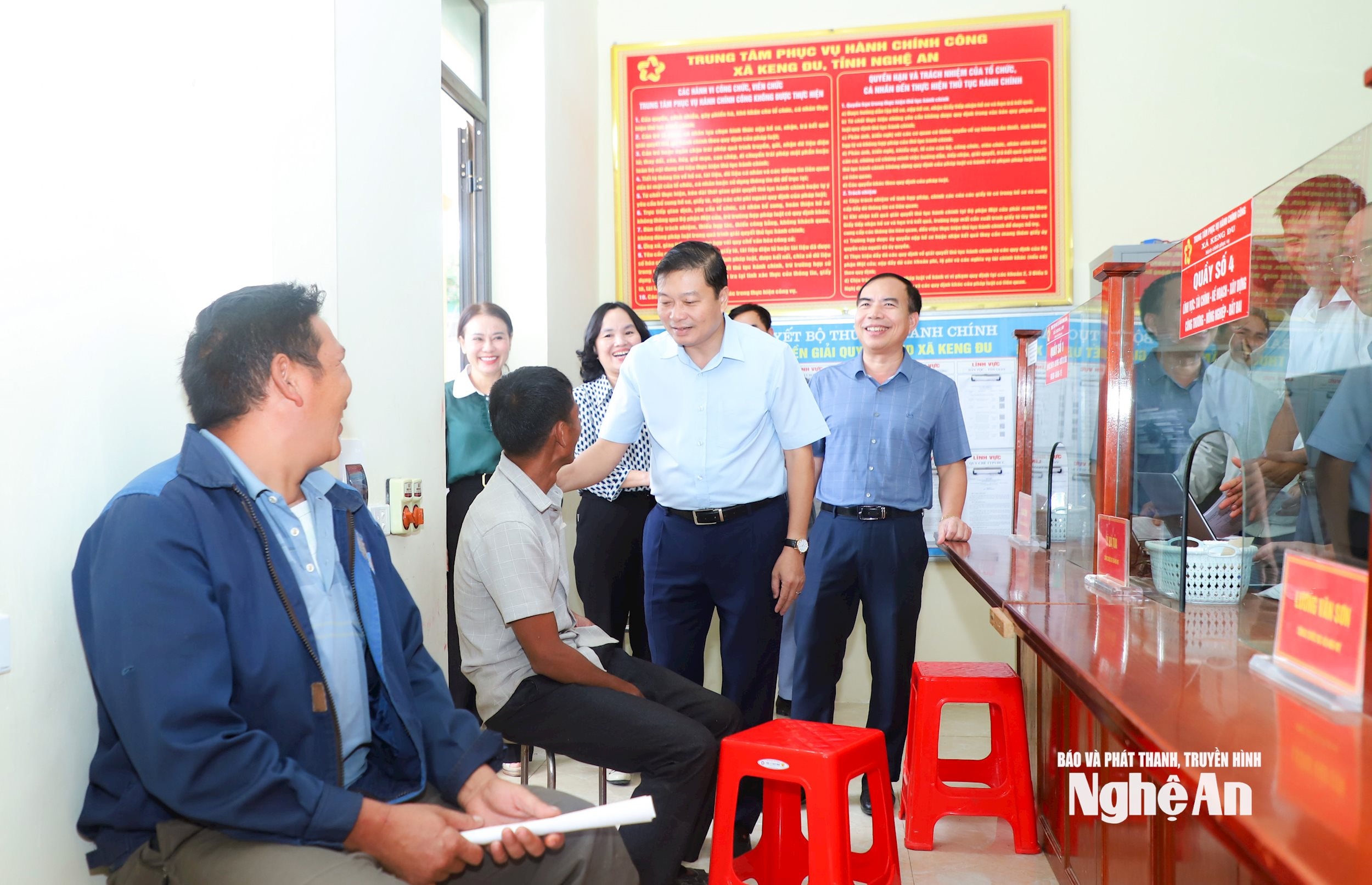
After more than a month of operating the two-tiered government model, the Nghe An Provincial Party Committee, People's Council, and People's Committee acknowledge the high sense of responsibility of the commune-level officials and civil servants who have worked day and night to serve the people and handle a large volume of work under the new conditions.
However, in practice, some difficulties and shortcomings have also emerged, such as: a surplus of staff in some areas and a shortage in others; some positions not matching the required expertise; scattered and dilapidated working facilities; limited provision of workspaces, equipment, and accommodation for seconded staff; and sometimes untimely guidance and direction from higher levels.
The Standing Committee of the Provincial Party Committee requested that relevant agencies promptly review, adjust, and address the aforementioned shortcomings, in order to help commune-level governments operate more smoothly and effectively and better serve the people.
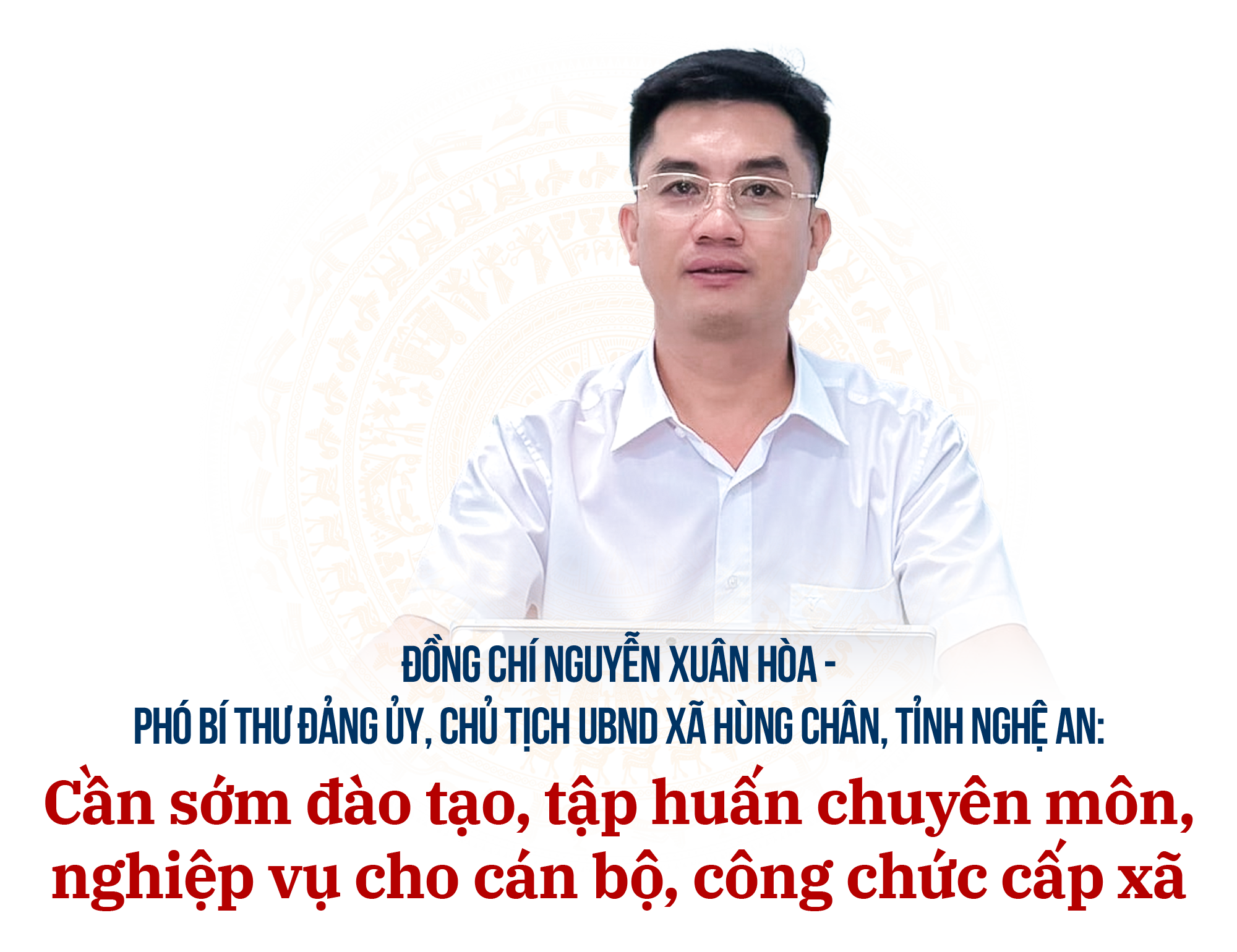
Following the reorganization of the two-tiered local government structure, several difficulties arose in the specialized departments at the commune level. Many officials were assigned to new fields they had never previously worked in, with expertise completely different from their educational qualifications. For example, officials who had previously worked in other fields were now assigned to education or healthcare, so in addition to honing their skills and accumulating experience, they had to relearn their specialized knowledge from scratch.
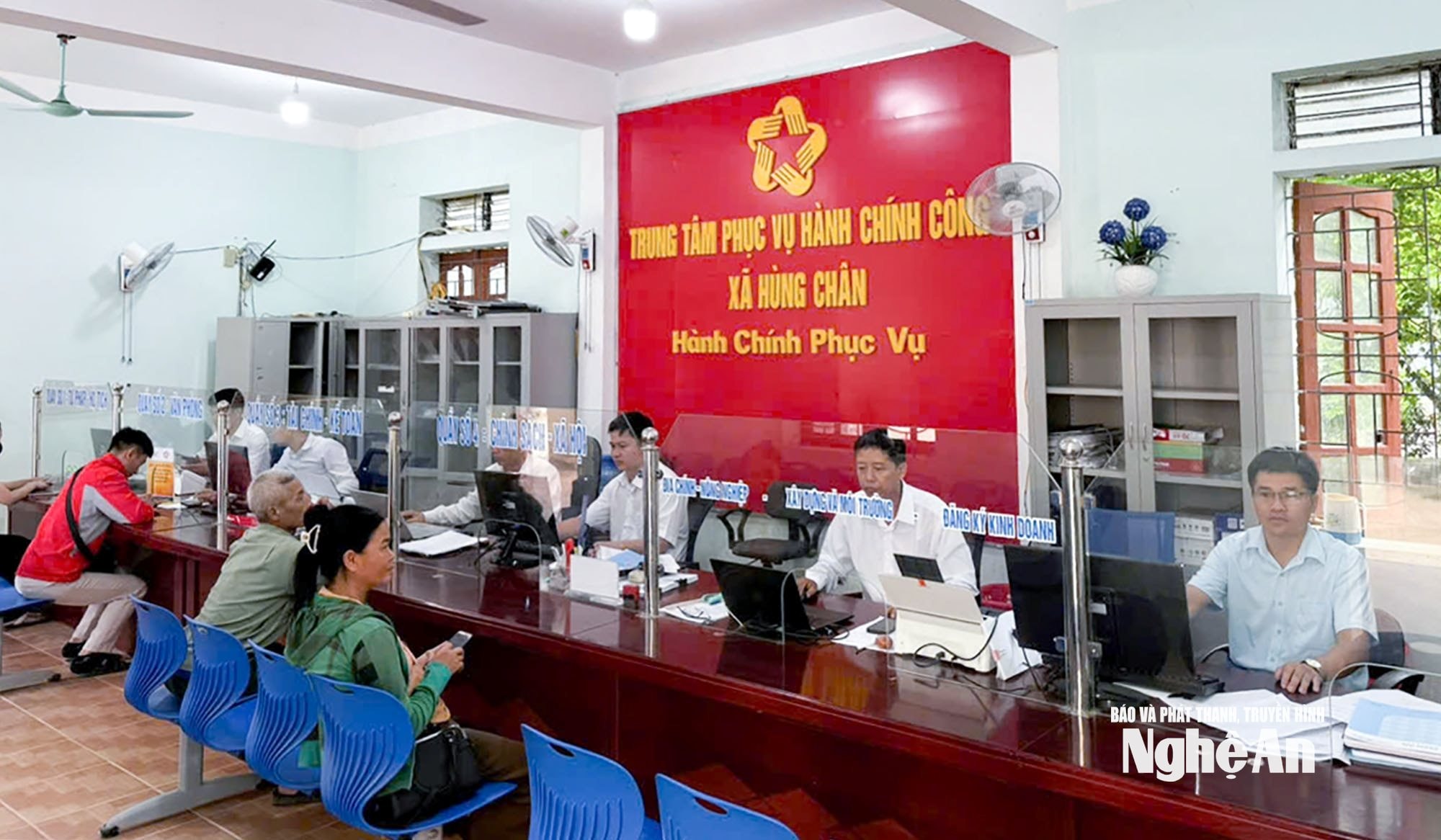
To ensure smooth, efficient, and professional work, relevant departments and agencies at all levels need to organize systematic training for this team as soon as possible. In addition, the Party Committee and People's Committee of the commune will also proactively organize self-training sessions, especially focusing on honing skills for direct work and serving the people.
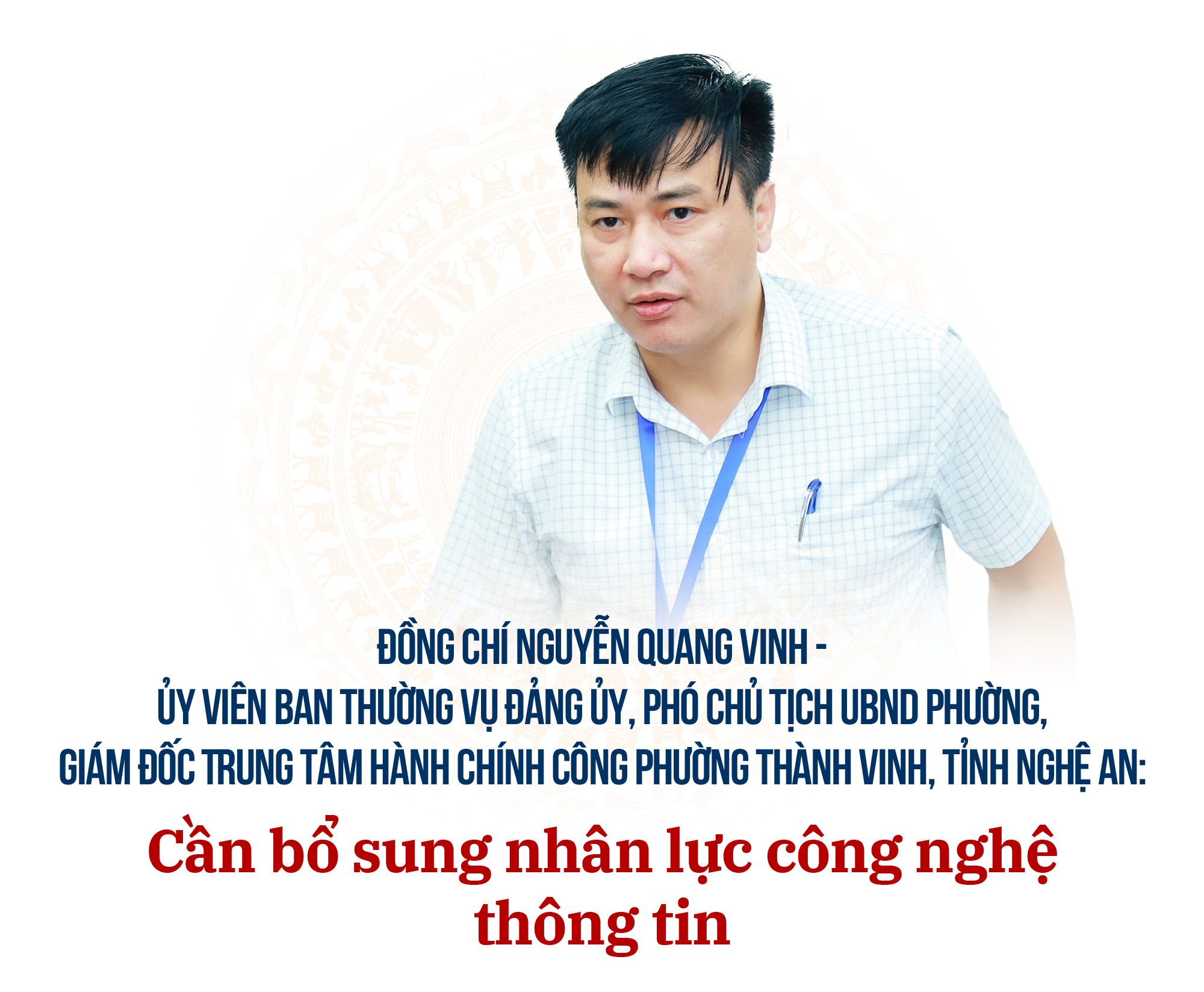
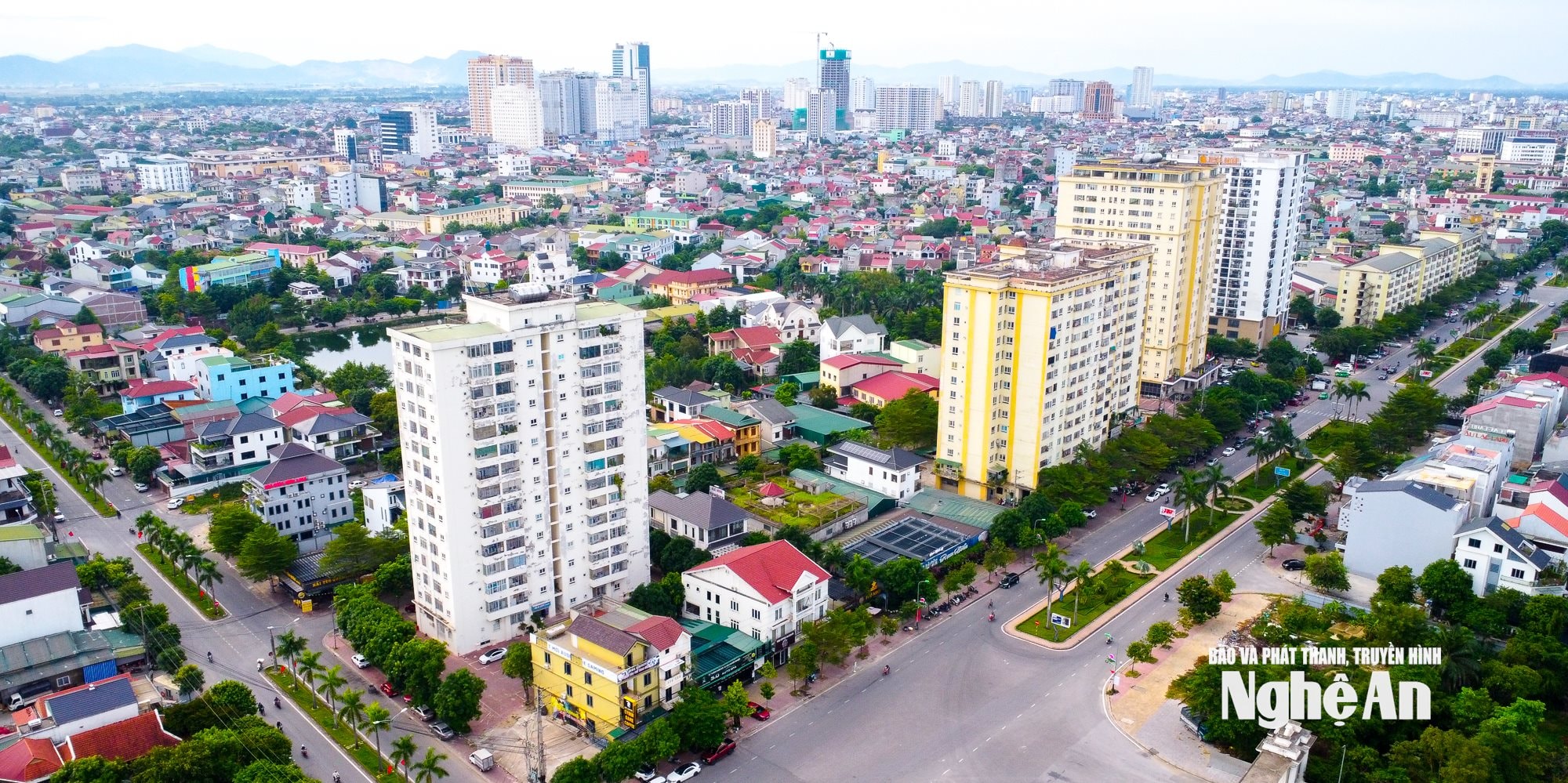
Thanh Vinh Ward has received facilities from the former Vinh City Party Committee and People's Committee, but further investment in infrastructure and equipment is still needed to meet operational requirements. The biggest challenge currently lies not in facilities but in human resources, especially information technology personnel. The number is small and insufficient to provide comprehensive support to officials and civil servants in applying science and technology and handling online administrative procedures, often requiring assistance from the province or VNPT.
We recommend that the Ministry of Science and Technology develop a plan for training, developing, and authorizing the recruitment of information technology personnel. Because no matter how modern the equipment is, if there is a lack of qualified personnel to operate it, the work will still face many difficulties.
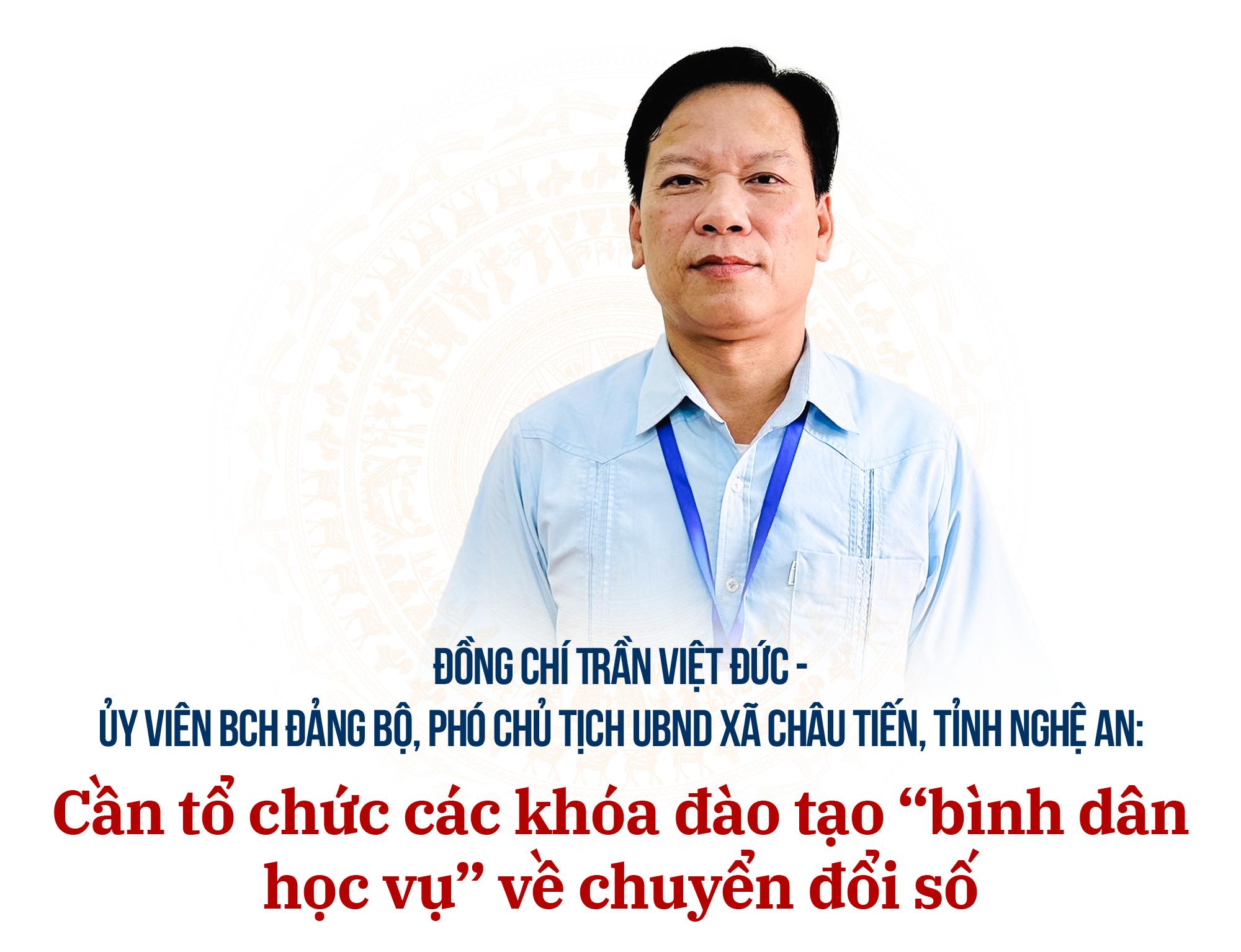
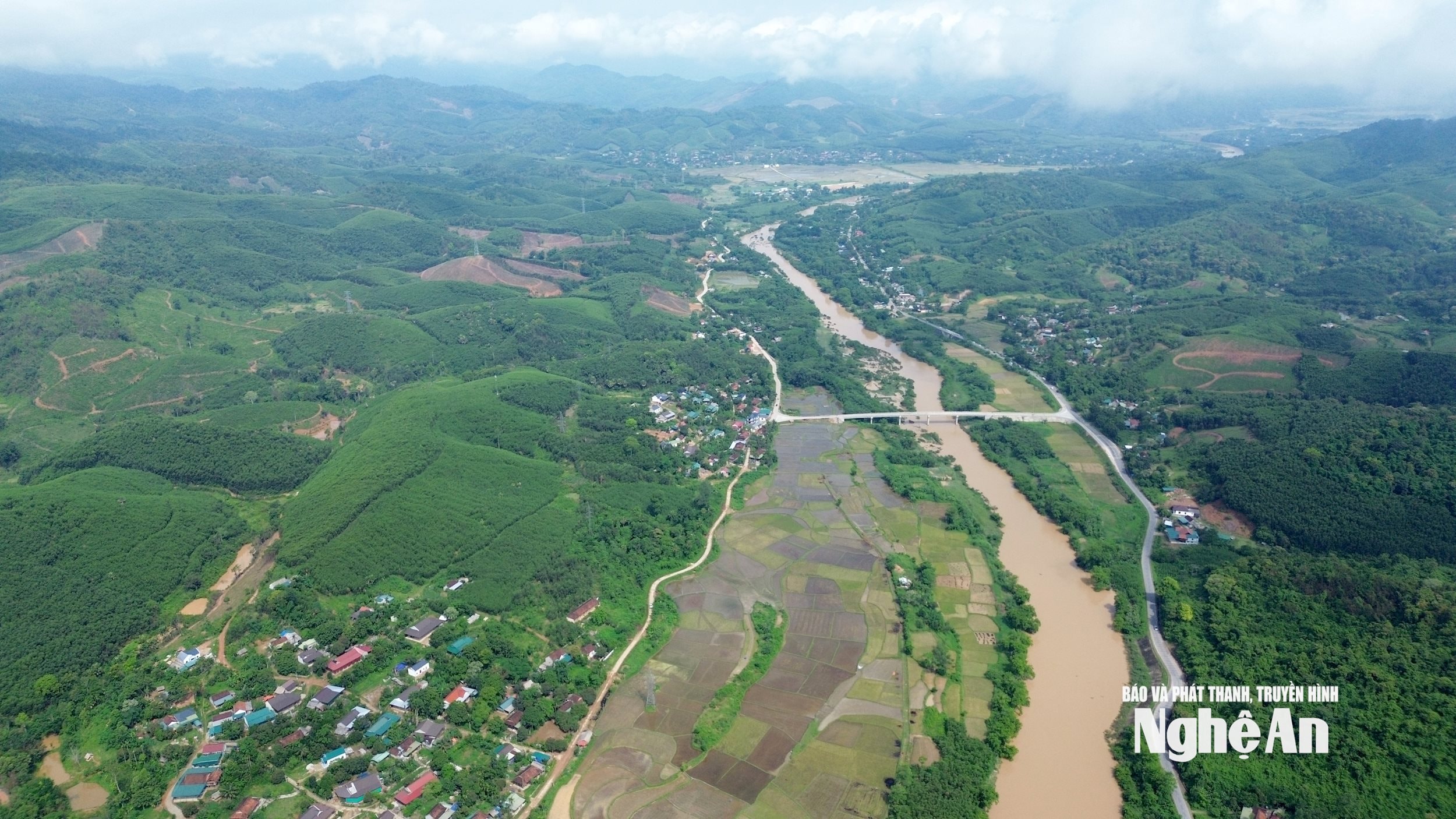
In mountainous regions, infrastructure and access to technology are limited: unstable internet connections and frequent power outages directly affect online public services. The majority of people do not own smartphones and have virtually no IT skills, making it difficult to use digital services. Therefore, it is necessary to organize basic education courses to equip people with fundamental knowledge and skills, with a roadmap tailored to the specific conditions of each area.
Furthermore, the infrastructure of commune and ward offices, especially in areas frequently affected by natural disasters, needs to be invested in urgently. For example, the Chau Tien Commune People's Committee - Public Administration Center is flooded annually during storms, forcing the relocation of files and equipment, disrupting work. Upgrading the facilities there is an urgent requirement.


Comrade Lo Van Thao - Secretary of the Party Committee, Chairman of the People's Council of Chau Khe CommuneAccording to reports: Promoting the spirit of mutual assistance, from July 26th to 29th, Chau Khe commune mobilized 900 people to support Tien Thanh village (Con Cuong commune) in overcoming the consequences of flooding. However, the local forces in each locality are still limited, making it difficult to meet the requirements of disaster prevention, control, and recovery. The province needs to provide guidance and direction in building a coordination mechanism between neighboring communes to support each other not only in natural disasters but also in economic development and cultural preservation.
This issue,Lieutenant Colonel Nguyen Van Quy - Deputy Political Commissar of the Defense Command of Region 3 (Quy Chau)It is argued that the "four on-the-spot" principle must be thoroughly implemented, with prevention being the primary focus. When an incident occurs, the Regional Defense Command can coordinate and mobilize forces in the area, but this is only a temporary solution. Therefore, establishing a coordination mechanism between adjacent communes and wards as soon as possible is a more long-term and effective solution.

* * * * *
After more than a month of operation, the two-tiered local government model in Nghe An province in particular, and across the country in general, has affirmed the correctness and strategic vision of this reform initiative. The administrative apparatus has been streamlined, operating more smoothly and efficiently; in particular, the government is closer to the people, understanding and serving them better. This is not only a change in organizational structure, but also a major shift in governance thinking, from "management" to "service," from "request-and-grant" to "partnership and creation," placing the people at the center of all decisions.
The reorganization of administrative units and the restructuring of local governments at two levels is essentially a revolution in awareness and action within the political system. It reflects the high political determination of the Party, the decisive leadership of the Government, and the proactive and creative spirit of governments at all levels, from the central to the grassroots, aiming to create a streamlined, effective, and efficient apparatus that serves the people even better.
The Prime Minister has repeatedly emphasized the need to "review and promptly resolve obstacles so that the administrative apparatus, especially at the commune level, operates smoothly and effectively." This message is being realized through the spirit of innovation and dedication of each locality and each official and civil servant – those who directly bring the Party's guidelines and the State's policies into life.
The people's and business community's trust is being strengthened as they see a government that truly serves the people and acts in the common good. With the wise leadership of the Party, the flexible and decisive management of the Government, and the unity of the entire population, the two-tiered local government model will become increasingly perfected, forming the foundation for a modern, transparent, service-oriented, and dedicated administration. This is also the beginning of a new era of national development – an era in which Vietnam moves towards wealth, civilization, and prosperity, with a government that is truly close to the people, understands the people, and serves the people.