
Bananas are very nutritious, but who shouldn't eat them?
Bananas are rich in fiber, potassium, and vitamins, but people with stomach problems, kidney disease, or those taking certain medications should avoid eating them.
Bananas are a versatile food, delicious and sweet, and can be eaten raw or used in various dishes. This fruit contains nutrients that are good for the body, such as fiber, potassium, vitamin B6, vitamin C, and various antioxidants and phytonutrients.
A medium-sized banana (100g) contains 89 calories, 1.1g of protein, 23g of carbohydrates, 12g of sugar, 2.6g of fiber, and 0.3g of fat.
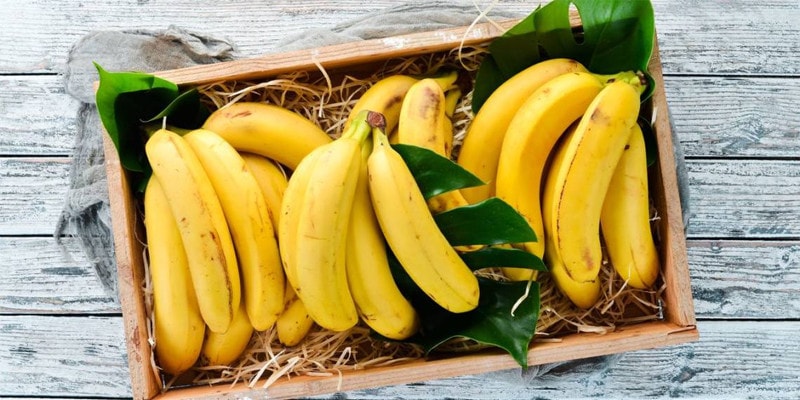 |
Bananas are a familiar fruit in Asian countries. Photo: Healthifyme |
American nutritionist Sylvia Melendez-Klinger said: "We recommend eating bananas because they are very low in fat, cholesterol-free, and contain many complex carbohydrates as well as vitamin B6, which helps keep you energized."
However, there are some people who should not eat bananas.
People with stomach pain
Although bananas are generally easy to digest, not everyone can tolerate them. Bananas contain high levels of fructose, sorbitol, and soluble fiber, which are not good for people with digestive problems.
Additionally, for some people, bananas can cause bloating due to their high content of soluble fiber and a natural sugar alcohol. While soluble fiber is essential in the diet, too much can lead to bloating afterward.
Therefore, consider limiting your portion sizes. For example, instead of eating one or more bananas a day, start by eating half a banana to see if your symptoms improve.
According toVerywellhealthyEating unripe bananas can easily cause stomach discomfort. Green bananas contain a large amount of resistant starch, and eating too many can lead to bloating.
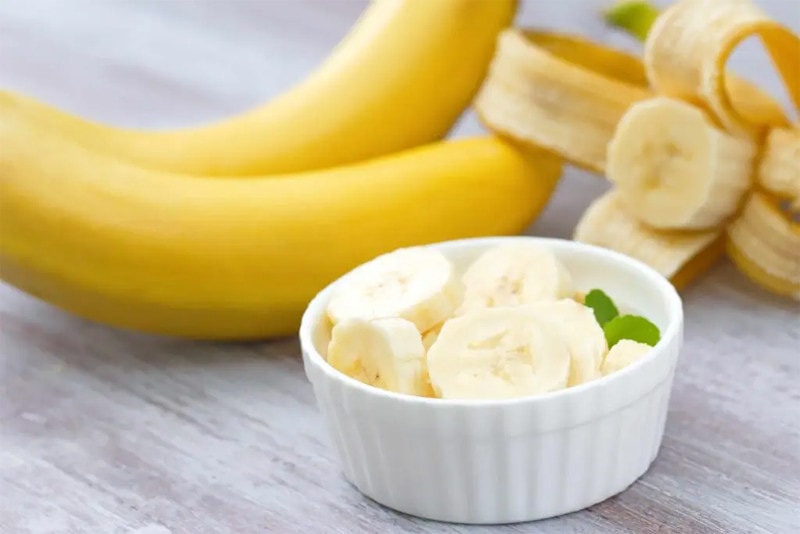 |
Some people should be cautious when eating bananas. Photo: Mayoclinic |
People with kidney disease often have high potassium levels.
"People with high potassium levels may also have kidney disease or kidney problems. Limiting certain potassium-rich foods (bananas, oranges, watermelon) can help you feel better and prevent the progression of the disease," explains expert Melendez-Klinger.
According toEatthisThe reason is that people with kidney disease cannot remove potassium from their blood. High potassium levels can lead to heart attacks or death.
The person is taking certain medications.
Expert Melendez-Klinger advises: "There are some medications that interact with food. So, ask your doctor or a nutritionist to see if any medications you are taking might interact with bananas."
Two types of medications you should avoid taking when eating bananas are ACE inhibitors (such as lisinopril, enalapril, or ramipril) and spironolactone. According to Harvard Medical School, these medications increase potassium levels in the blood.
The person is hungry.
If you think eating a banana will give you energy for the whole day, you're right. But you shouldn't eat it on an empty stomach because bananas are acidic. Experts say that consuming acidic foods on an empty stomach can lead to digestive problems. Additionally, bananas are high in potassium and magnesium, so eating them on an empty stomach and in large quantities can lead to excess levels of these nutrients in the blood, which is harmful to the heart.


