
Wildlife rescue stories in Nghe An
Spending their days "befriending" wild animals, rescuing, caring for, and waiting for the day they can be released back into the green forest is the job of the staff at the Wildlife Rescue Center of Pù Mát National Park. This is truly a dangerous job, with a very high risk of accidents and injuries, but what overcomes this is the love they have for these unfortunate animals...
A "temporary refuge" for wild animals.
From early morning, Mr. Nguyen Tat Ha, an employee of the Wildlife Rescue Center of Pu Mat National Park (Con Cuong), cleaned the iron cage in preparation for receiving a monkey handed over by the Quynh Luu Forest Protection Department. Mid-morning, the monkey arrived, wearing a long iron chain, with many patches of fur missing, leaving its skin bare.
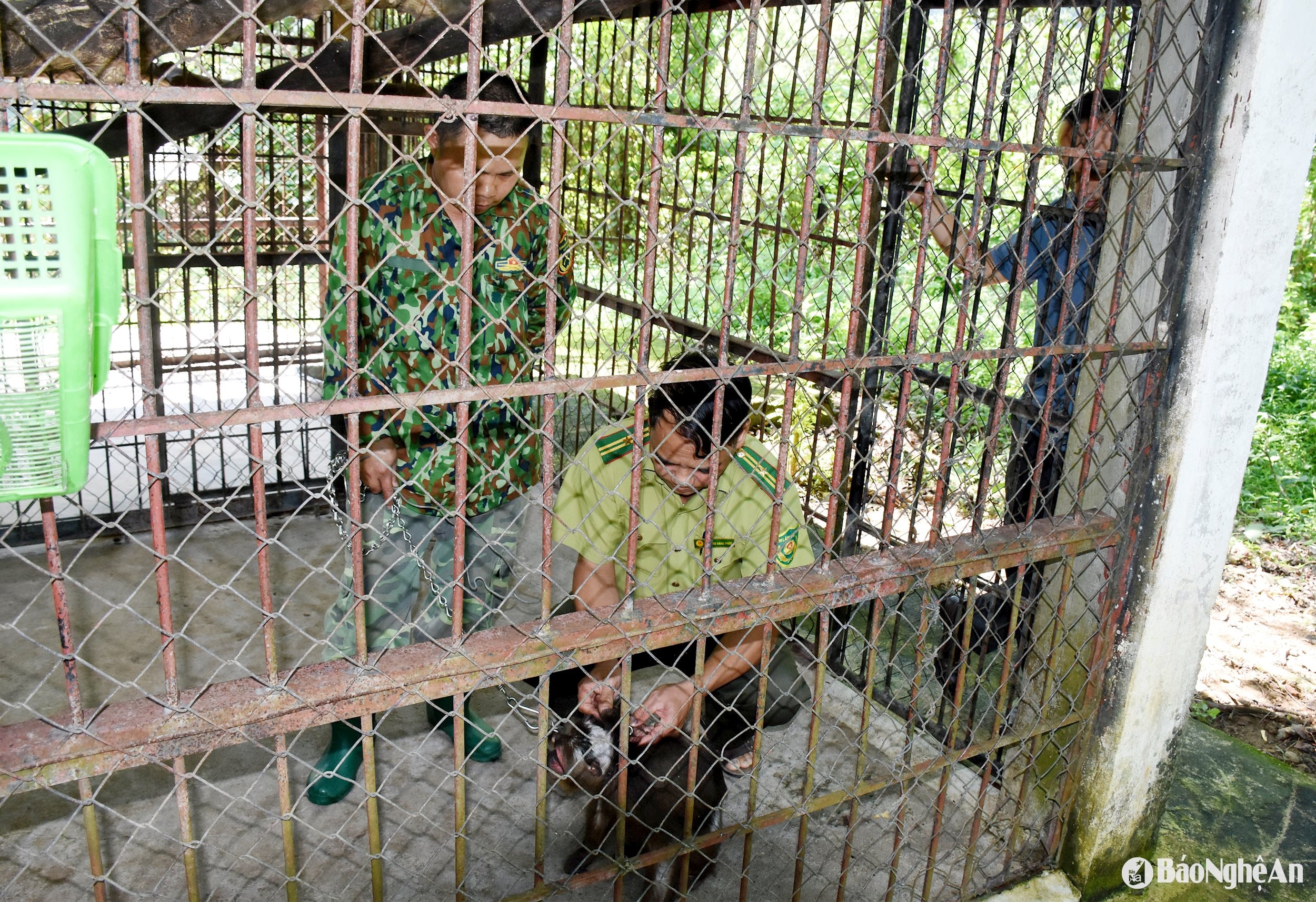
The chains were quickly removed, and the monkeys were taken to an isolation area for monitoring. If any disease was detected, they would be treated; if normal, they would be moved to a holding area and released back into their natural environment at the appropriate time.
According to Mr. Nguyen Sy Quoc, the person in charge of the Rescue Center.wildlifeThe center is considered a "temporary refuge" for animals confiscated from hunting and wildlife trafficking throughout the province, where they receive treatment and care before being released back into the natural forest.
The center currently owns 1.5 hectares of forest area and a system of enclosures including large temporary shelters for carnivorous animals, primates, porcupines, pangolins, etc.; shelters for hoofed animals; a rescue area for land and aquatic turtles; and iron cages for the rescue of cats, civets, etc.
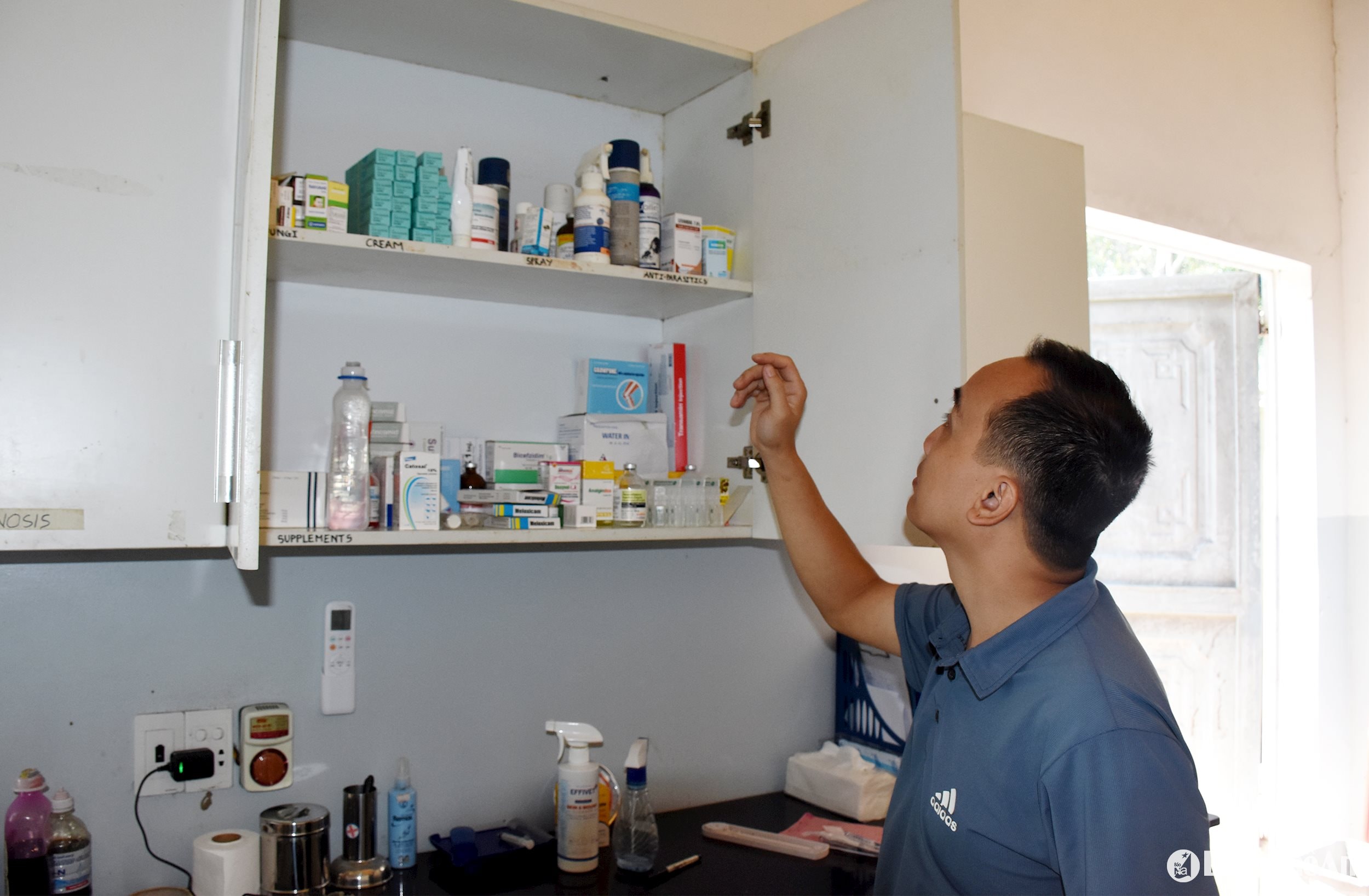
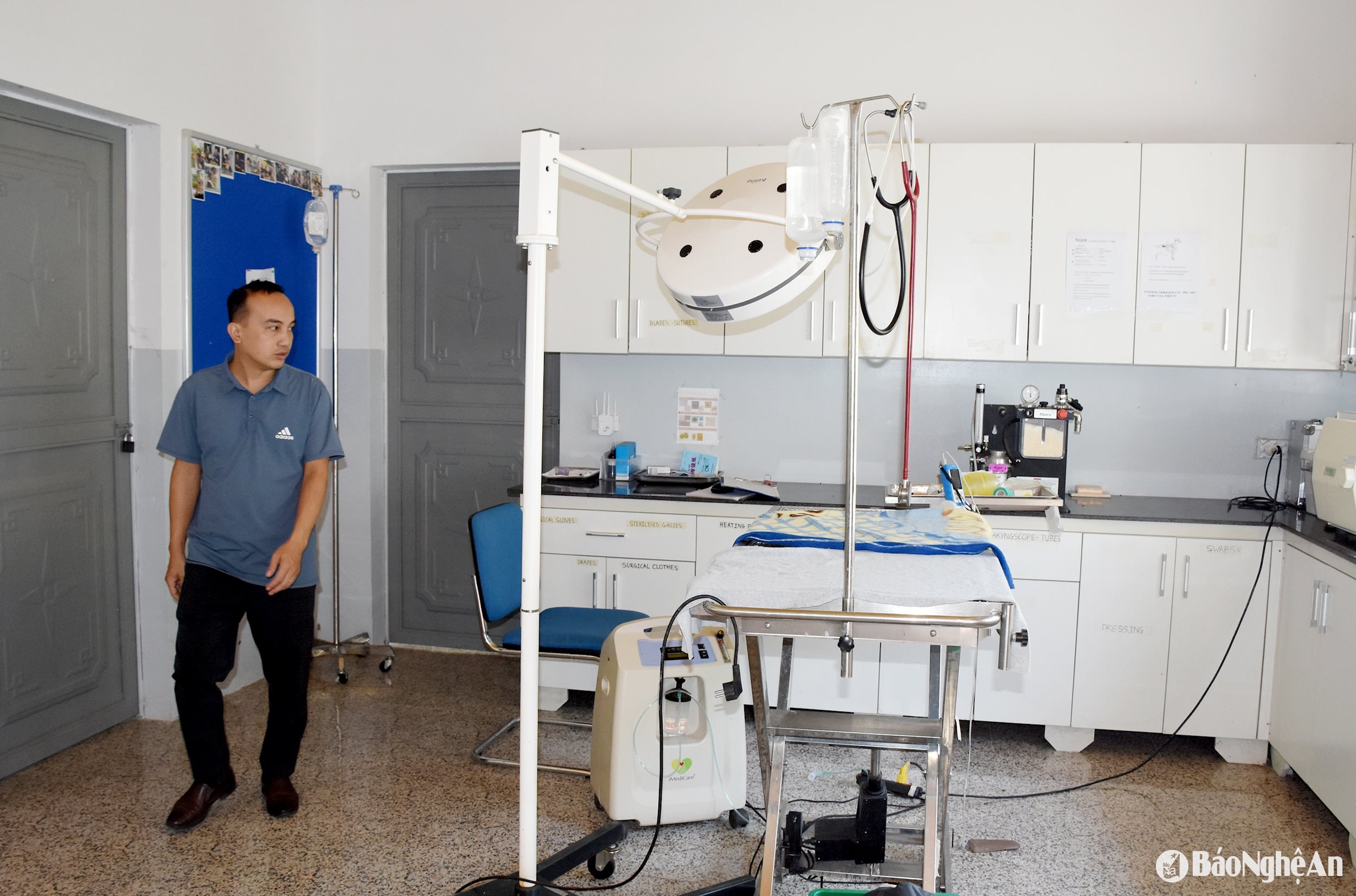
The center ensures that it has the minimum necessary equipment to effectively carry out rescue tasks, such as veterinary tools, feeding and animal care equipment, a refrigerator for storing medications, and maintains records to track daily rescue operations.
Mr. Nguyen Sy Quoc led us on a tour around the enclosures, where currently 23 animals are being kept. These wild animals were all confiscated by authorities and handed over to the Center recently.
After being received, these animals are taken to a holding facility where they are cared for and treated for injuries by staff. Once they recover and are able to live in the wild, they are released into the core area of Pu Mat National Park.
During lunchtime, Mr. Quoc shared with us stories, both happy and sad, about his work. The rescue center staff consists of four people: Mr. Quoc and Mr. Nguyen Tat Ha, plus Mr. Dang Thanh Tuan and Mr. Loc Van Tao.
Most of the men are from the lowlands, only able to arrange visits home to their families every few weeks or a month. Having graduated in veterinary medicine, they came here for work and were assigned the task of rescuing and caring for wild animals confiscated during hunting and trafficking operations.
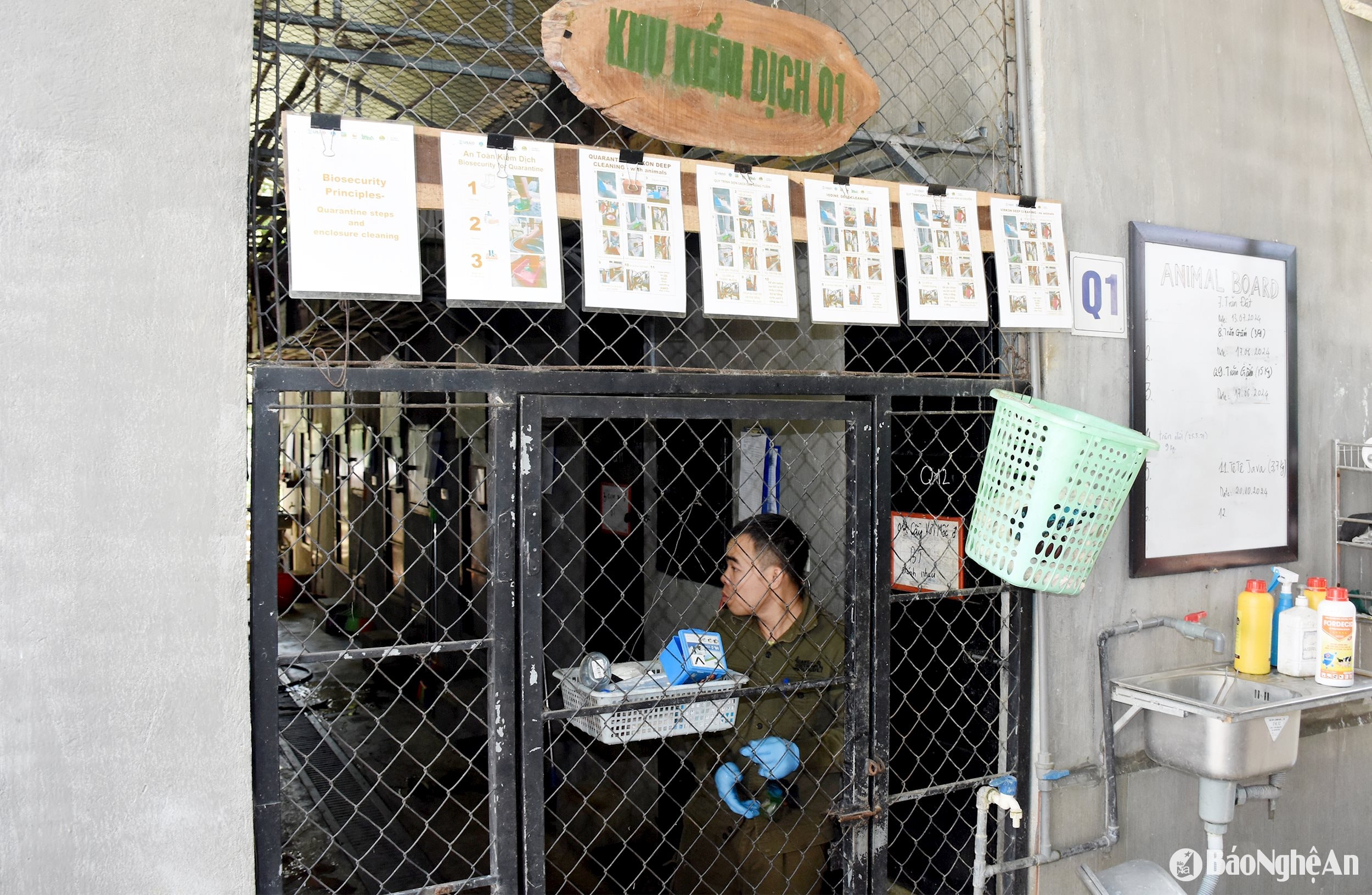
Their daily tasks include preparing food, providing care, and treating any wounds (if present) for the children.individual animalAnd organizing sanitation and cleaning of the livestock pens. It sounds easy enough, but when you actually start doing it, you realize it's not simple at all.
Because the diets of wild animals vary—some are omnivores while others are quite picky—finding and ordering food for the animals kept at the center each day is no easy task. Furthermore, each animal has its own preferred foods, requiring staff to be thoroughly familiar with their eating habits.
Quietly, devotedly
Finding food isn't too difficult, it just requires more time and effort; what's more concerning are the risks and dangers that can be encountered when interacting with wild animals.
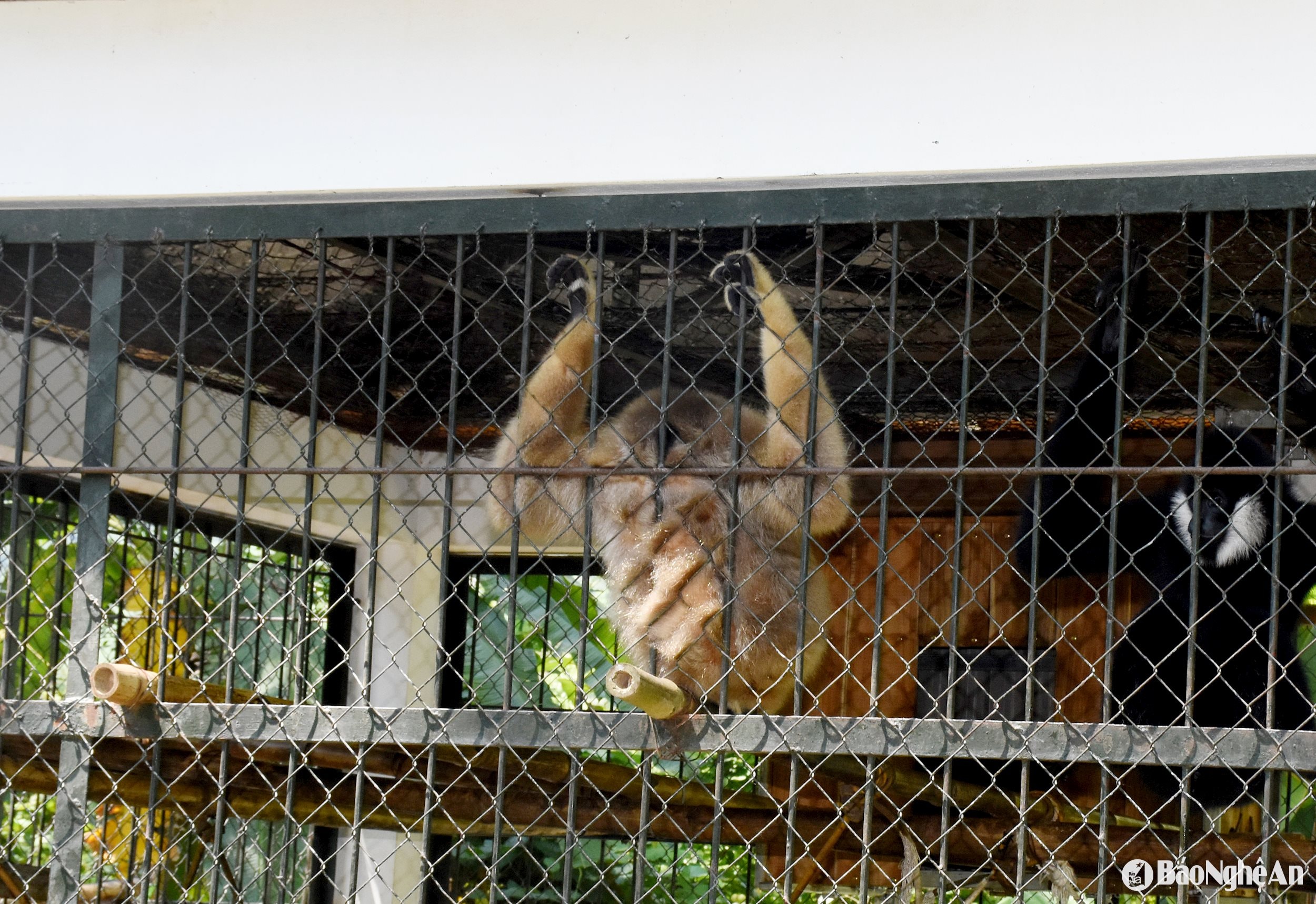
Driven by their survival instincts, they are ready to attack anything they perceive as a threat. In particular, wild animals that have been captured and injured by humans often become extremely aggressive; upon seeing humans, they are always vigilant and ready to attack.
Once, while a worker was cleaning and sanitizing a pen, a wild boar charged at his feet at full speed. Luckily, the worker reacted quickly and jumped to grab onto the mesh separating the pens. If he hadn't been quick, his calf or knee would certainly have been caught in the boar's teeth that day.
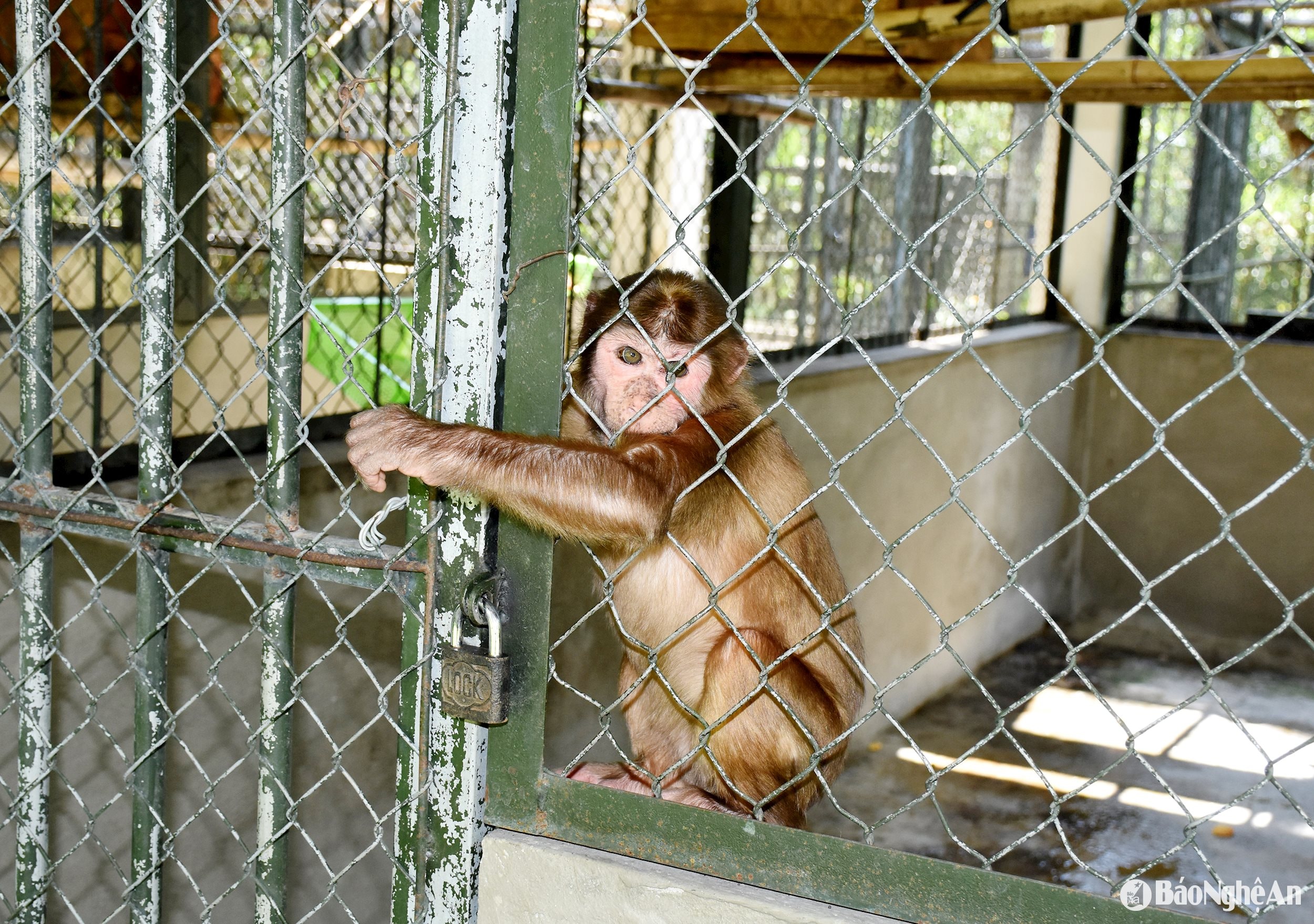
On another occasion, Mr. Nguyen Tat Ha approached a monkey that had just had one leg severed by a local trap. Upon seeing him, the monkey lunged forward, scratching his hands and face to release its pain and anger. With other ferocious animals such as tigers, bears, and crocodiles, staff must always be vigilant, cautious, and maintain the correct distance; otherwise, they are very likely to encounter "occupational hazards."
Wildlife caretakers inPu Mat National ParkI always keep in mind that this is not just a job to make a living, but also involves compassion and responsibility towards unfortunate animals that fall prey to human exploitation. Only then do I have the patience and courage to overcome hardships, anxieties, and sometimes dangers to complete my task.
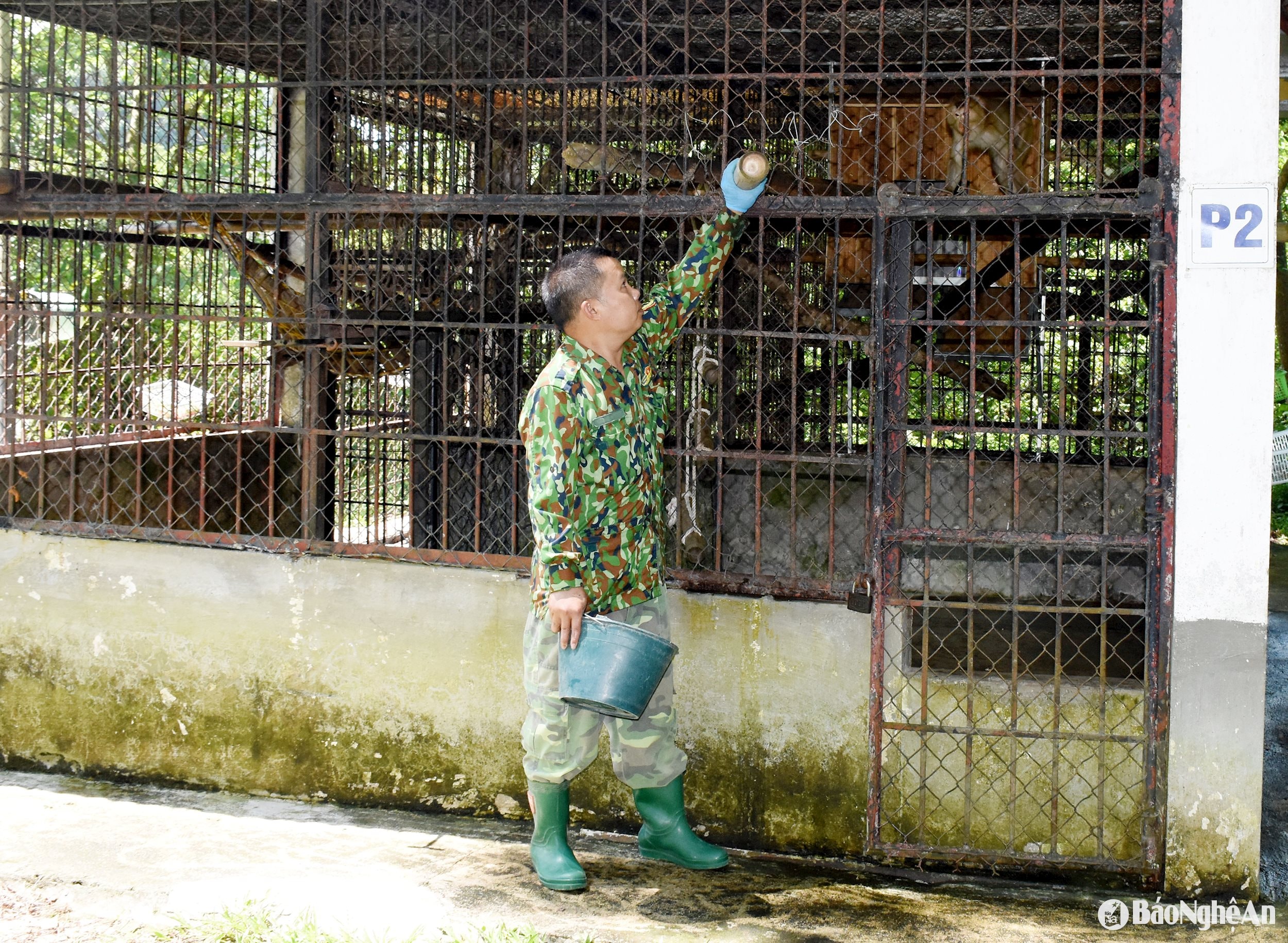
Most of the animals caught in the traps were injured to varying degrees, and Mr. Ha and his colleagues sought solutions to treat and care for them. Minor injuries were not too difficult to treat, but for serious injuries, they had to administer anesthesia for surgery.
The most difficult part is approaching them to subdue and sedate them; they struggle, writhe in pain, and howl heartbreakingly, tearing at anyone's heart. When they wake up, exhausted, these poor animals are cared for by rescue workers, who feed them regularly to help them recover quickly.
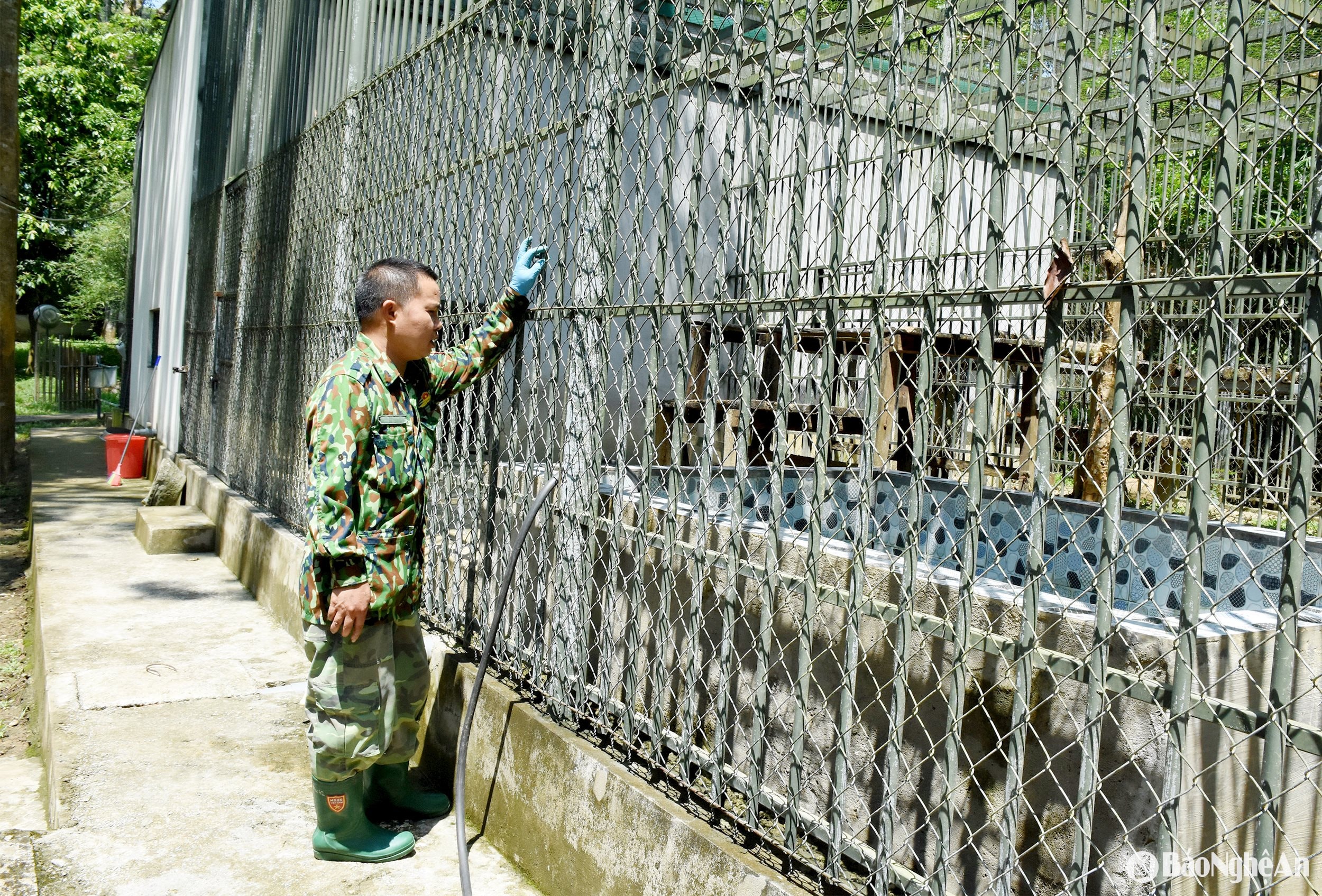
Witnessing the daily work of wildlife rescuers, we are always impressed by their quiet, unassuming yet incredibly helpful nature. Thanks to them, many wild animals that were hunted and trafficked have been cared for and returned to their natural environment, contributing to the balance of the ecosystem.
The staff at the Wildlife Rescue Center are all well-trained, professional, and licensed. Currently, the Center is the only wildlife conservation facility in Nghe An province; many animal species are conserved, rescued, and released back into the natural forest here.”
Mr. Le Anh Tuan - Director of Pu Mat National Park


