
Is it easy or difficult to transfer hospitals for medical examination and treatment covered by health insurance?
Health insurance-covered medical examinations and treatments have facilitated and reduced costs for people seeking medical care. However, many people have reported encountering difficulties when trying to transfer to higher-level hospitals under their health insurance scheme...
Is it easy or difficult to transfer hospitals while covered by health insurance?
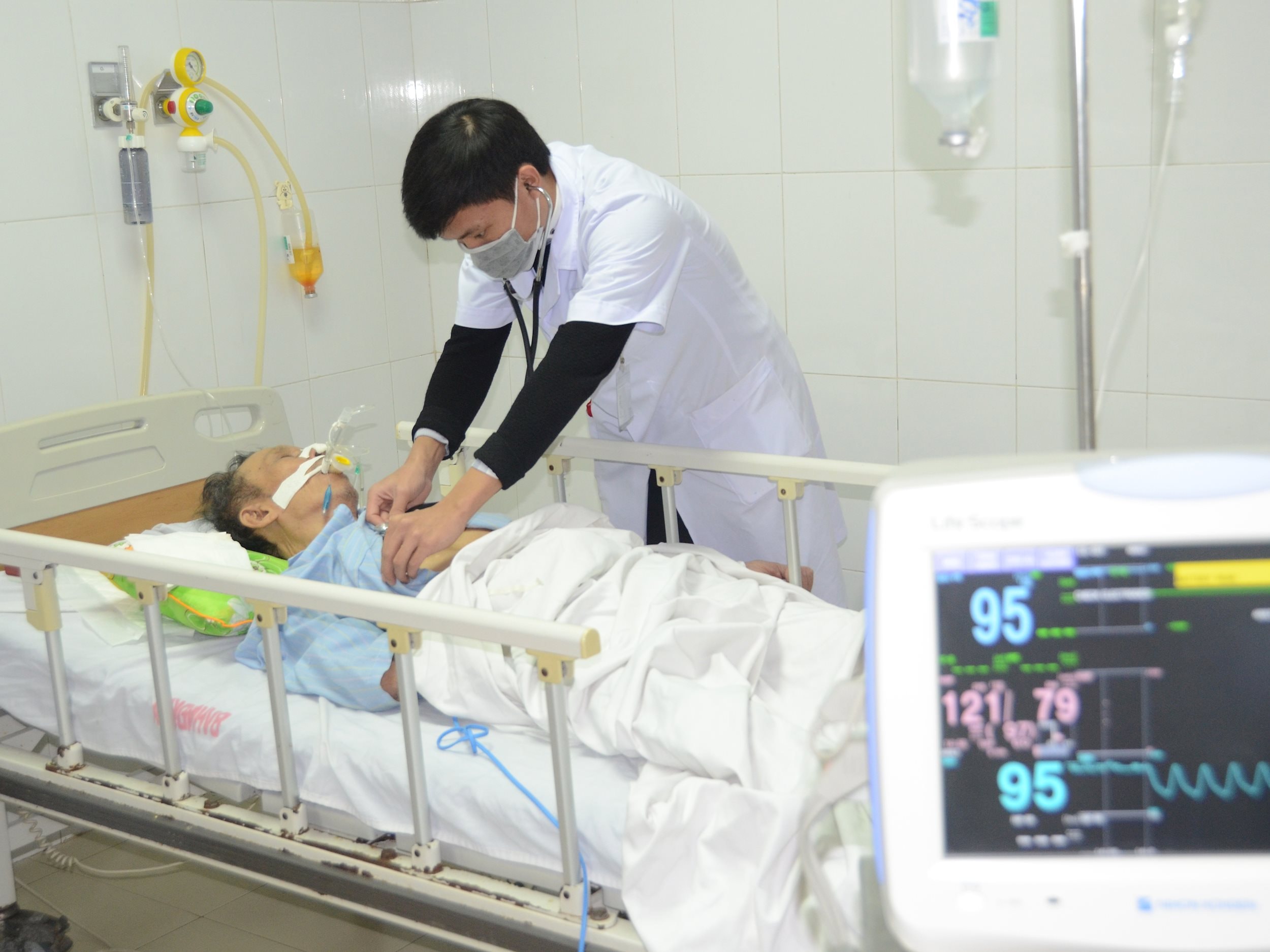
Mr. Nguyen Quoc T., residing in Ben Thuy ward, Vinh City, has had diabetes for many years and frequently visits medical facilities in Vinh City and Nghe An General Hospital. Recently, due to his advanced age, Mr. T. has experienced complications related to his digestive system, heart, eyes, ears, etc., and his family wishes to transfer him to a central-level hospital for examination and treatment under health insurance. However, Mr. T.'s family reports that transferring to a central-level hospital is not simple. Initially, the provincial-level hospital asserted that it has the capacity to control and treat Mr. T.'s current illnesses and does not require a transfer to a higher-level hospital. The hospital stated that if the patient is determined to transfer to a central-level hospital, the hospital will not prevent it, and the patient will receive 60% health insurance coverage according to the regulations of the Ministry of Health.
Similar to Mr. T.'s case mentioned above, many people in several districts of Nghe An province have reported difficulties in transferring patients covered by health insurance from district-level hospitals to provincial-level hospitals. Considering their legitimate needs, patients always want to receive treatment at higher-quality medical facilities and hope to receive the highest possible reimbursement rate from health insurance.
“However, this area needs to be viewed frankly and objectively. Medical facilities in the province have complied with the regulations according to Circular 37/2014/TT-BYT dated November 17, 2014, issued by the Minister of Health, guiding the registration of initial medical examination and treatment and referral for medical examination and treatment under health insurance. For patients seeking medical examination and treatment at the district level or lower, they are entitled to benefits according to the health insurance coverage levels of 100%, 95%, and 80%. In the case of emergency, patients can receive medical examination and treatment at any medical facility within their designated network,” explained Ms. Le Thi Hoai Chung, Director of the Department of Health.
According to Ms. Le Thi Hoai Chung, every year the Department of Health, in coordination with the Provincial Social Insurance Agency, issues guidelines for patient referrals under health insurance in the area, creating the best conditions for patients. In particular, they strictly adhere to Circular 37/2014/TT-BYT dated November 17, 2014, issued by the Minister of Health, which states: “Healthcare facilities shall refer patients from lower-level to higher-level facilities when the disease is not compatible with the diagnostic and treatment capacity or technical catalog of the unit, or when the disease is compatible but the unit lacks the necessary conditions for diagnosis and treatment…”.
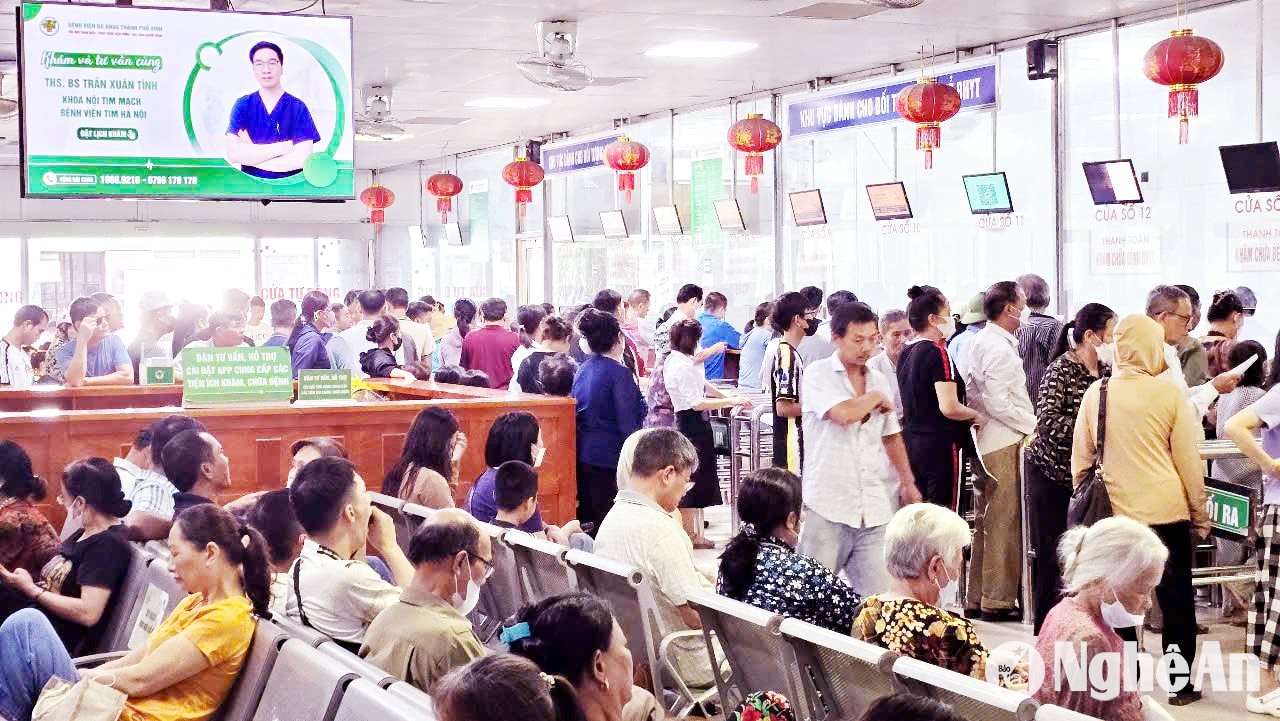
According to the objective assessment of many people, in recent years, the healthcare system at all levels in Nghe An has focused on improving the capacity of doctors and medical staff, purchasing more modern equipment to serve medical examinations and treatment, and effectively carrying out medical examinations and treatments according to the list prescribed by the Ministry of Health.
During the discussion, the Director of Vinh City General Hospital, Nguyen Hong Truong, stated: "Whenever a patient needs to be referred to another hospital, the hospital needs to explain thoroughly so they understand the hospital's treatment capabilities and the regulations of health insurance. Of course, the hospital must comply with all health insurance regulations, without withholding or creating difficulties for patients. The most important thing is that each hospital must improve its medical examination and treatment capabilities and service quality so that people are satisfied and can return to the hospital when they need care."

“If common illnesses can be treated at lower-level medical facilities, there's no need to transfer patients, which is wasteful and puts too much pressure on higher-level facilities. The difficulty in transferring patients for health insurance-covered examinations and treatments lies precisely in this. Under the current system, for common illnesses, people can receive examinations and treatment at higher-level facilities without a referral from the lower-level hospital, and still receive 60% coverage as per health insurance regulations. However, when cases exceed the professional capacity of the facilities, all medical centers in the province decide to transfer patients to higher-level facilities. This is a mandatory regulation of the medical sector according to the law, and it is also the responsibility and ethics of doctors at these medical facilities,” emphasized Ms. Le Thi Hoai Chung.
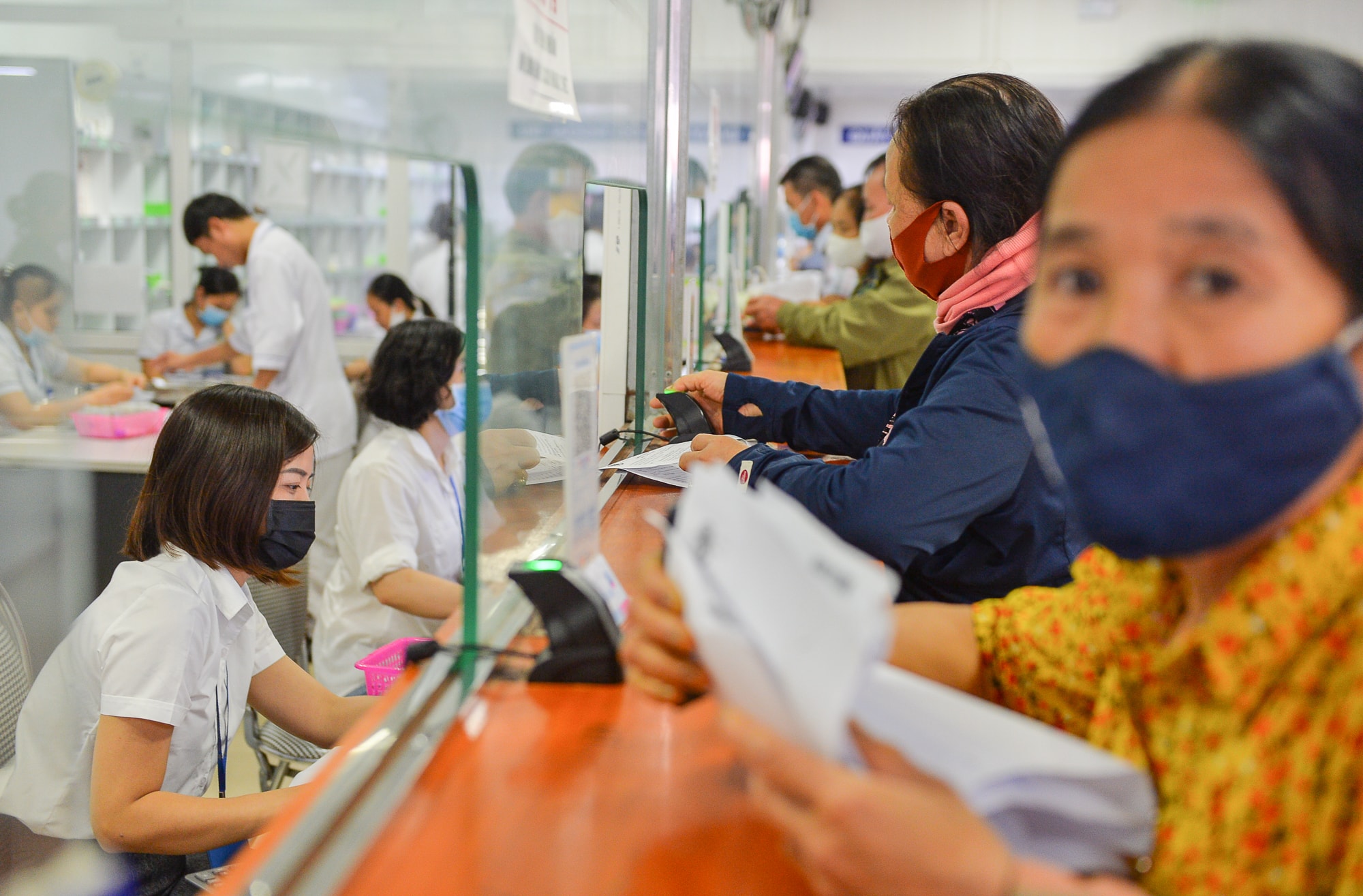
Continue to improve the quality of medical examination and treatment.
The inter-agency Health and Social Insurance Department of Nghe An province has regulations stating that certain diseases, when beyond the professional capacity of lower-level facilities, can be directly transferred from health stations to provincial-level hospitals, for example: cancer, cyclical hemodialysis, etc. On November 27, 2024, the National Assembly passed the Law amending and supplementing several articles of the Health Insurance Law. Accordingly, it added a provision to allow patients to access health insurance-covered medical services such as: telemedicine; patients with confirmed diagnoses for certain rare diseases, critical illnesses, diseases requiring surgery, or the use of high-tech services according to the list of diseases and regulations of the Ministry of Health are entitled to 100% health insurance coverage and do not need to be transferred to a higher-level medical facility for examination and treatment.
Currently, over 92% of the population has health insurance. With innovations in the field of medical examination and treatment, patients in general, and those covered by health insurance in particular, are receiving better care and reduced costs. However, recently many facilities have been experiencing shortages of medicines and medical supplies. This is a common difficulty for the health sector nationwide, as some medicines and medical supplies have not yet found suppliers through the bidding process as required. The health sector is working to resolve this issue to better serve the people's medical needs.
In Nghe An province, there are currently 531 medical facilities contracted to provide health insurance-covered medical examination and treatment services. These include: 1 central-level facility, 12 provincial-level facilities; 59 district-level facilities (34 non-public facilities, including 16 hospitals and 18 polyclinics) and 459 commune-level medical facilities.
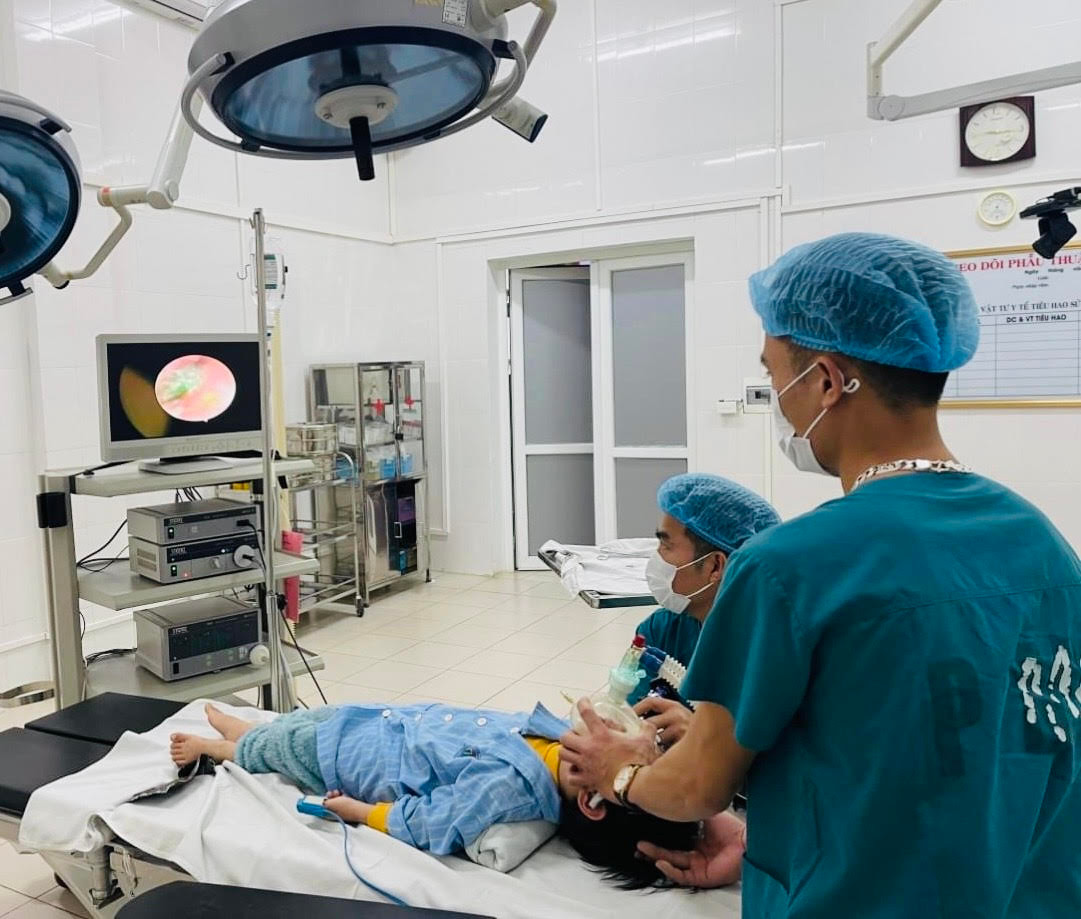
The healthcare system in Nghe An province is relatively well-developed in both general and specialized fields; it has advanced technical expertise and boasts some of the top-ranked private healthcare facilities nationwide. There are two hospitals: Nghe An Friendship General Hospital and the Oncology Hospital, the province's leading general healthcare facility, and 25 specialized hospitals recognized by the Ministry of Health as the highest-level regional hospitals in the North Central region in the fields of Surgery, Internal Medicine, Obstetrics, and Oncology. The number of approved medical procedures for healthcare facilities in Nghe An province exceeds 190,000.
The network of core and satellite healthcare units in Nghe An interacts and supports each other, enabling satellite hospitals to improve their diagnostic and treatment capabilities through enhanced training, infrastructure improvements, upgraded medical equipment, technology transfer, and information technology-based consultations. This strengthens connections with higher-level hospitals and fosters cooperation with numerous hospitals and universities to train and enhance the professional capacity of healthcare staff. Healthcare facilities regularly connect with central-level hospitals, inviting doctors to implement advanced techniques at their units, facilitating technology transfer and improving the skills of medical staff in the province. They also frequently conduct online consultations for remote medical examinations and treatments.
Medical facilities in the province have mastered many advanced and specialized techniques such as: Cardiovascular intervention to treat cardiovascular and cerebrovascular diseases (coronary artery stenting; permanent pacemaker implantation; peripheral artery angioplasty and stenting); angioplasty and treatment of extracranial artery stenosis; radiofrequency ablation for arrhythmias; cerebral artery thrombectomy; thrombolysis for early treatment of cerebral infarction; assisted reproduction, kidney transplantation, organ transplantation from brain-dead donors, jawbone transplantation, visceral vascular intervention, endoscopic nasolacrimal duct anastomosis, etc. These factors contribute to improving the diagnostic and treatment capabilities of the healthcare system in Nghe An, reducing the need for referrals to central hospitals.

In 2024 (up to November), there were 5,308,926 visits for medical examinations and treatment covered by health insurance at medical facilities in Nghe An province (outpatient: 4,549,612, inpatient: 759,314). The total cost was nearly 5,331 billion VND, of which the cost requested for reimbursement by health insurance was nearly 4,817 billion VND.


