
Princess Diana - A beauty with a tragic fate.
(Baonghean) - Nearly 18 years after her death, Princess Diana is still considered one of the most iconic figures of the late 20th century. Throughout her life, she was often praised as a symbol of magnificent and elegant beauty. But above all, the respected Princess of the United Kingdom was loved and admired by the people for her charitable activities, which were considered highly creative and groundbreaking.
In her childhood, Diana was born and raised in an aristocratic family closely related to the royal family. Diana's father was Viscount Edward Spencer of Althorp, a descendant of King Charles II. Diana's mother was Viscountess Althorp, a distant relative of the Queen's mother. When Diana was young, her parents divorced, and her father tried to gain custody of the children. Therefore, Diana lived with her father in the family's Park House before moving to Althorp in 1975. While in school, she wasn't exactly an outstanding student, but she showed a natural talent for music and ballet.
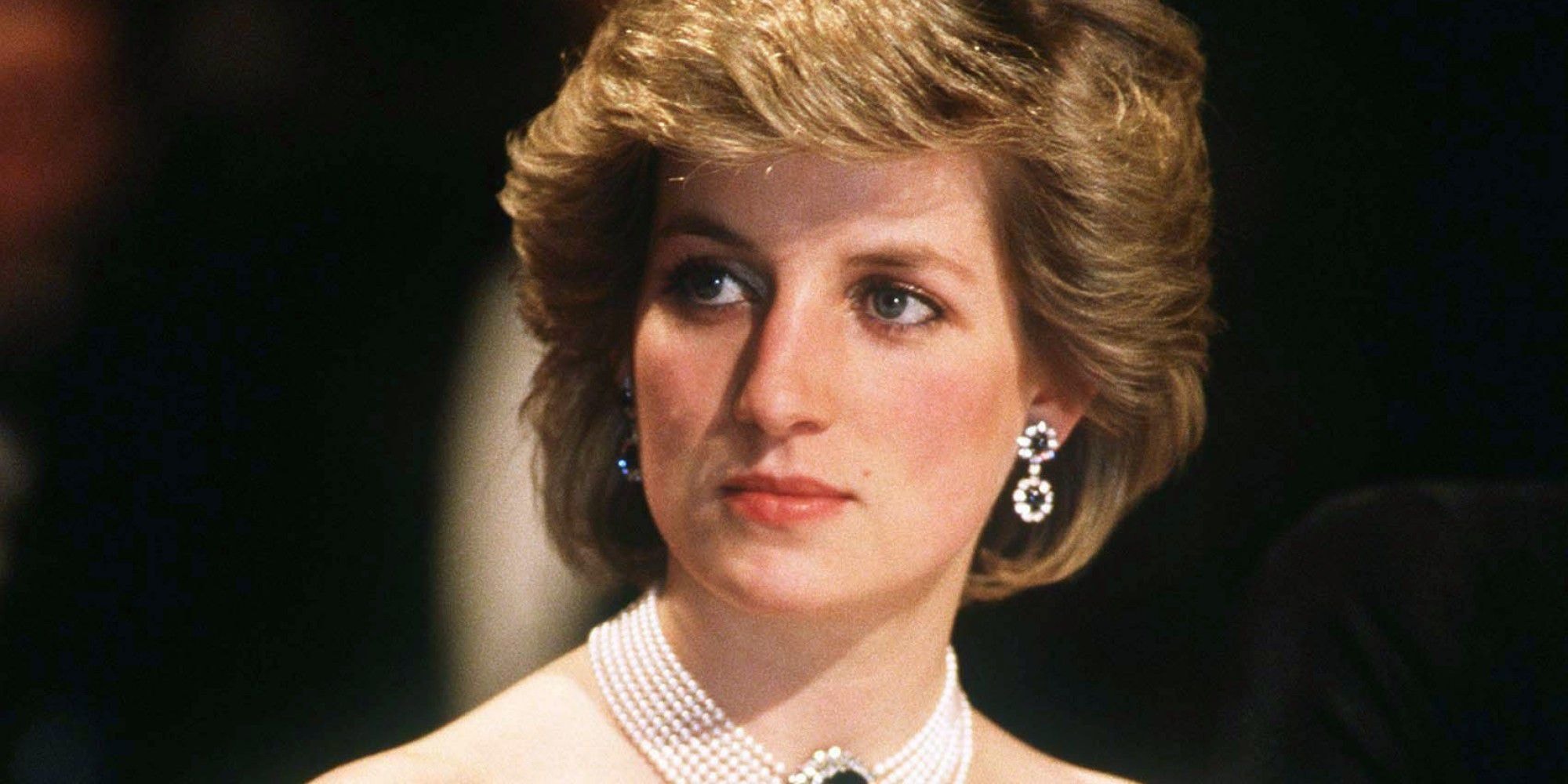 |
| Portrait of Princess Diana. Photo: Internet |
Diana Spencer first met Prince Charles while working part-time as an assistant at a nursery school in London. They officially married in 1981. At the time of the royal wedding, Diana was just 20 years old, 13 years younger than Prince Charles. The British public was quickly captivated by Princess Diana's beauty and saintly demeanor, and the wedding was watched by over a million people worldwide.
After marrying Prince Charles, she became Princess Diana of Wales, giving birth to Prince William and Prince Harry, who are currently second and third in line to the British throne. However, in the mid-1980s, signs of tension and cracks began to appear in the royal marriage, which had been admired by countless people. Under pressure from public opinion, the marriage soon broke down, and the Princess and Prince decided to divorce in 1992. Throughout this period, many believed that Princess Diana suffered from various health problems such as bulimia and depression.
As Princess of Wales, Diana attended numerous ceremonies and important official events, such as the inauguration of new hospitals. Such activities provided a natural environment for her to interact with and actively participate in various charitable works. Her instinctive, unforced empathy and understanding for the sick earned her the admiration of the public.
In 1987, Princess Diana was one of the first celebrities to be photographed with an AIDS patient. This seemingly small and simple act was incredibly significant at the time in changing the public's perception and attitude towards the disease. At that time, many people still believed that AIDS could be easily transmitted through casual contact; this illustrates the immeasurable contributions Princess Diana made to society! Another testament to Diana's tireless philanthropic work is her personal involvement in the campaign to ban landmines.
In January 1997, she visited Angola to survey minefields and inspect the demining efforts. Following her death, the Ottawa Treaty was signed, banning the use of potentially lethal landmines. Many agree that her role and support in this campaign were crucial and influenced the decision to reach the treaty.
Not long before Princess Diana's death, on June 18, 1997, she met Mother Teresa. Both famous figures expressed their admiration for each other. During their conversation, Mother Teresa repeatedly said, "Diana is my daughter." The Princess humbly replied, "And I am Mother Teresa in miniature." In her daily life, despite the scrutiny of paparazzi, Diana remained immensely popular. Her practical approach to charitable work made a strong impression not only on the people of the United Kingdom but also on people around the world, making the image of the London Royal Family more approachable and relatable, rather than distant as before.
The revered Princess of Wales died in a tragic car accident on August 31, 1997. It was initially believed that the car was being pursued by paparazzi, leading to the fatal accident. However, the official investigation revealed that the driver of the car carrying the Princess at the time of the accident showed signs of drug and alcohol use. Nearly two decades have passed, but speculation surrounding Princess Diana's death remains unresolved, debate continues, and the investigation to unravel the mystery of her sudden demise is ongoing.
With her contributions and the special affection bestowed upon her by the public, the passing of Princess Diana profoundly impacted the people of Britain and the international community. In London, there seemed to be no precedent, no greater sorrow and grief than that felt for Princess Diana – a woman who had captured the hearts of the people. Over a million bouquets were solemnly laid at Buckingham Palace in her memory, and her funeral was followed by millions around the world with immeasurable sorrow. Princess Diana's compassionate heart reached the furthest corners of the world, and the entire world expressed its love and sincere appreciation for her contributions.
Thu Giang


