
Lotus root - a nutritious dish you can't miss.
Besides its cooling properties, lotus root powder can also help relieve hangovers and quench thirst after drinking alcohol.
 |
"Miracle cure" for clearing heat, according to ancient people.
Traditional Chinese medicine holds that lotus root is rich in nutrients, a "miracle cure" for clearing heat, and has hemostatic, spleen-strengthening, stomach-nourishing, qi-tonifying, and blood-nourishing effects.
Modern medicine has also shown that this tuber contains 70% starch and many essential minerals such as calcium, iron, phosphorus, vitamin B, vitamin C, fat, protein, sugar, etc.
"The 'Ten Strange Manuscripts' once recorded: Lotus root powder aids digestion, relieves diarrhea, alleviates anxiety, counteracts hangovers, and eliminates thirst after intoxication."
According to "Cuong Muc Thap Di": Lotus root powder regulates the digestive system, stimulates appetite, nourishes bone marrow, benefits blood, has the effect of clearing heat, and when eaten regularly, will calm the mind, improve intelligence, quench thirst, generate fluids, aid digestion, and relieve diarrhea.
The famous Qing Dynasty nutritional book, "Sui Xi Ju Yin Shi Pu" (Dietary Menu for Rest and Recuperation), provides even more detailed information about the effects of this type of food.
Lotus root is said to be a reproductive organ, promoting fluid production, quenching thirst, relieving discomfort, aiding digestion, stimulating appetite, treating diarrhea and dry mouth, beneficial for women after childbirth, stopping bleeding, reducing pain, and when cooked, nourishing the body and generating blood...
 |
Main uses of lotus root
According to Traditional Chinese Medicine, lotus root has two main uses when consumed in the summer:
Replenishing fluids: Lotus root is sweet and juicy, very effective for people with dry mouth, anxiety, constipation, insomnia, and irritability. People who are often thirsty, have a dry throat, and are easily irritated should drink juice made from fresh lotus root, sugarcane, Ophiopogon japonicus, pear, and water chestnut.
Strengthening the spleen and stimulating appetite: Possessing a refreshing aroma, lotus root has the effect of strengthening the spleen and treating diarrhea.
Furthermore, this food stimulates appetite, promotes digestion, acts as an appetizer, and strengthens the spleen.
Traditional Chinese medicine practitioners believe that lotus root, in addition to its heat-clearing effects, also helps nourish yin, generate fluids, moisten the lungs to relieve coughs, strengthen the spleen and replenish qi, disperse stagnation and reduce swelling, stop bleeding, relieve hangovers, and treat vomiting...
In summary, this type of food has the following main nutritional benefits:
1. Hemostasis: The segments of lotus root contain tannins and vitamin K. Meanwhile, fresh lotus root is cooling in nature and has hemostatic effects.
Therefore, people suffering from nosebleeds, coughing up blood, or vomiting blood can use fresh lotus root with water boiled with cogon grass roots or cypress leaves to make a decoction for drinking.
2. Reducing swelling: Many sources on traditional medicine state that "Lotus root juice can disperse blood stasis." Therefore, crushing lotus root to extract its juice or mixing it with alcohol both have the effect of reducing swelling and detoxifying.
3. Laxative effect: Lotus root possesses an extremely rich source of nutrients with protein and low calories, which can help control weight, stabilize blood sugar, triglyceride and cholesterol levels, promote digestion, and prevent constipation and hemorrhoids.
In addition, fresh lotus root mixed with ginger can also treat colitis.
4. Blood tonic and tissue regeneration: Lotus root contains trace elements such as copper, iron, zinc, magnesium, and manganese, along with a rich content of protein, vitamins, and starch.
Therefore, this type of food helps nourish the blood and strengthen the immune system. In particular, among root vegetables, lotus root contains a relatively high amount of iron, making it especially suitable for people with anemia.
Lotus root powder has the effect of nourishing yin and replenishing blood, making it suitable for people with anemia, easy fatigue, poor appetite, and loss of appetite.
5. Calming and soothing the mind: Lotus root contains many B vitamins (especially B6), which help reduce irritability and discomfort, soothe headaches, relieve stress, improve mood, and reduce the risk of hypoglycemia.
6. Treating coughs and phlegm: Lotus root juice can be used to soothe coughs, clear phlegm, and reduce asthma and bronchitis. Lotus root tea is also effective in treating coughs and expelling phlegm.
7. Cancer prevention: Modern medical research has confirmed that phenols and vitamin C found in fresh lotus root can boost the immune system, delay aging, and prevent cancer.
Note: People with a cold constitution or weak spleen and stomach should eat lotus root while it is still hot.
In addition, it should be noted that although raw lotus root has many health benefits, it is considered to have a cooling nature.
Traditional Chinese medicine practitioners advise that people prone to bloating, diarrhea, fear of cold, cold hands and feet, those with a cold constitution, or those with weak spleen and stomach should eat cooked lotus root and avoid eating too much raw lotus root to prevent indigestion and adverse effects on the digestive system.
3 principles for selecting and preparing lotus root.
 |
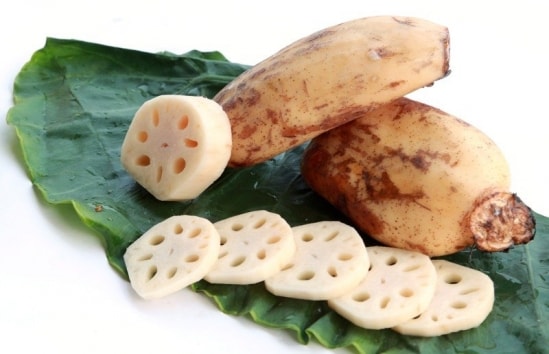
- When buying lotus roots, choose those with a dark yellow outer skin and thick, white flesh. Avoid those that are discolored, have dry flesh, or have a strange smell.
- If lotus roots are not going to be cooked immediately, store them whole in a cool, dry place.
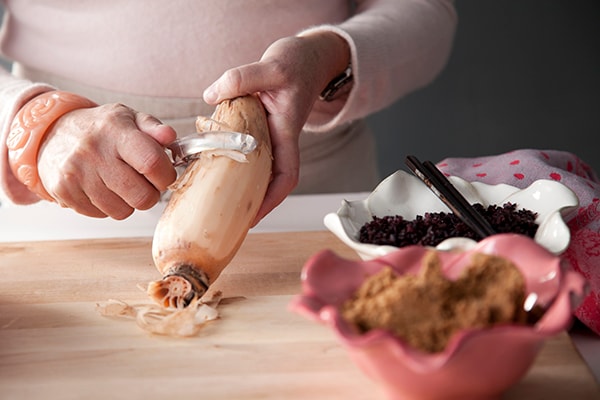
After peeling the outer layer, lotus roots often turn brown, so they should be soaked in cold water mixed with vinegar for about 5-10 minutes, then rinsed with cold water to maintain their white color and crispness.
- Avoid using iron pans to boil lotus root to prevent it from turning black. Also, when stir-frying lotus root, you can add a little water to help the dish retain its bright color.
Here's how to prepare two "specialty" dishes from lotus root.
 |
1. Fresh lotus root tea
Ingredients: 50g fresh lotus root, half a bowl of water, and a suitable amount of sugar.
Preparation: Slice fresh lotus root thinly and put it in a pot. Add half a bowl of water and sugar, bring to a boil, let cool, and then drink.
Effects: Clears heat and detoxifies, promotes qi circulation, nourishes blood, relieves anxiety, quenches thirst, improves eyesight, promotes urination, relieves hangovers and sunstroke.
2. Lotus root juice
Ingredients: 250ml fresh milk, 50ml each of fresh lotus root juice and fresh pear juice, 5ml each of ginger juice and chives juice.
Preparation: Mix fresh lotus root juice, fresh pear juice, ginger juice, and chives juice with fresh milk, simmer over low heat until boiling, then serve.
Effects: Take 1 to 2 times daily for 3 to 5 consecutive days; it helps to strengthen the spleen and stimulate appetite.
According to Young Knowledge
| RELATED NEWS |
|---|


