
Ví and Giặm folk songs have spread far and wide 10 years after being recognized by UNESCO.
Ví and Giặm folk songs are the sacred core of the language and culture of the people of Nghe An, shaped by the Nghe style. These are the simple, honest people of a land with picturesque but arduous landscapes, who have forged the character and essence of the Nghe An people.
Ví and Giặm folk songs are the soul of the people of Nghe An.
According to the natural mechanisms and laws of life's development,Folk songs of Nghe AnThey are gradually fading away. The folk songs, chants, and call-and-response songs sung on the river, in the fields, and in the mountains... are becoming less common and have shifted to other forms such as festival songs and funeral songs...
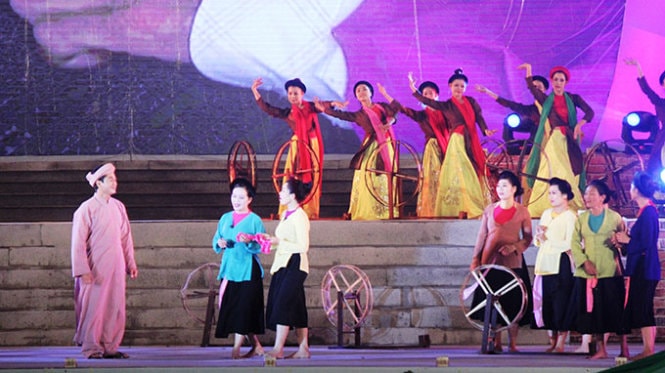
If folk songs were sung without call and response, they would gradually become monotonous and unable to convey the full message. Therefore, researchers and musicians began to upgrade them by staging folk songs. In this innovative research, while preserving the ancient melodies, authors also incorporated structures from traditional Vietnamese opera (chèo), adapting the tunes and melodies, using the Nghệ An dialect and regional accents to create melodies suitable for dramatic situations. As a result, we now have a complete system of adapted melodies that are very effective on stage.
Throughout its long history of development and existence, the Ví Giặm folk songs of Nghệ Tĩnh have undergone three major transformations. Initially, only the performance methods and locations changed, while the traditional Ví Giặm music and lyrics remained preserved (the exact timeframe is unknown). The earliest transformation of Ví Giặm into a recreational performance space likely occurred with the involvement of itinerant singers. Those who loved Ví Giặm also created countless lyrics with different content and melodic arrangements for community performances.
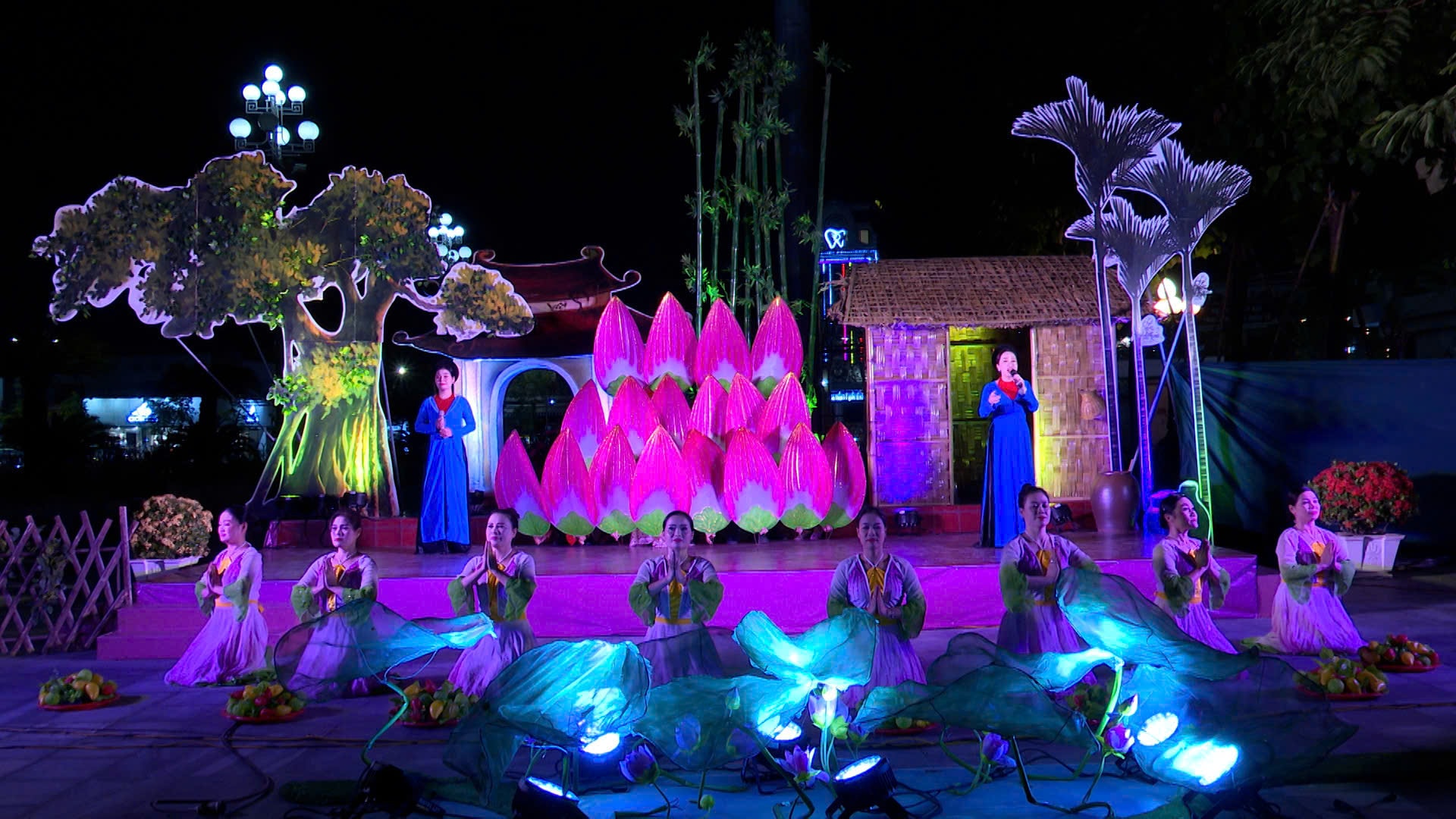
Furthermore, around the mid-20th century, the Ví and Giặm folk songs were transformed into a means of expressing the situations and emotions of characters in Ví and Giặm theatrical performances. Therefore, folk music and lyrics were replaced by songs and music that served the dramatic story and characters. Thus, it is clear that Ví and Giặm folk songs were not only preserved in their original form but also underwent qualitative development, evolving from folk singing to professional music, and then to theatrical singing.
The most significant changes occurred from 1967 onwards, such as:It wasn't me, when the team was away.and separatelyThe girl from the Lam River...The authors wrote many melodies not only from the original folk songs of the Ví and Giặm genres, such as...Anger and sorrow, songs of advice…but also the main melodies are adaptations from Cheo and other genres such as:Ambiguous, Four Flowers…With over 80 melodies created, it was a leap forward that gave the Ví and Giặm folk songs a new lease of life.
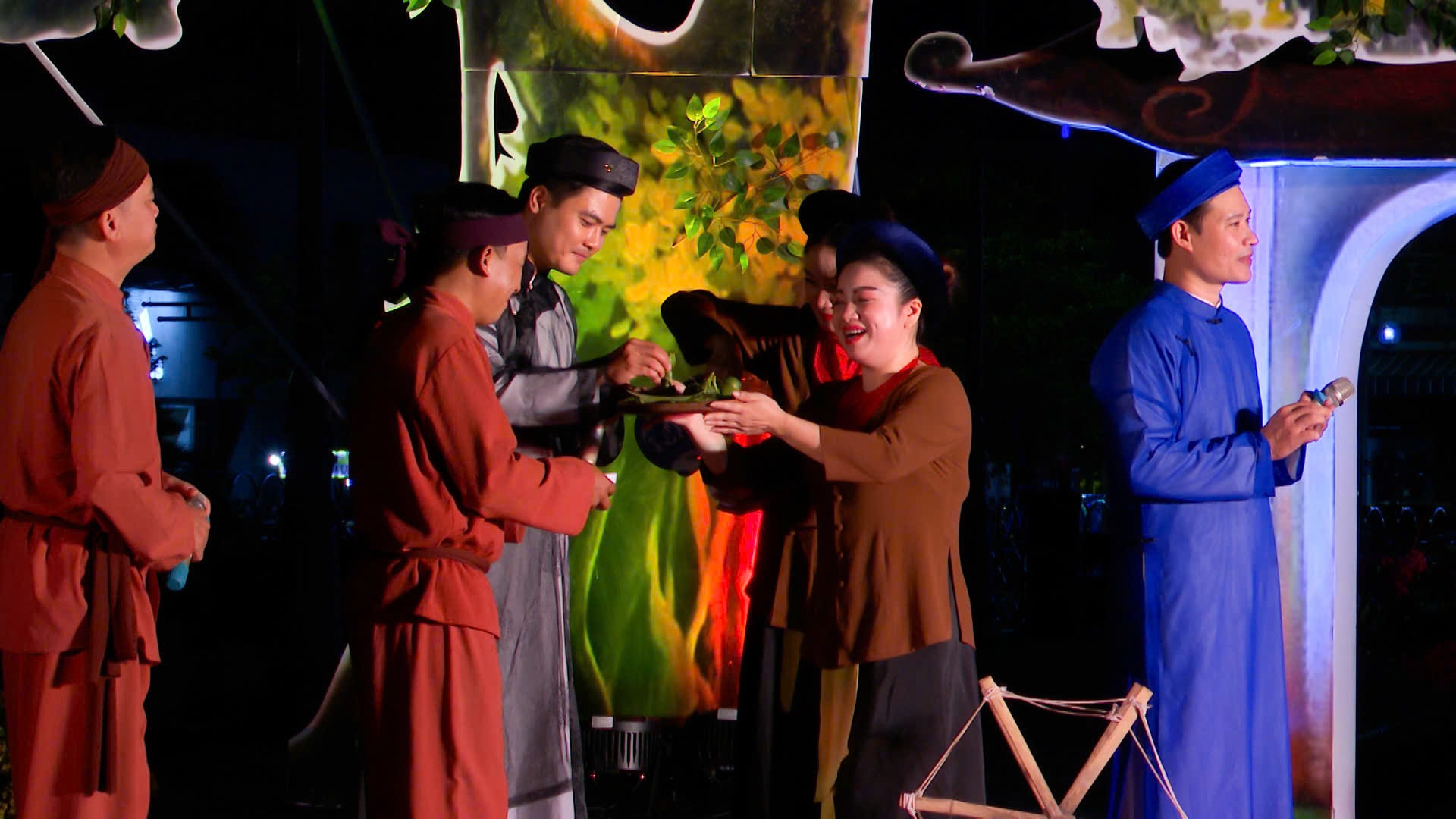
The new life of Ví Giặm folk songs.
Currently, we are witnessing the third transformation, a reciprocal interaction between these two art forms, 10 years after the folk songs of Ví and Giặm were recognized by UNESCO (2014). The melodies used in folk opera have been adapted by the people into short plays to serve community cultural activities, such as:Singing Advice, Four-line SonghWow, a toad!...
The Ví and Giặm folk songs continue to adapt and thrive in contemporary society. The folk singing movement has been enhanced, especially since its recognition by UNESCO, serving as an encouragement for the people of Nghe An province. This enthusiasm extends beyond the people; all levels of government have become strongly involved. Annual performances and festivals are organized at the ward, commune, and village levels, involving youth and women's organizations. Folk songs are sung everywhere; wherever there are people from Nghe An, Ví and Giặm folk songs are present. Many composers have written songs and choral works based on Ví and Giặm folk songs, creating a strong impetus for the community nationwide and internationally.
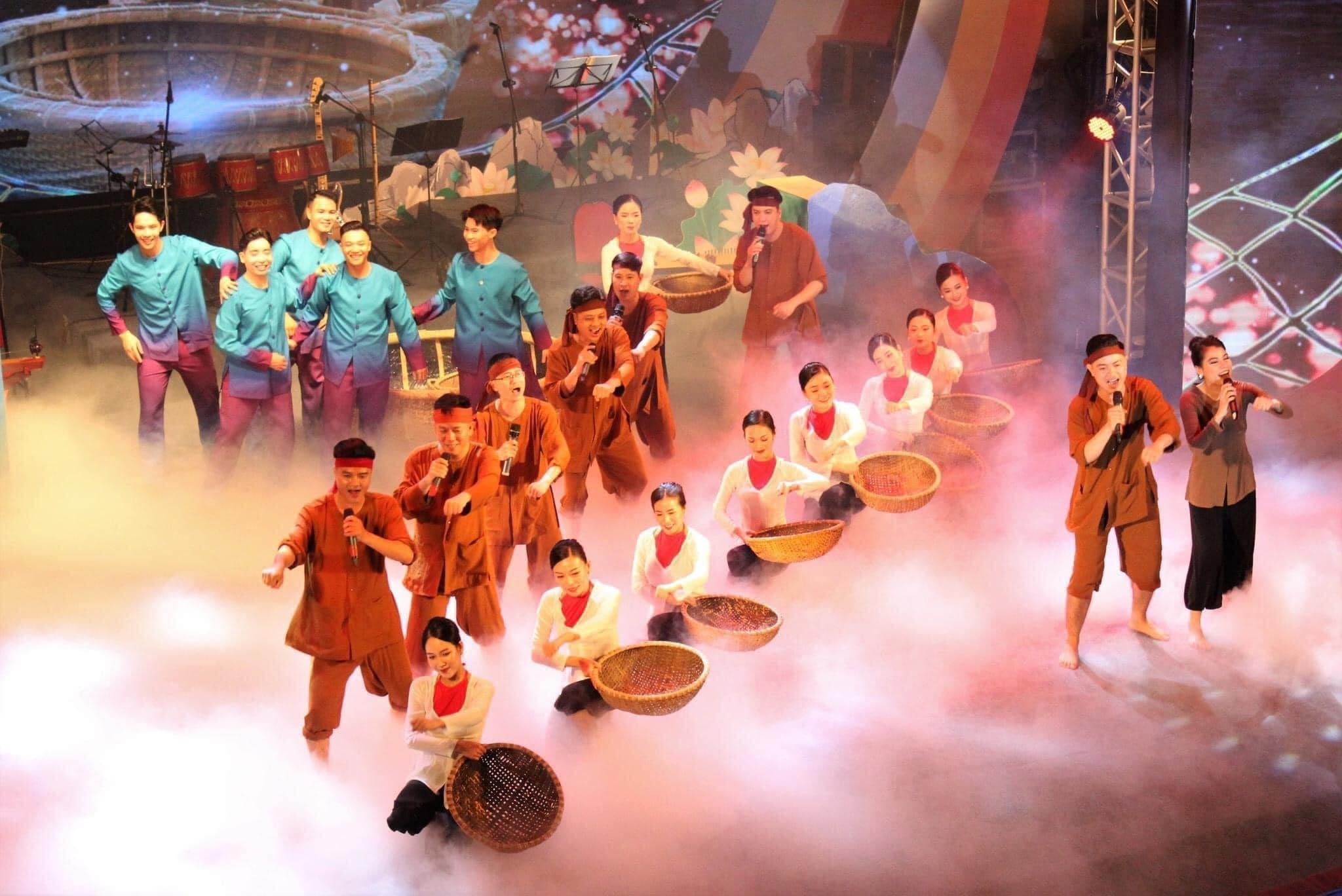
Based on preserving the original ancient melodies and continuing to develop them to this day, the Ví and Giặm folk songs have only experimented with melodies, call-and-response, and theatrical adaptations, but have never had a written performance script. The pinnacle of call-and-response singing is “"Testing loyalty"Compiled by the late Meritorious Artist Dinh Bao, The poor man sings teasing songsby People's Artist Tiến Dũng.
To revive the theatrical performances, in 2007, People's Artist Hong Luu drew inspiration and a title from a painting by the late artist Tieu Cao Son. The first theatrical script was "Moonlit night in the weaving village"That's how it was born. She used the basic 3 stages and 9 steps of call-and-response singing from the folk songs of Nam Dan and Truong Luu as the foundation, then added more folk songs and melodies to enrich it so that it could be performed on stage."
Initially, public opinion and the press disagreed, but gradually they accepted it, and now the performances of People's Artist An Ninh include:Fishing village boys - textile village girls; Lam River in the red afternoon sun; Hat-making village…or likeThe Song of the Fields…The work of amateur author and Meritorious Artist Cao Xuân Thưởng has enriched and added more variety to the Ví and Giặm folk songs.
Specifically, in the Program: “Celebrating the 10th anniversary of Nghe Tinh folk songs being inscribed on UNESCO."From here, People's Artist An Ninh and People's Artist Hong Luu will continue to experiment with original folk songs, ancient lyrics, and traditional crafts.""Pot Village"against a backdrop of contemporary music, Xẩm (traditional Vietnamese folk singing) on a Rap and Hip-hop background."Folk songs and melodies that bring the spirit of the homeland shine through.”The aim is to make it more accessible to young people, not only those in Nghe An province but also, hopefully, those around the world.
Artist Le Thanh Phong is also doing a great job practicing Nghe Tinh folk music by modernizing folk melodies and combining them with familiar songs in new genres.Traditional and modern fusion music - Four Flowers, Folk songs set to rhythmic melodies…
The People's Committee of Nghe An province is implementing the project "Protecting and Promoting the Value of the Nghe Tinh Folk Song Heritage in Nghe An Province, giai đoạn 2021 – 2025". The Provincial Traditional Arts Center is opening classes to teach folk songs to talented students in the districts during the summer.
The "Master of the Art - Folk Song Performance Space" at Ho Chi Minh Square in Vinh City on the weekend attracted a large audience as well as prominent figures from across the country.
In addition, training courses for artisans are held annually. The first training course on composing lyrics for Nghe Tinh folk songs was organized in October 2024, and a writing competition was held, which was very successful. It is hoped that this will be the most effective resource to utilize among the people for the future of Vi and Giam folk songs.
The folk singing clubs in Vinh City always organize folk singing performances on the pedestrian streets on weekends. Thus, folk singing has taken to the streets, blending with the tastes of the locals and tourists who enjoy street culture.
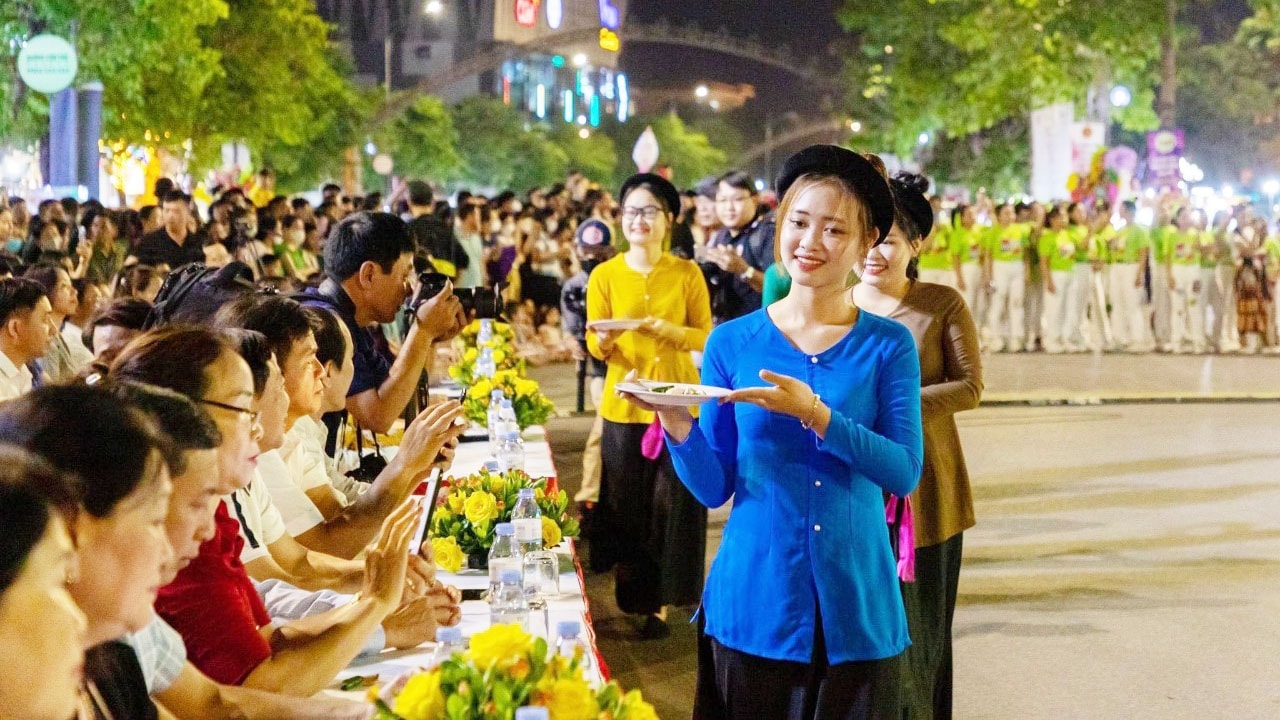
Over the past period, many artisans, artists, and cultural figures have joined forces to help the Ví and Giặm folk songs mature, affirming that not only the people of Nghe An but also all folk music lovers believe that we are very worthy of an intangible cultural heritage that UNESCO has inscribed.
The richness and diversity of folk songs in general, and the Ví and Giặm styles in particular, are the result of the creative talent of the Vietnamese people from generation to generation, allowing the world to recognize a global folk tradition. Their rise and fall depend on many factors, and the role of those working in the fields of music, art, and culture is like laying the foundation stone on the path for the development of Ví and Giặm folk songs to reach further.
From November 22nd to 30th, many special activities will take place in Nghe An and Ha Tinh provinces to celebrate the 10 folk songs of the Vi and Giam genres that have been recognized by UNESCO.
- In Nghe An province, there are two main activities: the celebration of the 10th anniversary of the Nghe Tinh folk singing heritage being inscribed by UNESCO, and the exhibition "Colors of Vietnamese cultural heritage, nature and traditional handicrafts".
In addition, there are other special activities such as: the Traditional Folk Art Festival "Vietnam - Colors of Heritage"; the Award Ceremony for the Songwriting and Lyrics Competition for Vi and Giam folk songs; the Light Sculpture Art Exhibition; the "Vietnamese Ao Dai" Exhibition; and various art exchange programs.
- In Ha Tinh province, the activities include: the "Returning to the Land of Vi and Giam Folk Songs - Connecting the Quintessence of Heritage" Festival and the televised art program "The Two Shores of Vi and Giam Folk Songs"; the Festival of Intangible Cultural Heritage of Vietnam inscribed by UNESCO; and the National Conference and Workshop to evaluate the work of preserving and promoting the value of the Vi and Giam folk song heritage of Nghe Tinh.


