
New developments in urban transportation in Vinh.
Many important transportation projects in Vinh City have been completed and put into operation, contributing to creating momentum for economic development and attracting investment for the city in particular and Nghe An province in general.
Developing urban external transportation
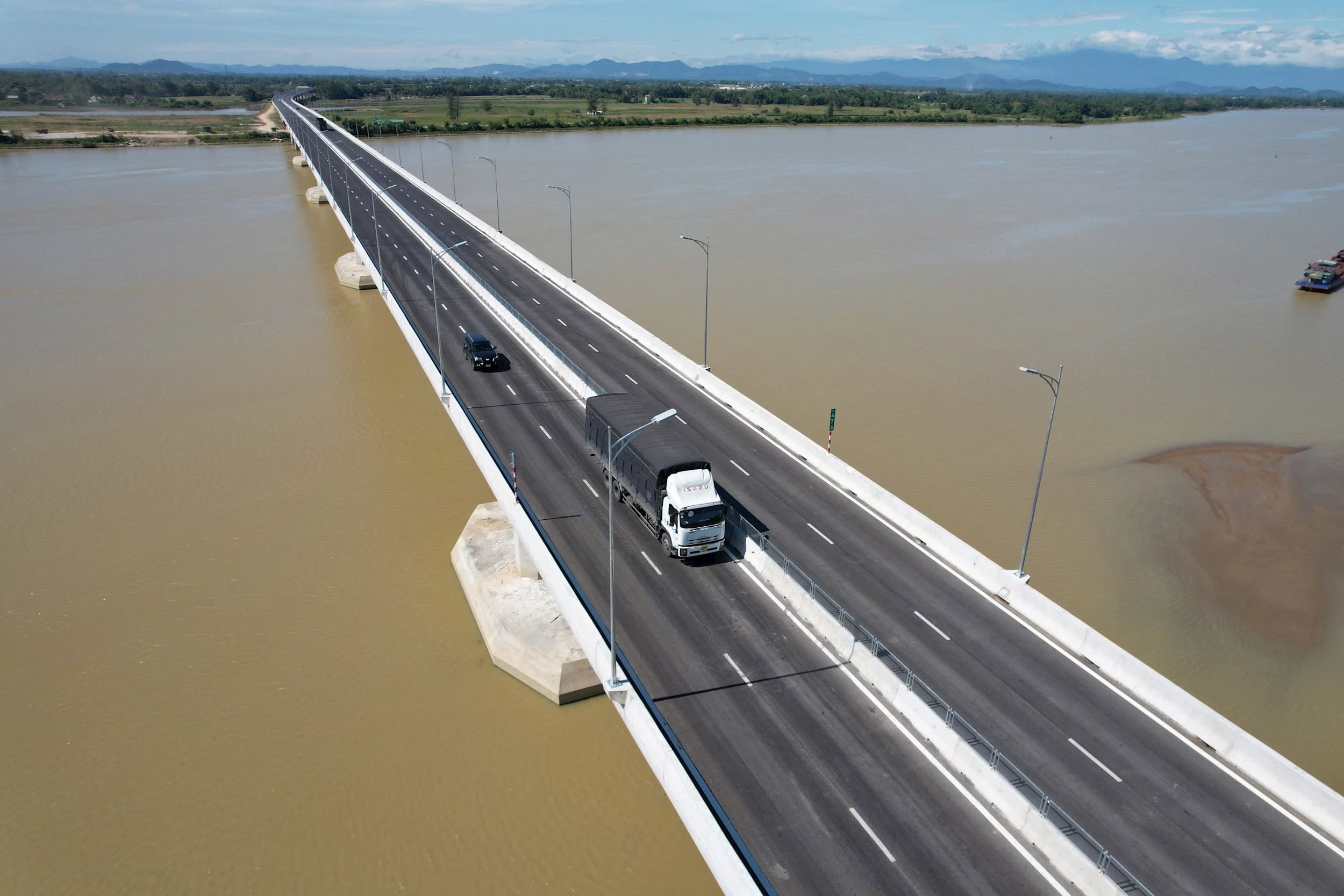
Vinh City, through its development process, has a very convenient external transportation system with national highways running along the North-South and East-West axes. These include National Highway 1A running through the city center for 15 km, a bypass section of National Highway 1A on the west to alleviate traffic congestion in the central area, and other national highways such as National Highway 46, National Highway 46B, National Highway 46C, Provincial Road 535B, Provincial Road 542B, etc.
Especially recently, the road systemNorth-South Expressway The completed road, passing through Nghe An province, is located adjacent to the city and connects with National Highway 46, National Highway 46B, and Dang Thai Mai road, making it very convenient for people to travel throughout the country.
Furthermore, the opening of the Vinh - Cua Lo Boulevard, the city's largest boulevard spanning nearly 10 km, marks a significant milestone, affirming that the transportation system in Vinh has seamlessly connected various axes, facilitating convenient travel and creating important conditions for the unification of the two major urban areas: Vinh City and Cua Lo Town.
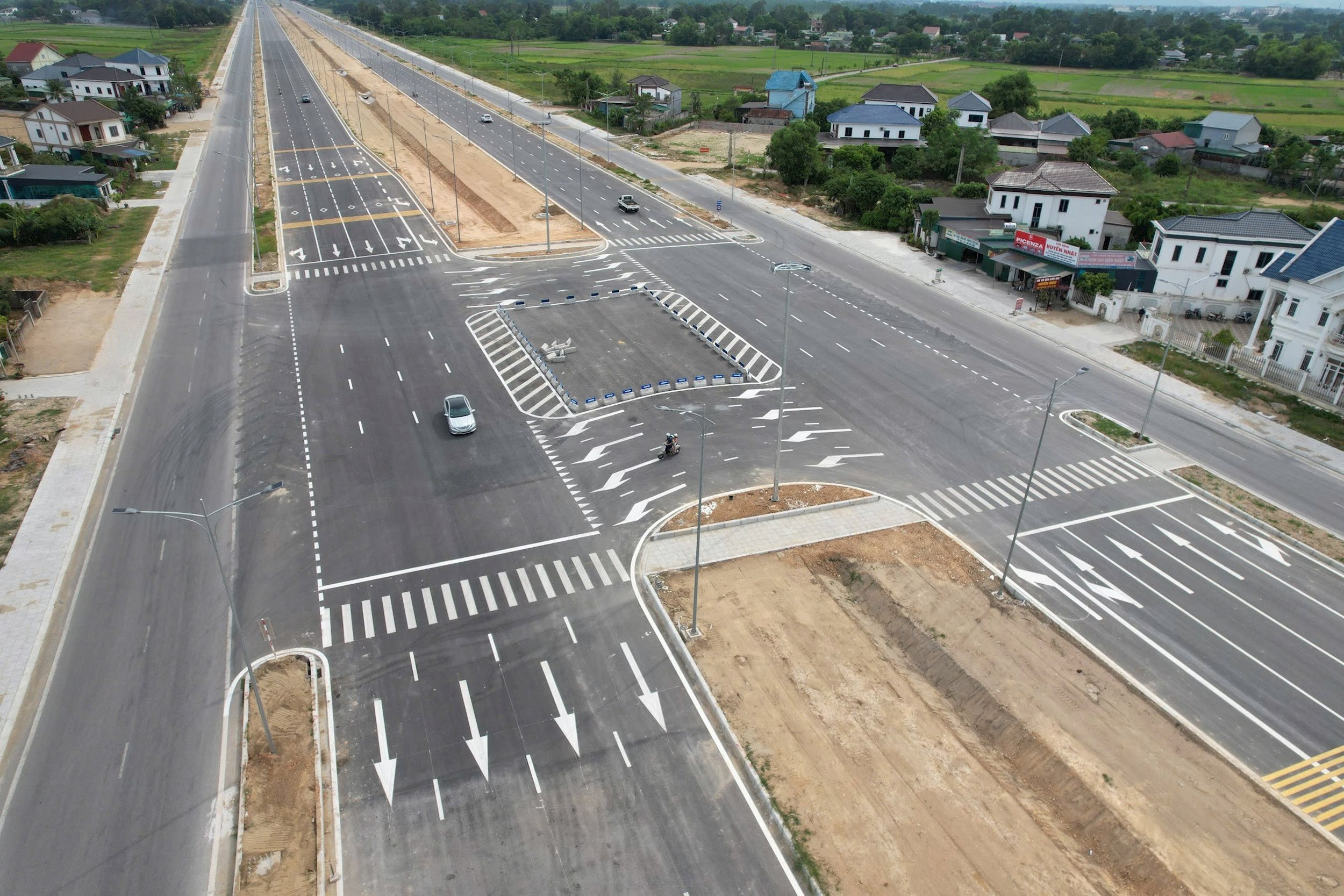
In the future, with its expansion eastward, Vinh City will have the added advantage of a coastal road running along Cua Lo town, connecting to Binh Minh road in the town and to the Vinh - Cua Lo boulevard.
The city also has the extended Nguyen Sy Sach road, stretching 6.3 km down to the Lam River and passing through the city's largest urban area, Ecopark, covering 200 hectares. This is also an extremely important and new transportation route connecting Vinh with Cua Lo and Vinh with Ha Tinh. When the Vinh-Cua Lo Boulevard and the extended Nguyen Sy Sach road are completed, they will create new land on both sides of the route, attracting many investment projects and generating profitable value for the eastern part of the city.
LiftUpgrading and improving inner-city transportation
2024 marked another success for the city when the land for the extended Hai Thuong Lan Ong road was completely cleared, creating favorable conditions for the construction unit.Hai Thuong Lan Ong StreetInitially only 5-6m wide, after upgrading and investment, it will become a 2-lane road, 24m wide, including a 12m road surface, 2 x 6m sidewalks, and an asphalt surface. It can be said that this has become a new prime piece of real estate in the city.
The extended section of Ly Thuong Kiet Street, spanning 1.06 km, has also just been completed. This challenging land clearance project, connecting the intersection with Le Loi Street to Nguyen Van Cu Street, is now finished. With a width of 24 meters, it creates a new intersection axis, transforming the streets and significantly reducing traffic congestion.
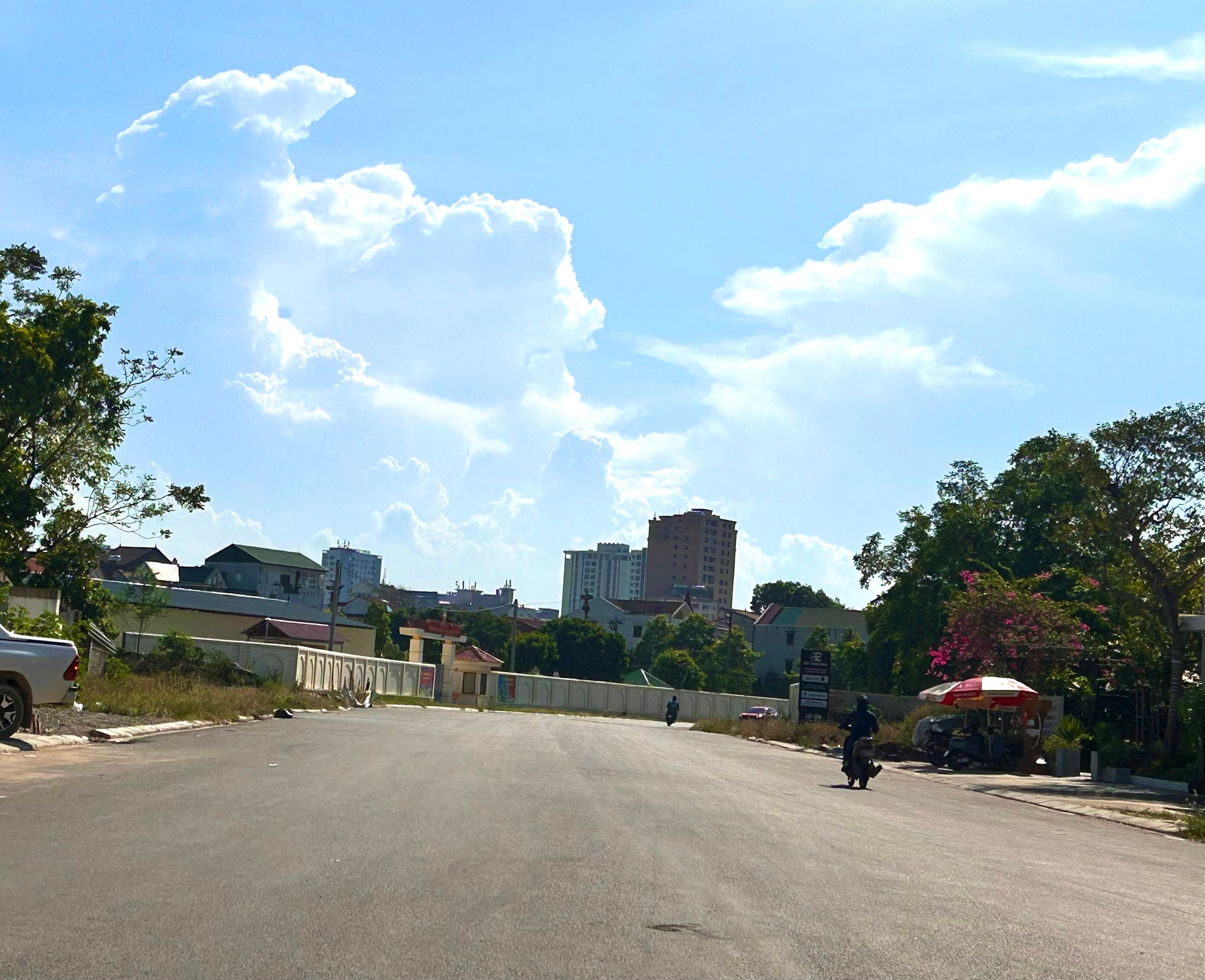
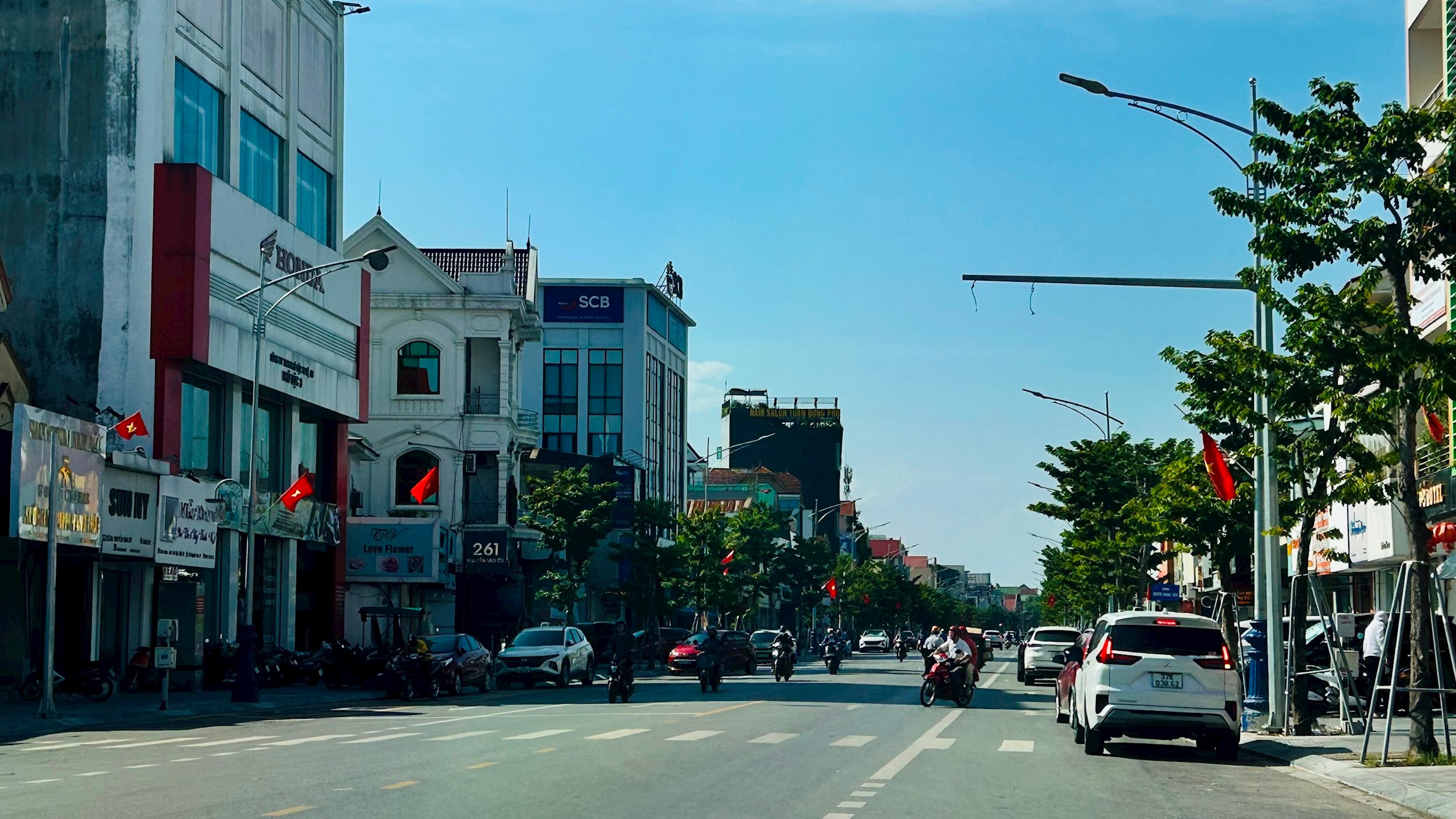
The newly renovated and upgraded Nguyen Van Cu road in 2023 now connects to the extended Ly Thuong Kiet road, creating a spacious and orderly inner-city area. This improved transportation system has led to the development of commercial services, including cafes, restaurants, supermarkets, and entertainment centers, creating more jobs for the people and enhancing the urban landscape.
The inner-city road network has now been paved with asphalt or concrete, with a road density of 12 km/km.2For communes located far from the city center, such as Nghi Duc and Hung Dong, inter-commune and inter-village roads have also been upgraded and widened, with sidewalks, trees, drainage infrastructure, and lighting systems being improved quite comprehensively, basically meeting the needs of people's transportation and production development. Currently, the city is continuing to renovate Le Nin Street, Le Hong Phong Street, and the drainage system in some main streets to gradually complete the infrastructure of the inner city area...
Vinh City currently has three bus stations: Vinh North Bus Station (Nghi Kim commune), Vinh South Bus Station (near Ben Thuy II bridge), and the East Bus Station (Hamlet 3, Nghi Phu commune). In addition, the city has parking lots and tourist vehicle storage facilities to meet parking needs, but these are not yet sufficient to prevent traffic congestion during holidays and Tet (Lunar New Year).
The city's public transport system currently has 16 bus routes in operation, including: Route 01 - Ben Thuy Bridge to Cua Lo town; Route 03 - Ben Thuy Bridge to Do Luong district; Route 04 - Vinh City to Hoang Mai town; and routes to Con Cuong and Anh Son districts, etc. On average, there are about 250 bus trips daily from Vinh City to localities within and outside the province. Regarding railway transport, Vinh Station is a large and important station on the North-South route; all trains nationwide stop at Vinh Station to pick up and drop off passengers.
Vinh Station has an area of 16,500 m².2Located in Hung Dong commune and Quan Bau ward. Besides the Thong Nhat trains, Vinh station also has trains from Vinh to the North (NA1, NA2) and to the Central region (VQ1, VQ2).
Currently, the Ministry of Transport is conducting a feasibility study for a high-speed railway project. The study plans to include a railway station in Hung Tay commune, Hung Nguyen district, adjacent to Vinh city, to help meet the transportation needs of residents and tourists.
According to the Vinh Airport leadership: Vinh Airport is an international airport, meeting the needs of domestic and international passenger and cargo transportation (previously there were flights to Thailand and Laos, currently there are flights to Taiwan, 2 flights a month), with 16-17 flights per day.
Currently, the Airports Corporation of Vietnam (ACV) is the investor implementing the project to expand and renovate the aircraft parking area at Vinh International Airport, with a total investment of VND 233.6 billion. According to the Vietnam Airport System Plan for the period 2021-2030, Vinh International Airport is a 4E-class airport with a total area of 557 hectares and a designed capacity to serve 8 million passengers per year, ranking fourth among the 14 international airports in Vietnam.

Mr. Tran Ngoc Tu, Chairman of the Vinh City People's Committee, stated: The Central Government has identified Vinh City as the economic and cultural center of the North Central region, and a driving force for growth in Nghe An province, in accordance with Resolution 39 of the Politburo on the construction and development of Nghe An until 2030, with a vision to 2045. Recently, on July 16, 2024, the Standing Committee of the Nghe An Provincial Party Committee issued Resolution No. 16-NQ/TU on the construction and development of Vinh City until 2030, with a vision to 2045, which provides important legal grounds for the city.
Vinh City will implement the above resolutions according to a roadmap to gradually achieve the set goals. Accordingly, it will mobilize all resources to invest in building a synchronous and modern infrastructure. Priority will be given to investing in and constructing key transportation infrastructure projects with high connectivity and spillover effects, creating momentum to promote development, and expanding urban areas; and renovating and upgrading the inner-city transportation network.
Promote the socialization of investment in upgrading the lighting and decorative lighting systems, urban beautification, and public services; develop parks, gardens, and green spaces. Gradually underground the power transmission and communication cable systems; complete the water supply, drainage, and wastewater treatment networks, and improve environmental sanitation. Gradually build and develop Vinh City into a smart, modern, bright, green, clean, beautiful, and safe city...


