
To bring the quality of education in mountainous areas closer to that of lowland areas.
Bridging the regional gap and improving the quality of education in mountainous areas is one of the key tasks of the Nghe An Education Department.
Investing resources in education
On a late October afternoon, at the school gate...Que Phong Ethnic Boarding Junior High SchoolMany parents came to visit and pick up their children. Although their faces still showed signs of hardship, when asked about their children, many parents expressed pride. Ms. Vy Thi Huong, from Na Lanh village (Tri Le commune), has two children, and only her second son, Lau A Bao, was admitted to class 6A1 of the district's boarding school this year.
Since her child started studying far from home, the family only brings her home once a month, at the end of the month. Although separated from her child at such a young age, she is always reassured because the children have dedicated teachers at school who care for and teach them very attentively. "This year, only one student from my village passed the entrance exam to the district's boarding school, so my family is very happy. The government is taking care of her education here, and she'll be studying in an environment with many bright students, so my family feels very secure," Ms. Huong added.
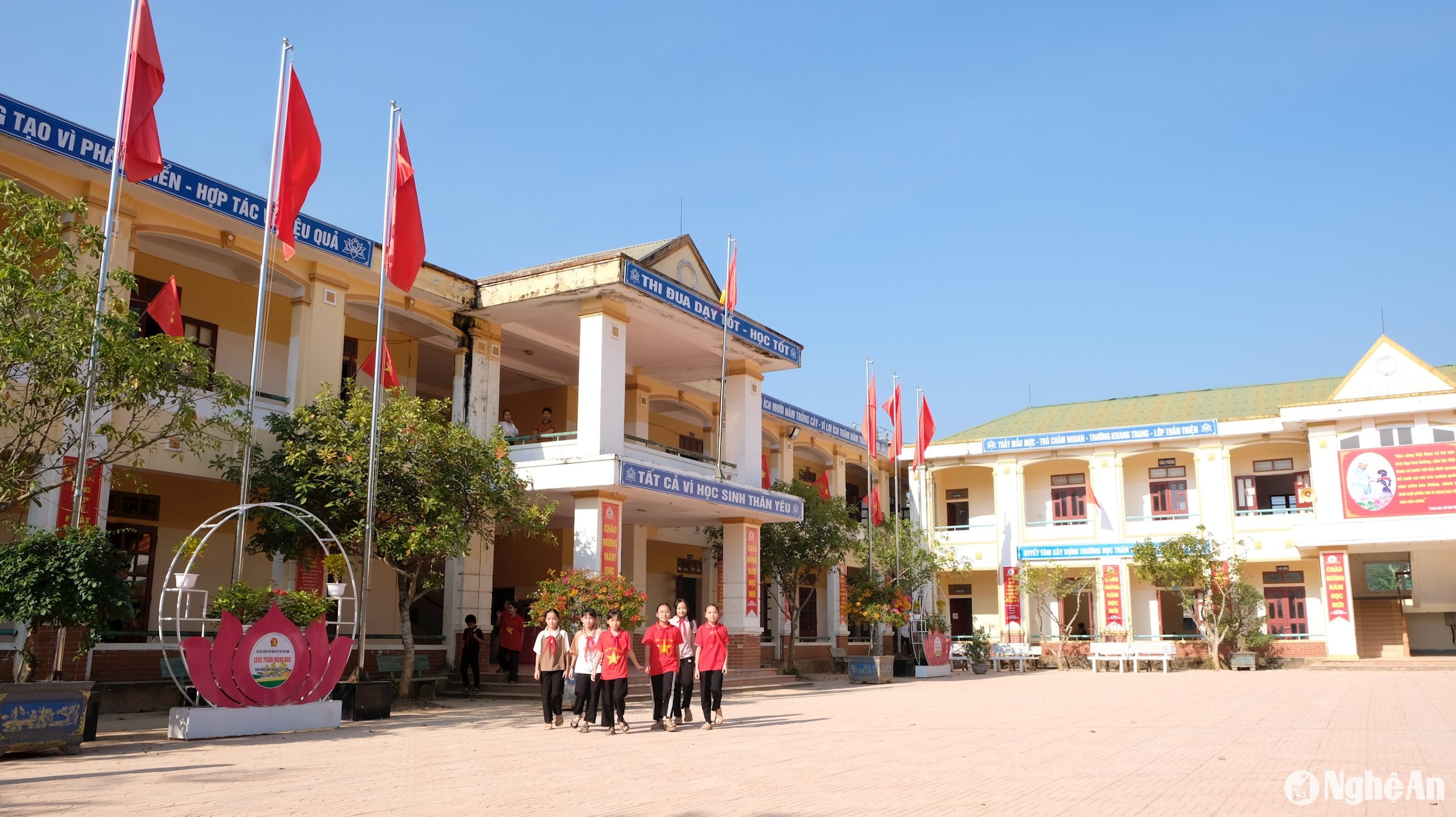
Que Phong Ethnic Boarding Junior High School is a leading school in the district and province in terms of educational quality. Last academic year, the school had 157 students winning awards at the district level, 19 students winning awards at the provincial level (ranking among the top schools with the most high-achieving students in the province, and first among boarding schools in the province), with over 90% of students achieving good grades, and over 40% of students passing the entrance exams to ethnic boarding high schools in the province.
Previously, although the school had only been in operation for over 10 years, the establishment of the district's boarding school proved to be a wise decision, as it nurtured the dreams of students from ethnic minority communities. As the only ethnic minority boarding secondary school in the district, it has consistently received attention from the government, departments, localities, and social forces over the years. This academic year alone, the school received over 24 billion VND from the National Target Program to build additional dormitories, functional classrooms, and staff housing for teachers.
"Our school has over 400 students, mainly from the Thai, Hmong, and Khmu ethnic groups. Before the boarding school was established, most students studied in remote villages, and not many had the opportunity to participate in district or provincial-level academic competitions. But in the boarding school environment, they have the chance to develop their abilities, express themselves, and many have achieved high academic results."
Teacher Nguyen Van Hai – Principal of Que Phong Ethnic Boarding Junior High School
In 2021, Que Phong district issued a plan for the development of education and training linked with vocational training, contributing to improving the quality of human resources in the 2021-2025 period. The main objective is to improve the overall quality of education while promoting specialized education, valuing traditions, and fostering a sense of law compliance, in order to cultivate students' holistic development in morality, intellect, physical fitness, and aesthetics, meeting the trends of integration and development.
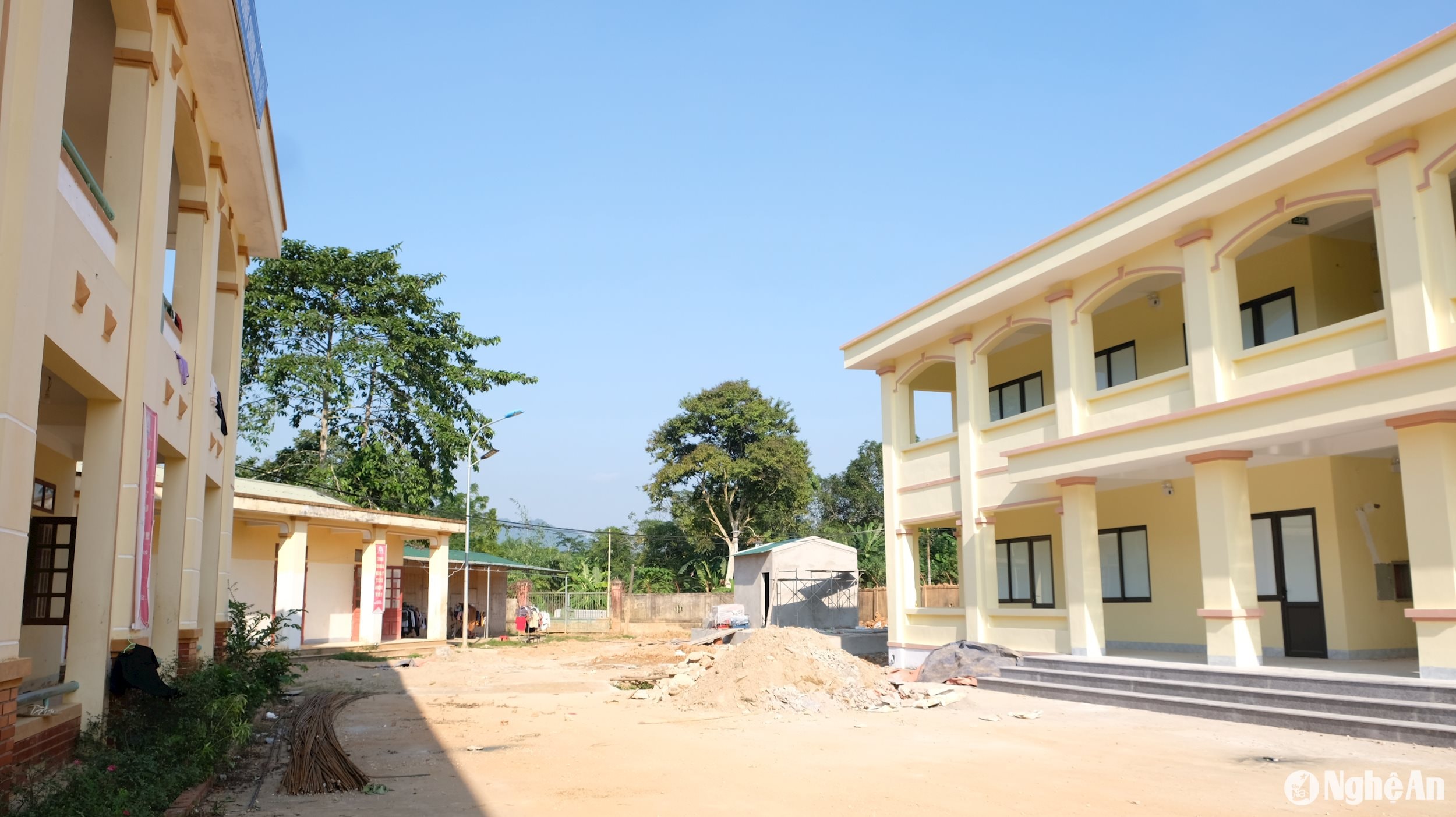
Throughout the implementation process, despite many difficulties, the district has deployed numerous solutions to improve the quality and effectiveness of education. Regarding investment in school infrastructure and equipment alone, during the 2021-2024 period, the District People's Committee advised higher authorities and directed departments to integrate programs and projects to invest in building infrastructure and purchasing teaching equipment for the education sector with a total budget exceeding 100 billion VND.
"2024 is the year leading up to the congress, so we are prioritizing and focusing on educational projects, and we expect many projects to be completed 3-5 months ahead of schedule, such as the Que Phong Ethnic Boarding Junior High School, Thong Thu Ethnic Boarding Junior High School, and Tri Le Ethnic Boarding Junior High School."
The district's approach to implementation is to prioritize boarding schools, semi-boarding schools, and schools in remote, disadvantaged areas, focusing on comprehensive investment and avoiding piecemeal, fragmented approaches."
Mr. Lo Van Chien - Head of the Investment and Construction Project Management Board of Que Phong District
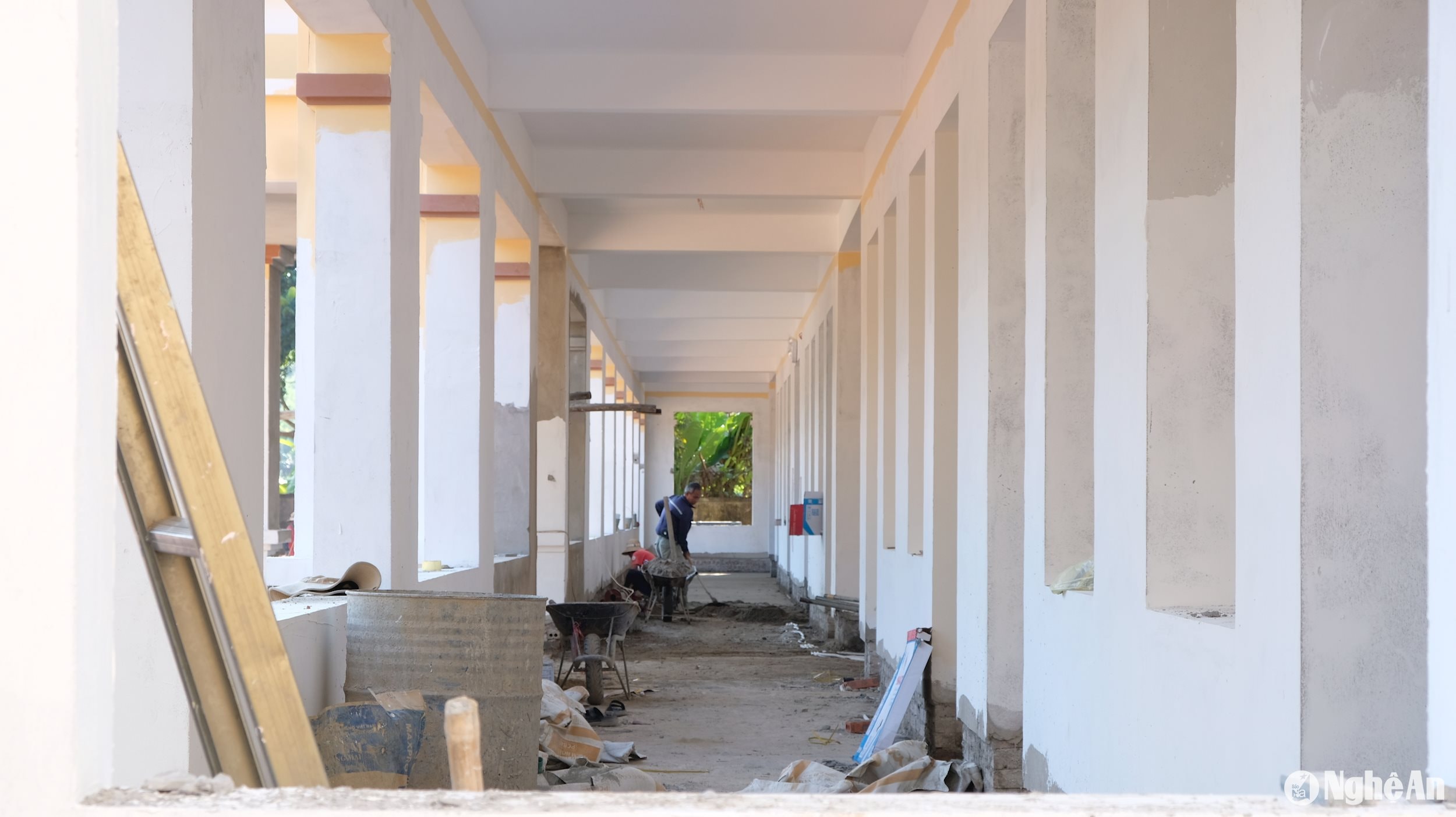
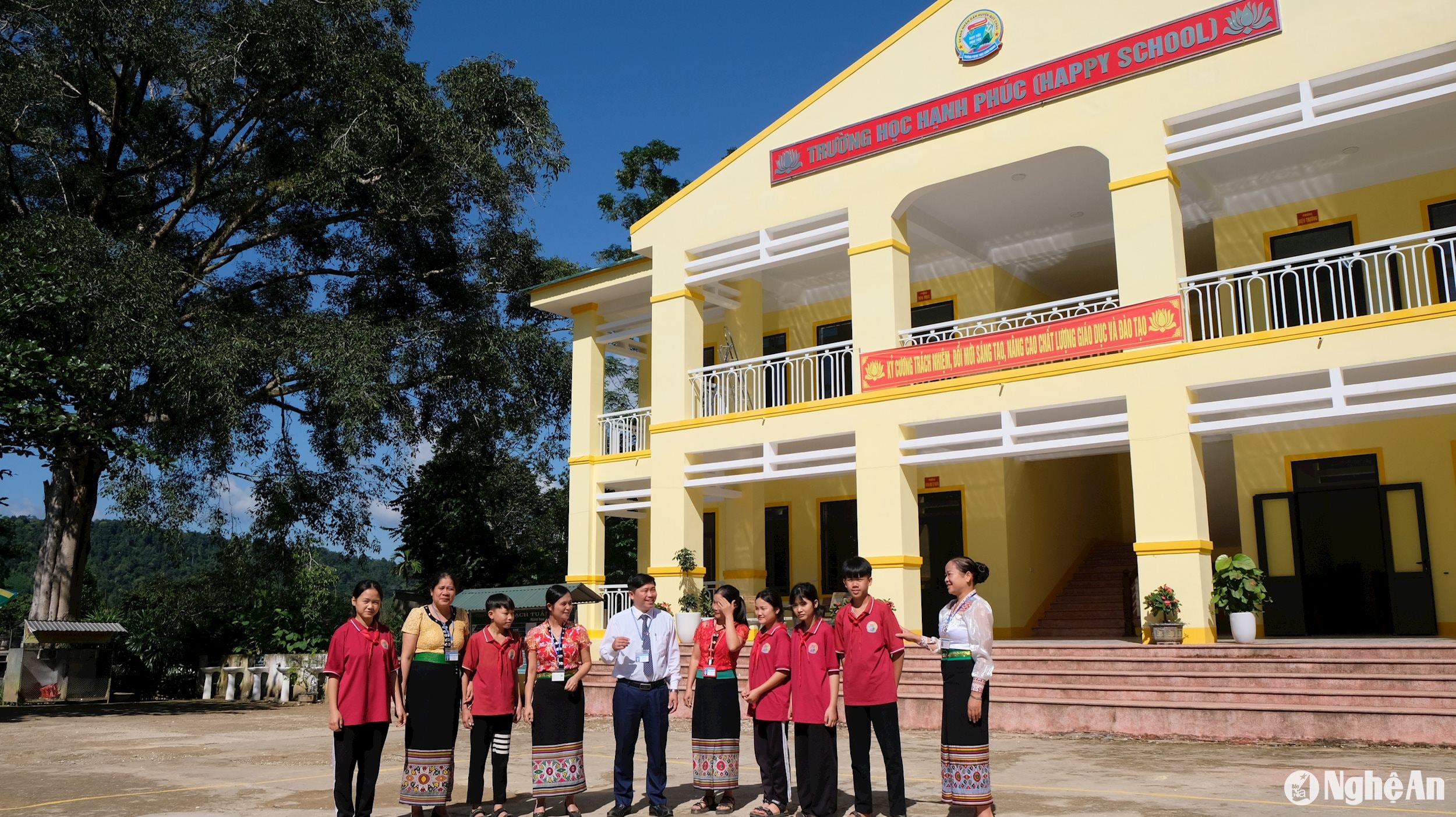
At Chau Phong Ethnic Boarding Junior High School (Quy Chau district), a series of school construction projects are currently underway, promising to transform the appearance of one of the most disadvantaged schools in the district.
Implementing the National Target Program, this school has also received the most comprehensive investment, including a multi-functional building, dormitory, classrooms, and a cafeteria, with a total value of over 20 billion VND.
Teacher Vy Huu Tu - the school principal - said: "More than 60 students at our school come from poor or near-poor households, so their living conditions are very difficult. But thanks to the boarding school model, parents are reassured when their children go to school far from home, and they receive all the benefits from the State's policies."
This also serves as a foundation for the school to maintain stable student enrollment, prevent student dropouts, and improve the quality of education. Last school year, nearly 80% of our students passed the entrance exam to public high schools, and two students were admitted to the provincial boarding school, ranking sixth in the district in terms of student quality."
Focus on improving quality.
Nghe An province has a relatively high proportion of ethnic minority students, with 11 out of 21 districts being mountainous. Due to unique characteristics and difficulties, the quality of education in mountainous districts is lower than the general average and uneven across regions. Furthermore, school facilities and equipment in particularly disadvantaged and ethnic minority areas are still lacking, and in many places, they do not meet the requirements for teaching and learning, especially the conditions necessary to implement the 2018 General Education Program.
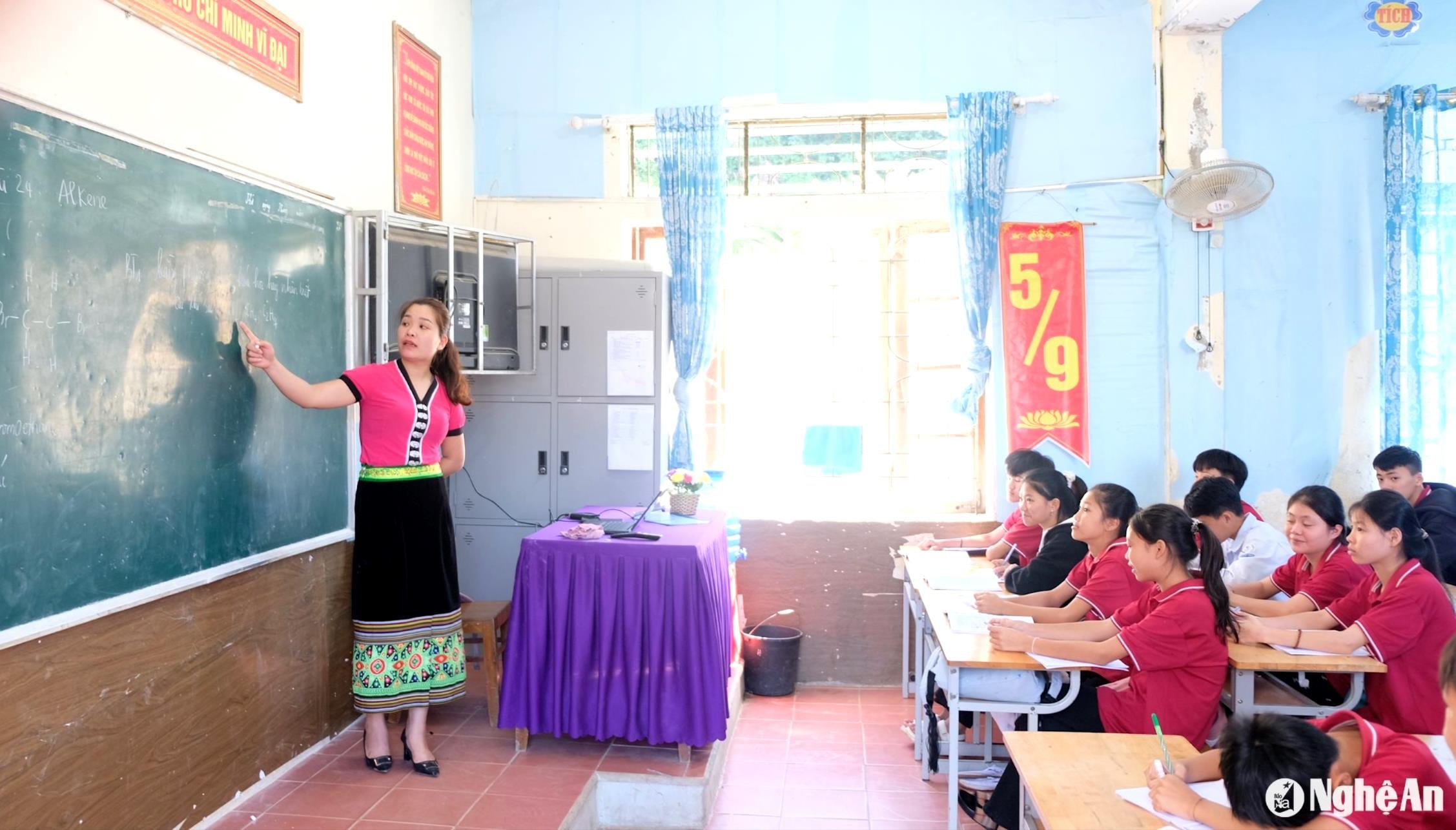
To improve the quality of education in mountainous areas, the Provincial Party Committee and the Provincial People's Committee have recently issued many important resolutions, directives, and projects aimed at developing and improving the quality of education and training in mountainous regions, such as Resolution No. 03-NQ/TU, dated November 19, 2021, of the Provincial Party Committee on improving the overall quality of education in Nghe An province for the period 2020-2025 and orientation for 2030.
Nghe An province has also developed a plan for the development of education in ethnic minority and mountainous areas for the period 2022-2025, with a vision to 2030.
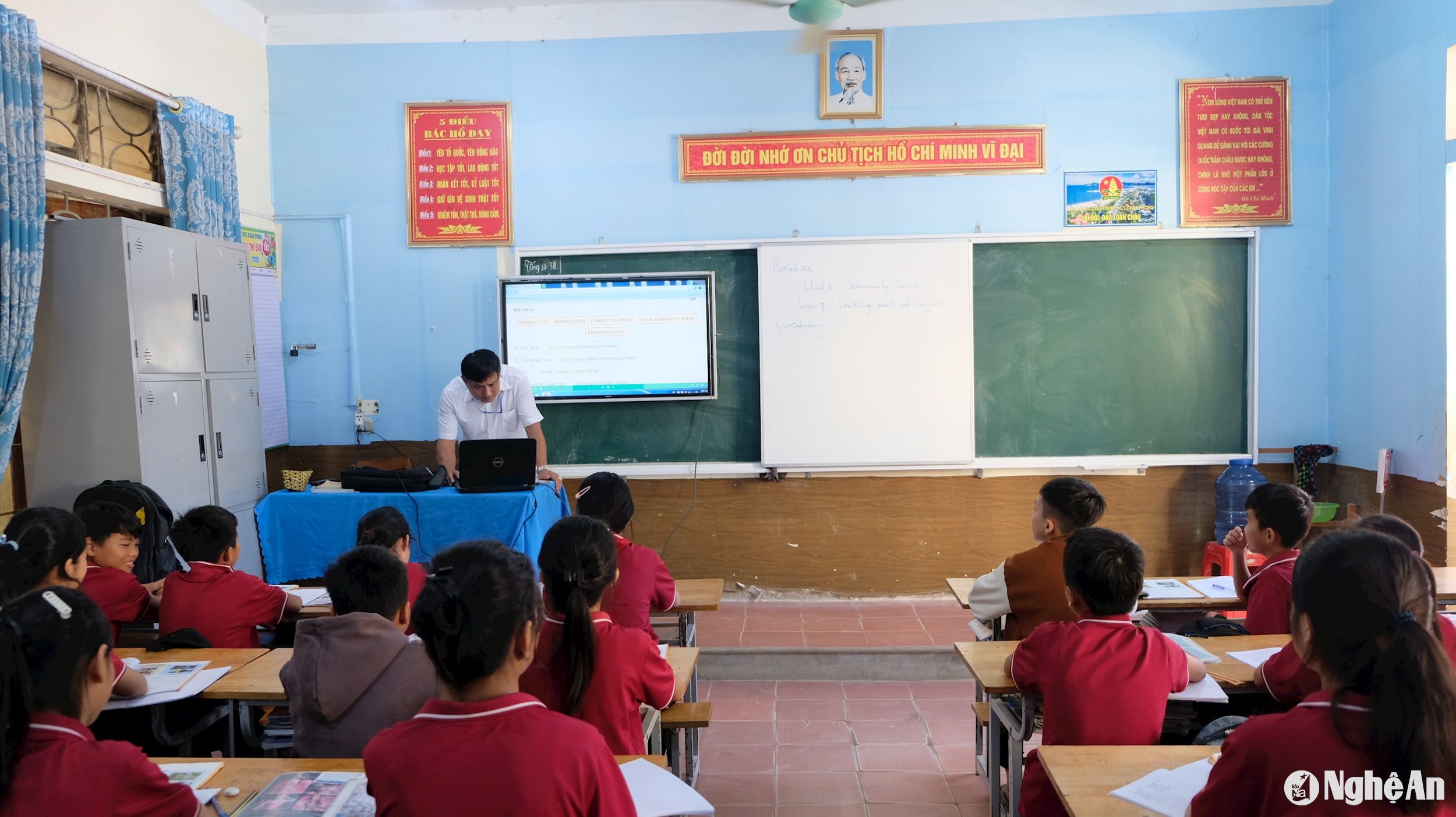
Following this plan, many localities have also developed projects with specific solutions to improve the quality of education in their areas. Mr. Le Thanh An – Head of the Education and Training Department of Con Cuong district, said: "In the past two years, the planning of the school network has been carried out decisively with the merger of 5 schools (the highest in the province). Besides that, we strive to maintain the teaching staff, eliminating the phenomenon of teacher surplus at all levels, and paying attention to policies and benefits for teachers. The district also has many solutions to improve the quality of teaching and learning, both in general education and in specialized areas."
Meanwhile, in Quy Chau district, the implementation of the project to improve the quality of education is linked to the construction of infrastructure, national standard schools, and schools meeting educational quality standards. By the end of May 2024, the entire district had 34 out of 36 schools meeting National Standard Level 1, a rate of 94.4%.
To promote the development of education in mountainous areas, Nghe An province has continued to advise on and effectively implement specific policies for various groups of students, teachers, and education administrators.
The province also continues to direct the Education sector and relevant departments to focus on investing resources in the development of education for ethnic minorities and mountainous areas; review and plan the network of schools, classes, and educational facilities to suit the conditions of each region, paying attention to the construction of boarding and semi-boarding schools at the primary and secondary levels; develop and improve the quality of teachers and management staff to ensure sufficient numbers, professional standards, and a reasonable structure; increase the number of teachers from ethnic minorities with both pedagogical and knowledge-based qualifications for each region and ethnic group; and build a system of incentives and employment for teachers and educational management staff that is appropriate to practical requirements so that they can feel secure in their profession and committed to their locality...
The education sector has always paid attention to and prioritized investment in education in mountainous areas, and continues to review and advise on policies to ensure the rights of teachers, students, and schools.
The industry's goal is to focus resources, create breakthroughs, and aim to improve quality and narrow the gap between regions.
This, in turn, contributes to improving the quality of future human resources, promoting socio-economic development, political stability, national defense, and security.
Mr. Thai Van Thanh - Director of the Department of Education and Training of Nghe An Province


