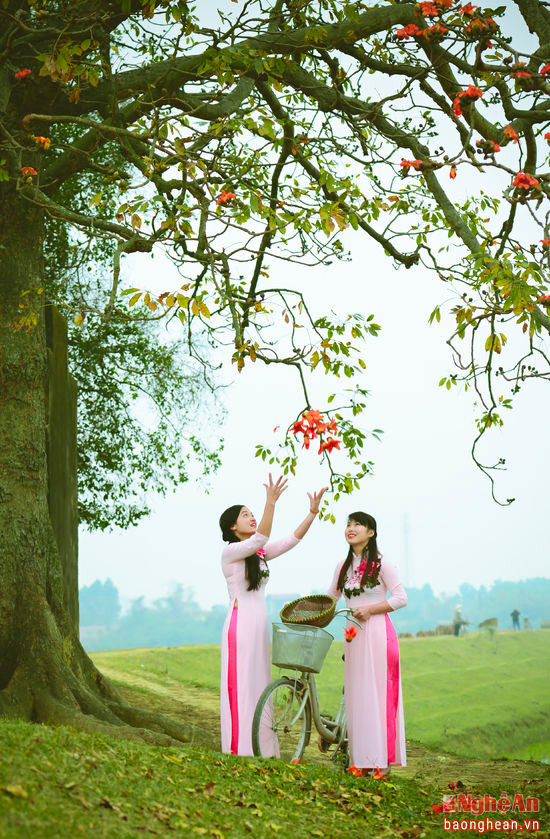
(Baonghean.vn) - March has arrived again. Many local flowers that only bloom in March have begun to show off their fragrance and beauty: pomelo blossoms, apricot blossoms, mustard flowers... And we cannot forget the flower that ignites and warms the last remaining cold spells of spring - the kapok flower.
"Parishioners in Nghe An expose the moral decay of Father Nguyen Dinh Thuc."
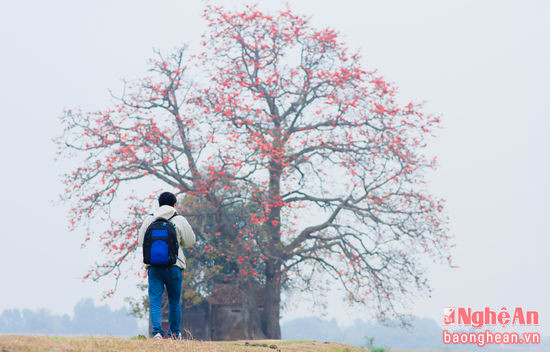 |
| The vibrant red blossoms burn silently against the March sky, beckoning the footsteps of those returning home... Photo: Hong Hai Nguyen. |
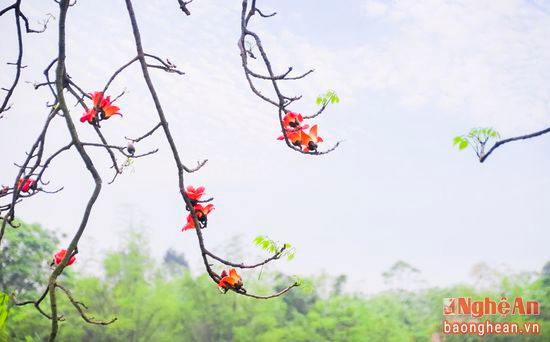 |
| Many have likened the kapok flowers to sparks of fire. These sparks warm up the space, still gray and cold from the lingering cold spells of the "Nang Ban" season. Photo: Van Song. |
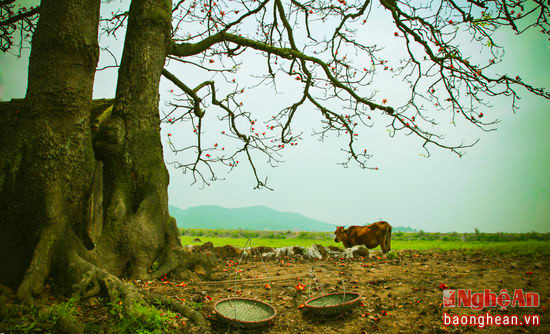 |
| Almost every village has a kapok tree, usually at the edge of the village or in the middle of a field. Photo: Van Song. |
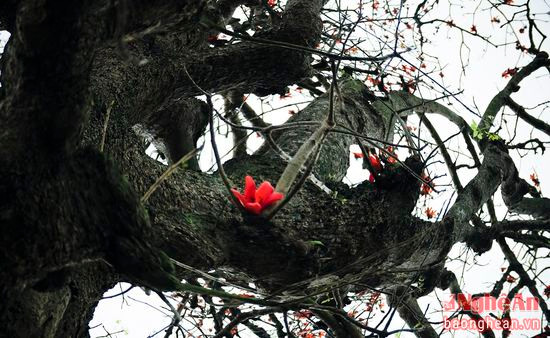 |
| The kapok flower is also known by other names such as pơ lang flower or mộc miên flower. |
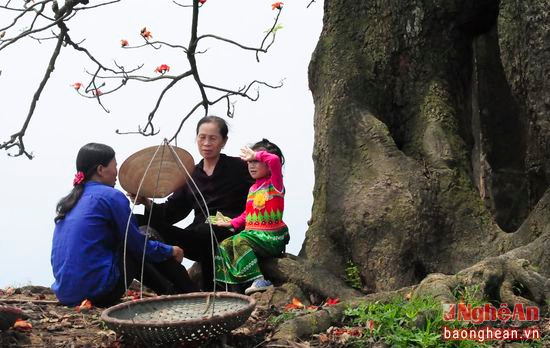 |
| Beneath this rice tree lie countless stories of the countryside... |
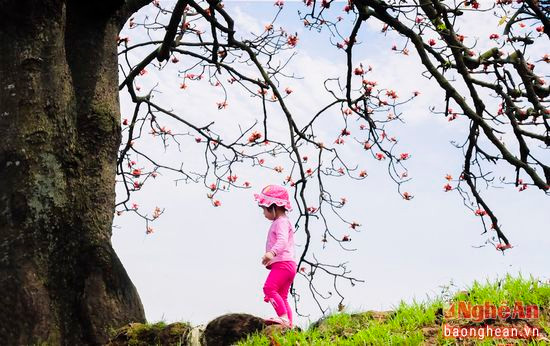 |
| Born and raised in the village, who hasn't fondly remembered the vibrant red color of the rice fields? |
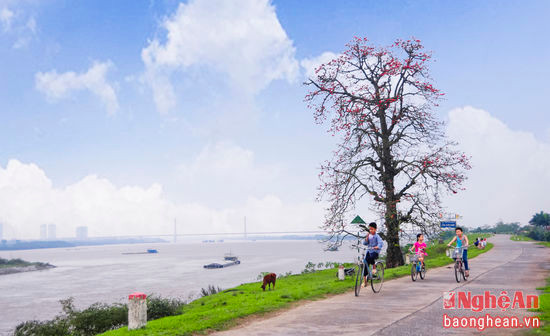 |
| The kapok tree, silently ablaze with sparks of fire, heralds the arrival of March on every country road. Photo: Van Song. |
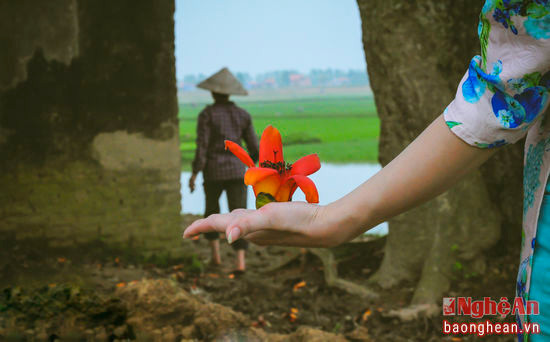 |
| Journalist Nguyen Van Song, originally from Nghi An, Vinh City (currently working in Hanoi), sent these photos to Nghe An Newspaper with the following caption: "The kapok flower is a symbolic flower of the Vietnamese countryside, and that is the first and most important reason why I am passionate about photographing kapok flowers." |
 |
| "With rapid urbanization, rural villages are increasingly being swept along by that trend, and the ancient kapok trees – symbols of the villages – are disappearing in droves. Therefore, preserving the beautiful moments of the kapok flowering season is a small way to contribute to preserving the image of Vietnamese rural life for future generations..." Photo: Van Song. |
PV



