
Proper nutrition for cancer patients
Very few cancer patients know what to eat properly. Many patients even adopt strict diets such as macrobiotic or vegetarian diets to limit tumor growth.
 |
Each year, approximately 150,000 cancer patients die in Vietnam, with 80% experiencing weight loss and 30% dying from exhaustion before succumbing to the tumor. However, very few patients know how to eat properly. Furthermore, many patients adopt extreme diets such as macrobiotic or vegetarian diets to limit tumor growth.
Extreme diet
Upon learning they have cancer, many patients adopt a strict diet, completely eliminating salty foods such as pickled vegetables, grilled foods, sugary drinks, and beef. Their daily menus consist almost entirely of green vegetables, grains, fruits, and milk, with very little chicken or pork.
Many people are spreading the word that they should remove foods like bean sprouts, eggs, fertilized duck eggs, and even water spinach and other sprouts from their daily diets, believing that these foods are particularly good for cancer cells and stimulate their growth. Furthermore, many patients are opting for even more extreme diets, such as macrobiotic or strict vegetarian diets.
Some people are very meticulous in choosing food for cancer patients, such as ordering fruit directly from orchards, growing organic vegetables around their homes, or ordering from producers... with the aim of completely avoiding unregulated food, food with many chemicals, and out-of-season food that is not good for the patient.
Currently, there are no scientific studies suggesting that these foods promote cancer cell growth. Therefore, cancer patients can eat whatever they like without any dietary restrictions, except for those with multiple co-morbidities such as cancer and hypertension, or cancer and diabetes. However, foods high in salt, processed foods, animal offal, and grilled foods should be consumed in moderation as they can significantly impact health.
 |
| Processed foods are not good for cancer patients. |
Enhance nutrition
When cancerous, the basic energy and nutritional needs of cancer cells are higher than those of normal cells. Therefore, even if cancer patients are not provided with sufficient nutrients, cancer cells will still obtain energy to meet their own needs. Consequently, patients will quickly become emaciated if they do not receive proper nutritional intervention. To ensure adequate nutrition, patients need to eat a balanced diet containing all the essential nutrient groups: protein, carbohydrates, fats, vitamins, and minerals. It's important to eat plenty of fish and vegetables, and less meat. A diet rich in fish and vegetables, low in meat, supplemented with vegetable oils, along with plenty of water and regular exercise, will provide the body with sufficient nutrients and strength to fight cancer, rather than simply "supplying extra protein" to the tumor.
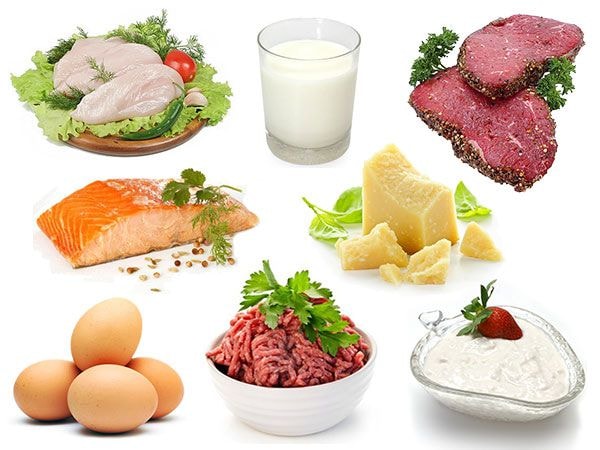 |
| Cancer patients need to eat a balanced diet that includes all the essential nutrient groups: protein, carbohydrates, fats, vitamins, and minerals. |
Increase your vitamin C intake by consuming vitamin C-rich fruits like oranges, grapefruits, and tangerines, and drinking plenty of fresh fruit juice. Pay attention to fruits and vegetables rich in vitamin A, as this vitamin is essential for the body. Fresh vegetables such as cabbage, kohlrabi, and carrots are all good sources of vitamins and minerals that are beneficial for health and help fight various types of cancer.
In addition, meals should be divided into smaller portions to help patients absorb nutrients more easily. Family members should also encourage patients to exercise and avoid lying in one place for too long, so that the body is comfortable, the mind is relaxed, and overthinking is avoided, which will help achieve better treatment results.
Minimize side effects.
During treatment, each patient's nutritional needs are different, and their tastes also vary, so the diet cannot be the same for everyone.
For those with poor appetite: Meals should be divided into smaller portions throughout the day, with readily available foods that the patient enjoys and can eat whenever they feel like it. Ensure adequate fluid intake, such as soup, milk, fruit juice, and pureed foods. Flavoring and appealing food can stimulate appetite.
For bitter taste in the mouth: Patients experience a bitter or fishy taste, especially with meats or foods high in protein. To alleviate this, patients should rinse their mouths with clean water before eating and can consume sour fruits such as oranges, tangerines, and grapefruits to stimulate taste buds and eliminate the bitter taste.
For dry mouth: Patients find it difficult to chew and swallow food… Therefore, it is necessary to puree or process food into liquid form such as soup, broth… drink plenty of water in small sips to help swallow more easily. Avoid foods and drinks containing a lot of sugar, and avoid rinsing your mouth with solutions containing alcohol.
For nausea and vomiting: Avoid greasy, spicy, and strong-smelling foods, and avoid eating strong-smelling foods in enclosed spaces. Avoid drinking water while eating, and divide main meals into several smaller meals throughout the day. Eat before you feel hungry, as hunger intensifies nausea. Sit or lie in a semi-sitting position for about an hour after eating.
Regarding constipation: Constipation in cancer patients can be caused by dehydration, a lack of dietary fiber, lack of physical activity, or side effects of treatment. To help prevent constipation, patients should eat a high-fiber diet and drink plenty of water, about 1-2 liters per day. They should also drink fruit and vegetable juices, lemon water, tea, etc., and exercise regularly.
According to Health and Life


