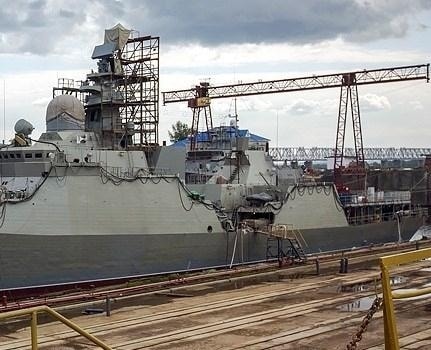
Equipped with heavy torpedoes, the second pair of Gepard-class frigates of the Vietnamese Navy can destroy targets at depths of up to 400 meters.
"Father Nguyen Dinh Thuc incites parishioners."
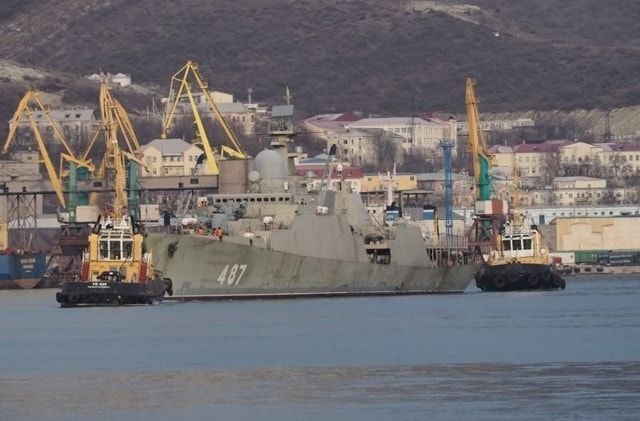 |
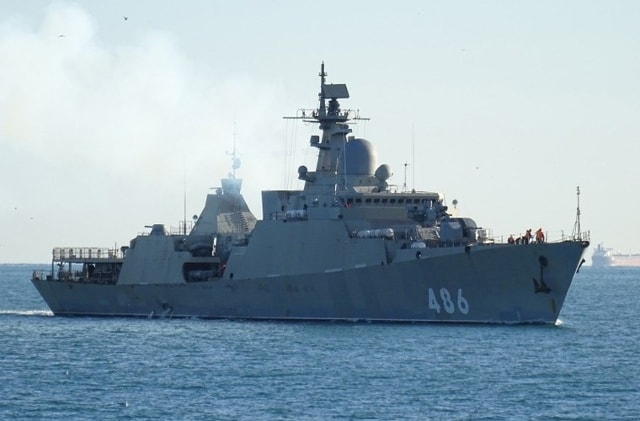
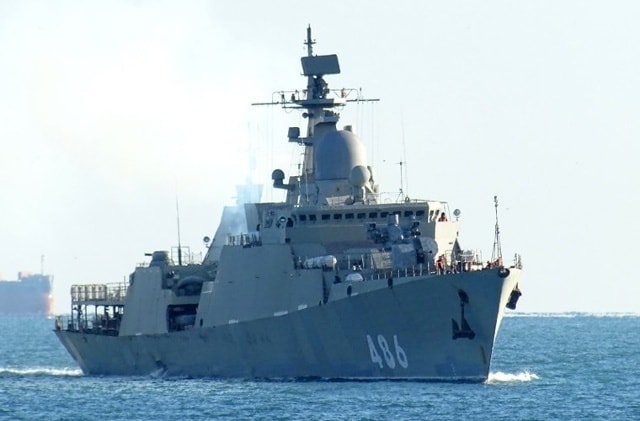
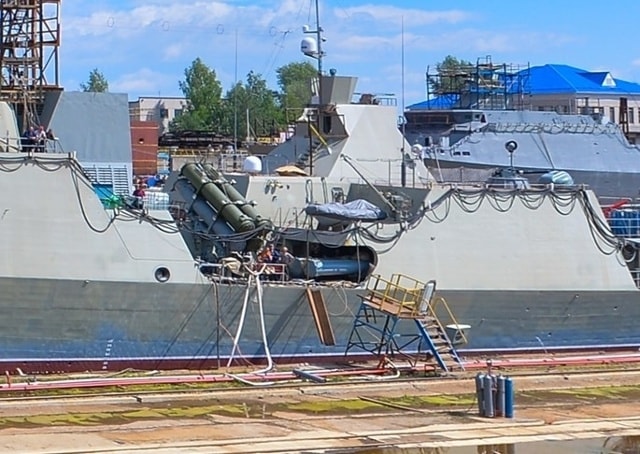
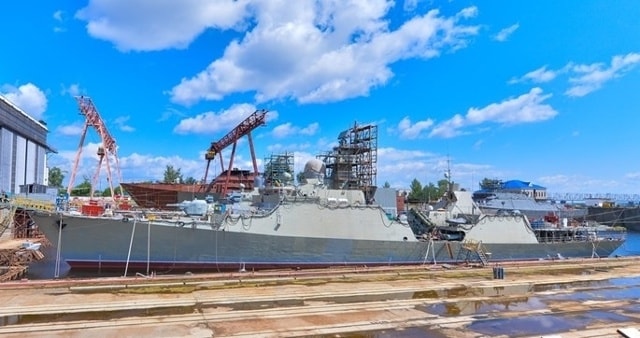
| Russian media has just released more images of torpedo tubes on the second pair of Gepard-class ships being built for the Vietnamese Navy, currently undergoing trials in the Black Sea. The images show that the weapons systems of these two ships have been fully installed, notably the Uran-E anti-ship missile system (2 launchers, 4 tubes/launcher, firing Kh-35E missiles) and the 533 mm torpedo launchers (2 launchers, 2 tubes/launcher) have been fitted onto the ships. |
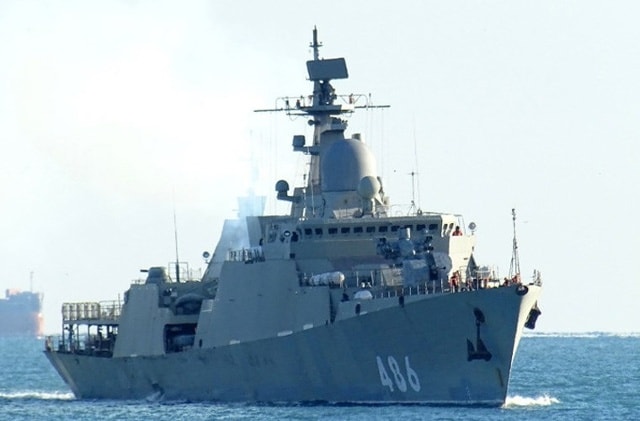 |
| This type of torpedo is the same size as the torpedoes used on Kilo-class submarines. With its 533mm torpedoes, the Gepard 3.9 frigate will possess extremely powerful anti-submarine capabilities, capable of taking down 'killers of the ocean' and even surface warships with a single shot. |
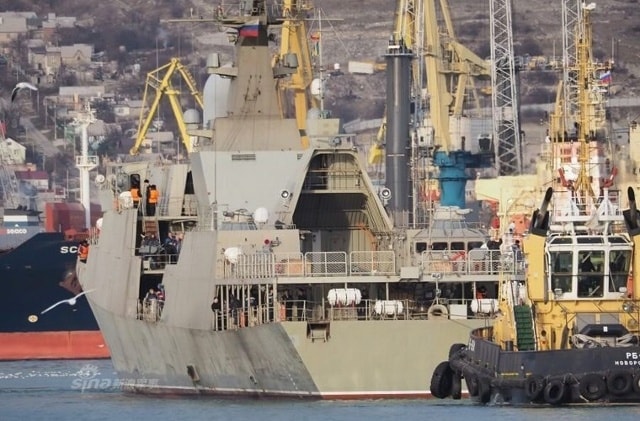 |
| According to information released by Russia, the 533mm torpedo tubes allow the ship to launch all types of main offensive weapons, including 53-65 anti-ship torpedoes and TEST 71 anti-ship/anti-submarine torpedoes. |
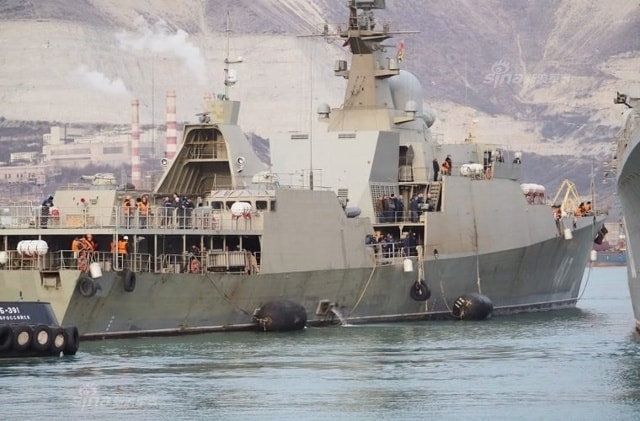 |
| The Type 53-65 torpedo is a sonar-guided torpedo, designed based on the earlier Type 53-61 torpedo. The export version, known as the 53-65KE, is specifically designed for anti-surface warfare. The torpedo has a diameter of 533mm, a length of 7.2m, weighs 2,070kg, and is equipped with a warhead weighing up to 300kg. |
 |
| The Type 53-65 torpedo has an attack range of 12km when traveling at 125km/h and 18km when traveling at 83km/h (the 53-65K variant reaches 19km and the 53-65M variant up to 22km). It is predicted that the variant Vietnam will purchase will be the Type 53-65K torpedo. |
 |
| Meanwhile, the TEST 71 was a wire-guided torpedo and considerably heavier than the TEST 68 – the Soviet Union's first wire-guided torpedo. The TEST 71 possessed several advantages, such as a longer range, a heavier warhead, and the ability to strike targets at greater depths. |
 |
| In addition to the original prototype, TEST 71 has been developed into four main variants: TEST 71M, TEST 71MK, TEST 71ME-NK, and TEST 3. Of these, only the TEST 71ME-NK variant has multi-purpose attack capabilities (both surface ships and submarines). |
 |
| The TEST 71ME-NK has a diameter of 533mm; a length of 7.93m; weighs 1,820kg; has a warhead weighing 205kg and boasts the excellent advantage of being equipped with two different detonators: proximity detonation (hydroacoustic and magnetic) and contact detonation. |
 |
| The torpedo operates via remote wire control, a semi-active seeker, and a sonar seeker with a target detection range of up to 1.5 km. The TEST 71ME-NK is equipped with a twin-propeller propulsion system, a cruising speed of 48 km/h, increasing to 74 km/h in the final stage, and an attack range of 20 km at depths up to 400 m. |
According to Baodatviet



