
The Provincial National Assembly Delegation provided feedback on the draft laws.
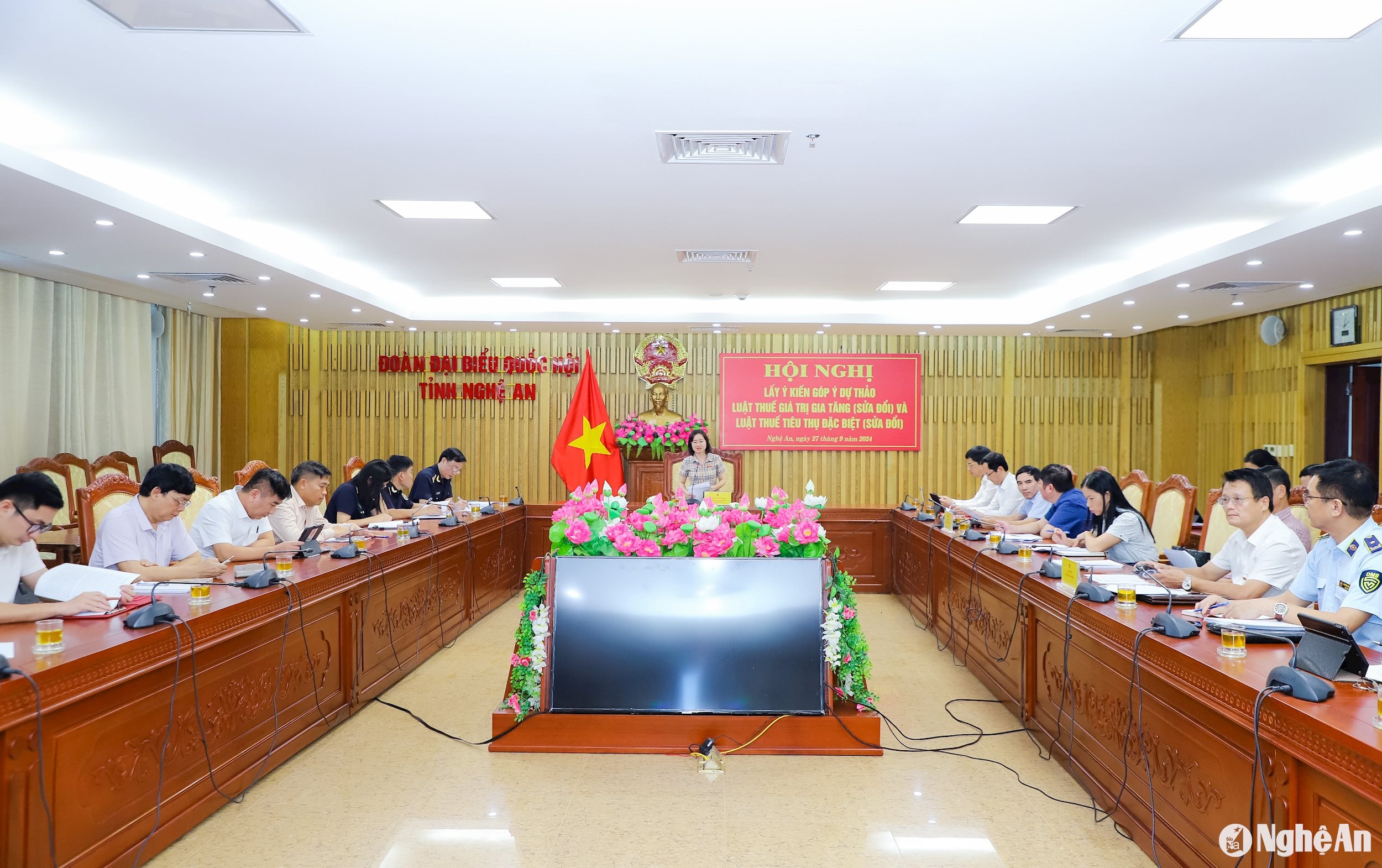
On the afternoon of September 27th, the Provincial National Assembly Delegation held a conference to provide feedback on the draft amendments to the Law on Value Added Tax and the Law on Special Consumption Tax.
Comrade Thai Thi An Chung - Member of the Provincial Party Committee, Deputy Head of the Provincial Delegation of National Assembly Deputies - presided over the meeting.
Attending the conference were National Assembly delegates, representatives from the Standing Committee of the Provincial People's Council, the committees of the Provincial People's Council, departments and agencies, and experts and collaborators in lawmaking.
We propose not imposing a 5% tax on fertilizers.
First enacted in 1997 as a replacement for sales tax, the Value Added Tax Law was comprehensively amended in 2008 and further amended and supplemented in 2013, 2015, and 2016.
After 15 years of implementation since 2008, the Value Added Tax Law has revealed a number of shortcomings and limitations that need to be amended in order to improve the legal framework in this field.
The draft Law on Value Added Tax (amended), consisting of 4 chapters and 18 articles, will be submitted to the National Assembly for comments at the 8th session in October 2024.
The draft adds several provisions, such as removing the regulation allowing for input tax deductions while not paying output tax; adding new regulations regarding taxpayers; and clarifying the tax rates and collection methods for business activities on digital platforms…
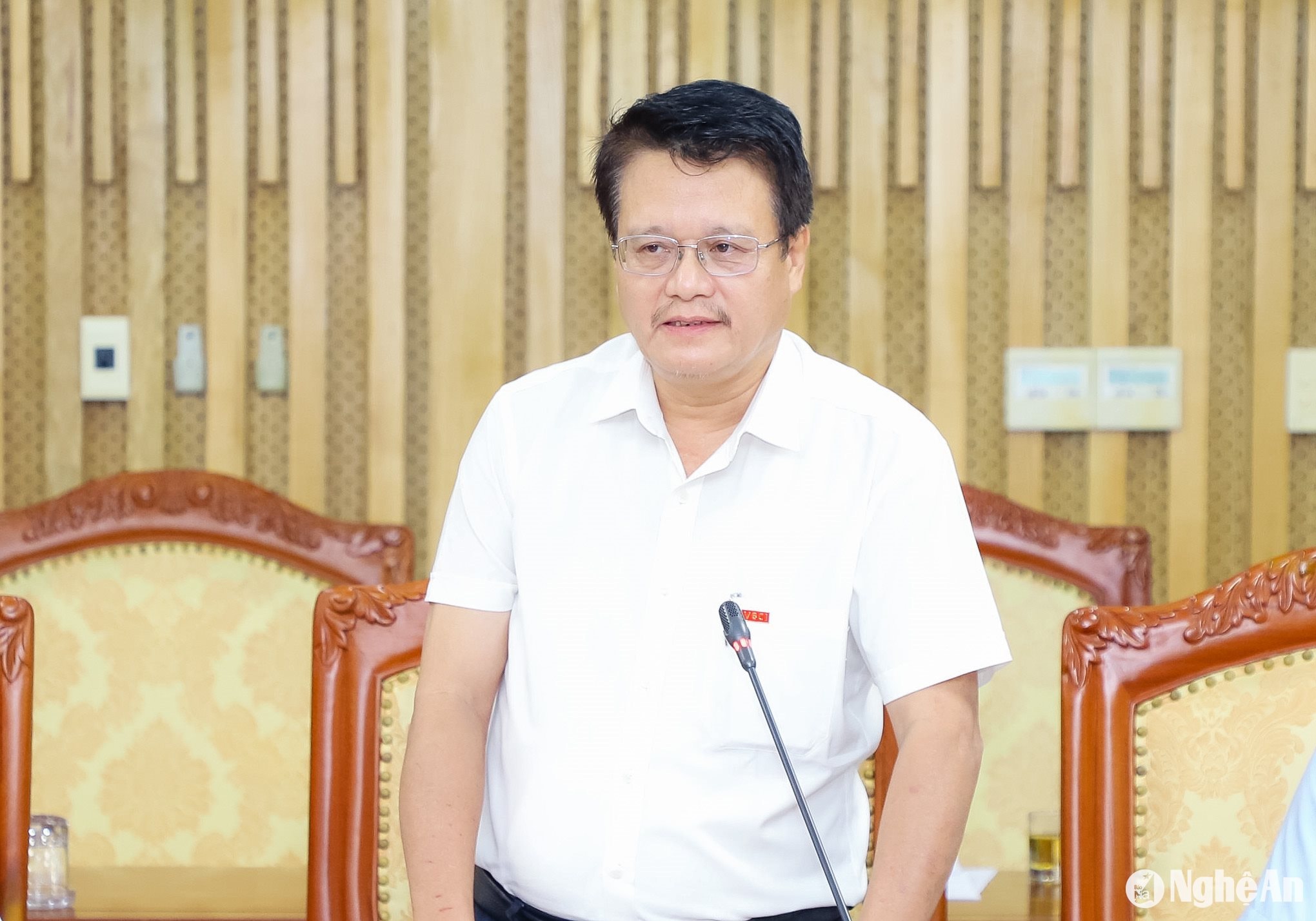
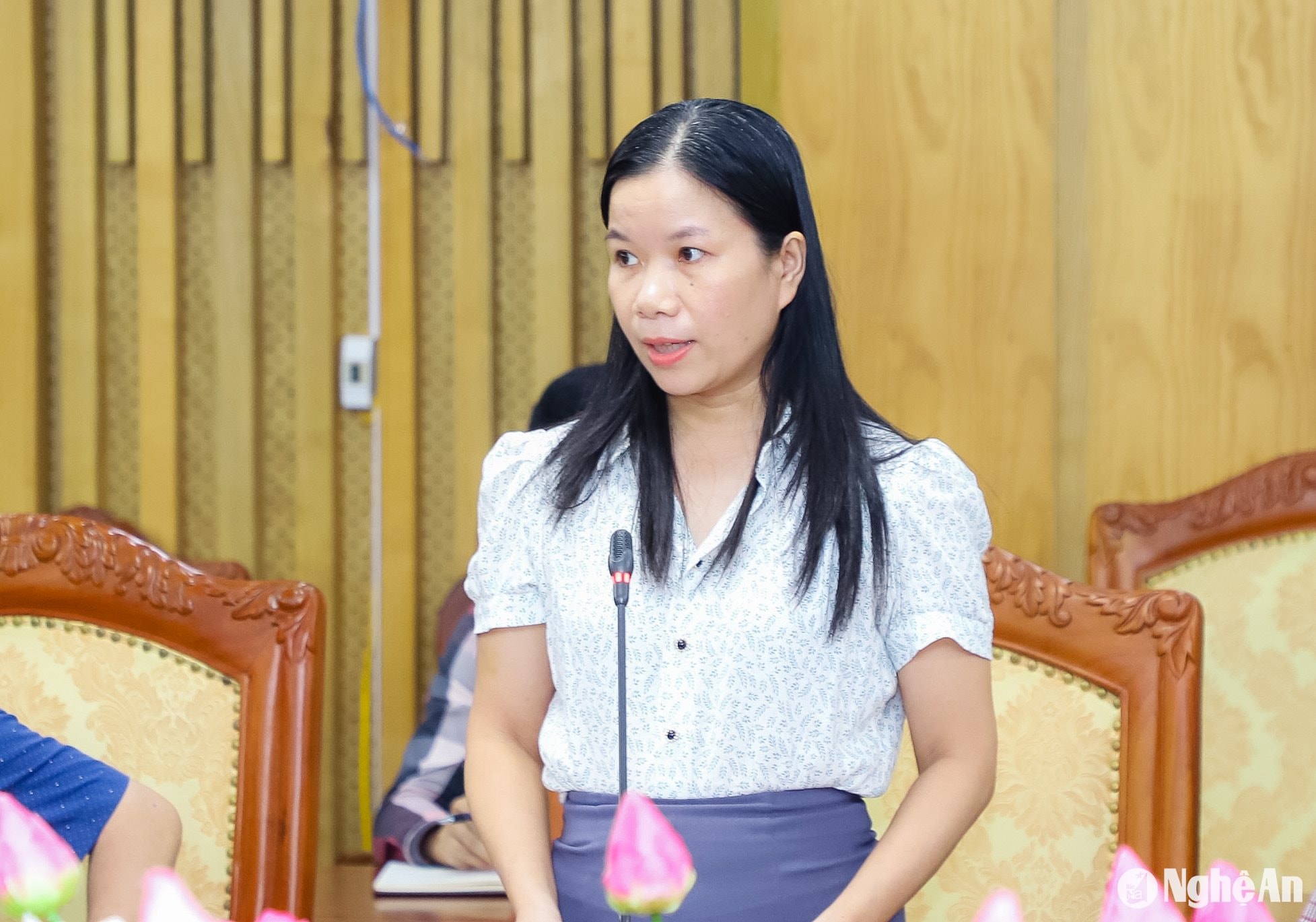
At the conference, delegates provided feedback on issues such as the timing of invoice issuance, tax rates, subjects exempt from value-added tax, tax deduction methods, regulations on value-added tax refunds; and the procedures for value-added tax refunds.
Many delegates proposed maintaining the current tax rates, exempting fertilizers, specialized machinery and equipment for agricultural production, and plant protection services from the 5% tax rate to ensure the encouragement of agricultural and rural development and farmers; and adding securities transactions as an exemption from value-added tax...
Concerns about certain items subject to excise tax.
The Law on Special Consumption Tax No. 27/2008/QH12, effective from April 1, 2009, has undergone four amendments and additions to address practical issues and adapt to tax management requirements at each stage.
The draft Law on Special Consumption Tax (amended), consisting of 4 Chapters and 12 Articles, will be submitted to the National Assembly for comments at the 8th Session in October 2024.
The draft law amends 10 articles of the current Law on Special Consumption Tax: including articles stipulating taxable subjects; non-taxable subjects; taxpayers; tax base; taxable price; tax rate; tax refund, tax deduction; tax reduction; effective date; implementation organization; and adds one article stipulating the time of determining special consumption tax.
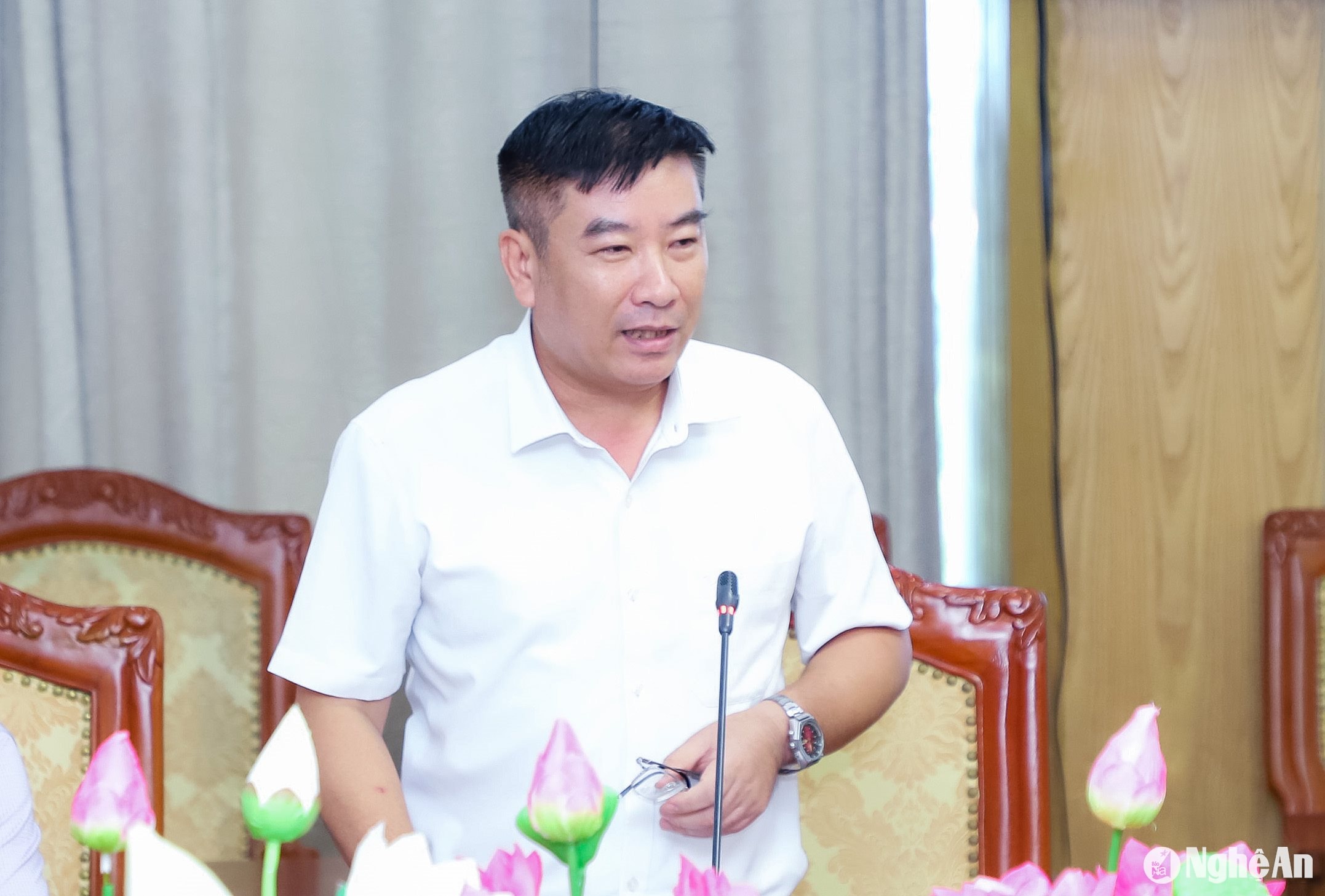
Accordingly, the subjects of excise tax include 11 groups of goods, including: Tobacco; alcohol; beer; motor vehicles with fewer than 24 seats; two-wheeled and three-wheeled motorcycles with a cylinder capacity exceeding 125cc.3Airplanes, helicopters, gliders and yachts; gasoline of all types; air conditioners with a capacity of 90,000 BTU or less; playing cards; votive paper and other paper offerings; soft drinks meeting Vietnamese standards with a sugar content exceeding 5g/100ml; and 6 service groups: operating nightclubs, massage parlors, karaoke venues, casinos, electronic games with prizes, betting businesses, golf businesses, and lottery businesses.

The basis for calculating excise tax, applied using the percentage-based tax method, is the taxable price of the taxable goods and services plus the tax rate. The amount of excise tax payable equals the taxable price multiplied by the excise tax rate.
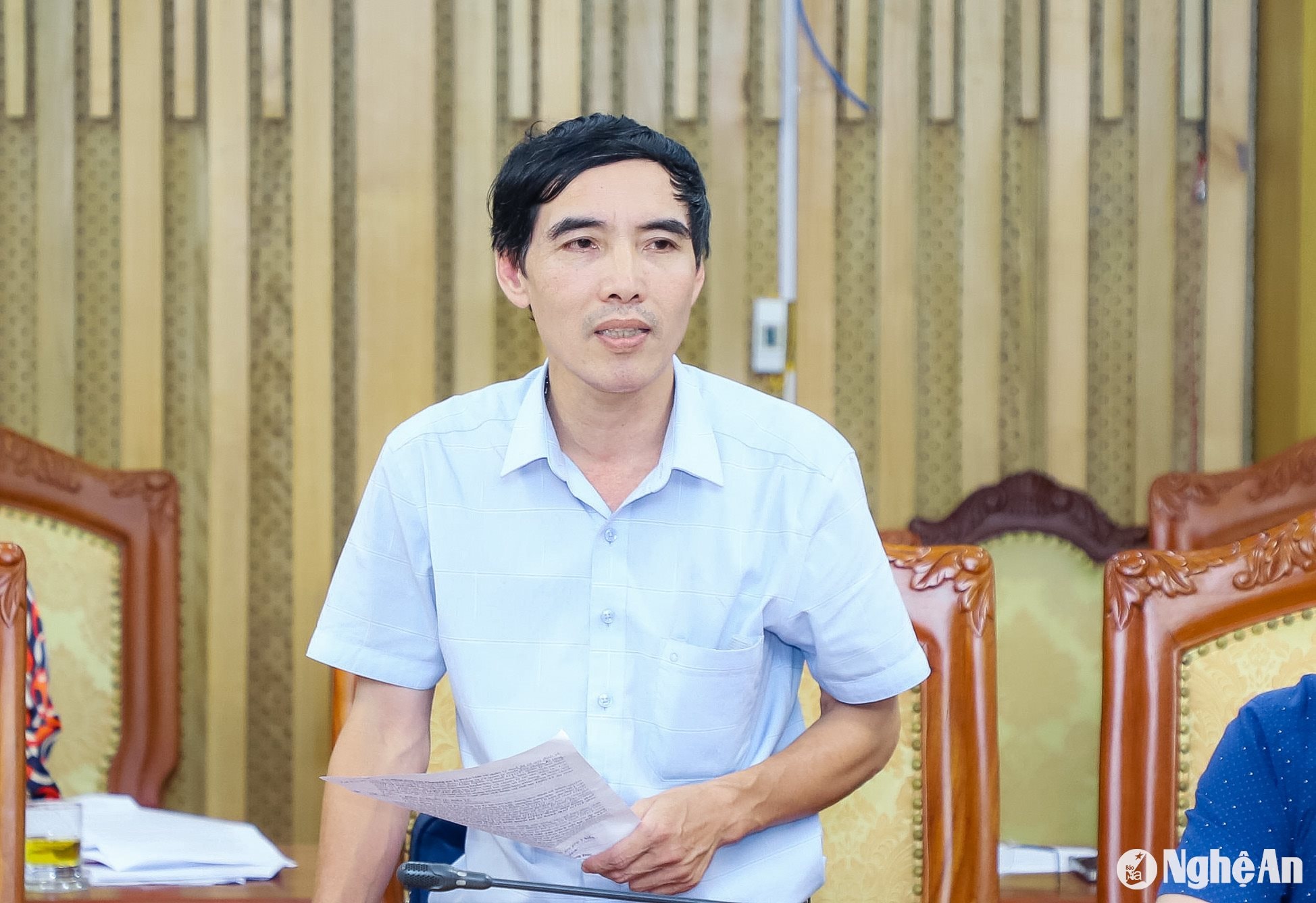
At the conference, delegates contributed opinions on issues such as tax-exempt entities, the tax base for excise tax on production and business activities of organizations and individuals, the excise tax schedule, and tax rates.
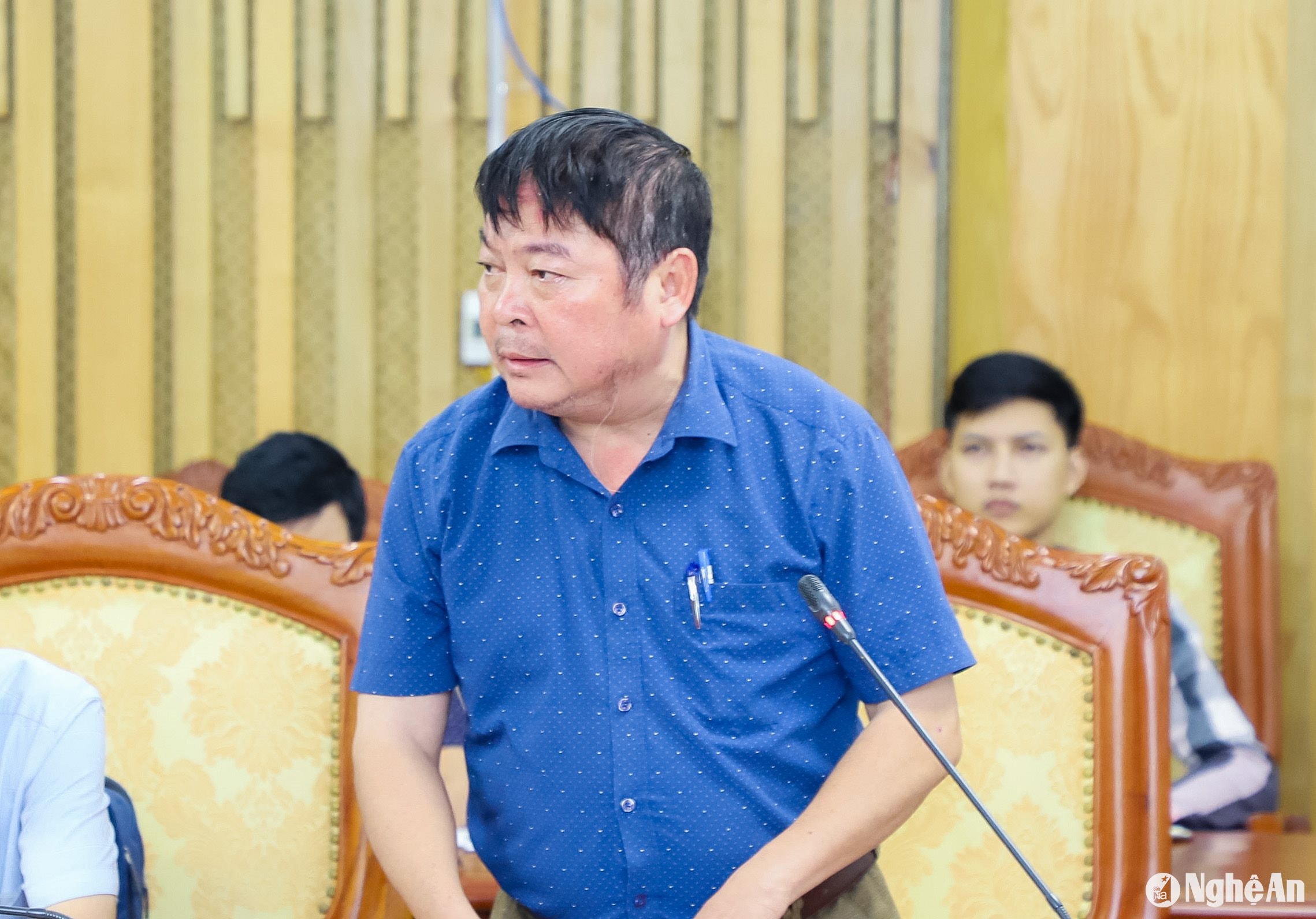
Some delegates suggested that the increase in excise tax should be in line with reality, creating favorable conditions for manufacturers to operate; and that excise tax on air conditioners, gasoline, and votive paper should be abolished.
Increase the excise tax rate on tobacco products; implement a roadmap to increase the excise tax rate on alcohol and beer; add fireworks and components used in their production to the list of items subject to excise tax.
The delegates also contributed opinions on some sentences and words, and suggested arranging some content appropriately to ensure the effectiveness of the draft laws as well as the rights of the state, businesses, and citizens.
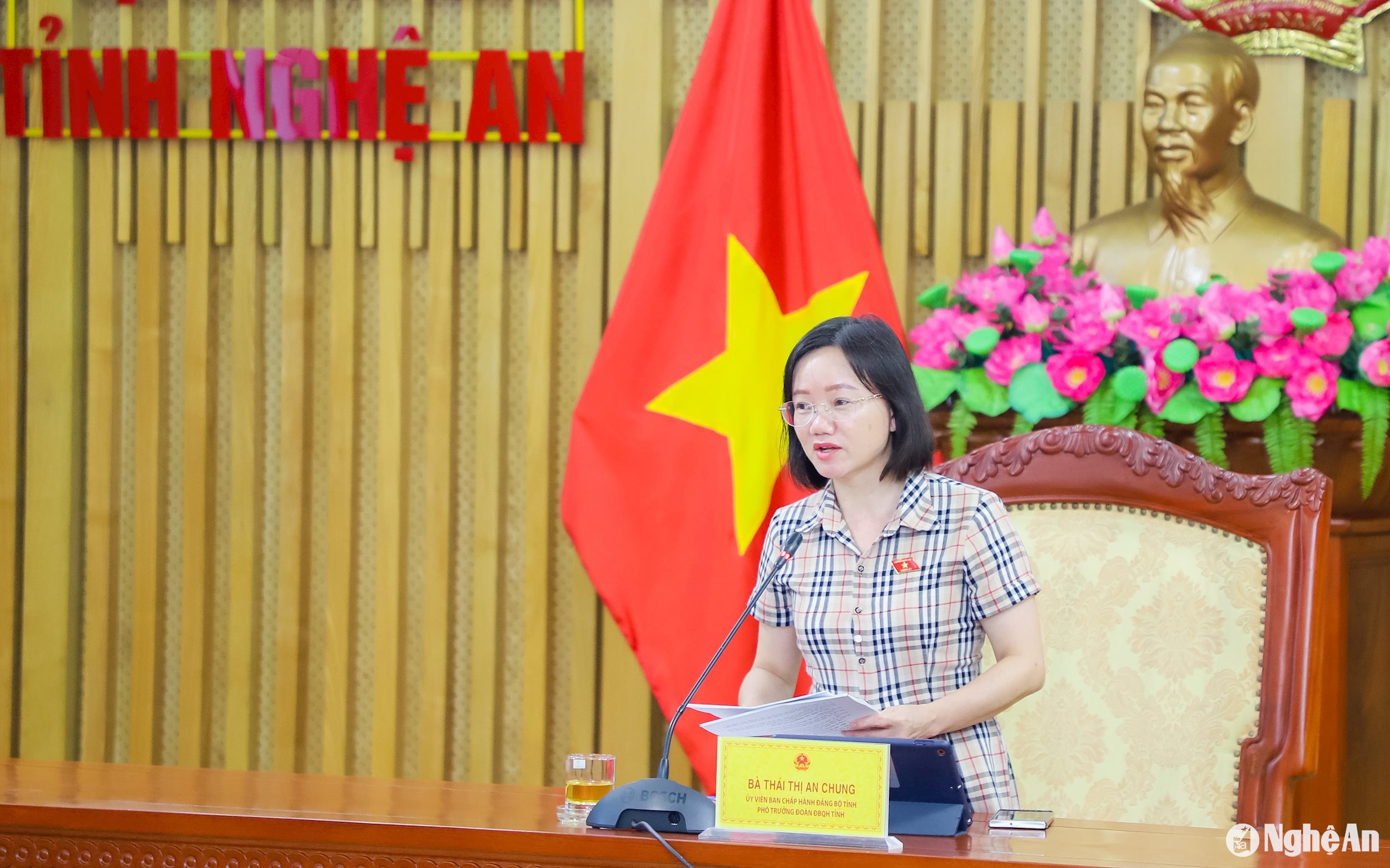
Concluding the conference, Ms. Thai Thi An Chung, Deputy Head of the Standing Delegation of the National Assembly of the province, acknowledged and highly appreciated the contributions of the delegates to the draft Law on Value Added Tax (amended) and the draft Law on Special Consumption Tax (amended).
The feedback received will be studied, compiled, and incorporated by the Provincial National Assembly Delegation before being submitted to the National Assembly Standing Committee.


