
Unique ancient stele with four sides inscribed in Nghe An.
(Baonghean.vn) - Existing for over 300 years, the Kien Nghia stone stele at the Tran Hung Nhượng temple in Xuan Hoa hamlet, Thanh Xuan commune, Thanh Chuong district, is considered a unique ancient stele with great value in historical and artistic research.
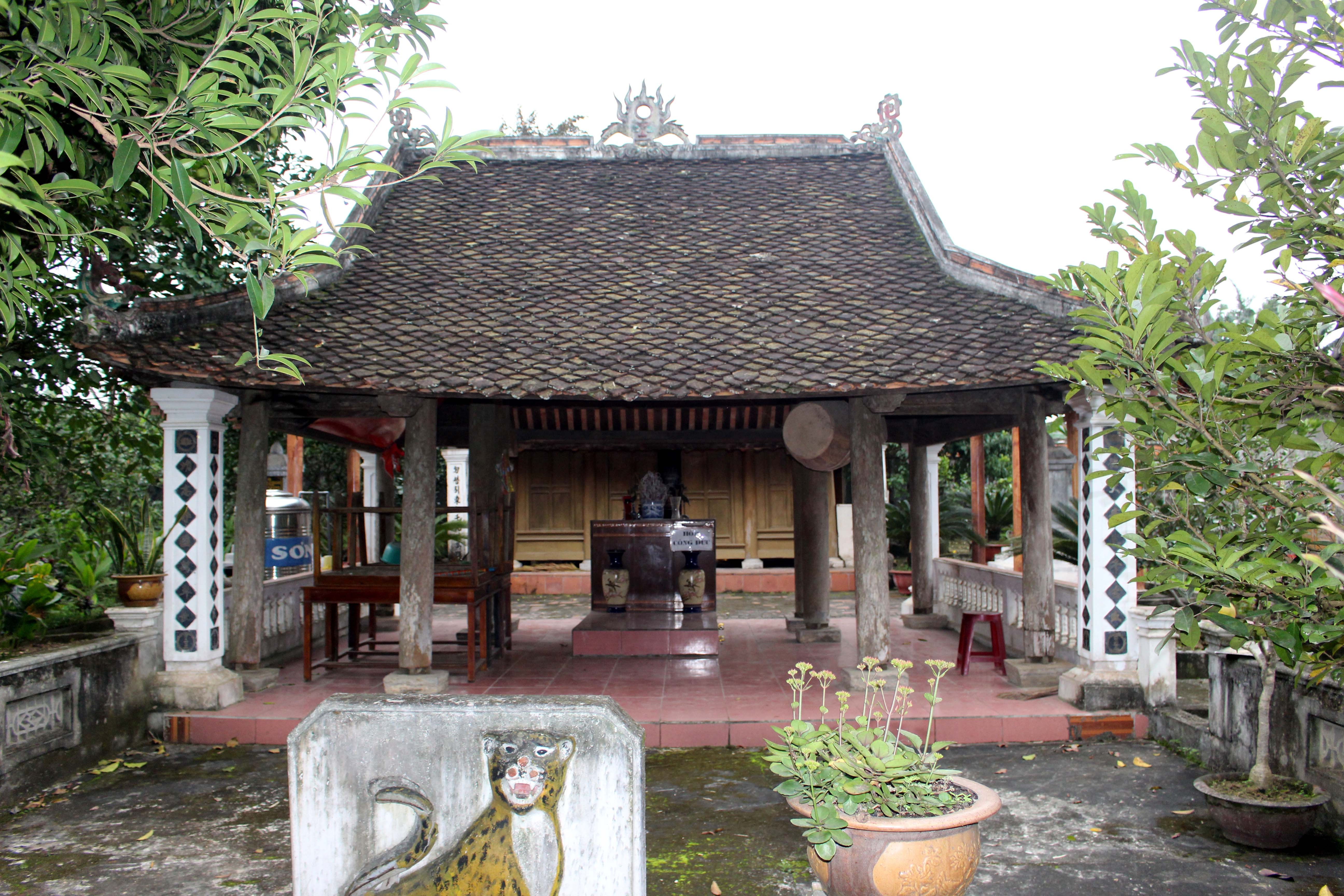 |
| The Kien Nghia stele is located within the grounds of the Tran Hung Nhượng temple, part of the complex of temples dedicated to Duke Tran Hung Hoc and Tran Hung Nhượng in Thanh Xuan commune (a National Historical Monument since 1996). Photo: Huy Thu |
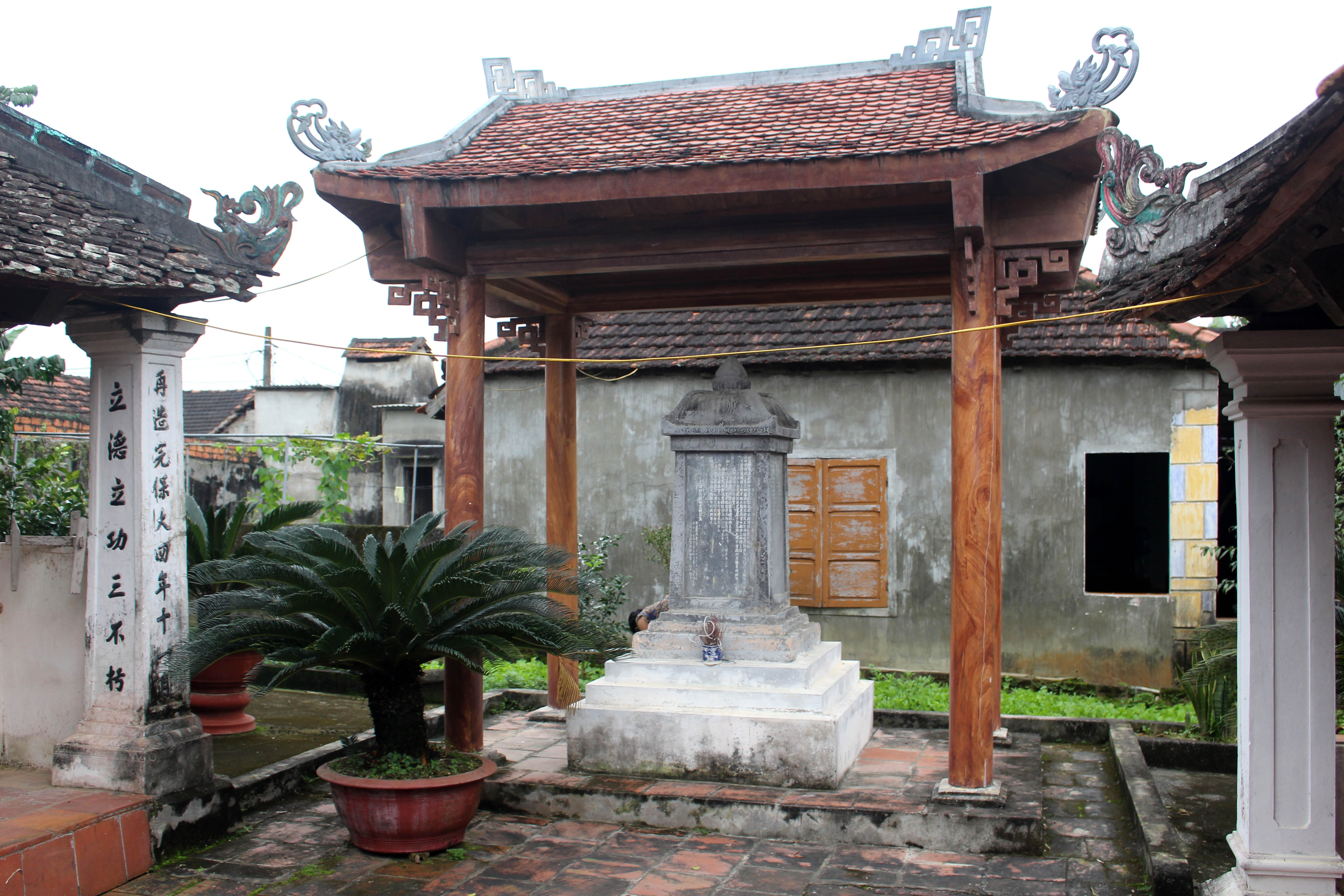
A well-organized shelter was constructed. Photo: Huy Thu |
 |
| Unlike many other stone steles, which are usually made of green stone and inscribed on two sides, the Kien Nghia stele is a quadrilateral, cylindrical block of marble, inscribed on all four sides, with a harmonious and balanced structure resembling a lotus flower. The sides of the stele are decorated similarly: on the lower border, there is a relief carving of two kneeling lions, in the middle depicting a scene of majestic mountains and forests; the borders on either side of the stele feature chrysanthemum vine motifs. Photo: Huy Thu |
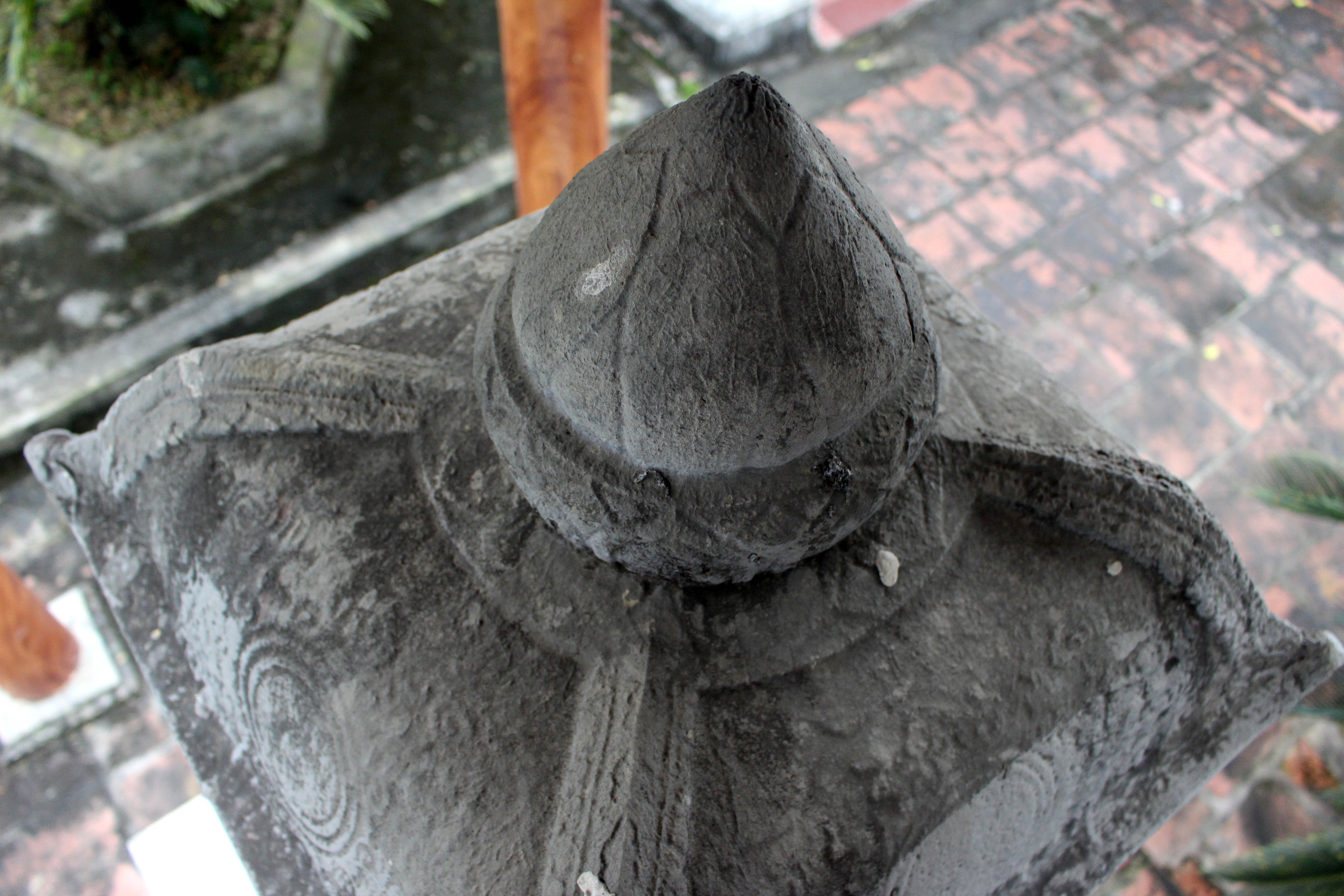 |
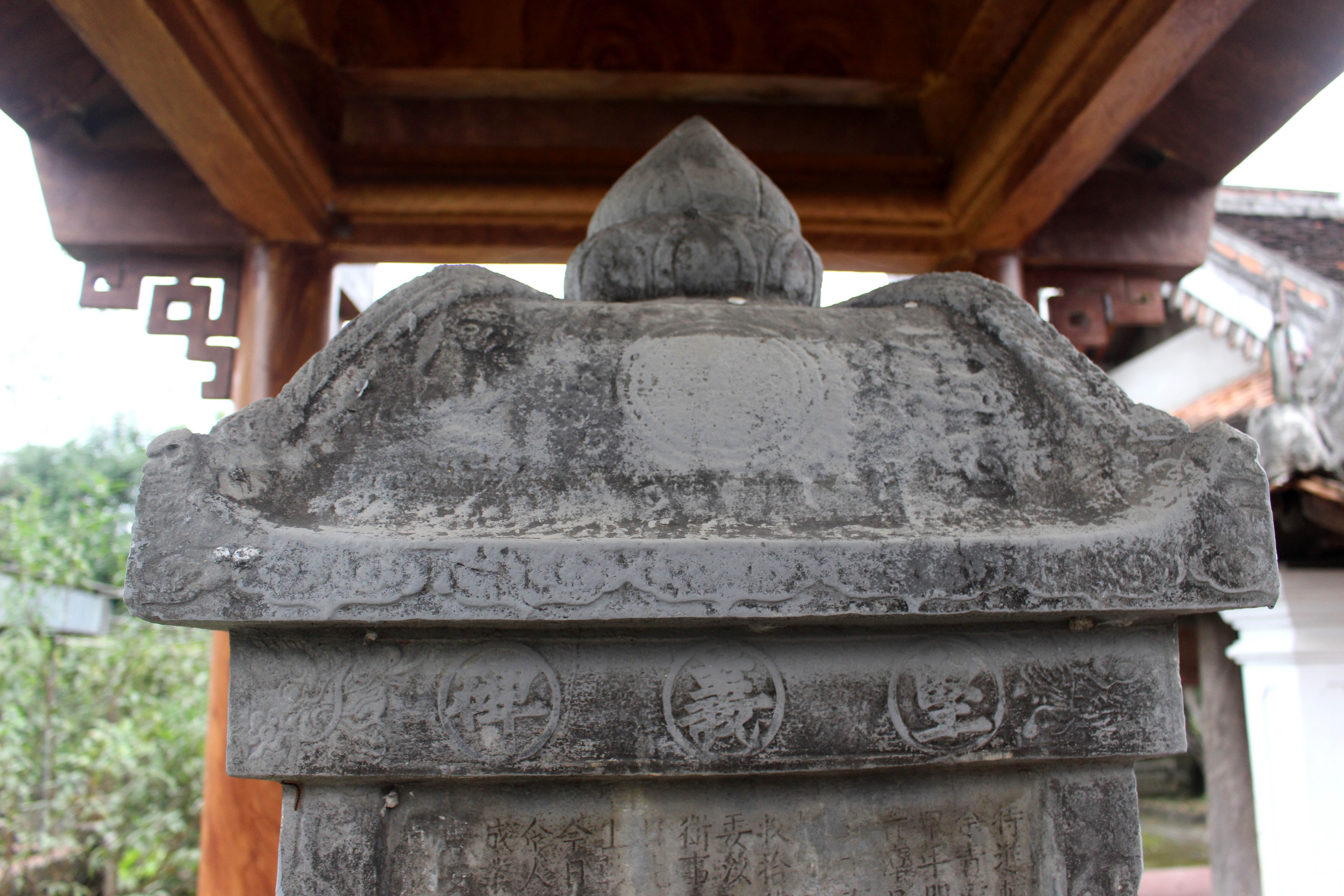
| The top of the stele resembles the top of a palanquin. On all four sides, where the steps meet the body of the stele, large Chinese characters are carved in relief. The front side bears three characters: Kiên Nghĩa bi (Stele of Righteousness), while the other three sides contain the characters for: history, historical records, and achievements. Photo: Huy Thư |
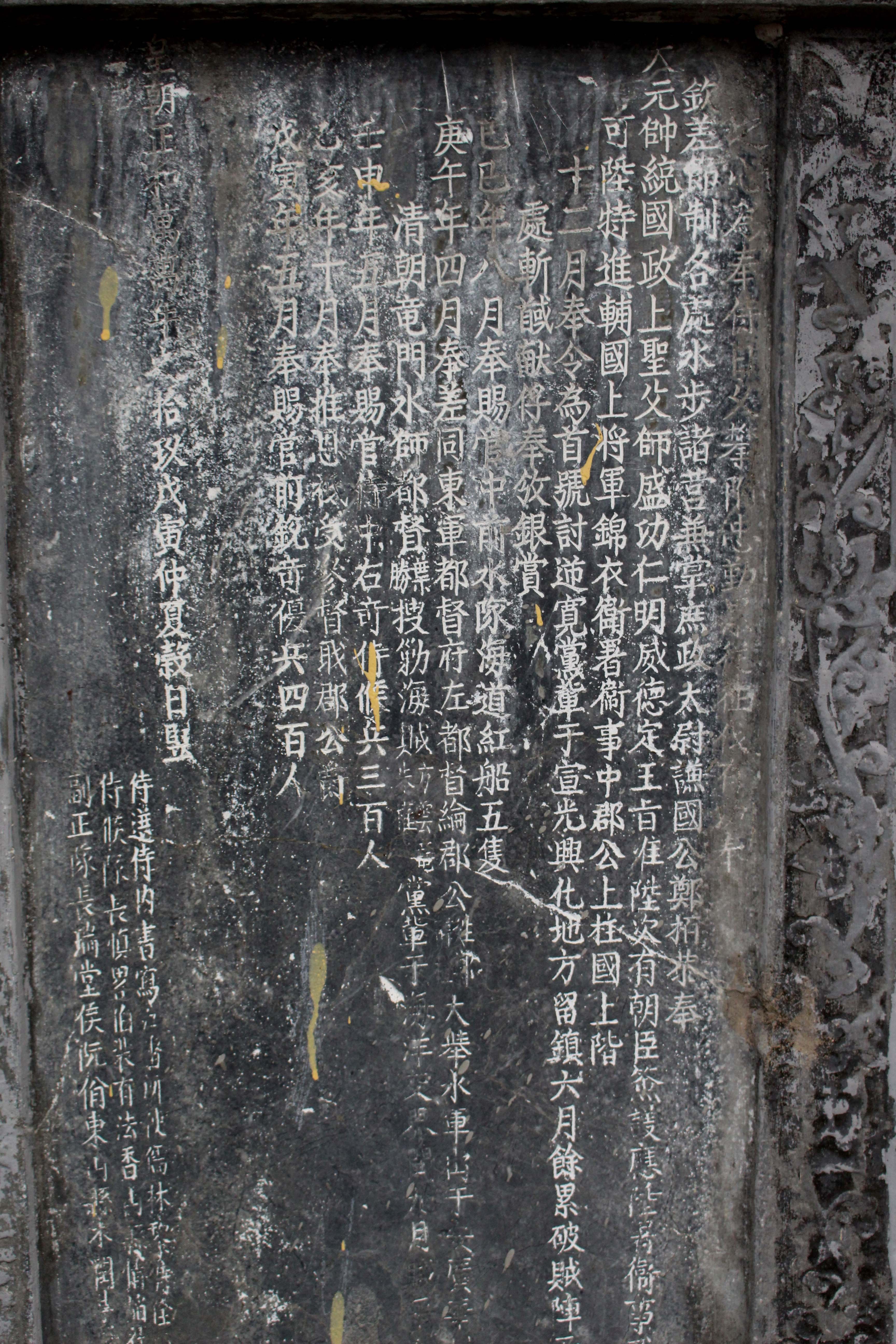 |
| All four sides of the stele are inscribed with Chinese characters, clearly recording the background, achievements, and "protecting the nation and ensuring the people's peace" careers of the two Dukes Tran Hung Hoc (1631 - 1673) and Tran Hung Nhượng (1635 - 1710). The inscription was written by the scholar Vo Thanh in the 19th year of Chinh Hoa (Mau Dan - 1699). Photo: Huy Thu |
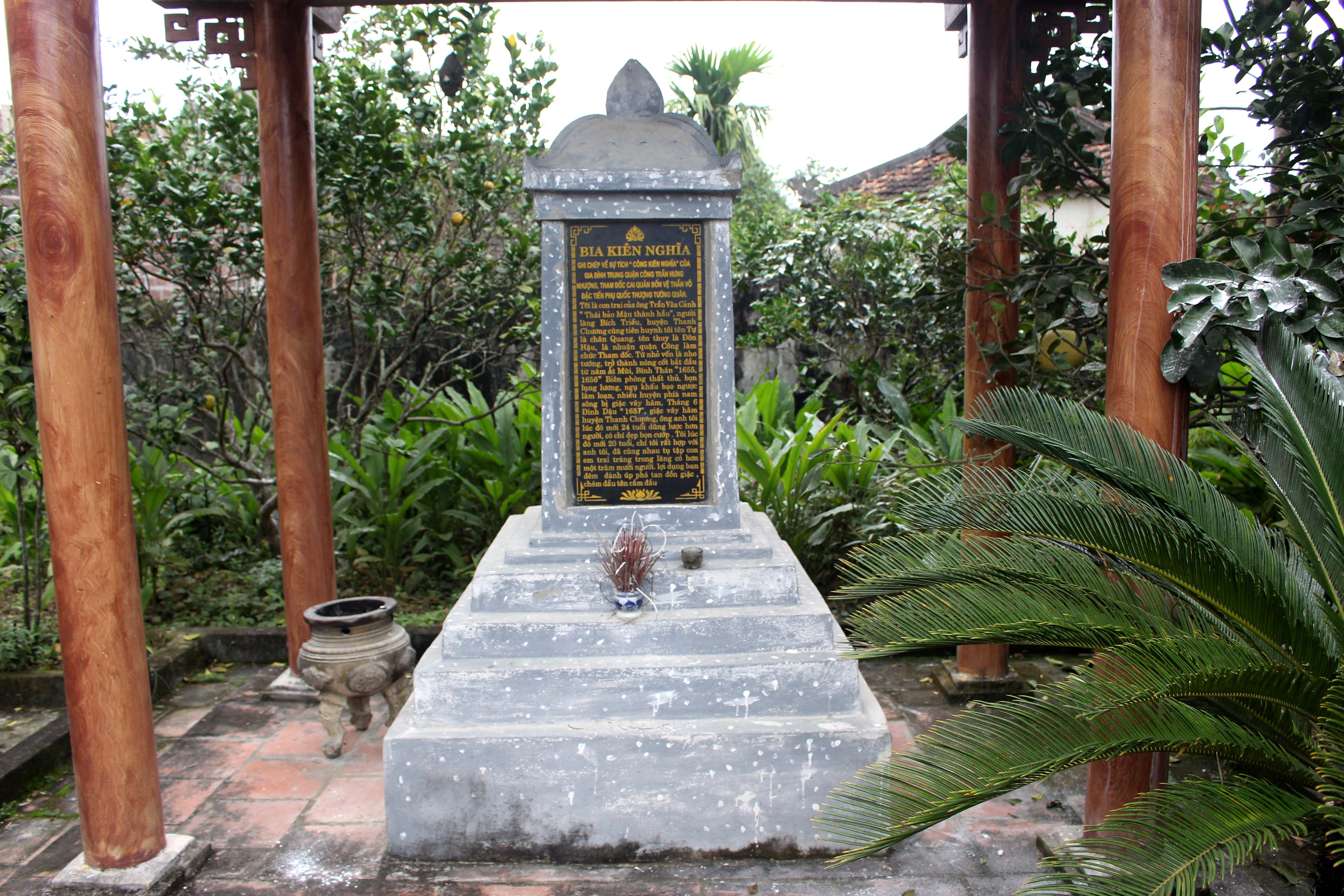 |
| During the restoration of the monument, a "translated stele" inscribed with Vietnamese characters, with an architecture similar to the Kien Nghia stele, was erected to the right of the temple. Coming out from the upper temple, the two stele houses are symmetrically positioned across a small courtyard. Through this "translated stele," viewers can quickly understand the content of the Kien Nghia stele inscription. Photo: Huy Thu |
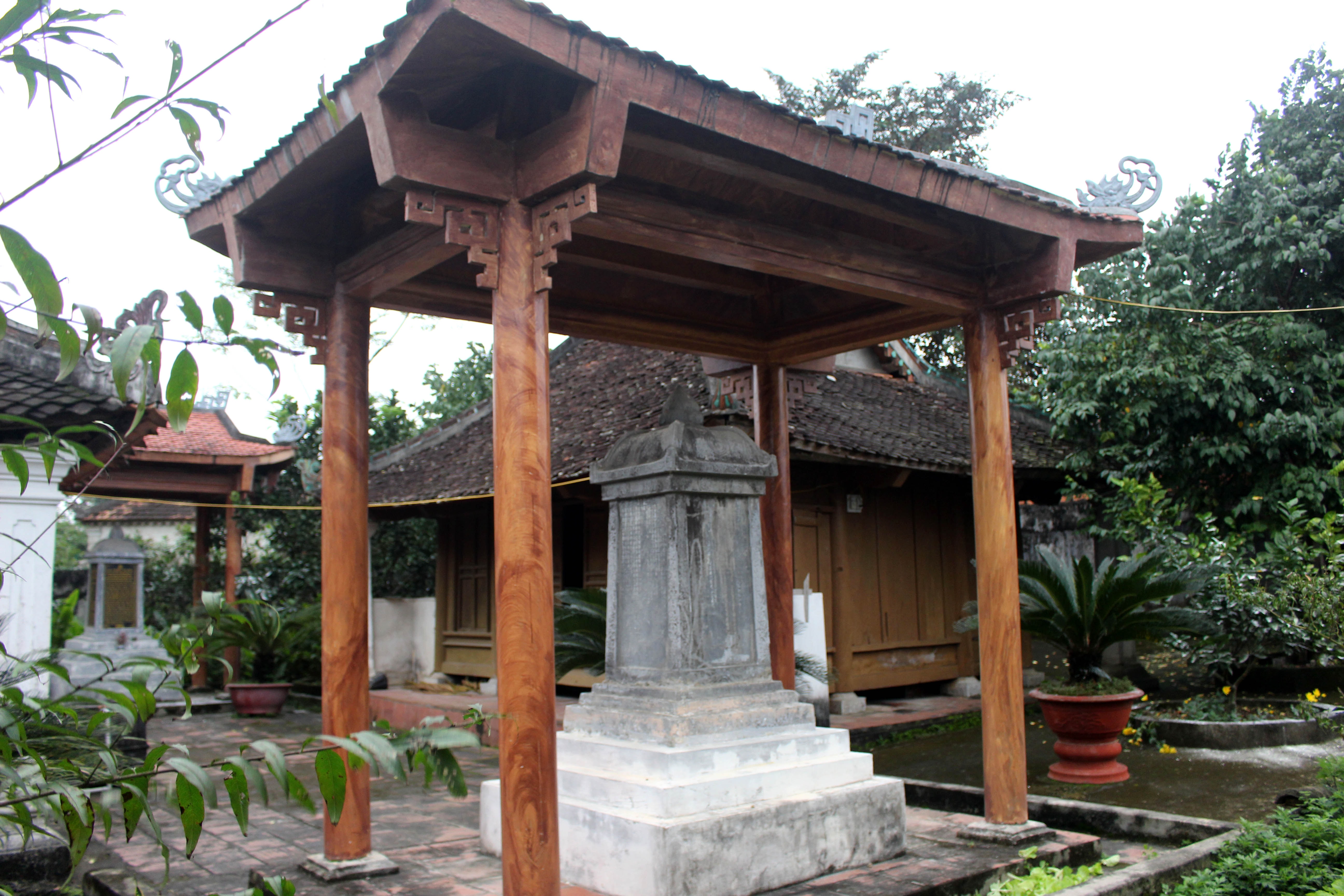 |
| The Kien Nghia stele, with its unique and aesthetically pleasing design, is not only a valuable source of information for studying the lives and careers of the two Tran family dukes and national history, but also helps people understand more about the level of stone carving skills of our ancestors in the 17th century. Photo: Huy Thu |


