
Using plastic containers for food: beware of health hazards.
Not everyone is aware of the harmful effects of using low-quality plastic containers for food, which can significantly impact human health.
Currently, the market is flooded with many plastic household items containing harmful substances, yet they are very popular with consumers. However, not everyone is aware of the significant health risks associated with using low-quality plastic containers for food storage.
"It's both affordable and beautiful, and fits your budget."
Ms. Thanh Phuong, residing in the Kim Lien residential area (Dong Da District, Hanoi), shared that currently, the market offers a wide variety of plastic products with diverse designs and affordable prices, making them very popular among housewives like herself. However, branded plastic items are often quite expensive compared to the budgets of those with average incomes like hers.
Therefore, when she needs to buy plastic food containers, the cheaper options are her first choice. She uses plastic containers to store food for the whole family, and sometimes she just puts the food directly in the plastic container and heats it up in the microwave.
In Vietnam, plastic products are currently not subject to strict quality control; their quality, safety, and suitability depend entirely on the manufacturer. Furthermore, the composition and usage warnings on plastic items are often unclear. For example, most lunch boxes are made from low-quality plastic. They can be used for cold food, not hot rice or soup like we commonly use...
Because the production of plastic food containers in our country is currently not strictly controlled, most are produced by private facilities using recycled plastic on rudimentary equipment that does not meet technical requirements, and therefore often contain elements that are harmful to the body.
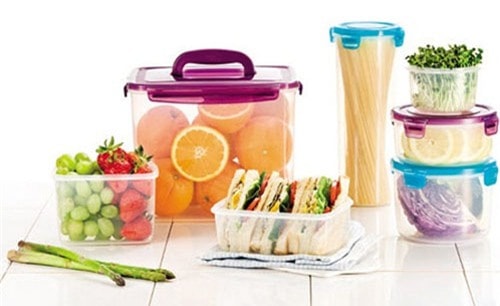 |
| Not everyone is aware of the harmful effects of using low-quality plastic containers for food. (Illustrative image) |
The harmful effects of plastic containers over time.
According to Dr. Le Thi Phuong Hue from Thanh Nhan Hospital, plastic containers, after prolonged use and cleaning with detergents, often develop scratches or discoloration. These become breeding grounds for harmful bacteria and germs, potentially leading to food poisoning or intestinal diseases in consumers.
Furthermore, plastic containers made from low-quality plastic can release the toxic substance BPA (which can cause several dangerous diseases such as diabetes, infertility, obesity, and cancer).
Using plastic containers with accompanying products such as ice cream containers, soft drink bottles, and ready-to-eat food containers still carries the risk of contamination. Manufacturers use materials and technology intended for single-use plastics, so reusing them at various temperatures can produce toxins that harm human health.
Notes on using plastic food containers
The Ministry of Health has advised people, to ensure their own health and the health of their loved ones, to limit the use of plastic items and replace them with ceramic, porcelain, or glass items. If using plastic items, they should not be used to hold hot food because harmful chemicals can leach into the food and drinks, posing a health risk.
Do not use styrofoam or plastic containers to hold food and drinks hotter than 100°C, especially hot fried foods with lots of oil; do not use styrofoam containers to hold acidic foods and drinks (pickled vegetables, salads with vinegar dressing, lemonade, lemon tea, etc.) or grease and cooking oil; do not use a microwave to heat food in styrofoam or plastic containers; only use products with clear origins and that meet food safety and hygiene standards; use according to the manufacturer's instructions; use only once, do not reuse for extended periods.
To ensure safety, you should buy plastic food containers from reputable brands that have certifications from testing agencies. Choose plastic containers that are highly transparent and glossy, with a smooth, non-rough surface. Such products are generally much safer.
It's best to choose inorganic, rigid, white plastic containers because this type of plastic is generally less toxic than organic plastic. To distinguish between the two types of plastic, you can hold them up to the sunlight; organic plastic will still allow sunlight to pass through, while inorganic plastic will not.
Hard, white plastic containers are generally safer. This is because flexible, brightly colored plastics are often coated with many chemical dyes. Therefore, they can cause poisoning, significantly affecting our health and leading to dangerous diseases.
According to AloBacsi.vn


