
Director of Nghe An Department of Tourism: The whole society must work together to develop tourism.
(Baonghean.vn) - According to Nguyen Manh Cuong, Director of the Nghe An Department of Tourism, tourism is a comprehensive economic sector with interdisciplinary and interregional characteristics, and a high degree of social integration. The products of the tourism industry are the common products of society.
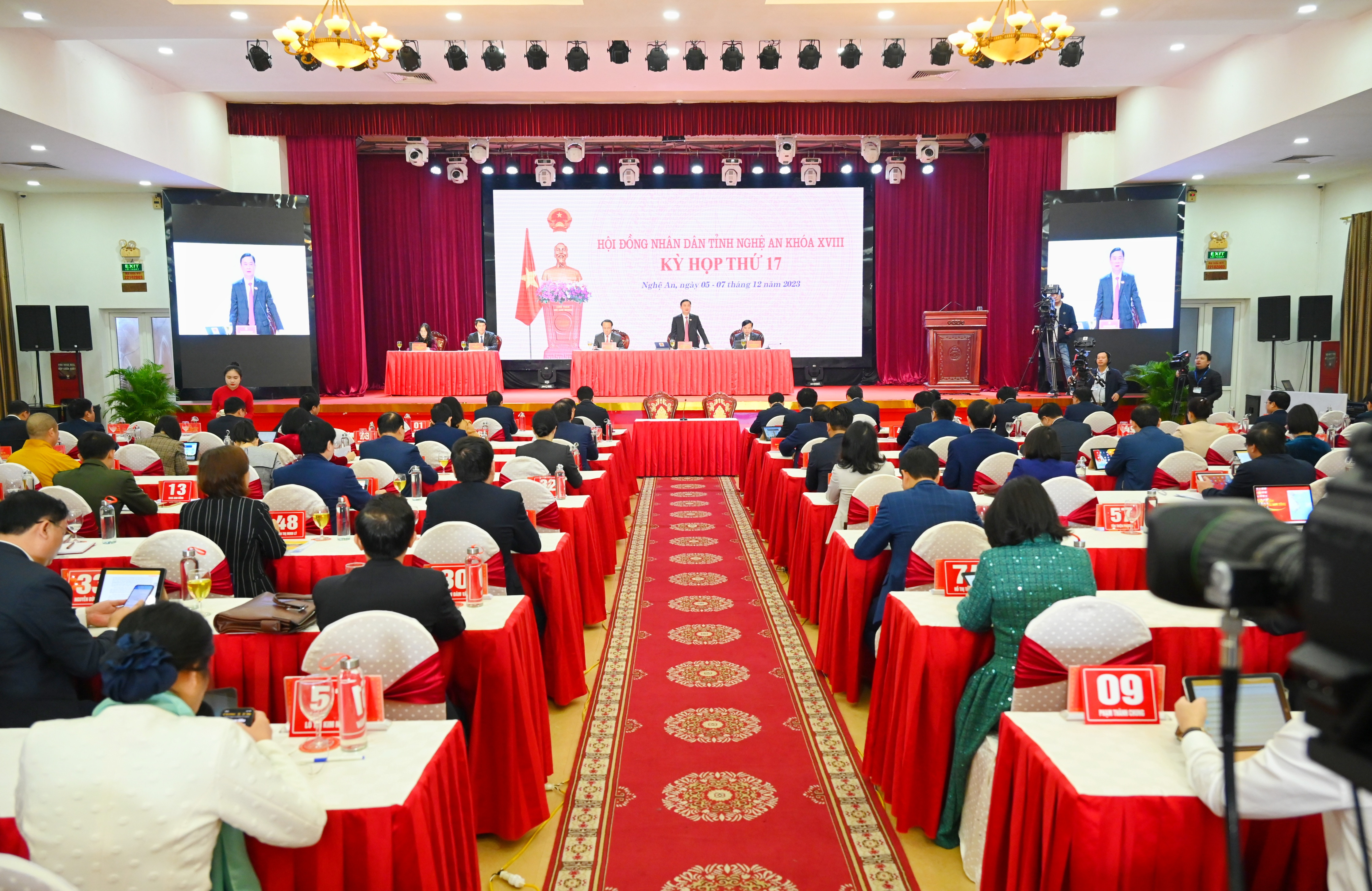
On the morning of December 7th, the 17th session of the 18th term of the Nghe An Provincial People's Council held a question-and-answer session on the following topics: Solutions to develop tourism in Nghe An into a key economic sector in accordance with Resolution No. 39-NQ/TW dated July 18, 2023, of the Politburo on building and developing Nghe An province until 2030, with a vision to 2045.
Comrades Thai Thanh Quy - Member of the Central Committee of the Party, Secretary of the Provincial Party Committee, Chairman of the Provincial People's Council, Head of the Provincial Delegation of National Assembly Deputies; Nguyen Nam Dinh - Member of the Standing Committee of the Provincial Party Committee, Permanent Vice Chairman of the Provincial People's Council; and Nguyen Nhu Khoi - Member of the Provincial Party Committee, Vice Chairman of the Provincial People's Council, presided over the session.
Attending the questioning session were: Nguyen Van Thong - Standing Deputy Secretary of the Provincial Party Committee; Nguyen Duc Trung - Deputy Secretary of the Provincial Party Committee, Chairman of the Provincial People's Committee; Hoang Nghia Hieu - Deputy Secretary of the Provincial Party Committee; members of the Standing Committee of the Provincial Party Committee, members of the Provincial Party Committee; delegates of the Provincial People's Council from 21 delegation groups and invited guests.
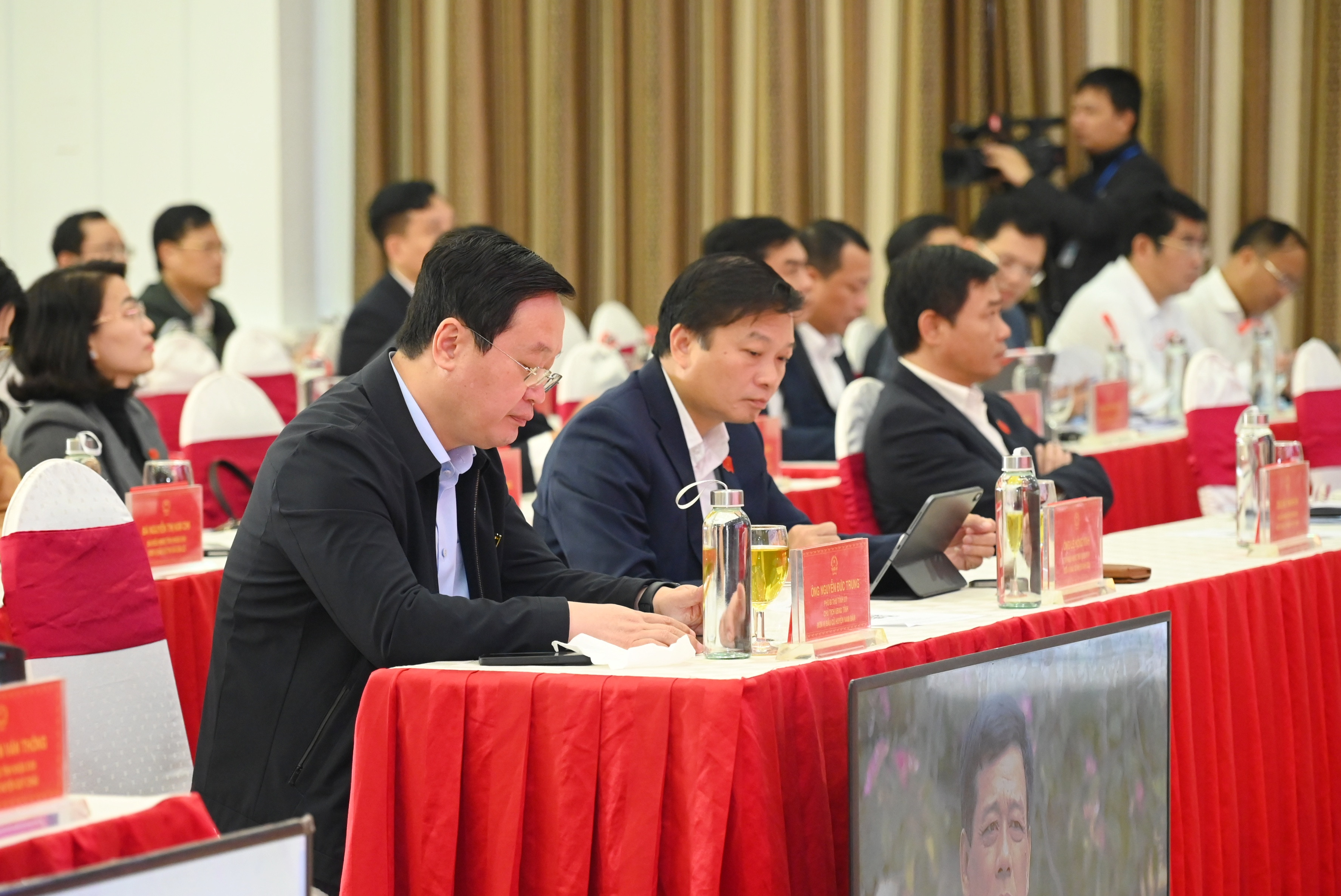
Tourism is a shared "product" of society.
According to the report presented by the Director of the Department of Tourism, Nguyen Manh Cuong: With the attention and guidance of the Provincial Party Committee, the Provincial People's Council, and the Provincial People's Committee, Nghe An province has promptly issued the Action Program of the Provincial Party Standing Committee to implement Resolution 08-NQ/TW of the Politburo on developing tourism into a key economic sector in Nghe An province for the period 2017-2030. Every year, the Provincial People's Committee has issued a tourism development plan. With the participation of many levels and sectors, Nghe An's tourism has made positive progress.
Tourism products are becoming increasingly diverse, abundant, and of higher quality, aligning with the potential and strengths of each locality. Several key tourism products of Nghe An have been identified, including: beach resort tourism; cultural, historical, and spiritual tourism; ecotourism, community-based tourism, agricultural and rural tourism; and culinary tourism. The tourist market is gradually expanding, especially the domestic market. Travel agency operations have made significant progress, attracting several large domestic travel companies to open branches in Nghe An.
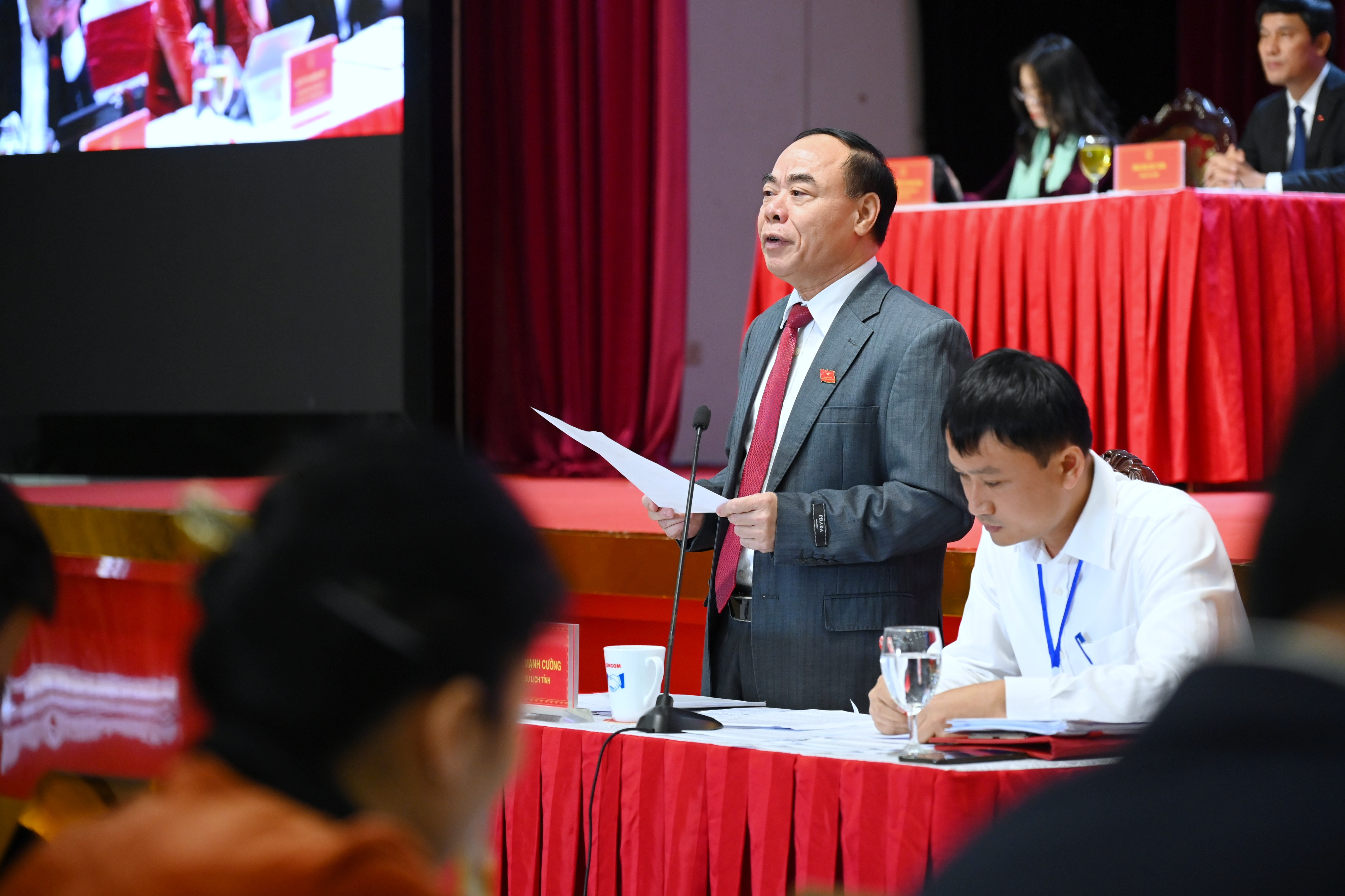
Despite its achievements, Nghe An's tourism sector still faces many challenges and limitations: Tourism development has not kept pace with its potential, its contribution to the GRDP remains modest, tourist spending is not high, with spending on shopping and other needs accounting for a low proportion. Although tourism products have improved, they have not yet created a breakthrough or a distinctive brand for Nghe An tourism; it has not yet attracted many professional investors or foreign investors with strong financial resources and large-scale projects, unique and high-end services to attract high-spending tourists and generate significant revenue.
During the questioning of the Director of the Department of Tourism, delegate Le Thi Kim Chung (Quynh Luu) raised the question: Tourism is identified as a comprehensive economic sector with high interdisciplinary and inter-regional social participation, and coordination and linkage are very important. However, in reality, the linkage between departments, sectors, and localities with the tourism industry is still inadequate. She requested that the Department develop solutions to address the issue of linkage in tourism development in the future.
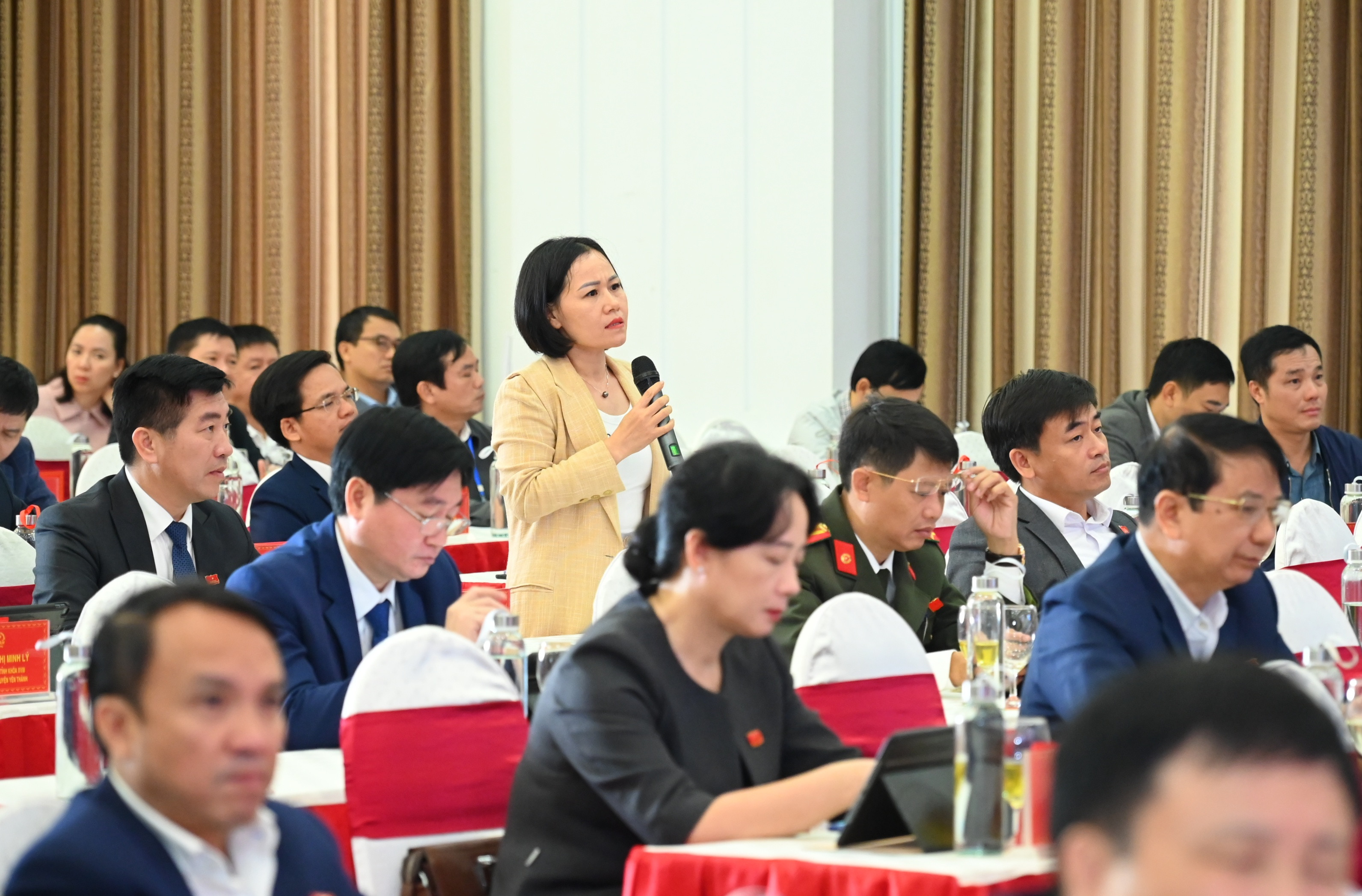
In response to the delegates, the Director of the Department of Tourism stated that, in the past, the Department of Tourism has coordinated with departments, agencies, and localities within the province and other provinces and cities nationwide to connect and promote tourism development. However, compared to the actual situation, it has not yet met the requirements.
In the coming period, the industry will strengthen tourism promotion and marketing activities both domestically and internationally; improve the effectiveness of linkages and cooperation in tourism development with provinces and cities nationwide, especially those with large tourist sources; and expand cooperation in tourism development with provinces and cities in the region and countries with which Nghe An has signed agreements, linked to the opening of new flight routes.
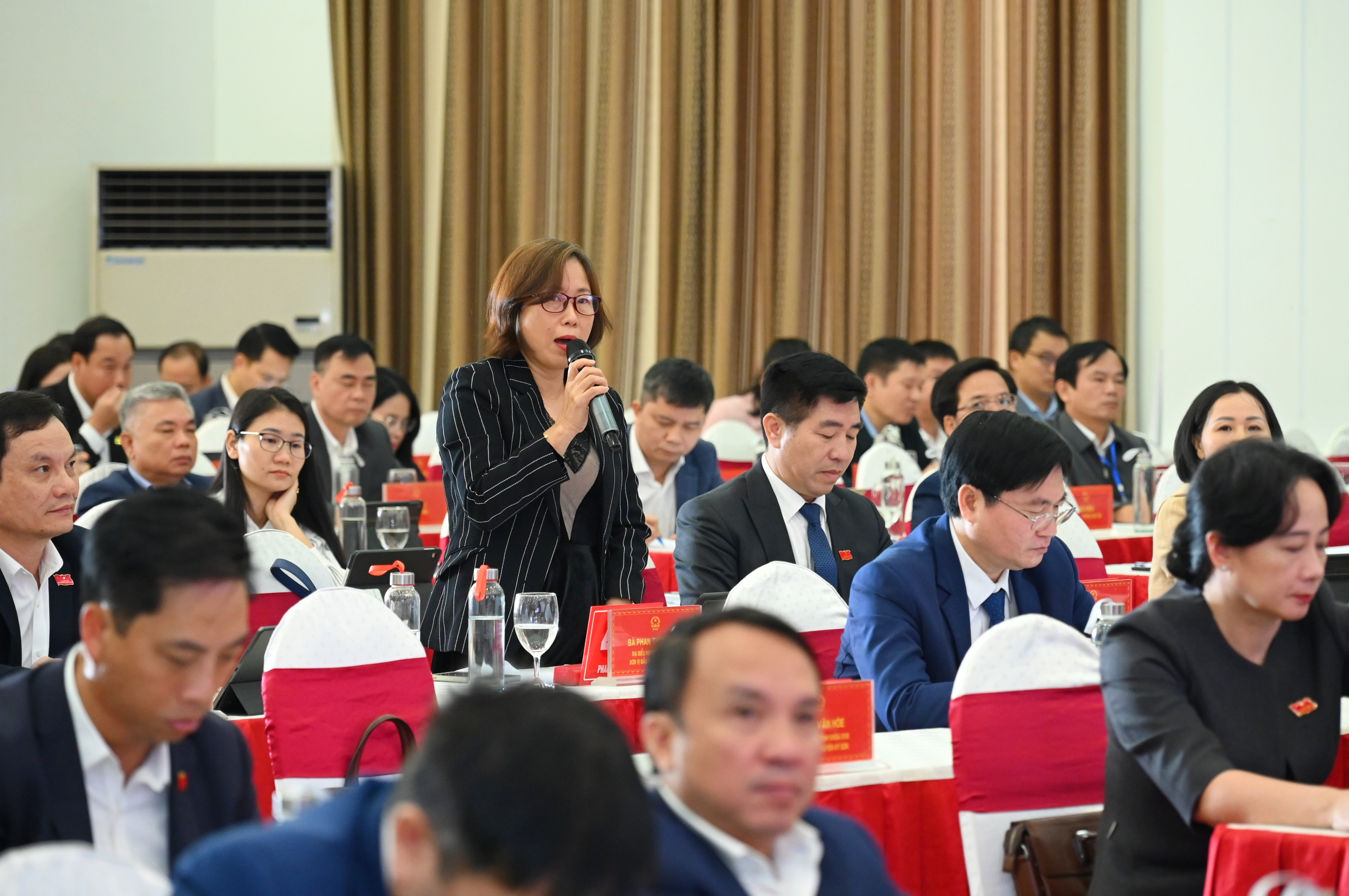
Representative Phan Thi Minh Ly (Yen Thanh) argued that there are many reasons why Nghe An's tourism has not yet fully exploited its potential and strengths. Among them, two important reasons are the development of tourism products and the attraction and training of qualified human resources. The representative asked: What solutions do the tourism industry and related sectors have to address these obstacles?
Responding to this point, Mr. Cuong emphasized: The tourism industry is a comprehensive economic sector with interdisciplinary and interregional characteristics, and a high degree of socialization. The tourism industry benefits from tourism products from other sectors. The entire society is involved in tourism, not just the tourism industry alone. The tourism industry only performs state management functions related to tourism, such as planning, developing strategies, codes of conduct, and directives to improve state management in the tourism sector.
“Tourism products are the common products of society, not only of state management agencies but also of businesses and the people. Therefore, in the coming time, the Provincial People's Committee needs to assign relevant departments and agencies to pay attention to the development of their respective sectors in conjunction with tourism development,” the Director of the Department of Tourism proposed.
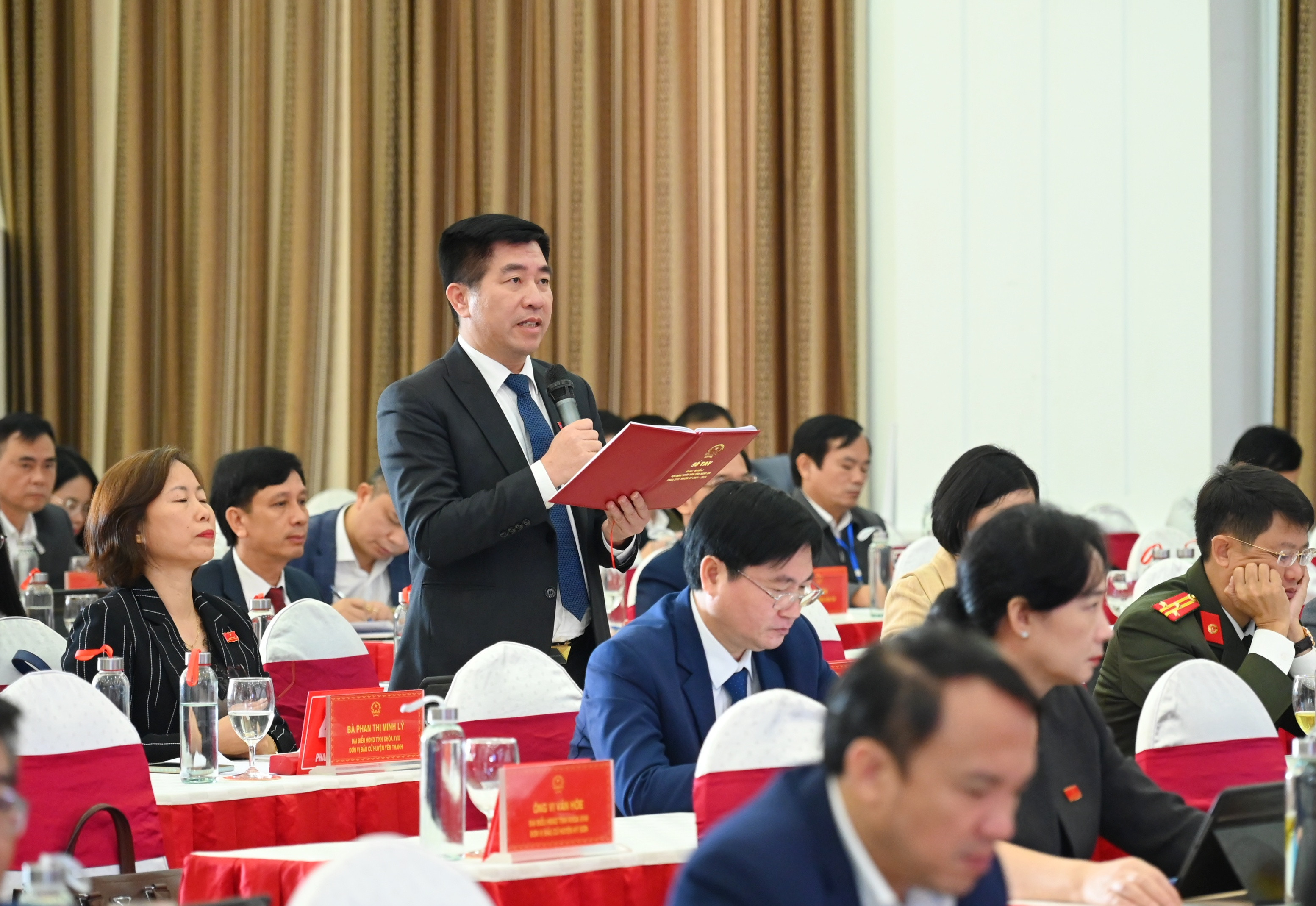
Regarding the development of tourism in the Mekong Delta, delegate Ho Van Dam (Quynh Luu) stated: In 2020, the Provincial People's Council issued Resolution No. 07 on promulgating a number of policies on the development of community tourism in Nghe An province for the period 2021-2025. The delegate requested the Director of the Department of Tourism to clarify whether these policies have adequately supported the resources for this development; solutions for developing community tourism; and what policies are needed to effectively develop community tourism in Nghe An province in accordance with the spirit of Resolution 39 of the Politburo.
Addressing the delegates' concerns, the Director of the Department of Tourism stated: Implementing Resolution 07, in 2021-2022, the Department of Tourism advised on the development of community tourism models in several localities. Accordingly, support was provided to 8 villages and 24 households in the districts of Tuong Duong, Ky Son, Quy Chau, Que Phong, Anh Son, and Quy Hop. In 2023, support was provided to 4 districts and 12 households with a budget of 2.4 billion VND in Quy Chau, Con Cuong, Tan Ky, and Nam Dan.
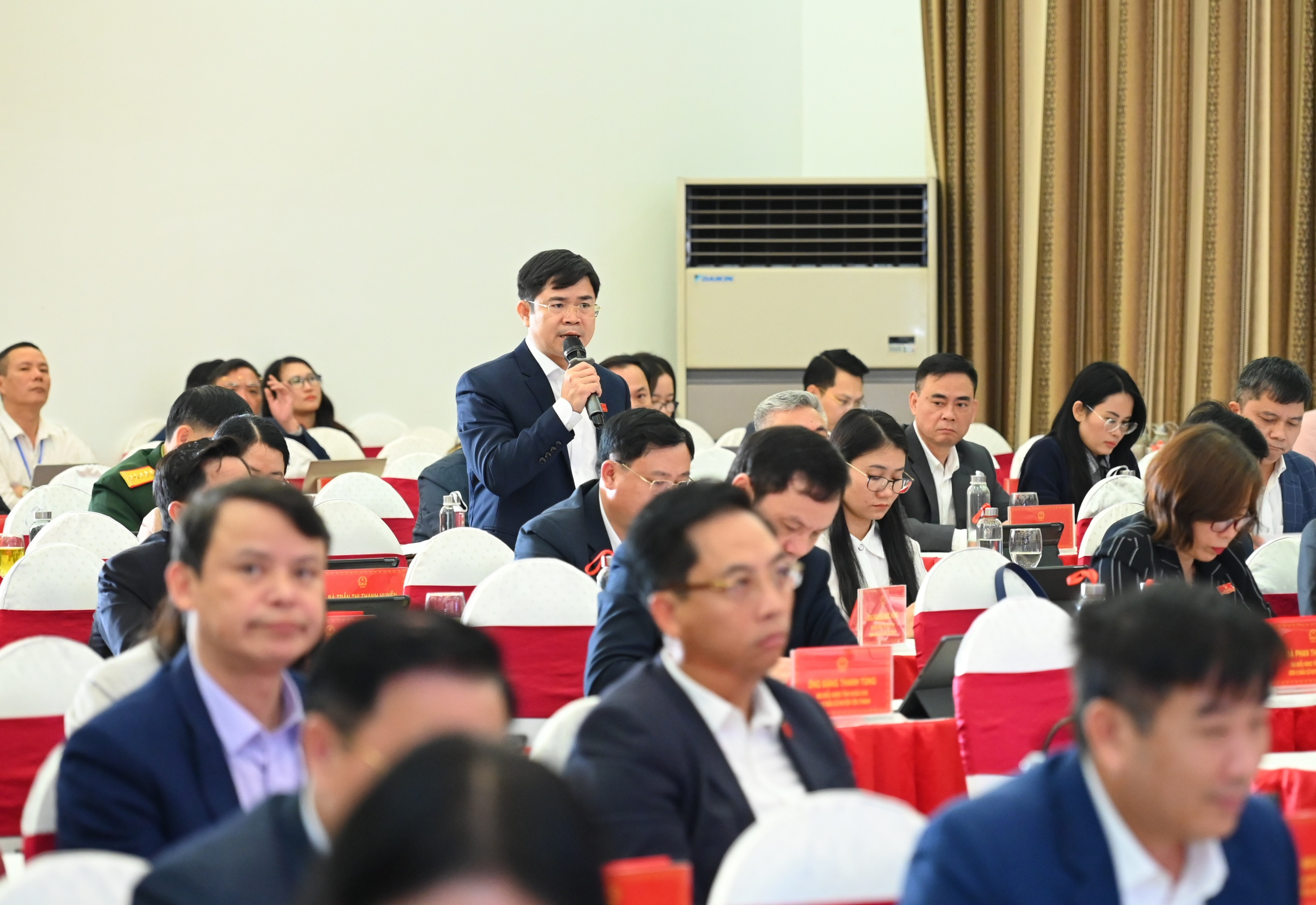
Delegate Trinh Van Nha (Thanh Chuong) stated that Nghe An province has the potential to develop many different types of tourism. To create momentum to attract tourists, especially foreign tourists, to Nghe An, it is necessary to select a few key tourism types. Therefore, the delegate asked which key tourism types the tourism sector intends to focus on in the future and what solutions will be implemented?
Regarding this matter, the Director of the Department of Tourism stated: Nghe An has 7 types of tourism, and the tourism industry has chosen 3 pillars: cultural and historical tourism, beach resort tourism, and eco-adventure tourism associated with community tourism.
“Foreign tourists coming to Nghe An are choosing community-based tourism. To develop this model, the tourism industry will continue to build it. After 5 years, we will evaluate and summarize the expansion of this model. The province is aiming to develop tourism in the Mekong Delta, expanding the tourism space in the Mekong Delta to better utilize the potential advantages of the localities,” Mr. Cuong said.
Regarding tourism souvenirs, Mr. Cuong stated that this is a concern for the provincial leadership and the people of the localities. He believes this is a problem the province needs to continue to solve in the coming time.
Regarding the tourism sector, leaders from the Departments of Planning and Investment, Culture and Sports, Labor, War Invalids and Social Affairs, Industry and Trade, and the Provincial Investment, Trade and Tourism Promotion Center also provided explanations and clarified issues of concern to delegates and voters.
Developing tourism into a key economic sector.
On behalf of the presiding officer, concluding the questioning session on this matter, the Secretary of the Provincial Party Committee and Chairman of the Provincial People's Council of Nghe An, Thai Thanh Quy, assessed: The atmosphere of the questioning session was lively, democratic, frank, responsible, and constructive. The delegates asked relevant and accurate questions, concise and to the point, directly addressing the issues being questioned.
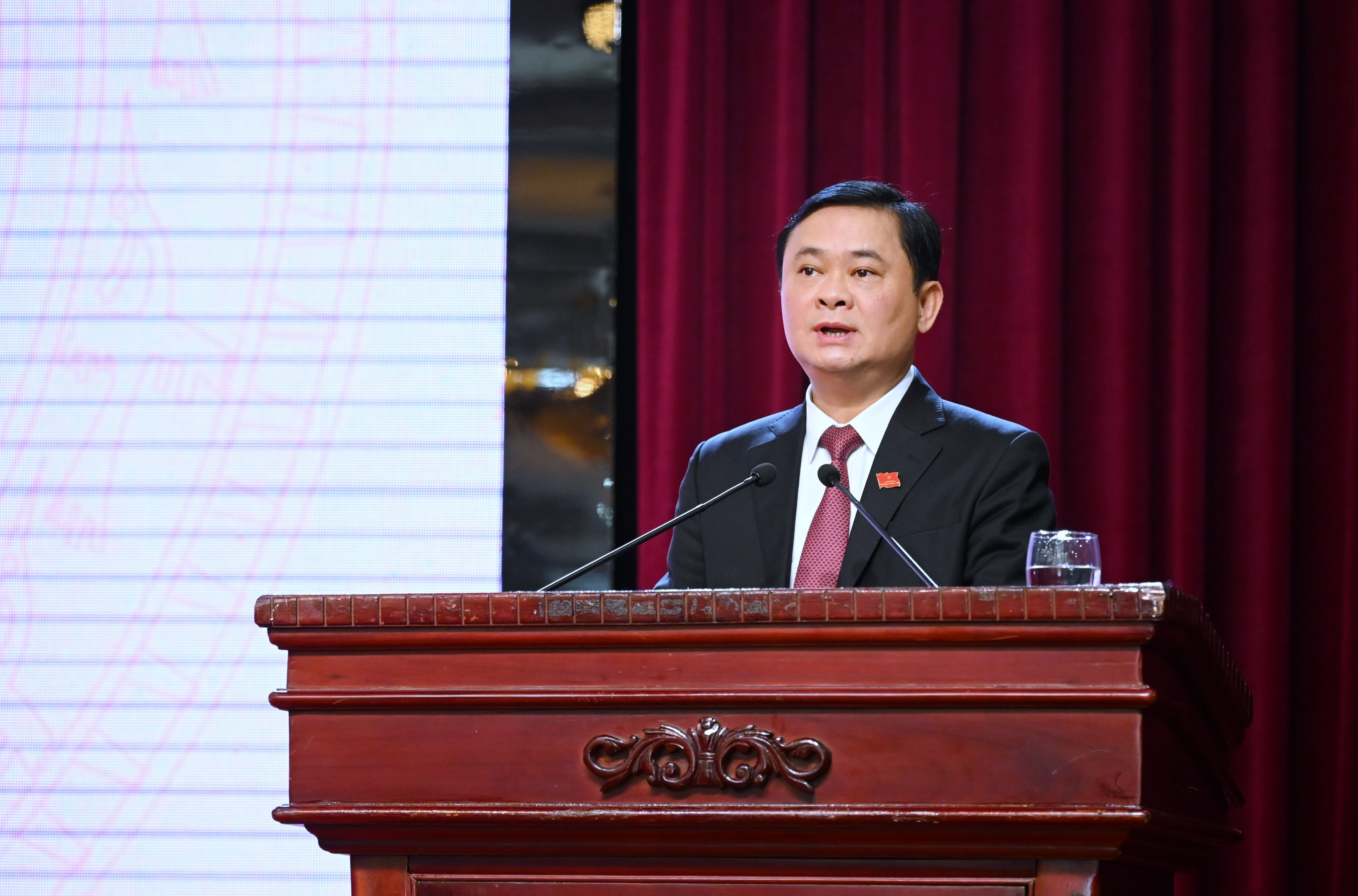
The Director of the Department of Tourism and representatives from the following sectors: Planning and Investment, Culture and Sports, Labor, War Invalids and Social Affairs, Industry and Trade, and the Provincial Investment, Trade and Tourism Promotion Center demonstrated a firm grasp of the issues within their respective areas of management and provided comprehensive and fairly frank answers to the questions and debates raised by the delegates.
The Provincial Party Secretary emphasized: In the process of planning and orienting the implementation of socio-economic development directions and tasks, Nghe An province has always identified tourism as a strength and a priority area for development.
The Resolution of the 19th Provincial Party Congress affirmed: "Prioritize the development of coastal tourism, high-tech agriculture, and resort tourism... with regional and international significance." Resolution No. 39 of the Politburo has oriented the development of tourism in Nghe An to "become a key economic sector, making Nghe An one of the tourism centers of the North Central region, and an attractive destination nationwide."
The Provincial Party Secretary assessed that, in recent years, Nghe An's tourism sector has developed quite positively, making an important contribution to the province's socio-economic development. However, tourism development is still not commensurate with its potential and advantages; its role as a "spearhead" in the economy is not yet truly evident.
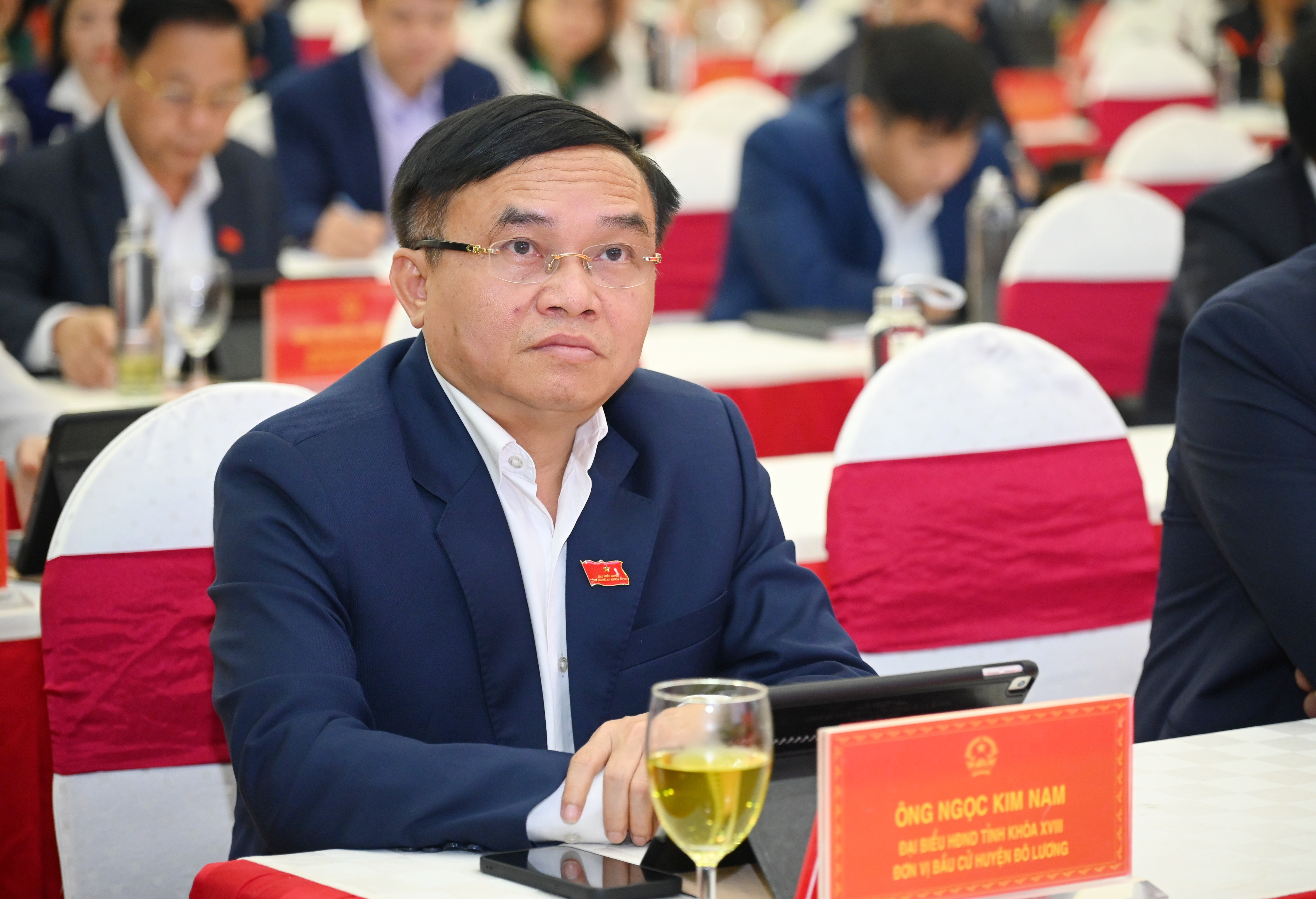
Based on the achievements and the remaining issues and shortcomings raised by delegates during today's questioning session, in order for the tourism industry to truly become a "key economic sector," the Provincial People's Council proposes that the Provincial People's Committee, all levels, sectors, and localities focus on implementing a number of tasks and solutions in a coordinated manner.
A unified understanding and strong political will are needed to develop tourism into a key economic sector. Tourism is a comprehensive economic sector with interdisciplinary and interregional characteristics; its development involves the responsibilities of many sectors and fields (during today's questioning session, delegates have raised many issues for related sectors such as Planning and Investment, Culture and Sports, Labor, War Invalids and Social Affairs, and Industry and Trade...). Therefore, tourism development cannot be achieved by the tourism sector alone; it requires the responsibility and coordinated efforts of all levels and sectors in the province.
A clear philosophy, brand identity, long-term vision, and systematic, comprehensive, and effective planning and management are needed for the province's tourism. Currently, localities are acting independently, and the guiding and managing roles of state agencies in tourism are unclear, leading to difficulties in coordination and a lack of professionalism.
Simultaneously, focus on improving the effectiveness of state management of tourism at the provincial and local levels, especially in key tourism development areas. Promote dissemination and awareness campaigns to create positive changes in the understanding of all levels, sectors, the political system, and businesses regarding the role of tourism in the province's socio-economic development.
Based on that, further research will be conducted to advise competent authorities on issuing more groundbreaking and stronger support mechanisms for tourism development, focusing on priority areas such as: encouraging investment attraction, developing tourism infrastructure and technical facilities; developing tourism products (currently, the province only has Resolution 07/2020 on supporting community tourism); researching and developing markets, promoting and advertising tourism; and mechanisms and policies for training and developing human resources...).
Focus on improving the quality of tourism services and products, prioritizing the allocation of investment capital for tourism infrastructure development in potential areas; investing in transportation infrastructure to facilitate tourism. Invest in developing and diversifying tourism products, especially integrated chains and services, meeting international tourism standards, high-end domestic tourism, and budget tourism associated with preserving and promoting the role of historical relics, destinations, and tourist areas; the OCOP program, etc.
Along with that, strengthen inspection and supervision; strictly manage all types of services for tourists, and eliminate the mindset of seasonal and opportunistic tourism. Focus on building a humane, cultural, and distinctive tourism environment. Treat tourists with civility and friendliness. Train and improve the tourism workforce to meet requirements.
Simultaneously, strengthen linkages, connections, market development, promotion, and tourism branding. Focus on applying digital technology, social media, and tourism websites to promote tourism; digitize tourist destinations in the province and enhance new tourism experiences for visitors.
Strengthen cooperation and linkages with domestic and international organizations; major airlines and travel agencies to implement programs and events to promote tourism locally and in key international markets; orient tourism linkages between localities and regions; connect tourist destinations with tours and travel routes. Develop each locality and tourist destination with its own unique characteristics to attract tourists to experience it.
The Provincial Party Secretary and Chairman of the Provincial People's Council requested the Provincial People's Council to direct the Provincial People's Committee to instruct relevant departments, agencies, and localities to implement the solutions mentioned above. The Standing Committee of the Provincial People's Council, the committees of the Provincial People's Council, the groups of delegates of the Provincial People's Council, and the delegates of the Provincial People's Council will monitor the acceptance, explanation, and implementation of commitments made during the questioning session.


