
Google is about to 'lock' banking apps on older Android phones.
Google is preparing to tighten security on Android phones, which could render banking apps unusable on older devices. If you're still using a device running Android 12 or earlier, now's the time to reconsider.
In an era where smartphones have become virtually everyone's "digital wallet," securing mobile devices is not just an option, but a necessity.
From ordering food and paying bills to managing your entire bank account, your phone stores a wealth of highly sensitive personal and financial information. And the trust we place in that device largely depends on one factor: security updates.

A recent report reveals that Google is quietly implementing a new security standard for Android devices, starting with Android 13 and above.
Accordingly, phones that have not received security patches in the last 12 months may have restricted access to or use of applications requiring a high level of security, especially banking, financial, and business tools.
Software updates: The key to protecting yourself from unseen risks.
Unlike feature updates that bring new interfaces or improved utilities, monthly security patches silently address vulnerabilities that hackers are actively exploiting. Ignoring them is like leaving your front door unlocked, making it easy for intruders to break in.
Google is testing a new “security check” aimed at ensuring newer Android devices not only receive patches, but actually get regular updates. This creates a crucial layer of screening, especially for users conducting financial transactions from their mobile devices.
Bad news for older Android phones.
The problem becomes more serious when considering the number of devices still running on older versions of Android such as Android 12, 11, 10, or even older.
These devices are not only outdated in terms of functionality, but more importantly, they have stopped receiving security patches from the manufacturer, possibly months or even years ago.
This means that if you're using an older Android phone to transfer money, pay bills, or store sensitive financial data, you're putting yourself at risk.
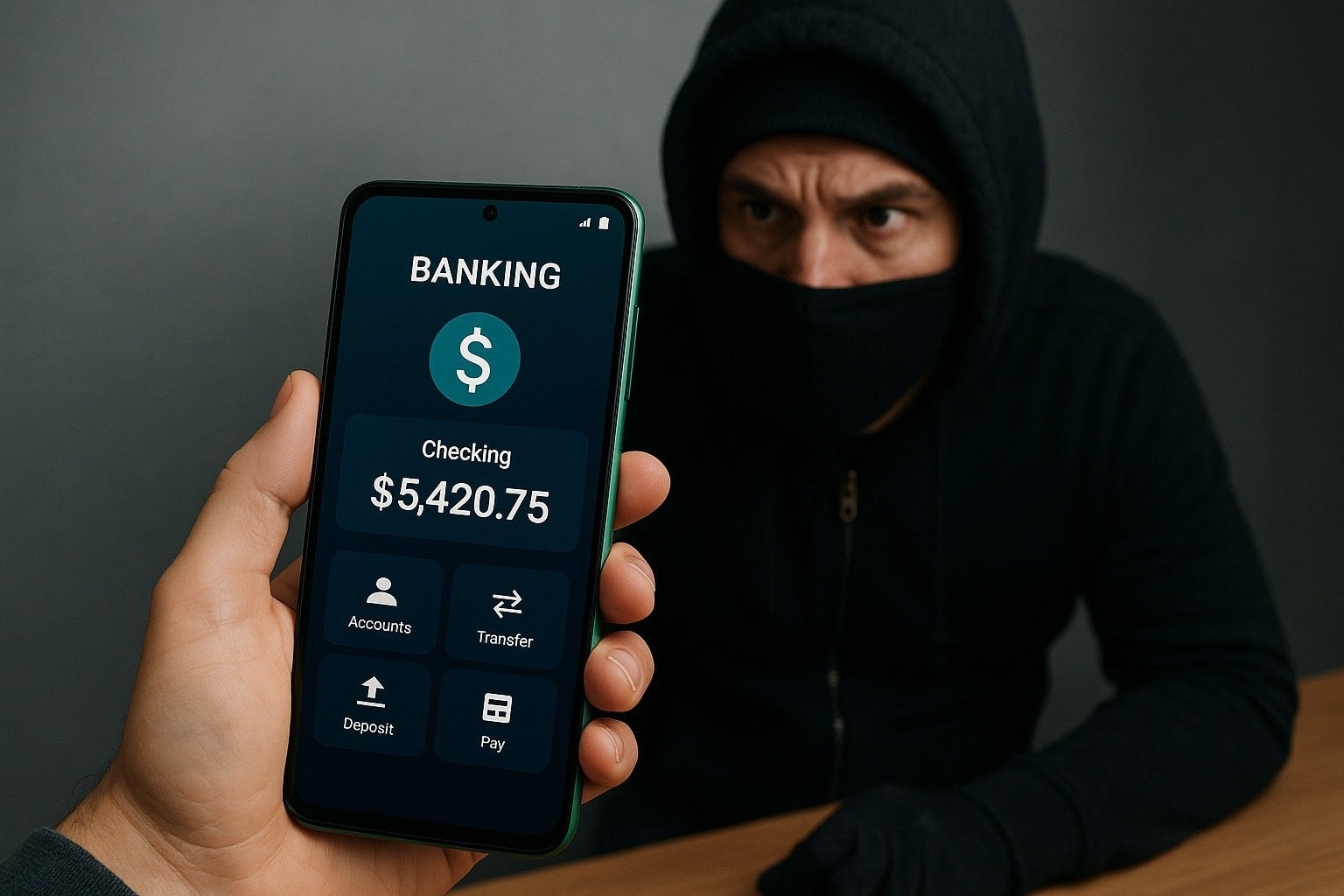
An unpatched security vulnerability can become an open door for malware, which can steal passwords, track keystrokes, or worse, carry out unauthorized transactions without your knowledge.
It's no coincidence that Google and security experts are targeting banking apps. They are the most lucrative target for cybercriminals.
They are constantly looking for opportunities to exploit vulnerable devices, where even a small flaw can lead to significant damage.
In this context, Google's move to tighten security standards is an attempt to establish a more robust defense for sensitive applications.
Consider this if you are still using an older Android phone.
It would be unfair not to acknowledge the progress made by major manufacturers like Samsung and Google in extending software update support, even up to 7 years for some high-end models.
However, millions of Android devices are still out of support, and users continue to use them for essential tasks, including banking transactions.
If you're using a device running Android 12 or lower, now is the time to check your software version and the date of the most recent security update in the settings.SettingnewsIntroduction to the phone.
If your device's support has "expired," seriously consider upgrading or avoiding using it for financial purposes.
That old phone might still work fine, but its ability to defend itself against modern threats is no longer guaranteed.
And in an age of constantly evolving cybercrime, you can't let your financial security depend on an outdated device.


