
Unlocking resources for the development of the Industry and Trade sector.
(Baonghean.vn) - Over 72 years of striving and growth (May 14, 1951 - May 14, 2023), especially during the 10-year period of implementing Resolution 26 of the Politburo, the Industry and Trade sector of Nghe An province has successfully completed all tasks, making an important contribution to the socio-economic development of the province.
Many important achievements
On May 14, 1951, President Ho Chi Minh signed a decree renaming the Ministry of Economy to the Ministry of Industry and Trade. This was a significant milestone in the history of the industry's development.
In Nghe An province, following the Party's reform policies, the Industry and Trade sector has achieved many important accomplishments in industry, trade, tourism, and international economic integration. Many large-scale industrial projects with modern technology have been invested in and put into operation.
Specifically, the industrial sector has experienced relatively high growth, averaging 12.31% per year during the 2014-2022 period; the industrial sector's scale has expanded, reaching VND 29,468 billion, 3.2 times higher than in 2013; the industrial sector's share of GRDP has steadily increased, from 14.78% in 2013 to 18.36% in 2022. The value of industrial production (at current prices) increased from VND 32,669 billion in 2013 to VND 116,049 billion in 2022, achieving an average growth rate of 16.59% per year. The internal structure of the industrial sector has shifted positively, towards increasing the proportion of industries with high added value and large export turnover, while reducing the proportion of mining industries. The processing and manufacturing industry accounts for the largest share of industrial value added (80.63%); the mining industry accounts for 5.33%.
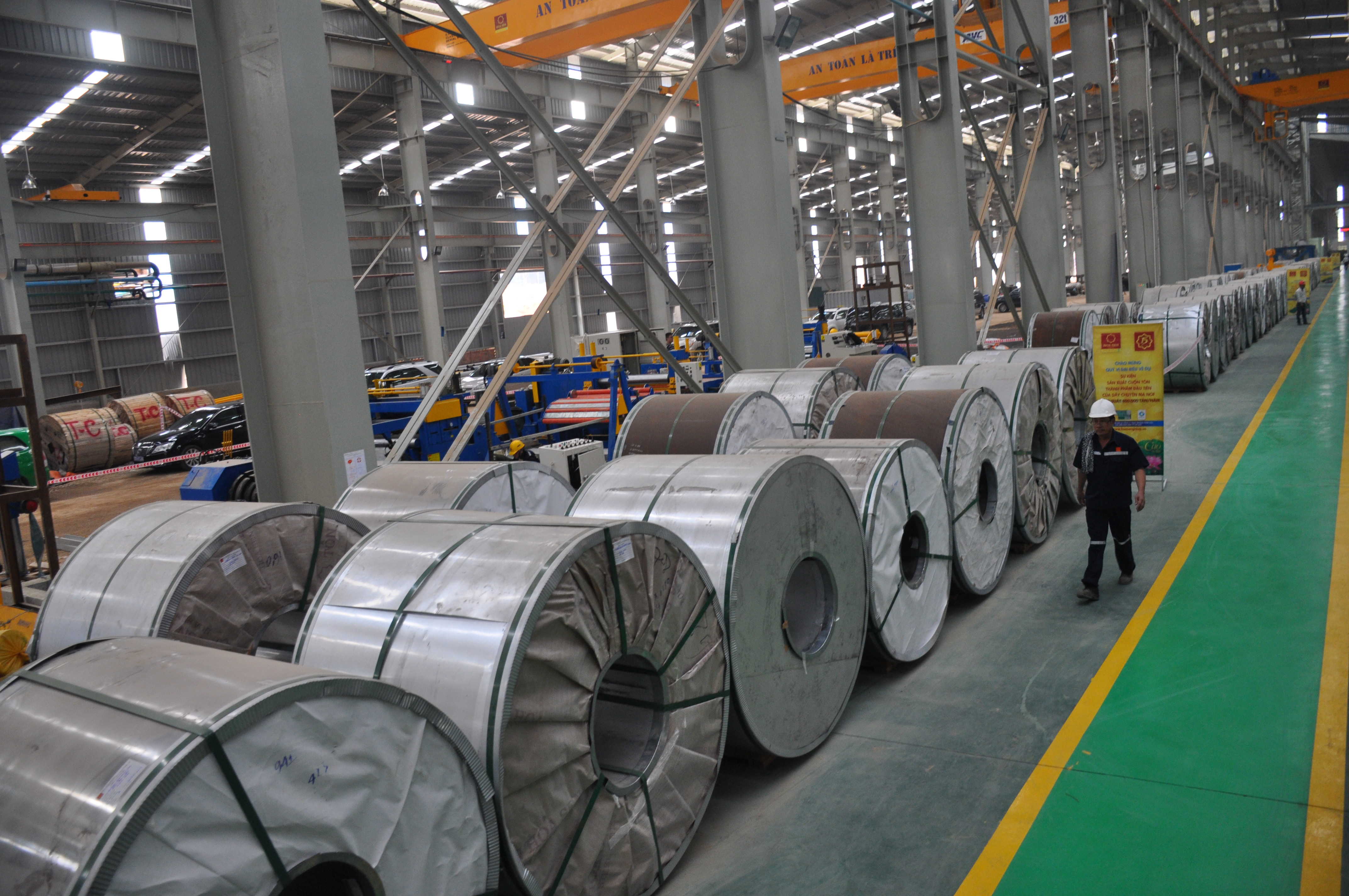 |
| Production line at Hoa Sen Factory, Dong Hoi Industrial Park, Hoang Mai Town. Photo: Thu Huyen |
Three distinct industrial growth poles have been formed in accordance with Resolution 26. These are: The Vinh City - Cua Lo town - southeastern districts of the province, linked to the South Nghe An - North Ha Tinh region and the Southeast Economic Zone, notably VSIP Nghe An and WHA industrial parks; the Hoang Mai - Quynh Luu region, linked to the South Thanh Hoa - North Nghe An region, connecting the Hoang Mai and Dong Hoi industrial parks (Nghe An) with the Nghi Son Economic Zone (Thanh Hoa), attracting large-scale, dynamic industrial projects; and the western Nghe An region, with key areas including Tan Ky - Con Cuong - Nghia Dan - Thai Hoa - Quy Hop, possessing vast land potential and mineral resources.
Infrastructure for industrial parks and clusters in each region has been planned, built, and developed. Specifically, seven industrial parks have been established: Bac Vinh, VSIP, WHA, Dong Hoi, Nam Cam, Hoang Mai 1, and Tho Loc; attracting over 250 investment projects with a total registered capital of more than US$3.5 billion. In the coming period, five new industrial parks with a total area of 1,600 hectares are planned for construction. Industrial clusters have received significant investment and development; to date, 23 clusters are operational with a total area of nearly 490 hectares, achieving an 84% occupancy rate and attracting 251 projects. The next phase will see the addition and planning of 34 new industrial clusters with a total area of 1,577 hectares.
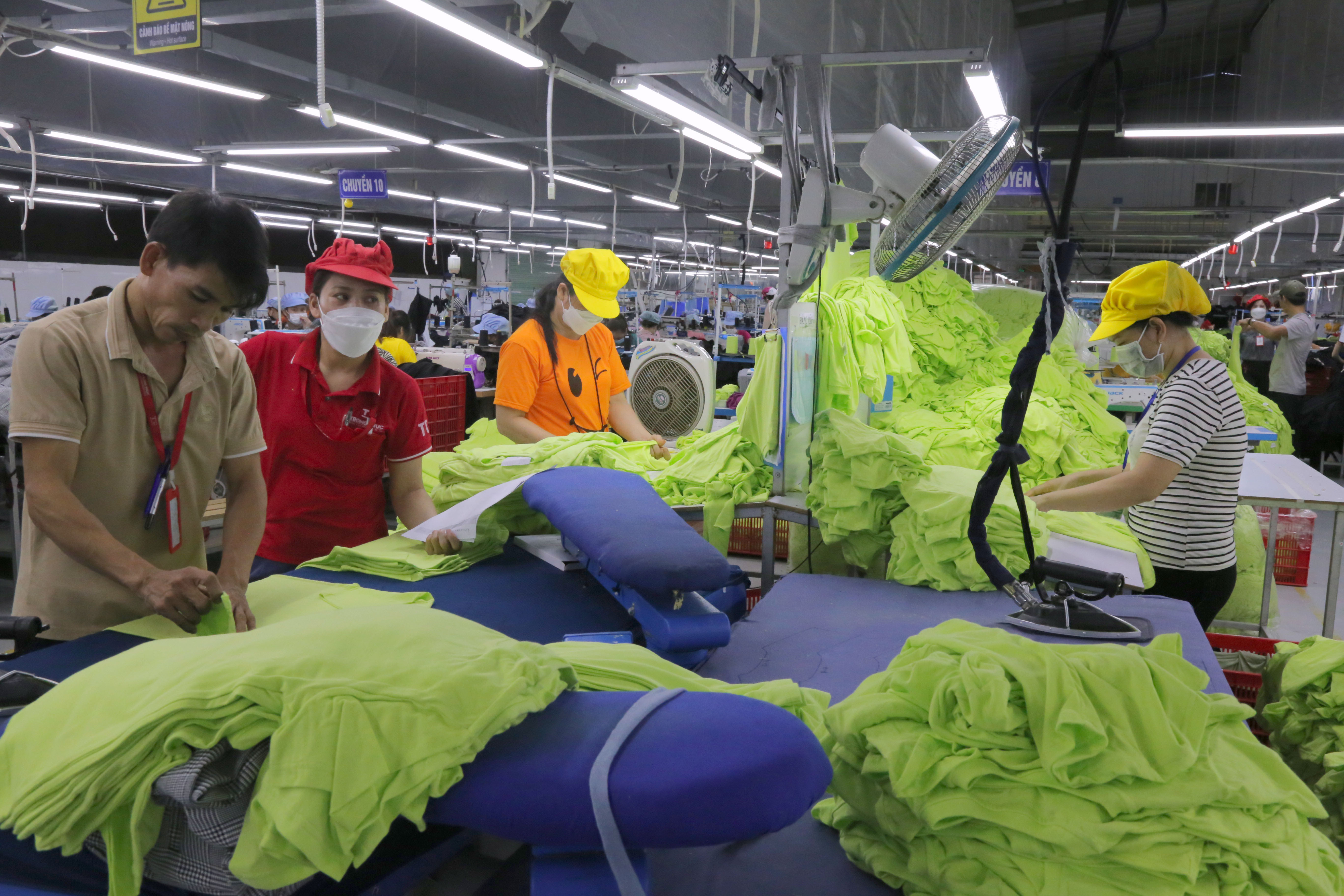 |
For many years, textiles and garments have consistently topped the province's export revenue charts. Photo: Thu Huyen |
According to assessments, key industries and driving industries are being developed in line with the province's potential and strengths. In the first quarter of 2023, despite the general difficulties in the world and domestically, Nghe An's Gross Regional Domestic Product (GRDP) growth rate reached 7.75% compared to the same period last year, ranking 14th out of 63 provinces and cities, placing it among the top 15 provinces and cities with the highest growth rates nationwide.
Regarding export activities, in recent years, exports have expanded significantly in both scale and value.
During the period 2013-2023, the province's import and export activities recorded strong growth, including: Export turnover increased from 354.1 million USD to 2,188.8 million USD (6.18 times), equivalent to an average growth rate of 22.4%/year, raising the ranking of export turnover by province from 36th position (2013) to 28th position (2022) and ranking 2nd in the North Central region (after Thanh Hoa).
The structure of export goods continues to shift positively towards an increasing proportion of processed industrial goods and a decreasing proportion of raw and semi-processed goods. Export markets are becoming increasingly rich and diverse; over 360 enterprises from Nghe An province are now involved in exporting goods. Domestic trade promptly and adequately meets the essential needs of production and social consumption, maintaining market stability.
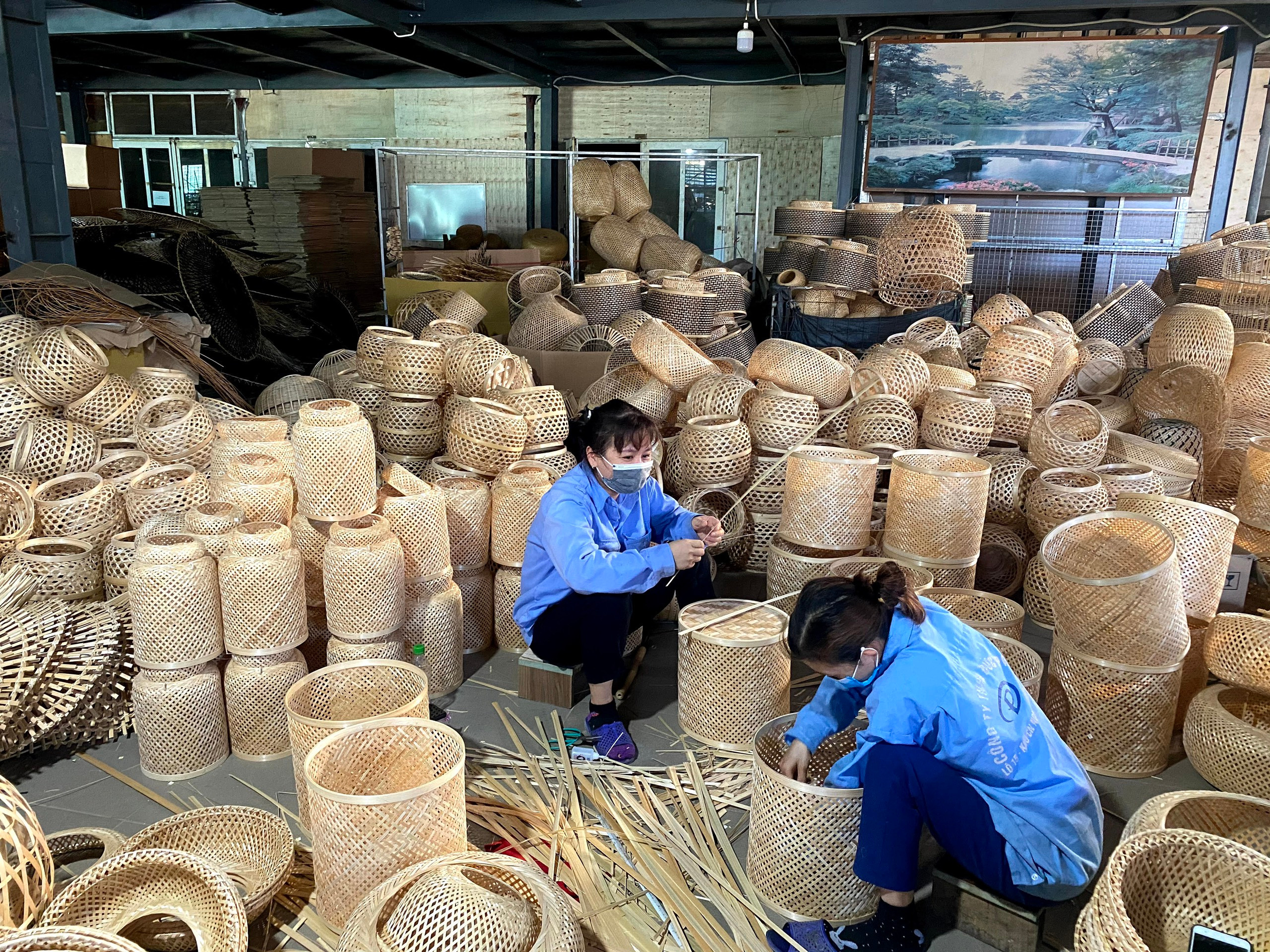 |
| Handicraft production at Duc Phong Co., Ltd. Photo: Thu Huyen |
What breakthrough solutions will generate resources for industry and trade?
In implementing Resolution 26, the Department of Industry and Trade simultaneously carries out its tasks and links them with the economic restructuring towards gradually increasing the proportion of industry and services. It promotes economic restructuring associated with innovation in growth models, improving productivity, quality, efficiency, competitiveness, and developing the digital economy.
The report summarizing 10 years of implementing Resolution 26 shows that: The industrial sector has experienced relatively high growth, its scale has expanded, and its share in the GRDP structure is increasing. The internal structure of the industrial sector has shifted positively, towards increasing the proportion of industries with high added value and large export turnover, reducing the proportion of the extractive industry, aiming for sustainable development and gradually reducing dependence on resource exploitation and raw material exports. The processing and manufacturing industry plays a leading role in the growth of the entire industrial sector, and its structure is trending upwards.
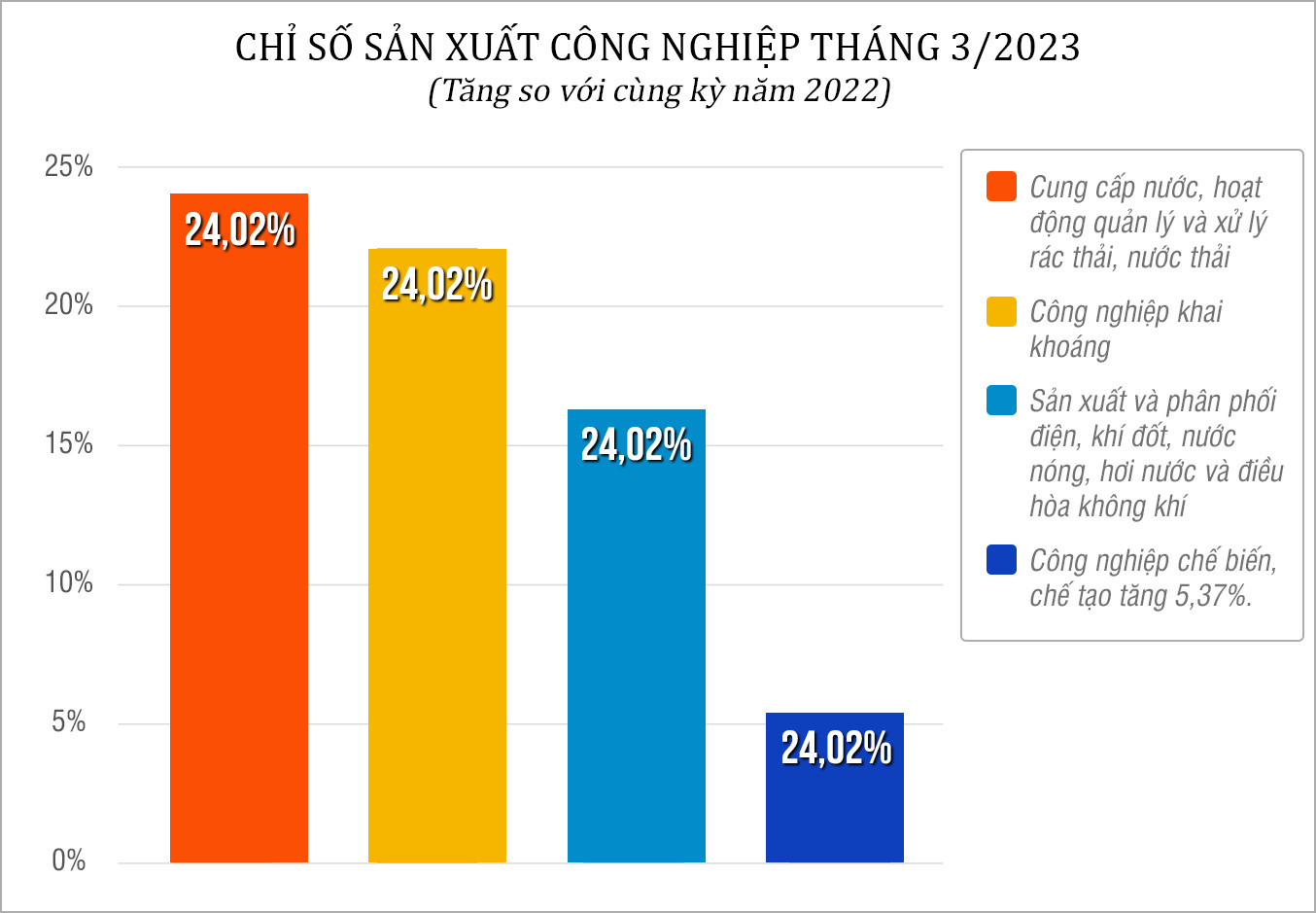 |
Graphics: Huu Quan |
However, the goal of making Nghe An a fundamentally industrialized province by 2020 has not been achieved according to the Resolution. The quality of economic growth is not sustainable, and the pace and structural shift of industry in the GRDP remain slow. Some industrial sectors have not developed as expected. The development goals for the Thanh Thuy Border Gate Economic Zone have not been realized. The province's logistics services have improved but still have many limitations, are not synchronized, and have many "bottlenecks" that reduce the competitiveness of import and export businesses. Meanwhile, the global economic context continues to be difficult, although there are signs of recovery, but it is slow and uneven across countries, and therefore consumer demand is also recovering slowly.
To promote production development and support businesses, and to develop the socio-economic development of Nghe An province, in the coming period, along with removing difficulties for projects of the Industry and Trade sector, it is necessary to develop a new Resolution to replace Resolution 26-NQ/TW with specific development orientations.
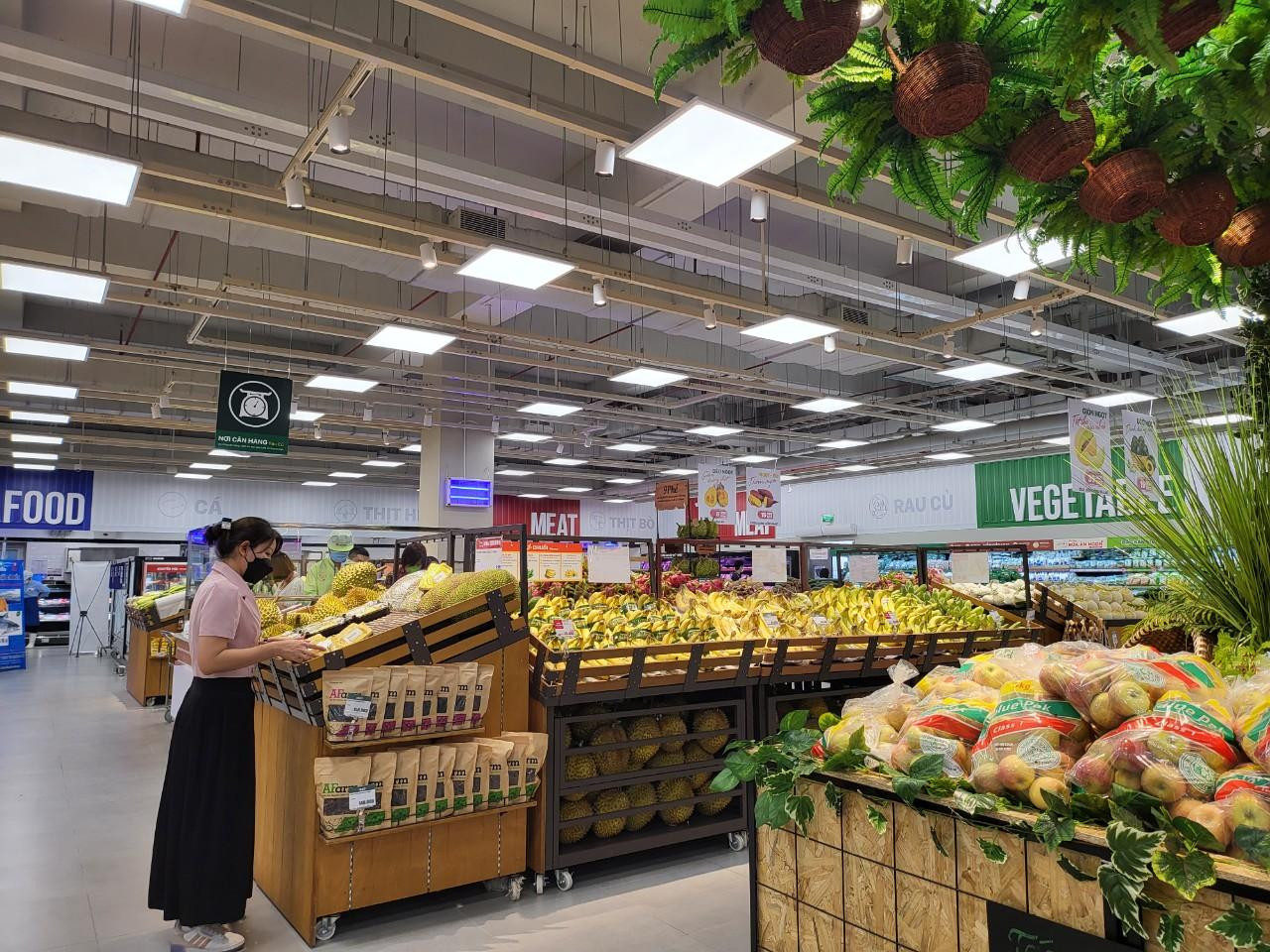 |
Nghe An province is focusing on investing in the development of modern commercial infrastructure. Photo: Thu Huyen. |
Regarding industry, priority will be given to developing key industries, new technologies, and high technologies; industries capable of deeply participating in global production networks and value chains, creating high added value, and having a ripple effect on other economic sectors; attracting investment capital, especially foreign direct investment (FDI) from large corporations worldwide. Focus will be placed on developing several foundational industries to meet the basic production material needs of the economy. Industrial space will be rationally distributed in conjunction with economic corridors, forming industrial production zones, primarily within the Southeast Economic Zone, industrial parks outside the economic zone, and industrial clusters in districts, cities, and towns.
Regarding trade, exports, and attracting investment, Vinh City should develop several international-standard commercial and shopping centers. Border trade and border gate economies should be promoted in an efficient and sustainable manner. The structure of exports should be significantly shifted towards developing key export items, increasing the proportion of processed products and high value-added products. Simultaneously, diverse and modern transportation, warehousing, and logistics services should be developed.
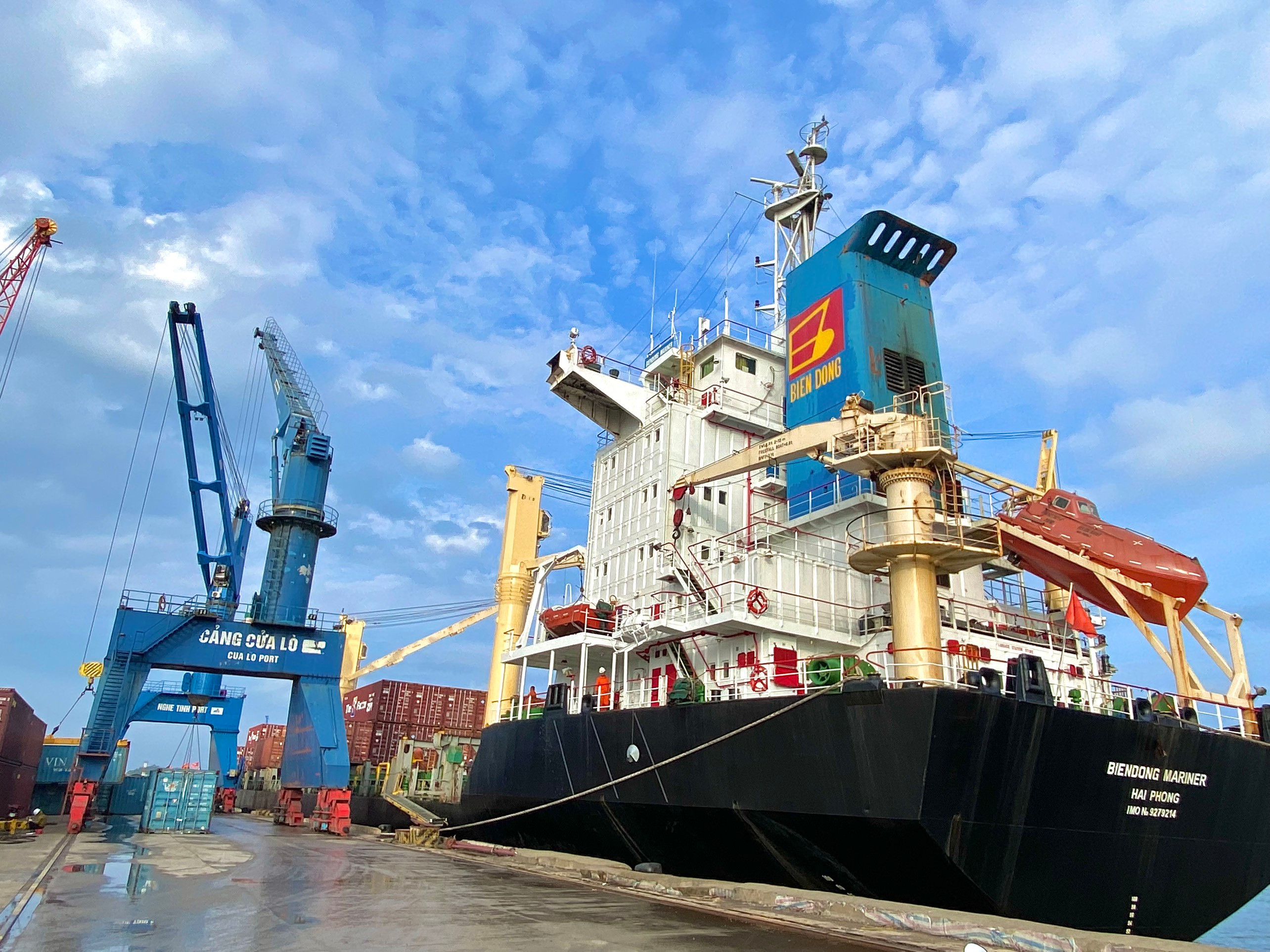 |
| Container ship docks at Cua Lo port. Photo: Thu Huyen |
Discussing solutions for industry development, Mr. Pham Van Hoa, Director of the Department of Industry and Trade, stated: To transform Nghe An into an industrial province, the following fundamental solutions are needed in the coming period: Investing in completing the connecting infrastructure system, especially transportation, logistics, and industrial park and cluster infrastructure; reforming administration and actively attracting investment in key and priority industries. This is a breakthrough solution that will connect Nghe An with national development centers and elevate it to an international level. Along with that, strengthening economic accumulation to provide resources for industrial development, with three key elements being investment capital accumulation, land, and technological capital. And finally, building and developing human resources. This is the most fundamental, important, and challenging solution. Industrial development can be achieved in 10-15 years, but cultivating industrial workers (those with industrial mindset, industrial technical skills, industrial expertise, and industrial culture) takes a much longer and more difficult time.
Human resources comprise three basic forces: entrepreneurs, skilled workers, and high-quality human resources. Besides focusing on training and vocational education, the most important thing is to create an industrial environment to develop industrial human resources. Finally, it is necessary to continue improving the investment and business environment and strongly innovate the management and operation of the state government apparatus...


