
Taro is not only delicious but also has medicinal properties.
Taro is a mild food that helps promote bowel movements and prevent constipation. In addition, taro has a special benefit: it can dissolve lumps (reduce swelling and pain), improve blood circulation, and reduce inflammation.
1. Characteristics and uses oftaro
In traditional Chinese medicine texts, taro is often referred to asbreast, head, root...The scientific name is Colocasia antiquorum Schott., (Colocasia esculenta (L.) Schott., belonging to the Araceae family.
Wild taro tubers are usually purple, and eating them is considered to deplete the body's energy and is not nutritious. Cultivated taro tubers have a sticky white starch, a sweet and slightly pungent taste, and a slippery, slimy texture. Many varieties of taro are grown in Vietnam, including:Shrimp species:This small plant, often grown in fields, has pale pink or yellow tubers that are delicious to eat.Ginger variety:This variety is high-yielding but causes itching when eaten.Spotted potato variety:This plant is tall, can be grown on land or in water, and its tubers are very itchy when eaten.
Generally, taro grown in poorly drained fields tends to cause itching. Therefore, for people prone to taro allergies, before peeling, do not wash the taro with water; instead, use food-grade gloves to clean it.
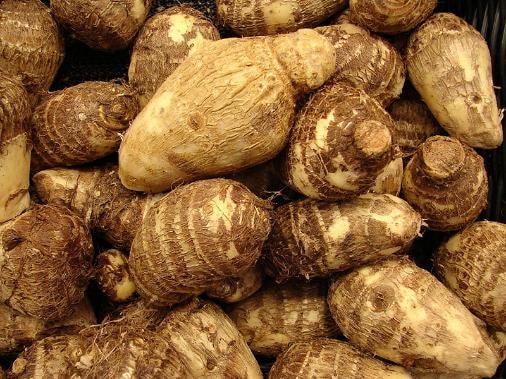
- Taro root (taro tuber):With a sweet and spicy taste, it is neutral in nature and beneficial to the spleen, stomach, and large intestine meridians; it helps to disperse lumps and nodules, dissolve tumors and lymph nodes in the neck, lubricate the intestines, and promote bowel movements; it is primarily used to treat swelling and pain caused by toxins, arthritis, tumors, lymph nodes, nephritis, burns, lymphatic disorders, etc.
- Taro leaves (Dụ Diệp):It has a pungent taste and a cooling nature; it is effective in treating diarrhea, stopping sweating, and reducing swelling and toxins; it is mainly used to treat diarrhea, spontaneous sweating (sweating while awake), night sweats (excessive sweating while sleeping), boils, and toxic swellings...
- Leaf stalks - taro stems (stems):Its properties are similar to those of the leaves, with diuretic, spleen-harmonizing (regulating digestive function), and anti-edema effects; it is primarily used to treat diarrhea, dysentery, and toxic edema...
- Taro flower (flower head):It has a bitter taste, is neutral in nature, and is toxic. It can be used to treat stomach pain, hemoptysis, uterine prolapse, hemorrhoids with ulcers, rectal prolapse, etc.
According to modern medical research, taro contains more than 17 types of amino acids essential for the body. The abundant vitamin C and B6 in taro help boost immunity and fight aging. Taro is rich in potassium, which helps control blood pressure. The high fiber content in taro meets 27% of the body's daily fiber needs, promoting bowel movements, detoxification, and reducing bad cholesterol levels. Taro also contains omega-3 and omega-6 fatty acids, which are very good for cardiovascular health and prevent disease...
2. Traditional remedies using taro
- Treating boils and carbuncles:Use equal amounts of fresh taro and vinegar. Boil them together, then mash them into a paste and apply it to the affected area.
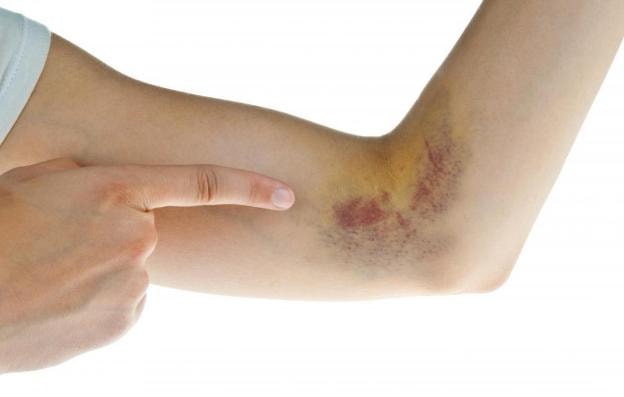
- Treatmentsoft tissue injuries,Swelling, edema, and bruising:120g taro, 3 raw onions. Mash the taro, add a little wine, mix well, and apply it to the bruised or injured area through a thin gauze.
- Treating rheumatic pain and swelling:Taro and ginger, in equal amounts. Mash them together and apply to the painful area, securing with a bandage; change the dressing 1-2 times a day.
The proportions can vary depending on the weather and individual constitution: In summer, people with a hot constitution and pain caused by heat can use 3-4 parts taro and 1 part ginger; or 2 parts taro and 1 part ginger. In winter, people with a cold constitution and pain caused by cold can use 1 part taro and 2 parts ginger, or 2 parts taro and 3 parts ginger.
- Treatment for snake bites,Bee sting:Crush fresh taro leaves and apply them to the painful area.
- Treating hives:60g of taro leaf stalks, 30g of mouse ear plant root, 30g of red dates, 30g of brown sugar. Boil and drink.
- Treating a sore throat:20g of taro root, 50g of goji berry root. Boil and drink once a day. Continue this treatment for 2-3 months for patients with tumors in the pharyngeal region.
- Treating diarrhea and dysentery:30g taro leaves, 30g carrots, 5g garlic. Boil and drink the decoction.
3. Notes on using taro
- In traditional medicine, taro uses smaller tubers which are more effective than the larger tubers.
- Medicine made from taro must be used immediately on the same day it is prepared to be effective.
- The natural medicinal properties of taro require more time to manifest, therefore patients need to be patient throughout the treatment process.


