
Health benefits of taro
Eating taro not only provides energy to the body and is good for digestion, but also helps regulate blood pressure, is good for cardiovascular health, strengthens the immune system, and fights aging.
Here are some of the health benefits of taro:
Energy source
According to Nguyen Tri Phuong Hospital (Ho Chi Minh City), taro provides more calories than potatoes, with approximately 112 calories per 100 grams. The calories in taro mainly come from complex carbohydrates.
However, taro is low in fat and higher in protein than grains and legumes. The protein content in taro is comparable to other tropical food sources such as sweet potatoes and cassava. Therefore, it could be an alternative energy source to rice.
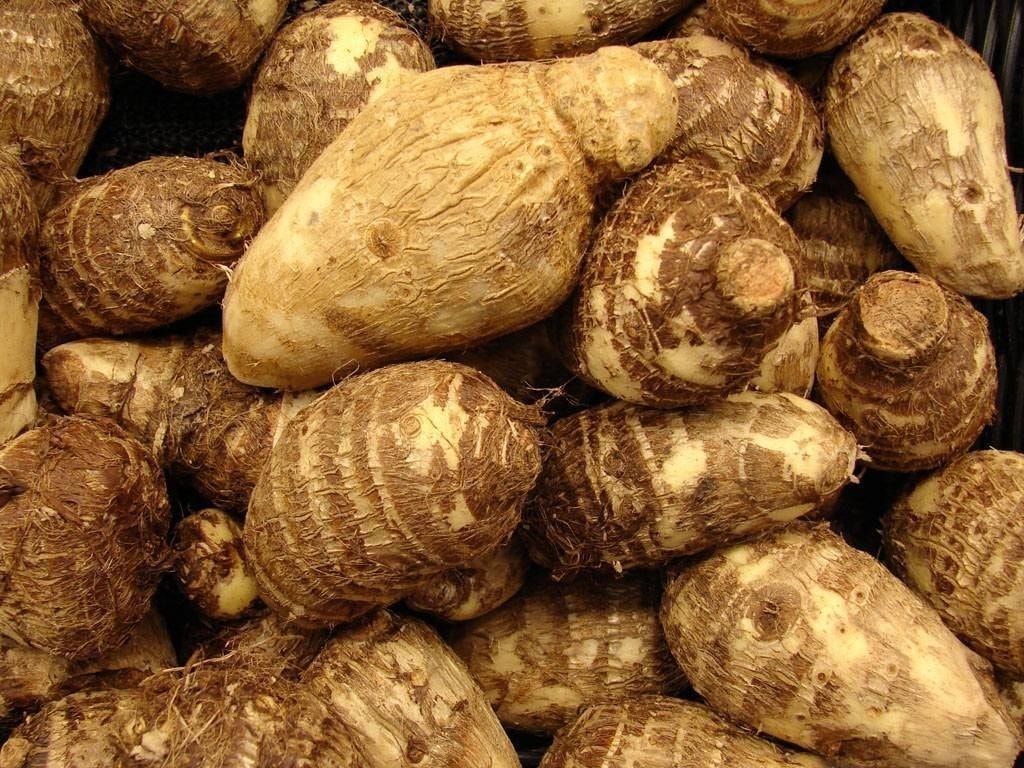
You should soak or boil taro before cooking to reduce its oxalate content. (Illustration: India)
Good for digestion
Improving digestion is a benefit of taro that you shouldn't overlook, especially for those suffering from constipation, indigestion, or bloating.
The reason is that this root vegetable contains up to 27% fiber, which is completely broken down and absorbed. The resulting stool then moves quickly down the intestines and is easily eliminated. Therefore, you can treat constipation and promote bowel regularity with taro.
Approximately 100 grams provides 4.1 grams, or 11%, of your daily fiber requirement. Along with fiber, complex carbohydrates slow down digestion.
Good for the heart
Taro provides several important minerals such as zinc, magnesium, copper, iron, and manganese. It also contains a high amount of potassium. Potassium is an important component of cells and body fluids that helps regulate heart rate.
According to Medlatec General Hospital, potassium is an important mineral for cells and fluids in the body. By breaking down excess salt, potassium can control and lower blood pressure. Therefore, it contributes to stabilizing heart rate and minimizing the risk of chronic diseases.
Furthermore, the fiber content in this root vegetable helps lower cholesterol, a factor leading to cardiovascular and coronary heart disease. Therefore, blood vessels will not harden or become clogged, ensuring the heart remains healthy.
In addition, the resistant starch in taro offers many benefits such as increasing insulin sensitivity in the body, reducing fat storage, and decreasing insulinemia response…
Strengthen the body's immune system.
Taro contains a lot of vitamin C and other antioxidants that help boost the body's immune system. By eliminating free radicals, the body will be more alert and fight off many dangerous diseases.
Overcoming fatigue
The carbohydrate content in taro is very low, making it good for athletes to overcome fatigue because eating taro provides energy without raising blood glucose levels.
Anti-aging
Taro contains vitamin E and vitamin A, two vitamins that can fight aging. Adding this root vegetable to your diet can minimize and fade wrinkles and dark spots. At the same time, damaged cells will be rejuvenated.
One thing to note is that you should boil taro before using it in soups or other dishes, or soak it overnight before cooking, in order to reduce the amount of oxalate, thereby limiting the risk of kidney stone formation.


