
The Japanese experience in reclaiming barren land.
By leasing and cultivating a piece of abandoned land, three major Japanese companies—Asahi Breweries, Sumitomo Chemical, and Itochu—received ridicule, contempt, and skepticism from the Chinese people. But just five years later, they had to change their minds and admire the intelligence and conscience of the Japanese people.
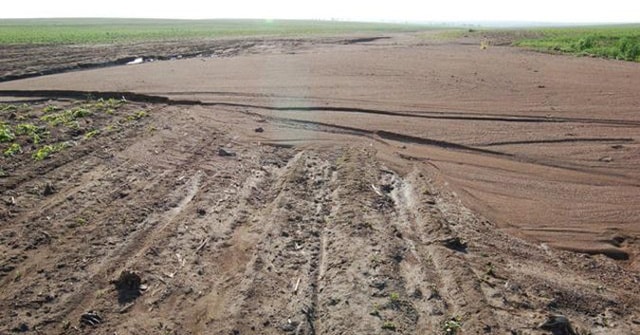
Three leading Japanese companies began leasing this 1,500-acre plot of land in 2006, with their lease agreements lasting 20 years. However, after five years, the abandoned land remains... abandoned, overgrown with weeds, and the soil has not been improved, raising suspicions among many.
 |
What did the Japanese do with the abandoned land?
For the first five years, the Japanese allowed the land to "breathe" and rest after its quality deteriorated due to prolonged exposure to pesticides, fertilizers, and other toxic chemicals. Only after five years did they begin the restoration work.
 |
 |
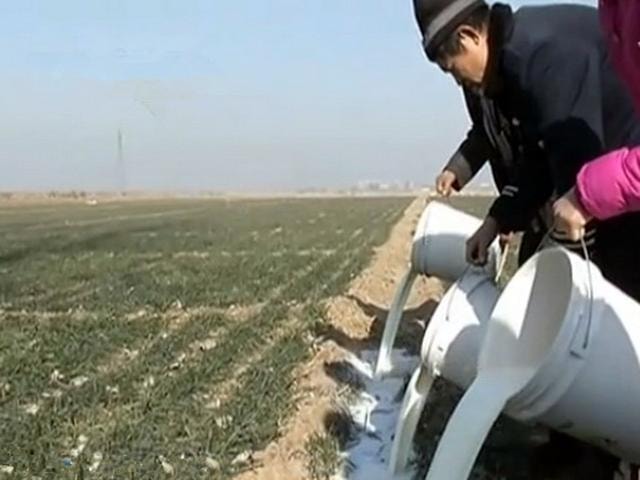
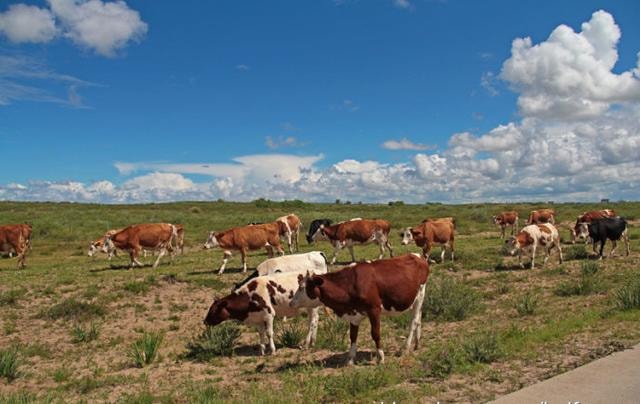
First, they raise cattle. The cow manure is used to improve soil quality. Since the soil used for growing plants is not contaminated, the Japanese have focused on improving soil quality from the very beginning. These plants are the main food source for the cows, so only when the plants are of high quality can the milk be of good quality and yield a significant amount. Milk that does not meet the standards is discarded.
 |
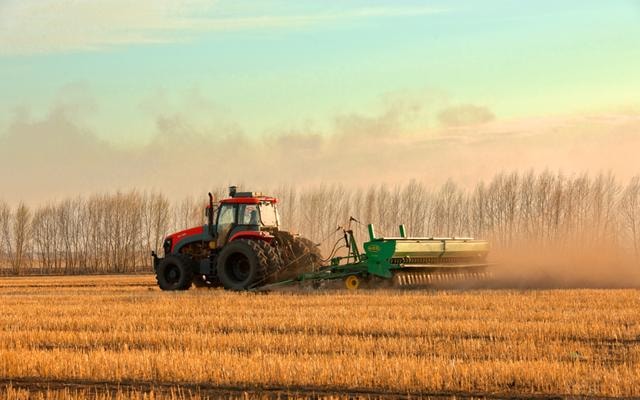
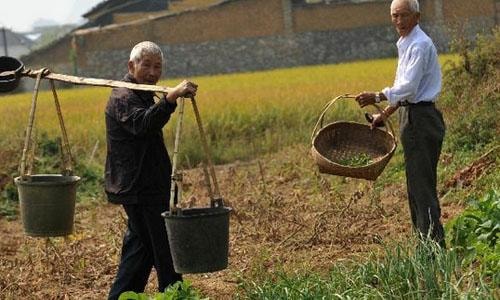
After raising cattle, the Japanese cultivate fruit trees and common root vegetables and grains. Throughout the entire process of growing crops and raising livestock, they do not use any pesticides or chemicals. Therefore, the yield of fruits and vegetables they grow is very low and the costs are extremely high.
 |
From the moment they decided to lease and cultivate the land in Lai Duong, the Japanese received many unwelcome reactions and attitudes from the Chinese people.
The Chinese believe that the Japanese work in a "stupid" and inefficient manner!
They didn't know that the Japanese had thoroughly researched this land. Compared to land in other provinces and cities, this area had greater development potential due to its high fertility, lack of severe pollution, stable water supply, and distance from major industrial and manufacturing zones. Products made on this land would be of high quality, healthy, and safe for consumers.
Unexpected results after 5 years of not using chemicals or pesticides.
When the Japanese decided to say no to pesticides and chemicals used to increase yields, the Chinese considered them foolish for their inefficient and costly approach.
 |
Main products such as cow's milk, fruits, and vegetables sourced from Laiyang all meet international standards. They produce cow's milk at a price of 22 yuan (approximately 70,000 VND) per liter, 1.5 times more expensive than domestically produced milk. Strawberries they produce sell for 120 yuan per kilogram (approximately 400,000 VND).
Currently, only 10% of these expensive agricultural products are supplied to the Shanghai and Beijing markets. Due to the high prices, supply cannot meet demand, so 90% of the goods are exported back to the Japanese market for consumption.
 |
The Japanese decision to avoid chemicals in farming and land reclamation not only protects the environment, yields good profits, and ensures food safety, but also improves the lives of the people.
 |
The Japanese way of working always surprises and impresses the world. Their philosophy of life is, "Before planting a tree, you must prepare the soil; before preparing the soil, you must educate the people." They have consistently followed this principle and continuously reaped the rewards they enjoy today.
According to Tri Thuc Tre (Young Intellectuals)
| RELATED NEWS |
|---|


