
Part 4: The Story of Perseverance and Method
Helping ethnic minorities in mountainous regions utilize the superior features of digital technology is a story of perseverance, gradually transforming their awareness and changing their behavior. Therefore, the common approach in these localities is to tackle easier tasks first, then more difficult ones, relying on the community and consistently adhering to the principle of "putting the people at the center, as the subject and the goal of development."

Thanh Phuc - Hoai Thu September 25, 2024
Helping ethnic minorities in mountainous regions utilize the superior features of digital technology is a story of perseverance, gradually transforming their awareness and changing their behavior. Therefore, the common approach in these localities is to tackle easier tasks first, then more difficult ones, relying on the community and consistently adhering to the principle of "putting the people at the center, as the subject and the goal of development."

Ngoc Lam is a mountainous commune in Thanh Chuong district, where the lives of resettled people depend on tea, cassava, and acacia trees for raw materials. Although the lives of the people have improved after nearly 20 years of relocation, many difficulties still remain. Implementing the province's digital transformation project, it was determined that to ensure people understand and implement the technology, in addition to promoting awareness and mobilization, it was necessary to "go door to door, guide each person" to install and instruct people on how to use digital technology in their lives. Accordingly, since 2023, six community digital technology teams have been established in the villages.
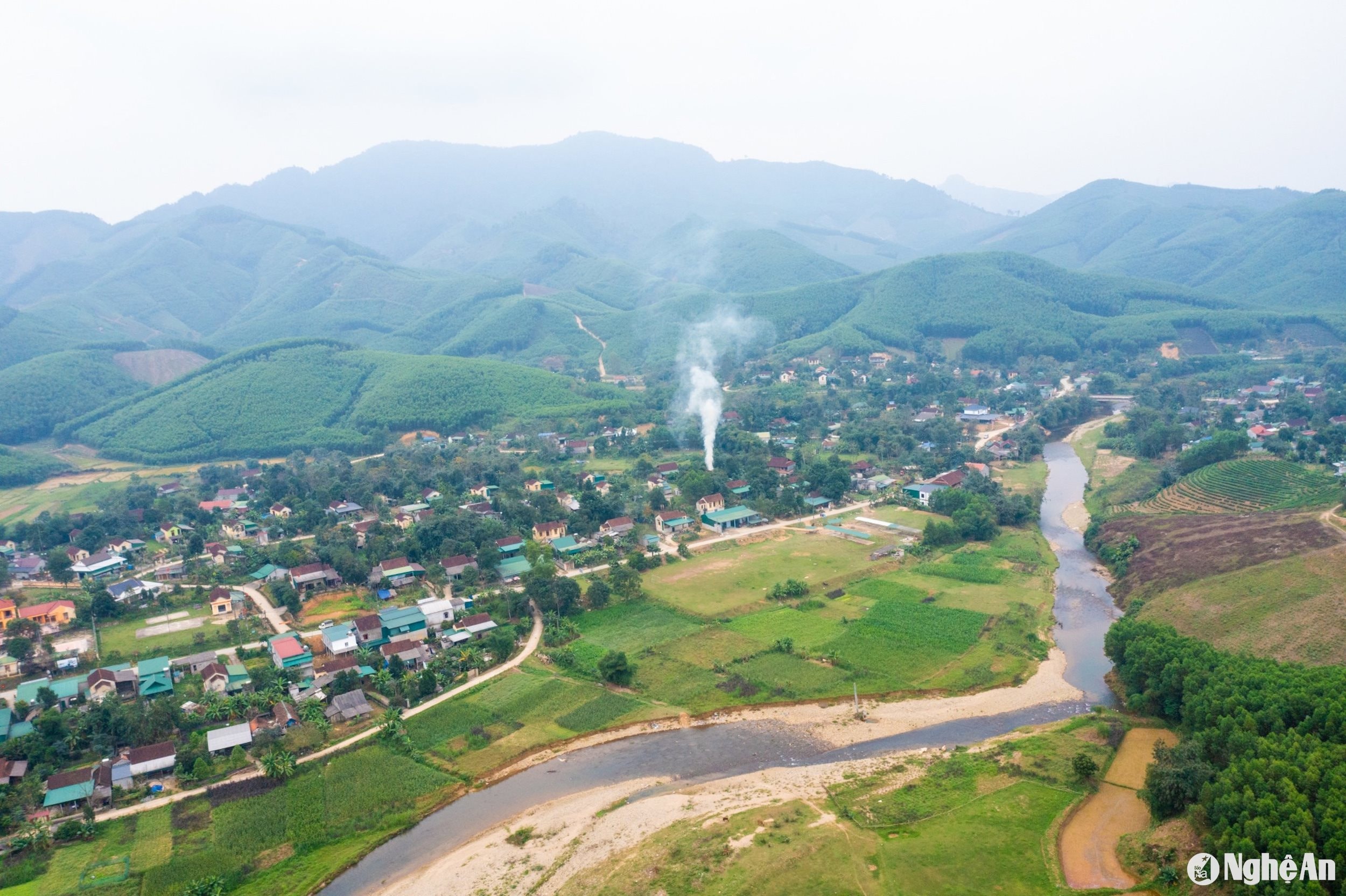
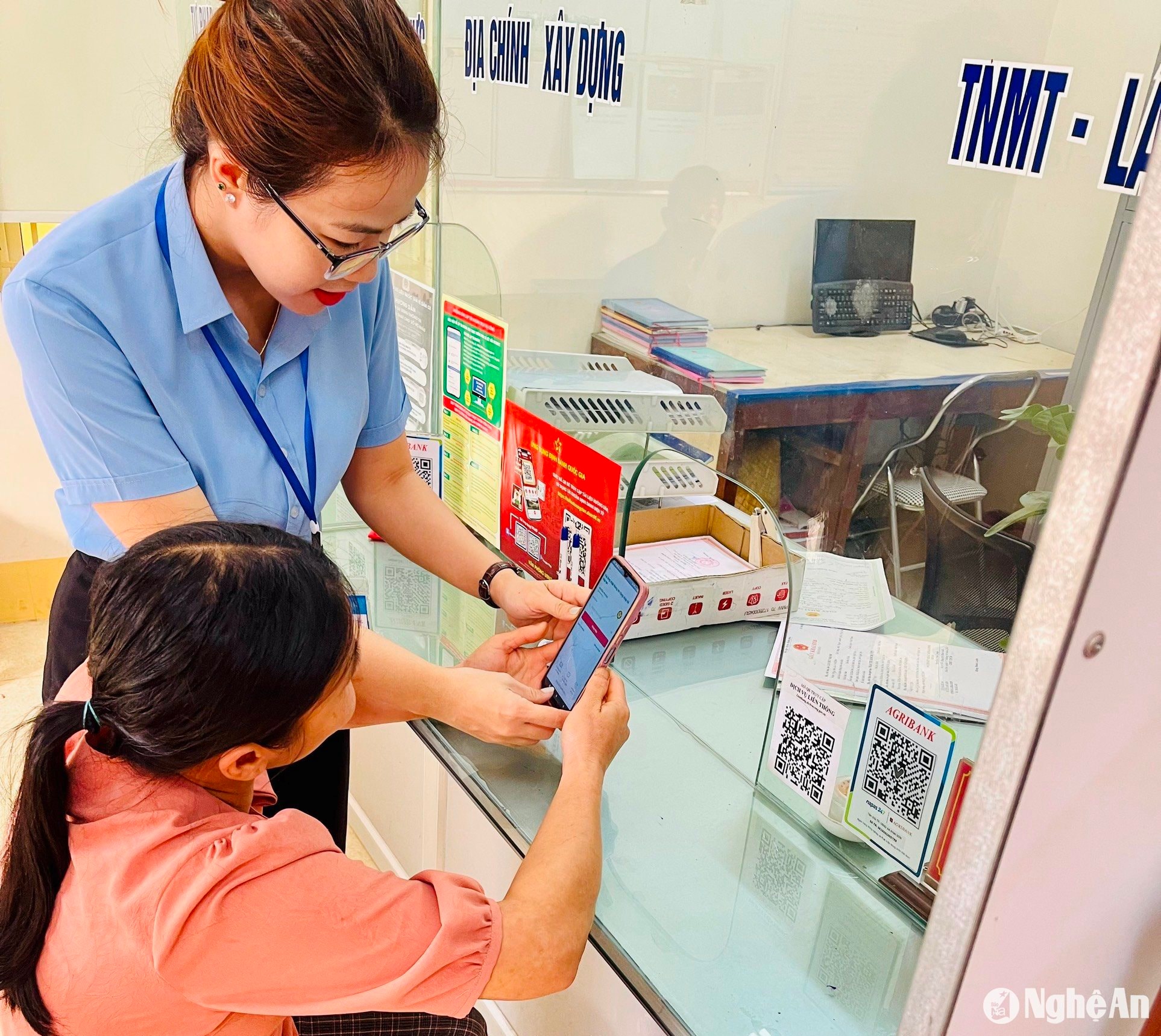
Over the past period, Mr. Lo Van Vong, head of the Community Digital Technology Team in Ma village, along with his team members, has actively propagated and guided people in using and installing some basic applications that are practical in life, such as cashless payment software, Zalo, administrative procedure lookup, public services, and the processing of administrative procedures at the reception and results delivery departments at all levels. Mr. Vong said: In addition to the commune-level Community Digital Technology Team, 6 villages in the commune have also established community digital technology teams, each consisting of 5-7 members. The community digital technology teams have to "go door to door" to guide people in installing and mastering the skills of using basic digital platforms and applications on smartphones, such as free news reading software, cashless payment, personal electronic identification, social insurance, etc.
Day after day, month after month, they worked tirelessly, regardless of the time or weather. And even now, as the digital transformation is accelerating, people like Mr. Vong continue their roles, persevering and patiently fulfilling their duties.
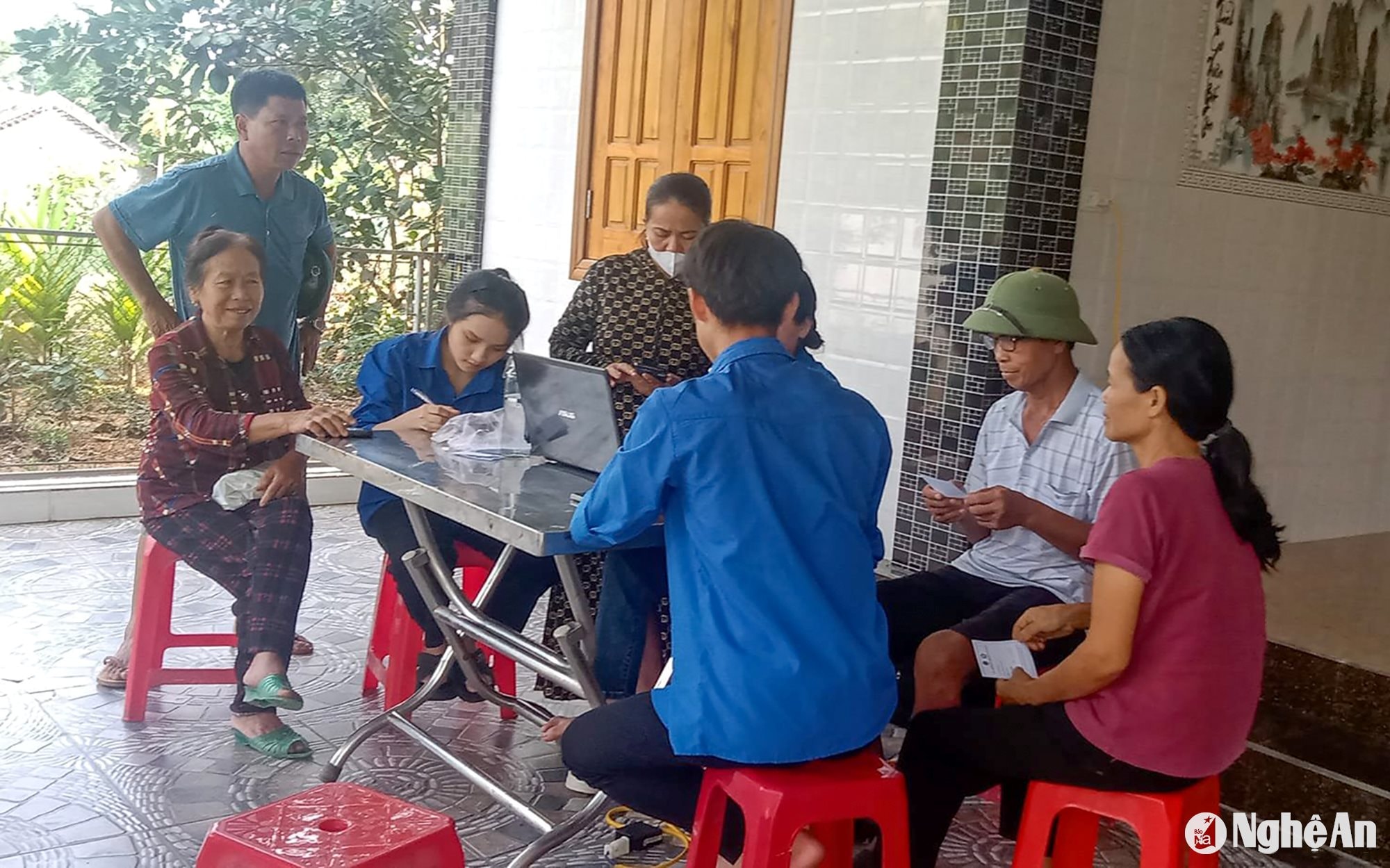
For the past two years, as the head of Sa Lay village in Muong Long commune (Ky Son district) and also the leader of the community's digital technology team, Xong Ba Lu and several other members have been traveling to people's homes on their old motorbike to guide them on how to install digital applications. The villagers' production practices are isolated, far from their homes, so they often stay in the fields for several days at a time before returning home. Many households that raise livestock only return home at night, so the majority of their outreach and guidance efforts take place at night. “The people understand the importance of applying digital technology to their lives. Nowadays, many households have children working far away, and transactions involving cash, paperwork, and selling agricultural products would be very difficult without digital technology. But for the people to use it proficiently, the officials have to work very hard; the journey is still long, and we must accompany them through each specific stage. At the same time, we ourselves must constantly update our knowledge of national digital transformation policies, directions, and information to guide and support people in participating in digital transformation.”
"But to help people become proficient in digital transformation, officials have to work very hard, and the journey is still very long; they must accompany people through each specific stage."
Mr. Xong Ba Lu, Head of Sa Lay village, Muong Long commune (Ky Son district)

Considered the "extended arm" of the Provincial Steering Committee for Digital Transformation, community digital technology teams in mountainous areas have been playing a significant role in disseminating information, guiding people to apply digital technology to various aspects of social life. This has made a crucial contribution to promoting digital transformation at the grassroots level. Mr. Vo Trong Phu, Deputy Director of the Department of Information and Communications, stated: "It can be affirmed that the activities of community digital technology teams have been strongly promoting digital transformation at the grassroots level, especially in mountainous areas. This has helped to spread digital technology to every corner of life, promoting digital transformation throughout society." In addition, in villages, members of the village-level community digital technology teams have also established community Zalo groups to exchange information, disseminate information, and guide people on digital transformation in their residential areas, ensuring that information dissemination is continuous, timely, and consistent.

Thanh Son is a remote and isolated commune in Anh Son district, a unique area with 48% of its population being ethnic Thai people. The economic conditions of the people are still difficult, and their educational levels are somewhat limited. Therefore, when selected as a pilot model for digital transformation in 2022, Thanh Son commune made great efforts to adapt. Ms. Dang Thi Tho, from the Thanh Son Commune People's Committee Office, said: “Besides implementing documents, meetings, and intensified propaganda and mobilization, the most important thing is still ‘hands-on guidance,’ choosing easier tasks to do first, gradually creating a shift in people's awareness.”
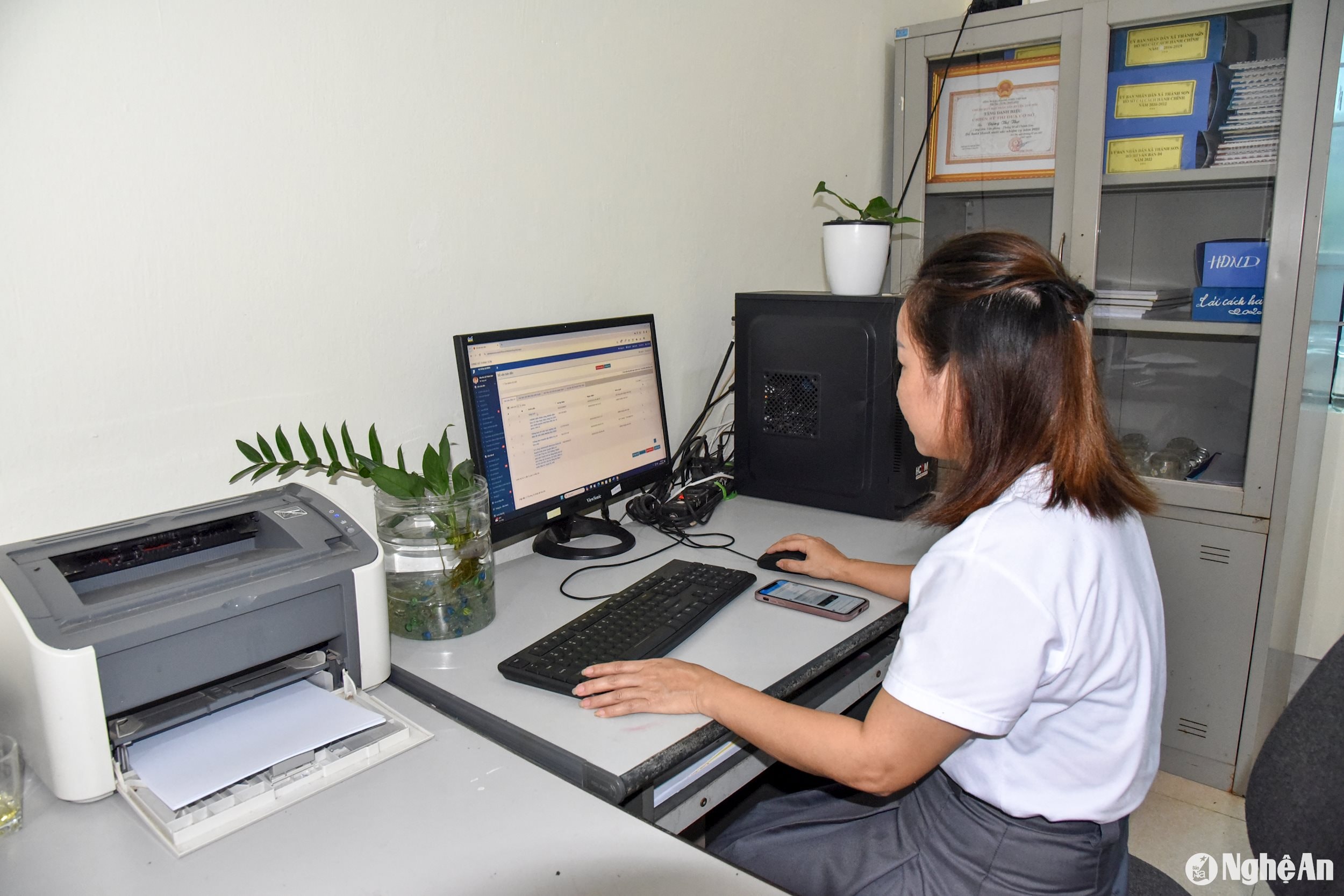
Accordingly, the easy tasks, as Ms. Tho explained, involve creating Zalo and Facebook chat groups from the commune Party committee and government to the village/hamlet leadership; groups of self-governing organizations with village/hamlet leadership; and one chat group for each mass organization… to disseminate policies and guidelines; and related work content. This reduces meetings, shortens the time for propaganda and mobilization, and bridges the gap between officials and the people. Mr. Luong Van Huan, who has 30 years of experience as an official in Bong village, said: “Due to my age, accessing information technology is quite difficult. Thanks to the support of the young people in the Youth Union, who guided me step-by-step and provided specific instructions, I gradually learned to use social media and manage the village's affairs through applications like Zalo and Facebook.”
Previously, every month, Mr. Dang Ba Duc, the village head of Hamlet 6, Hoi Son commune (Anh Son district), had to spend 2-3 days collecting funds such as environmental sanitation and street lighting fees. He would "go from street to street, knocking on every door," but he couldn't always meet the households to get their payments. Sometimes, he had to visit a house 2-3 times just for a few tens of thousands of dong in fund contributions. Mr. Dang Ba Duc said: “The whole village has 300 households, both within the village and the commune, but collecting the fees from each house was very difficult. Some households are cassava factory workers who have to work in shifts, while others run businesses in distant markets… so sometimes we're lucky to find them, otherwise we have to go 2-3 times to collect the fees. However, since implementing digital transformation, people have access to payment via bank transfer. Now, we just need to announce it through the public address system, through the Facebook groups of residential groups, the village's Zalo group… then pin the amount to be collected and the account number for fund collection, and people transfer the money themselves. The fund is collected within just one day. It's so convenient and much less strenuous.”

According to Mr. Dang Ba Duc, currently, about 60% of households have bank accounts, use cards, and use electronic payments; 100% of businesses have QR codes and accept cashless payments. "The advantage of the neighborhood is that most households are workers and civil servants, so the level of education is high, and they quickly adapt to technology. Therefore, they all receive their salaries via cards and have bank accounts, resulting in a high rate of cashless transactions."
For example, in Khai Son commune, the easiest step in the digital transformation process, as identified by the commune government, is installing VneID for its residents. Therefore, a campaign to install electronic identity verification was launched with great fanfare. To date, 100% of citizens of adult age have completed level 1 electronic identity verification, and many have completed level 2. Ms. Phan Thi Thuy Dung, a Justice official in Khai Son commune, stated: “For this task, the commune established community digital transformation teams with the participation of core forces including commune officials, commune police, youth union members, and other organizations. For young people with good access to information technology, we guide them to do it themselves; for the elderly, who have limited access to information technology, team members do it for them.”
Previously, the people of Khe Nhinh village (Huu Kiem commune, Ky Son district) grew vegetables on rocky mountainsides, a difficult but delicious specialty product. However, they could only sell them retail along National Highway 7, and sometimes, when the vegetables were ready for harvest, they had to be uprooted and discarded because there were no buyers. Since the rise of social media, to support the people in selling their agricultural products, the commune's agricultural officials and farmers' association have gone to the fields and farms with the villagers to livestream sales and guide them on how to grow their produce. In the very first livestream session, people in the commune and Muong Xen town placed orders, allowing them to sell their vegetables and earn extra money from delivery fees, which greatly pleased the farmers. Thanks to this, and the widespread sharing, Khe Nhinh's specialty vegetables have become more widely known, easier to sell, and fetch higher prices.
“The digital economy is a rather distant, difficult-to-understand, difficult-to-accept, and difficult-to-implement concept for people in mountainous areas. Therefore, to avoid wasting time explaining, promoting, and mobilizing, we must practice it immediately. For example, livestreaming the sale of vegetables was something people had never done before, even though everyone had Facebook, and cultural events, weddings, and engagement ceremonies in the village were often livestreamed. When we ‘showed them the example,’ and they saw the practical benefits of selling vegetables and earning money, they followed suit. Now, many households are proficient in livestreaming the sale of products on digital platforms,” said Vy Duyen, an official from Huu Kiem commune.
For people in mountainous areas, the digital economy is truly a rather distant, difficult-to-understand, difficult-to-accept, and difficult-to-implement concept. Therefore, to avoid wasting time explaining, promoting, and persuading them, we need to "set an example" for them. When they see the practical benefits, they will follow suit.
Ms. Vy Duyen, a staff member of Huu Kiem commune (Ky Son district).
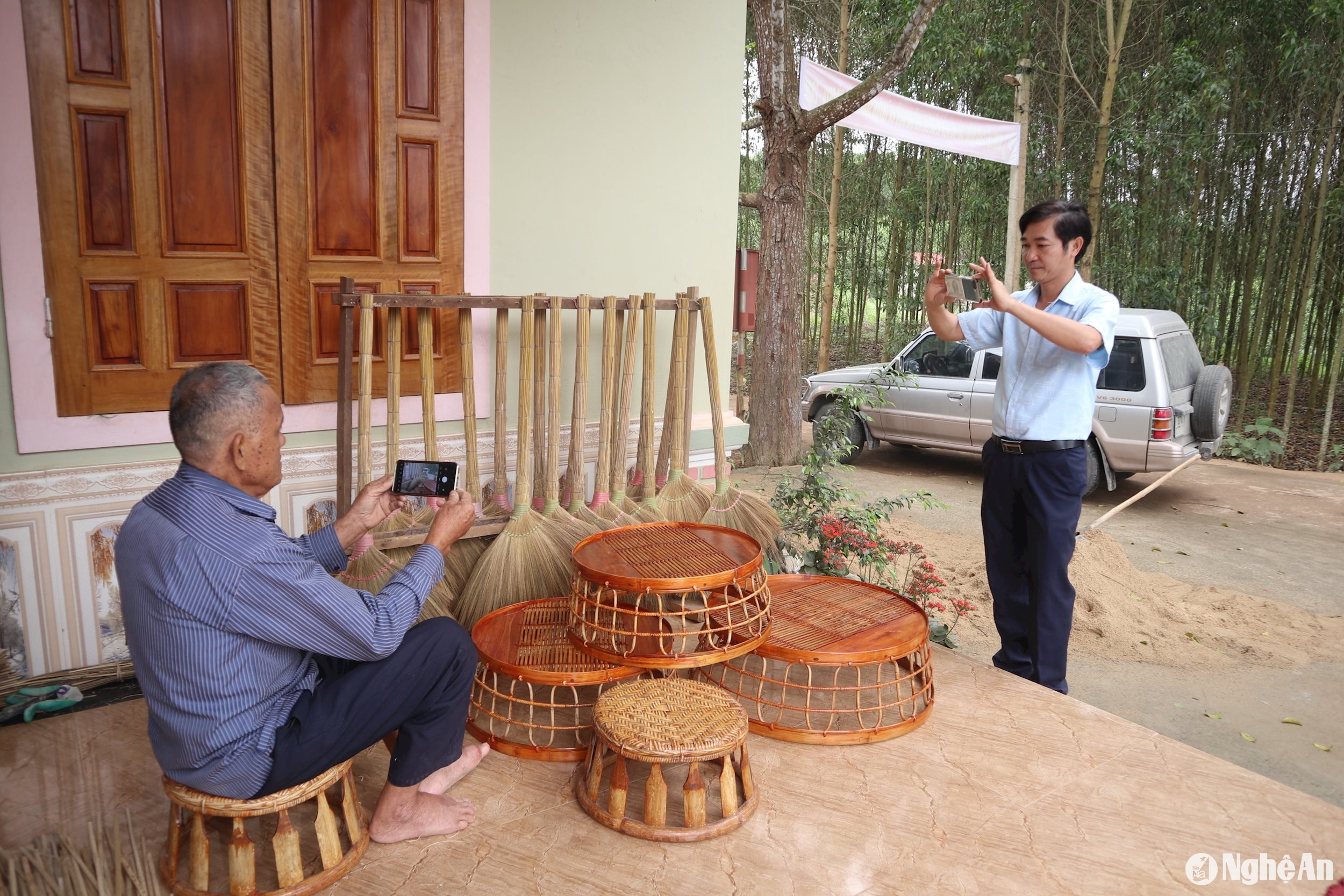
Digital transformation is an inevitable trend. In this process, the people must always be considered the central focus. Due to their unique characteristics, mountainous districts face numerous difficulties in implementing digital transformation, from technological infrastructure and human resources to mechanisms. Recognizing the people as the central focus of digital transformation, 11 mountainous districts are proactively implementing digital transformation initiatives in the following steps: Firstly, they are concentrating on strengthening communication and raising awareness among Party committees and authorities about the purpose, significance, and inevitable trend of digital transformation, so that the entire political and social system is involved; secondly, they are signing cooperation programs with VNPT Nghe An and beginning specific tasks, starting with building and developing a digital government; and thirdly, they are gradually building a digital society with new habits and culture…
In particular, priority is given to developing a digital-based economy. This includes applying technology to promote the image in many fields such as community tourism, handicrafts, medicinal herbs, and even agriculture. Information technology, while not directly involved in production, plays a crucial role in business by connecting production facilities and consumers. Information technology has created social networks, thereby laying the foundation for the development of commercial networks and forming supply chains, helping people access markets more simply and efficiently. Many individuals and groups have effectively applied information technology to economic development. In other words, digital technology and information technology have become important resources for the economic development of ethnic minority areas in mountainous regions.
.jpg)


