
Final part: Overcoming the 'bottlenecks'
Mountainous regions still face many difficulties in building a digital society and digital economy related to infrastructure and human resources. Therefore, to help highland localities access and utilize digital technology, in addition to effectively applying the policies and mechanisms of the Party and State, a synchronized effort is needed to create momentum, gradually remove "bottlenecks," and encourage and support the transformation of digital transformation into one of the development resources of mountainous regions.

Thanh Phuc - Hoai Thu • September 25, 2024
Mountainous regions still face many difficulties in building a digital society and digital economy related to infrastructure and human resources. Therefore, to help highland localities access and utilize digital technology, in addition to effectively applying the policies and mechanisms of the Party and State, a synchronized effort is needed to create momentum, gradually remove "bottlenecks," and encourage and support the transformation of digital transformation into one of the development resources of mountainous regions.

As July arrived in Ky Son border district, before we mounted our "workhorse" for highland assignments, traveling from Muong Xen town to Na Ngoi commune to carry out our pre-arranged tasks, officials from the Ky Son District People's Committee warned us: "During this time of year, mornings are often shrouded in thick fog, and it often rains from mid-afternoon to late night. But the most frightening thing is sudden thunderstorms, flash floods, and landslides, so please be extremely careful." Having lost count of how many times we've worked in the western provinces of Nghe An, we've become quite familiar with the difficulties and hardships faced by the local people. Besides the harshness of nature, weather, and terrain, limitations in information technology also pose a significant obstacle to development in all aspects.
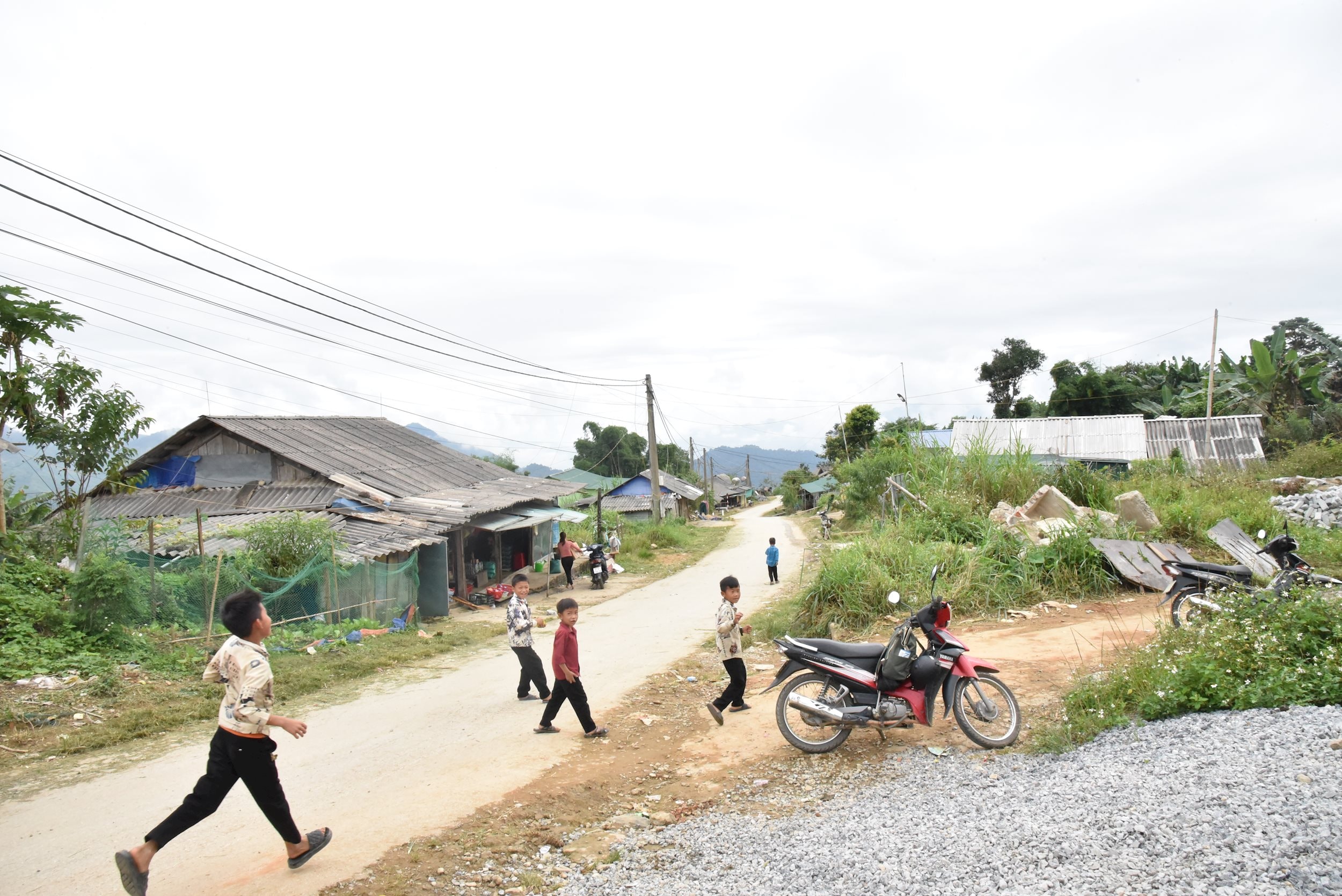
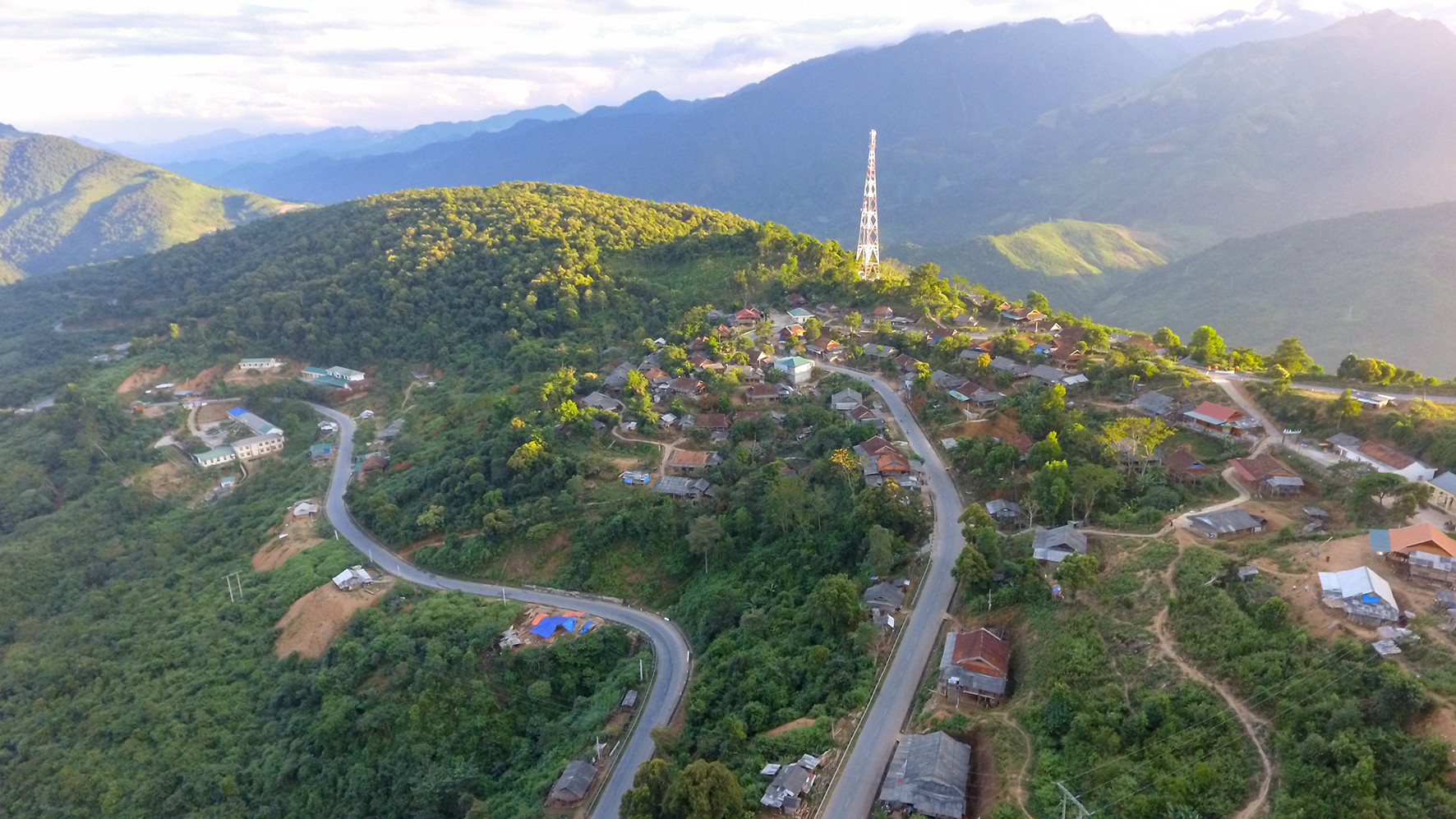
For example, during a trip to Na Ngoi commune in early July 2024, a location more than 50km from Muong Xen town, we needed to meet with officials from Phu Quac 2 village and several other remote villages in the commune. After numerous phone calls, Mr. Gia Ba Gio, Deputy Secretary of the Commune Party Committee, said: “Currently, Phu Quac 2 village has no phone signal. To meet with village officials, we have to ask someone to contact them directly. And usually, we have to go to their houses in the evening to meet them, because during the day, most officials and villagers are out working in the fields. Whenever the Commune People's Committee needs to send official documents or invitations to Phu Quac 2, we have to send someone to deliver them in person. For urgent matters requiring immediate contact, we are… powerless to do so.”
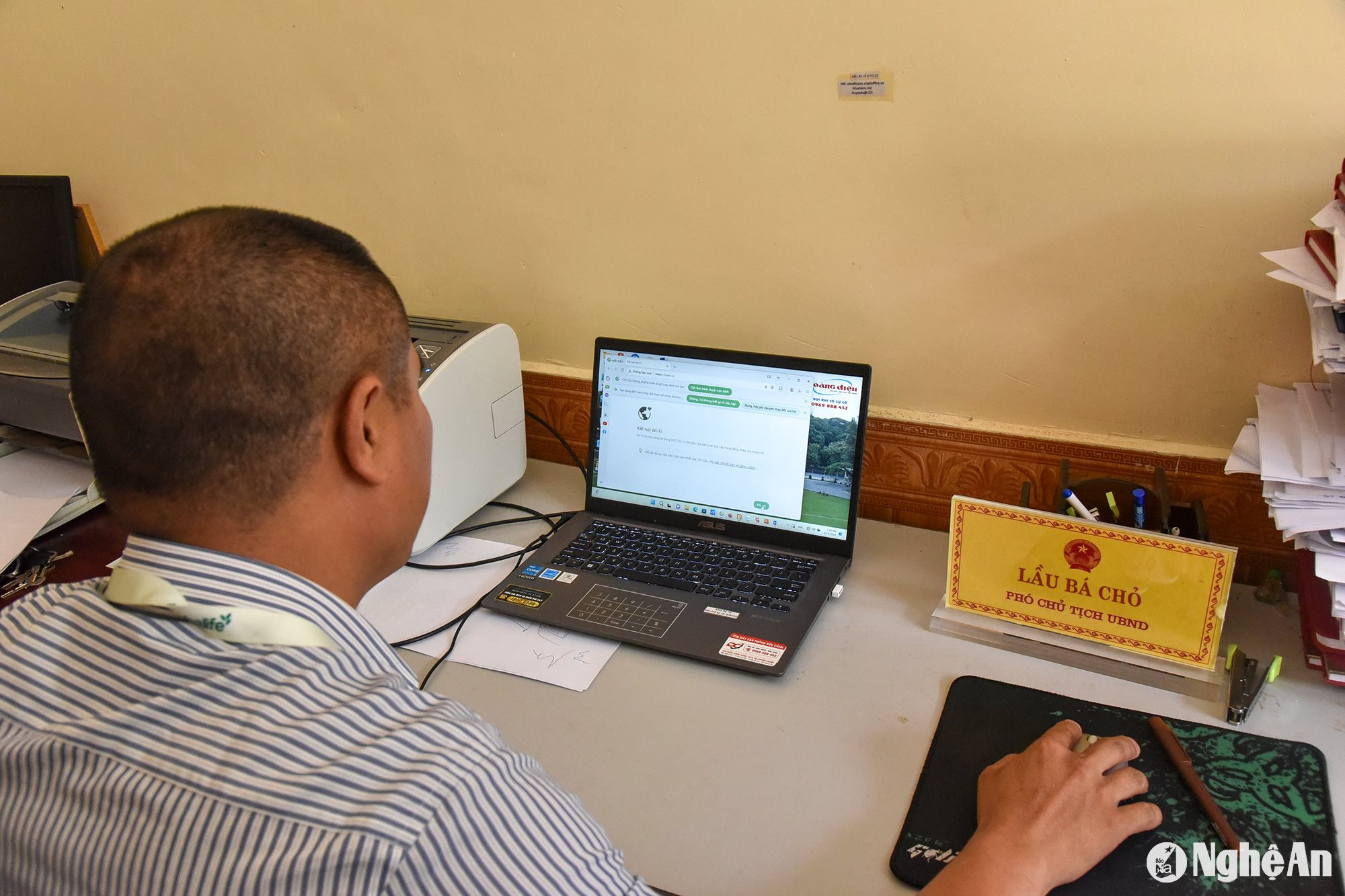
Upon arriving at the commune's People's Committee office, we discussed matters with the relevant officials before going on our field trip to the village. We needed to review the data in the commune's reports, and we sat with several villagers who were also waiting to complete their personal paperwork. After struggling for quite a while in front of the computer screen due to slow startup times, with the screen briefly turning on and then off, Mr. Lau Ba Cho, Vice Chairman of the Na Ngoi Commune People's Committee, sighed: "The power's out again. Please be patient. This rainy season, the power is unreliable; we have power outages several times a day. The computers we're using are old, almost ten years old, so they run very slowly. Nowadays, most documents and paperwork are done through the IOffice system, so we can't get things done quickly even if we wanted to."
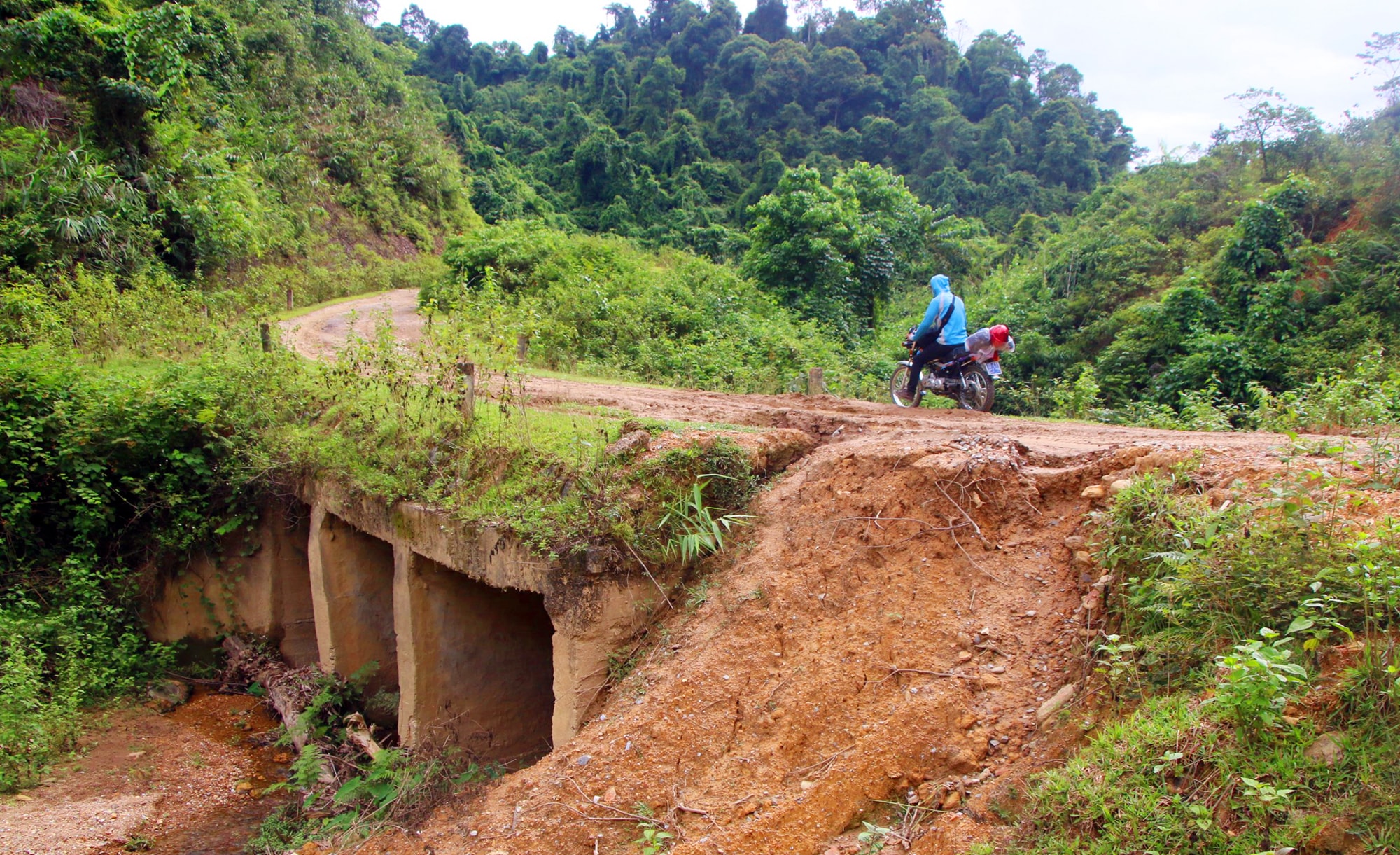
Difficult transportation, harsh weather and natural disasters, and the fact that many villages still lack electricity and mobile phone coverage are "bottlenecks" that are hindering digital transformation in mountainous areas.
Regarding these shortcomings, Mr. Vo Trong Phu, Deputy Director of the Department of Information and Communications, stated: In building a digital government, by June 2024, most communes in Nghe An province had mobile phone coverage to their centers (digital infrastructure). However, the entire province still has more than 60 villages and hamlets without access to the national power grid, and therefore these villages and hamlets lack telephone and internet coverage. Furthermore, in many places, although electricity and internet access are available, the transmission quality is still unreliable, with frequent disconnections due to geographical distance or transmission line failures.
However, infrastructure and technological bottlenecks are not the biggest obstacles to the speed and quality of digital transformation and the application of information technology in mountainous regions. The biggest "barrier" is the mindset and awareness of people, including officials and citizens alike. We visited...Co Phat villageCo Phat village, a small village of the Dan Lai ethnic group, is located in the core area of Pu Mat National Park, Con Cuong district. The road from the center of Mon Son commune to Co Phat village is over 20km long, mostly slippery dirt and rocky roads, and crosses 6 bridges, including 1 suspension bridge and 5 temporary bamboo bridges over streams.
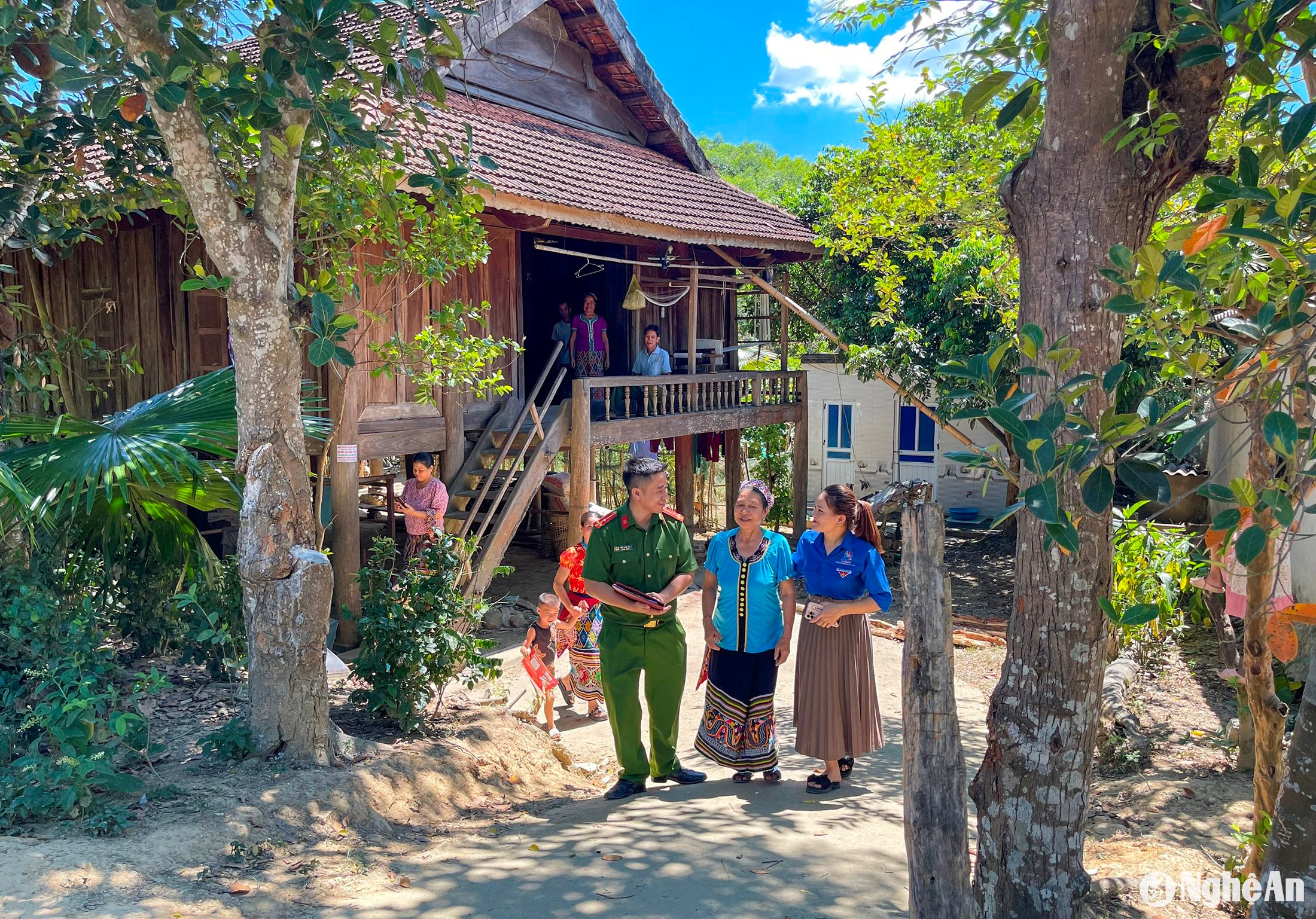
Mr. La Van Linh, Secretary of the Co Phat Party Branch, said that the village has electricity, telephone signals, and internet access, but these are not always available. Many areas are out of reach, making communication impossible. To access information or register for paperwork online, besides having a smartphone, one must also find a location with a strong signal. Mr. La Van Linh added that most young people in the village work far away, and few elderly people use smartphones, so online registration or updating of paperwork is very limited. If there are any procedures that need to be done, people have to travel to the commune center and ask commune officials for guidance and assistance.
To access information or register for paperwork online, besides having a smartphone, you also need to find a location with a strong signal.
Mr. La Van Linh - Secretary of the Co Phat Party Branch, Mon Son (Con Cuong)
Sharing about these limitations, an official from the People's Committee office at the commune level in Anh Son district acknowledged that officials still perform online administrative tasks on behalf of citizens: "Most young people quickly grasp and can perform online administrative procedures when we introduce applications and procedures. They recognize the advantages of digitalization in documents and procedures. In contrast, older citizens have limitations in their ability to learn and perform online tasks."
Furthermore, many people don't use smartphones, making it virtually impossible to encourage them to adopt digital technology. While people understand the government's guidelines on online administrative procedures, they often struggle and waste time when using the computers. They sometimes make mistakes and have to correct them multiple times. During peak times when many people need to process documents, instead of guiding them correctly, officials sometimes do it for them.
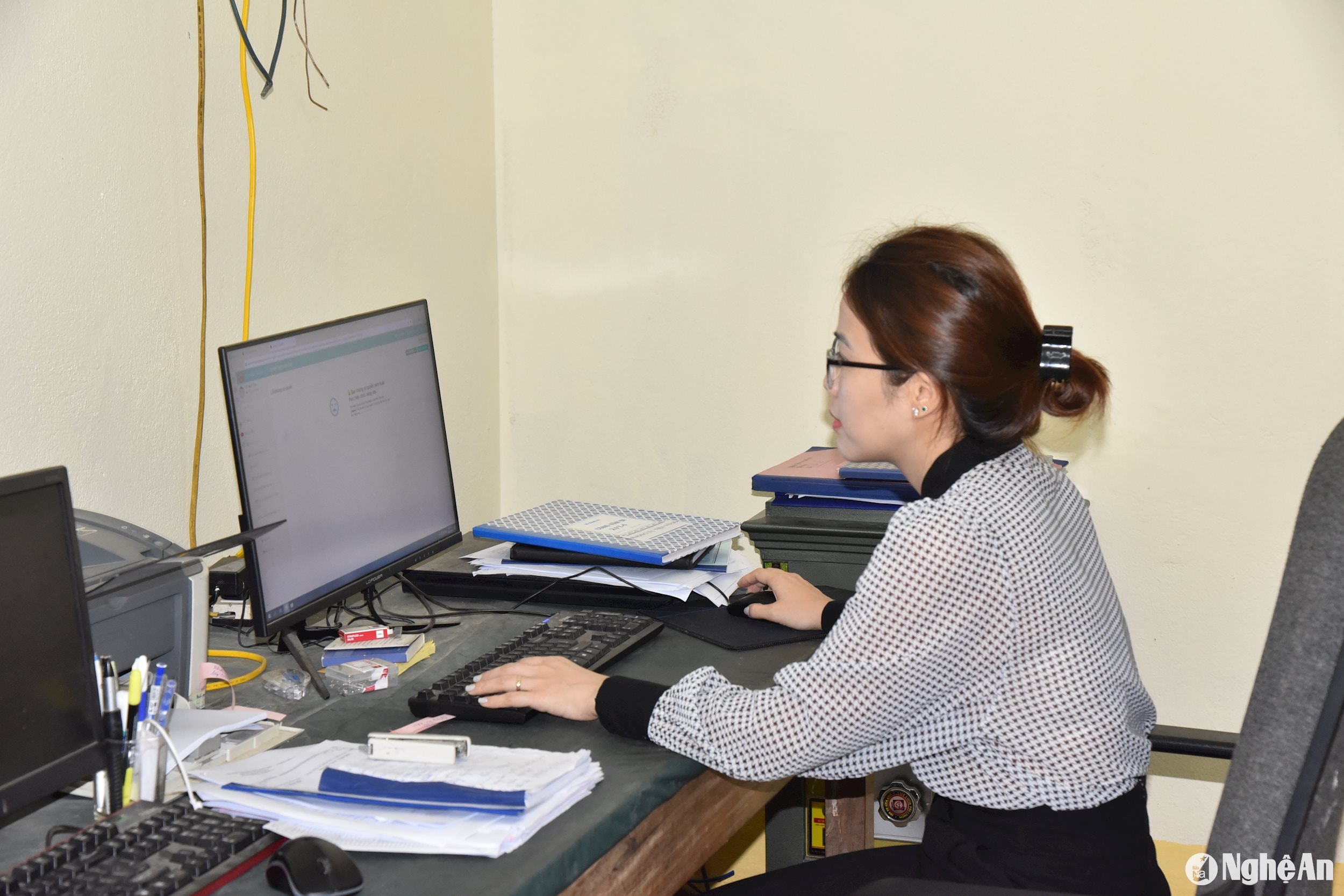
Furthermore, according to officials from the People's Committee offices at the commune level in many localities, the infrastructure and databases of the digital government service system are still being upgraded and modified, thus still having limitations. For example, the civil registration software system still does not ensure data synchronization between the provincial administrative procedure resolution information system and the civil registration and management information system; in some cases, it does not synchronize with the specialized civil registration software. Currently, people have provided various documents to update their level 2 electronic identification accounts; however, the synchronization of documents for people to use as replacements for original documents in administrative and civil transactions is still slow. The process of digital transformation and online submission of administrative procedures is still incomplete. Some administrative procedures have been submitted online, but citizens still have to submit paper documents for verification and archiving, so they haven't fully realized the benefits of the online method.
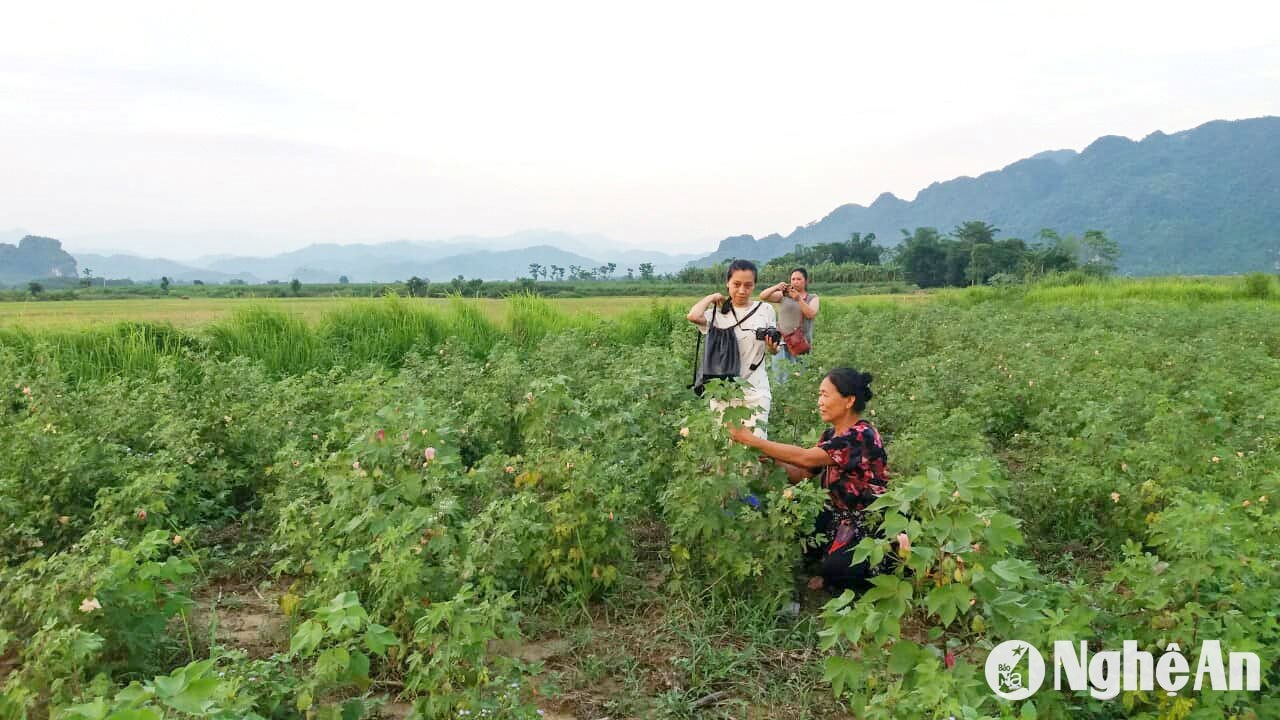
Further elaborating on the "bottlenecks" in digital transformation in mountainous localities, Mr. Vo Trong Phu emphasized that currently, departments, agencies, and all levels of government in Nghe An are accelerating the implementation in pilot communes in three communes of Anh Son, Quy Hop, and Nghi Loc districts based on three pillars: digital government, digital economy, and digital society. Initially, although the objectives set out in the pilot implementation have been achieved, there are still limitations and shortcomings in the process, such as: The development of e-commerce and the listing of agricultural products on e-commerce platforms have not yielded clear results. While smart education and healthcare services in the communes have shown initial results, the benefits to the people from these services are not yet high.

Mountainous regions with large ethnic minority populations face many difficulties in accessing information technology. Therefore, to enhance the capacity to apply digital transformation and digital technology to the economic development of these areas, many difficulties and challenges must be overcome. Ms. Phan Thi Thuy Dung, a civil servant in charge of justice and civil registration at the People's Committee of Khai Son commune (Anh Son district), said that to date, many people still maintain the habit of submitting administrative procedures using traditional methods. Therefore, for people to see the benefits and adopt online application methods, it requires time and effective methods of raising awareness to truly change their perceptions.

Besides the need for decisive leadership from leaders and officials at all levels, mountainous regions with their unique terrain, population, and ethnic minority communities still face many difficulties in accessing information technology. Most people in mountainous areas, especially middle-aged and older people, have very limited access to information technology. It is mainly younger people who are more quick to adopt it. However, older people are the ones who hold the traditional development resources of their communities, while younger people face limitations in this area.
In the process of development, to utilize information technology, older people must improve their skills. If they lack access, they must rely on their children and grandchildren for assistance. Therefore, to apply information technology to economic development, training programs are needed to help older people improve their ability to access information technology and enhance intergenerational cooperation to improve efficiency. When the human factor is supported and developed appropriately, investment in information technology infrastructure will be effective, contributing to the successful digital transformation and making digital technology a crucial factor in socio-economic development.
In Plan 1004/KH-UBND on digital transformation in Nghe An province in 2024, the Provincial People's Committee directed departments, agencies, and localities to implement the contents according to specific milestones. These include economic targets of approximately 10% of GRDP, 80% of people aged 15 and above having transaction accounts at banks or other authorized organizations, and a digital society target of over 45% of smartphone and smart device users accessing and using e-government and smart city services, and 50% of adults using electronic payment services.
Regarding overcoming difficulties and limitations, Plan 1004 also clearly states: it is necessary to research and submit to competent authorities for promulgation policies on minimum spending ratios and guidelines for unit prices and norms for information technology applications and digital transformation; policies to encourage small and medium-sized enterprises to undergo digital transformation; policies to hire digital transformation experts; and policies to support community digital technology groups. Review and eliminate areas with weak signal coverage to ensure mobile telecommunications network speeds. Coordinate to accelerate the speed of fiber optic and broadband mobile network coverage to all villages, hamlets, and residential areas; rapidly increase the percentage of Internet users, especially in rural areas; improve connection capacity and network service quality, and extend coverage to areas without broadband network connectivity.
“In digital transformation in mountainous areas, the human factor plays a decisive role. Digital transformation emphasizes transformation itself, that is, shifting from a physical environment to a digital environment, so it requires a certain amount of time, starting with a transformation in awareness. Therefore, we must not be hasty, because changing a habit or a way of thinking takes time and a roadmap, especially in the unique mountainous, remote, and isolated areas. In reality, in localities that have successfully piloted the development of digital government, it has been shown that there has been decisive and unified involvement from the leaders; the role of the leader determines the success of the movement. As for the development of the digital economy, priority should be given to three areas: developing e-commerce; promoting cashless electronic payments; and implementing community tourism and smart agricultural tourism models,” affirmed the Deputy Director of the Department of Information and Communications.
In digital transformation in mountainous regions, the human factor plays a decisive role. Digital transformation emphasizes transformation itself, that is, shifting from a physical environment to a digital environment, so it requires a certain amount of time, starting with a transformation in awareness.”
Mr. Vo Trong Phu - Deputy Director of the Department of Information and Communications


