
The type of fish praised as 'better than salmon' is very popular in Vietnam.
Adding this type of fish to your daily diet not only helps protect cardiovascular health but also provides many other health benefits, from supporting bone and joint health to boosting the immune system.
Sea bass, also known as barramundi, is one of the least bony, most nutritious fish species, highly valued by many nutritionists for its ability to support cardiovascular health.
With its superior benefits, sea bass is compared to salmon – a fish renowned for its high omega-3 content – and is even considered "better than salmon" in many respects.
This fish species is particularly popular in Vietnam, where conditions are ideal for farming and harvesting.
Sea bass: A type of fish with few bones and high in nutrients.
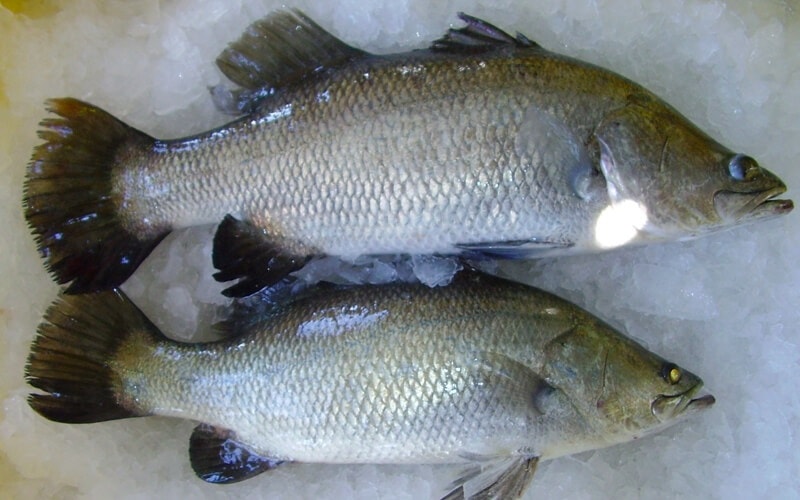
Sea bass is rich in omega-3 fatty acids. Photo: Getty
Sea bass is not only low in bones and easy to prepare, but it is also a rich source of protein and contains many important nutrients for the body. In particular, the amount of healthy fats in sea bass, including omega-3 fatty acids, is very beneficial for cardiovascular health.
According to a study published inThe American Journal of Clinical NutritionFish rich in omega-3 fatty acids, such as sea bass, help reduce the risk of cardiovascular disease by regulating blood cholesterol levels and reducing inflammation.
This is especially important in the context of the rising global cardiovascular disease rate, including in Vietnam.
Although salmon is still considered the "king" of omega-3s, sea bass is equally good. Some experts even suggest that sea bass is a better choice than salmon because it contains a moderate amount of fat and doesn't feel greasy.
Sea bass and cardiovascular health
Omega-3s in sea bass have been shown to be effective in protecting cardiovascular health. Omega-3 fatty acids help lower levels of bad cholesterol (LDL) and increase levels of good cholesterol (HDL) in the blood.

Sea bass is very good for the heart. Photo: iStock
In addition, it helps prevent the formation of blood clots, one of the main causes of stroke and heart attack.
A study conducted at the University of Maryland Medical Center showed that supplementing the daily diet with omega-3s from sea bass helps reduce the risk of death from heart disease by up to 30%.
Additionally, sea bass contains significant amounts of vitamin D and selenium. These are two important nutrients that support cardiovascular health and improve immune system function.
The overall health benefits of sea bass.
Besides protecting cardiovascular health, sea bass offers many other health benefits. It's rich in protein, which helps build and maintain muscle, supports the immune system, and aids in recovery from injuries.
In addition, sea bass is rich in vitamins D and B12, two essential vitamins for bone and nervous system health.
A study fromHarvard School of Public HealthStudies have shown that adding sea bass to the diet may help reduce the risk of age-related diseases, including memory loss and arthritis.
This makes sea bass a food that is not only good for cardiovascular health but also for overall health.
Easy to prepare and rich in flavor.
Besides its nutritional benefits, sea bass is also very popular in Vietnamese cuisine because of its tender white flesh, few bones, and ease of preparation.
Consumers can easily prepare sea bass in a variety of dishes, from steamed and grilled to sour soup.
With its high content of healthy fats and protein, sea bass is a great choice for everyday meals without worrying about weight gain or increased cholesterol levels.
Furthermore, sea bass is also reasonably priced compared to many other imported fish such as salmon. This makes it easier for Vietnamese people to access this nutritious fish without having to pay too much.


