
Special dietary considerations for people with Covid-19 and underlying health conditions.
Each underlying condition will require a different nutritional regimen for F0 patients. For example, diabetic patients should choose and consume foods based on their glycemic index, while F0 patients with hypertension need to limit salt intake to varying degrees.
Approximately 80%people infected with Covid-19There are no symptoms in 20% of patients, while the remaining 20% have symptoms ranging from mild to severe. All patients require a specialized diet tailored to their individual needs to boost their immune system and prevent physical exhaustion leading to malnutrition, which can even be fatal.
Dietary recommendations for COVID-19 patients with underlying medical conditions.
F0 cases often have underlying conditions such as diabetes, hypertension, and obesity. In addition to adhering to the doctor's treatment plan, a specific diet can help limit and reverse the progression of the disease. Failure to follow the diet correctly and strictly will reduce the effectiveness of medication.
Each underlying condition requires a different diet, so patients need to follow the advice of their nutritionist. For example, people with diabetes should choose and consume foods based on their glycemic index.
F0 patients with hypertension need to restrict salt intake to varying degrees, such as a low-sodium diet of 400-700mg sodium/day/person (approximately 1-2g of salt).
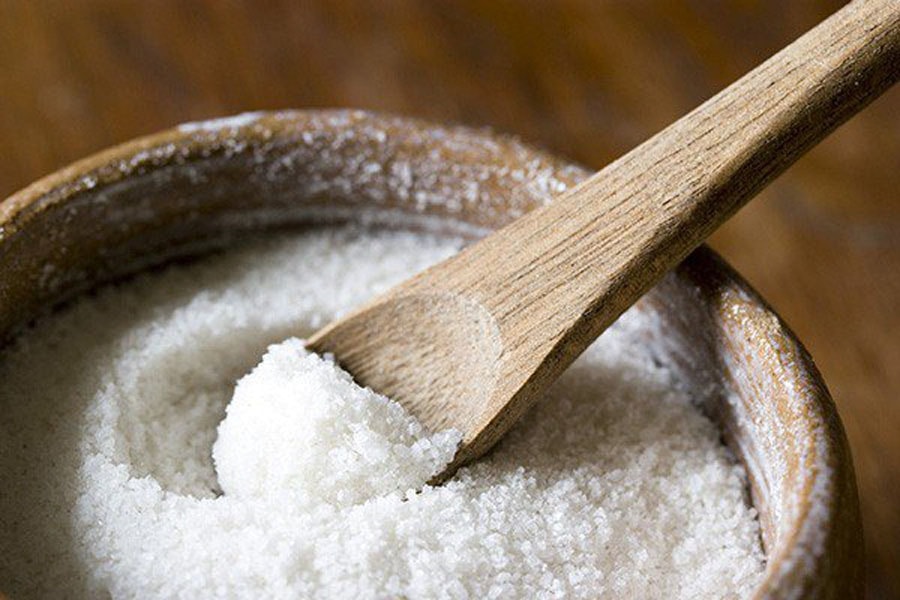 |
| People with hypertension need to limit their salt intake to varying degrees. |
A moderately low-sodium diet should contain 800-1200mg of sodium per day per person (approximately 2-3g of table salt per day).
A completely sodium-free diet requires 200-300mg of sodium per day per person, and this amount of sodium is already sufficient in the food consumed during meals.
F0 patients with hypertension need to restrict salt intake to varying degrees, such as a low-sodium diet of 400-700mg sodium/day/person (approximately 1-2g of salt).
Dietary recommendations for patients with severe symptoms (F0).
For COVID-19 patients being treated in hospitals, the nutritional regimen depends on the severity of symptoms and follows the hospital's prescribed diet.
If the F0 patient is conscious, they can eat and drink independently. If the F0 patient has impaired consciousness and cannot eat on their own, feeding will involve feeding through a gastric tube or intravenous nutrition.
If F0 has impaired consciousness and cannot eat on their own, they should be fed via a gastric tube or given intravenous nutrition.
Diet for asymptomatic COVID-19 patients.
For asymptomatic F0 cases, the diet is the same as for a healthy person, as follows:
Eat enough to meet your needs, eat a varied diet combining 15-20 different foods, and change the types of food frequently throughout the day. Your daily diet should have a balanced ratio of animal and plant-based protein sources (meat, fish, eggs, milk, shrimp, crab, seafood, beans, legumes, etc.) as well as animal and plant-based fats.
It is recommended to use fats from fish, legumes, and vegetable oils, and limit fats from poultry such as chicken and duck, and animal meats such as pork and beef. A diverse range of protein sources should be used, including both animal and plant-based sources.
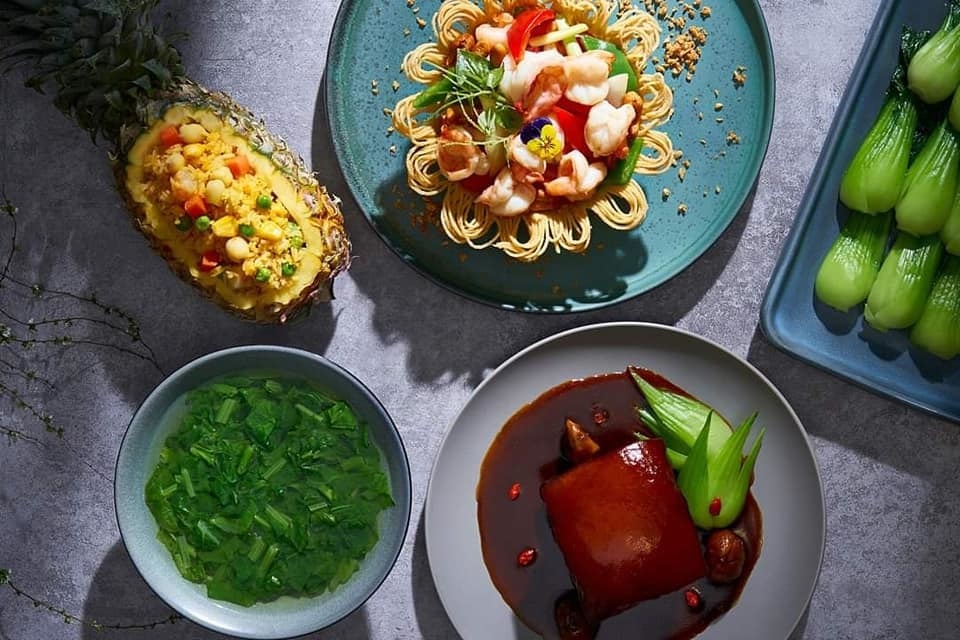 |
| Dietary guidelines for asymptomatic COVID-19 patients. |
Limit red meat consumption to 70-80g/day/person, such as beef, pork, and lamb. Increase consumption of healthy foods such as fish, seafood, eggs, milk and dairy products, poultry, beans, soybeans, and soy products.
The daily diet for F0 patients needs to have a balanced ratio of animal and plant protein sources, as well as animal and plant fats.
For adults, animal protein should account for approximately 30%-50% of total protein intake, while the ratio of animal lipids to total lipids should be below 60%. As people age, they should consume moderate amounts of animal protein, supplementing their diet with a balanced ratio of 1/3 animal protein and 2/3 plant protein.
For young children, animal protein is essential for growth and development, so the protein ratio should be 2/3 animal protein and 1/3 plant protein in each daily meal.
Increase your consumption of green vegetables and fruits in your daily meals, as they provide vitamins, minerals, and antioxidants. Vitamins A, C, D, E, and minerals such as iron and zinc play a role in fighting inflammation, preventing infections, and boosting resistance and immunity. The recommended daily intake of green vegetables is 300-400g per person and ripe fruit is 200-300g.
F0 patients need to replenish fluids regularly. Adults should consume 1.6 - 2.4 liters of water per person per day (equivalent to 8 - 12 glasses).
When preparing meals, add spices such as onions, garlic, lemongrass, and ginger, as they contain not only vitamins and minerals but also plant-based antibiotics. Simultaneously, ensure food safety and hygiene by cooking food thoroughly, boiling water, and consuming food immediately after cooking.
In addition to ensuring daily water intake, a small number of COVID-19 patients may experience symptoms such as coughing, fever, and pneumonia, leading to dehydration and loss of electrolytes like sodium and potassium. Therefore, increasing water intake to replenish lost fluids is essential for faster recovery.
The drinks to choose from to supplement hydration include options like oral rehydration solution (ORS), coconut water, fruit smoothies with lemon, orange juice, grapefruit juice, mango juice, and pennywort juice… Besides providing hydration, they also supply essential vitamins and minerals for the body.
F0 patients should avoid alcohol and beer as it makes it difficult to monitor the progression of the disease, and should limit the consumption of soft drinks and carbonated beverages.


