
Notes on treating diarrhea
When infected, regardless of the cause or type of bacteria, the most important and first thing to do is to replenish fluids and electrolytes.
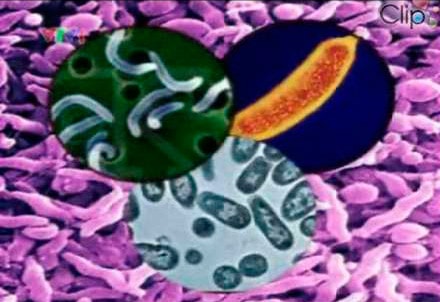
Bacteria that cause diarrhea.
Summer, with its hot weather, creates extremely favorable conditions for acute diarrhea. Many types of bacteria can cause acute diarrhea, such as Staphylococcus aureus, E. coli, Vibrio cholerae, worms, parasites, Salmonella, Shigella, or Rotavirus.
It is important to prepare the rehydration solution according to the instructions for use; do not divide the oresol packet or hydrit tablet into smaller portions for multiple uses. Any prepared rehydration solution that is not consumed within 12 hours must be discarded. Oral rehydration should be continued until the patient has soft stools and fewer than three bowel movements per day.
Another extremely important point is that during diarrhea, it's crucial to maintain an appropriate diet. Food should be softer and more liquid than usual, but still include all four food groups. If the patient is a young child, breastfeeding should continue, and complementary foods should be more liquid, softer, and divided into smaller, more frequent meals.
Additionally, depending on the cause of diarrhea, antibiotics, medications to reduce bowel motility, or digestive enzymes may be used. However, only a doctor has the authority to prescribe medication; you should not self-medicate to avoid potentially serious consequences.
For diarrhea caused by Vibrio cholerae, patients will be treated with specific antibiotics, fluid and electrolyte replacement. Acute diarrhea caused by Salmonella is mainly treated with fluid replacement, fever reduction, sedation, or antibiotics if needed. Acute diarrhea caused by staphylococcal toxins also requires fluid and electrolyte replacement and cardiovascular support. For Rotavirus-induced diarrhea, only fluid and electrolyte balance is needed...
Acute diarrhea in general, and acute infectious diarrhea in particular, is a significant cause of death in many parts of the world, including some areas in Vietnam. Therefore, it is crucial to focus on educating the public about maintaining environmental hygiene, ensuring food safety, properly storing food and water before, during, and after preparation; eating cooked food and drinking boiled water; establishing the habit of washing hands before eating and after using the toilet; and properly managing household waste, especially human waste, particularly from patients with acute diarrhea. When pets are sick for any reason, they should be isolated and contact with them should be avoided, especially with children.
According to MSc. Nguyen Bach Dang - Health & Life - NT


