
Why you shouldn't squeeze lemon juice onto hot noodles or pho.
Adding lemon juice to hot food is not harmful to health, but it hinders the body's absorption of nutrients, especially vitamin C.
Lemons are a rich source of vitamin C—an essential antioxidant nutrient—which helps improve immunity, iron absorption, and boost immunity.healthof bones, skin, hair, and eyes. Some people like to add lemon to dishes because of its fragrant, mildly sour flavor. However, experts advise against squeezing lemon onto hot food to maximize the nutritional value of this fruit.
Indian nutritionist Juhi Kapoor highly values lemons: “Using lemons is really important in daily cooking habits because lemons are rich in vitamin C – an essential nutrient. Our bodies don’t store or produce vitamin C, so regular supplementation is really important for good health and longevity.”
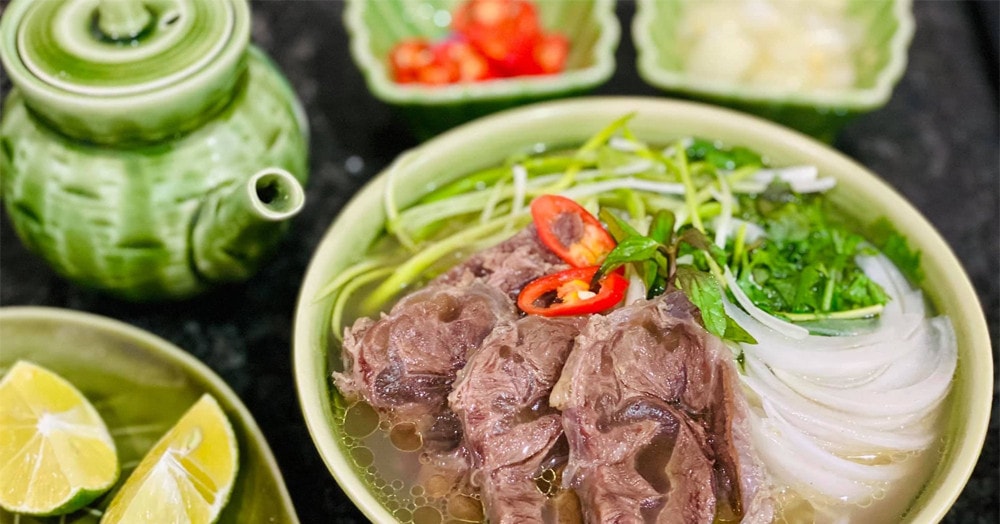
However, according toIndian ExpressAccording to expert Kapoor, you should avoid squeezing lemon juice onto hot dishes. Vitamin C is very sensitive to heat and is easily destroyed by heat. “This is why you shouldn’t add lemon juice to food that is still hot or cooking on the stove. This habit destroys the vitamin C in the lemon, and you won’t get the full benefits,” she added.
The expert advises that whenever you want to use lemon in cooking, let the food cool down a bit before squeezing the lemon juice on it.
Dr. Sawinder Kaur, Head of Food Technology and Nutrition at Lovely Professional University (India), agrees with this view: “Vitamin C is sensitive to temperature and light. The degradation of vitamin C can occur at temperatures from 30°C to 85-95°C depending on the exposure time. This vitamin is also water-soluble. Adding lemon juice to hot food can destroy the vitamin and affect the activity of enzymes.”
Similarly, you should only drink lemon water at room temperature.
Drinking hot lemon water is very pleasant, especially in cold weather, helping the body feel warm and relieving nasal congestion and sore throat. Meanwhile, iced lemon water provides a refreshing feeling. However, as explained above, hot water can destroy enzymes and vitamin C, while drinking iced lemon water hinders the digestive benefits of this fruit.
The benefits of lemon water
Lemons are a source of vitamin C, flavonoids, and antioxidants that boost your health and well-being in many ways.
Reduce the risk of stroke:The American Heart Association has found that citrus fruits, including lemons, may reduce the risk of ischemic stroke in women.
Maintaining healthy blood pressure:According toFuture FitA Japanese study of 101 women showed that those who walked regularly and consumed lemons had lower blood pressure than those who did not have these habits.
Cancer prevention:Antioxidants prevent the formation of cancer-causing free radicals. Lemons, in particular, are rich in antioxidants.
Preventing asthma:Research shows that vitamin C offers several important health benefits for people with asthma and can reduce the risk of developing asthma.
Combating iron deficiency:Iron deficiency leads to anemia, a common nutritional deficiency in developing countries. Combining iron-rich foods with vitamin C, such as lemons, can help the body absorb iron.


