Although Vietnam chose the 96L6E radar to equip its S-300PMU1 system, it was designed for the S-400 Triumf. So what was the reason for this decision?
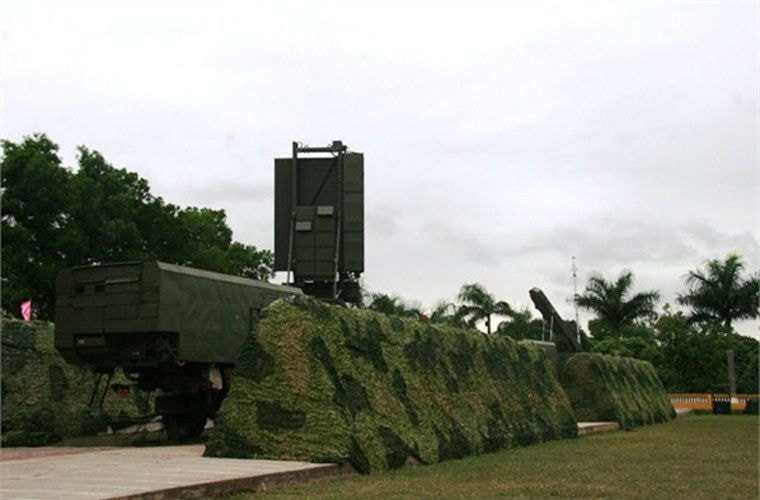 |
| According to the manufacturer, the S-300PMU1 system, in addition to being equipped with the 30N6E Flap Lid radar, can also be optionally equipped with the 64N6E Big Bird radar or the 96L6E all-altitude panoramic radar. Vietnam has chosen the 96L6E for the S-300PMU1 system, so what advantages does this radar have over the 64N6E? |
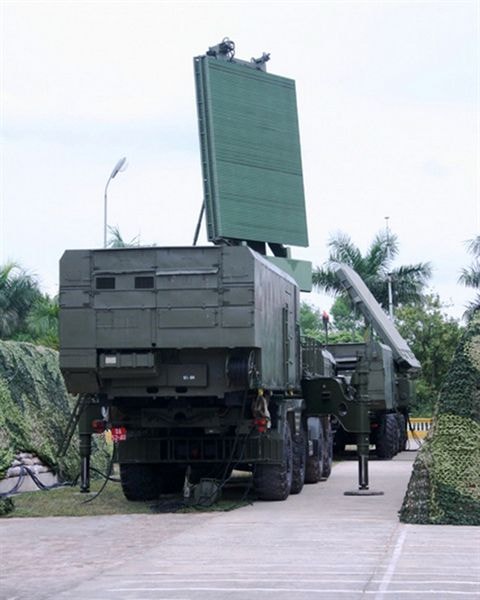 |
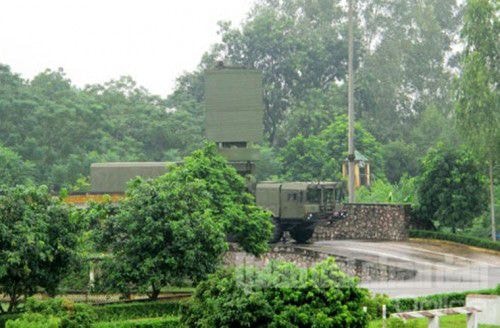
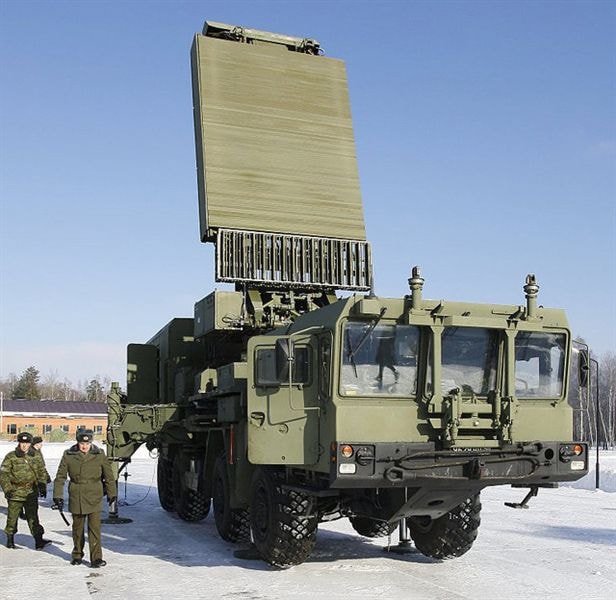
| The 96L6E all-altitude panoramic radar is a product of the KB Lira Design Bureau, manufactured at the LEMZ plant. It was developed to replace the 36D6 high-altitude target search radar and the 76N6 low-altitude target search radar. |
 |
| The 96L6E has the advantage of combining both low-altitude and high-altitude detection capabilities of the two aforementioned radar types in a single design. The 96L6E circular-view radar operates in the C-band, and its processor can hop frequencies, providing high interference resistance and good target discrimination in cluttered environments. |
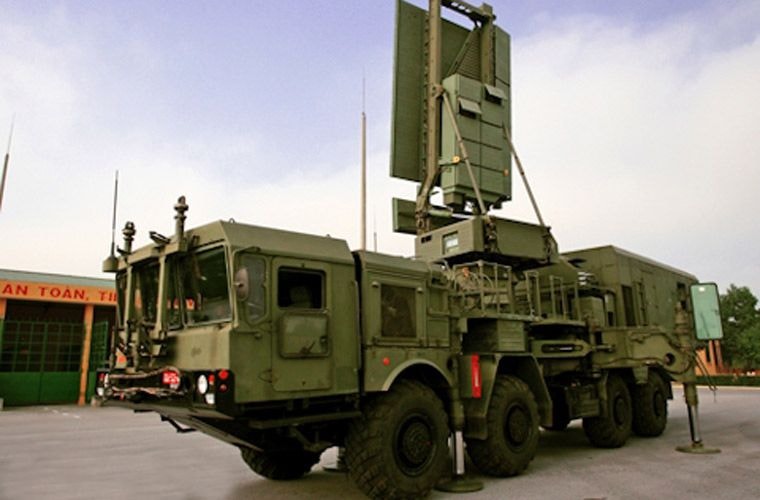 |
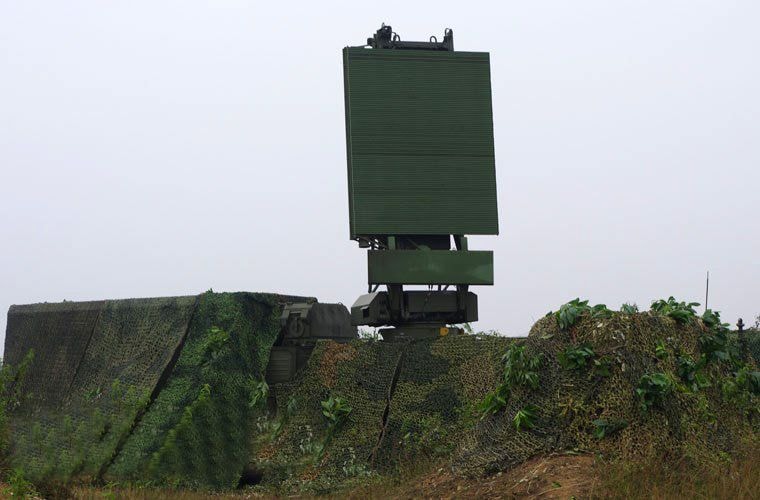
| In addition, the phased array antenna design allows for mechanical beam steering at the azimuth angle and electronic beam steering at the altitude. The 96L6E can detect flying objects with all three parameters (range, azimuth, and altitude). |
 |
| The outstanding advantage of the 96L6E is its low and very low detection capability, a crucial feature in detecting tactical and operational ballistic missiles. In low detection mode, the target velocity is limited to 30 - 1,200 m/s. |
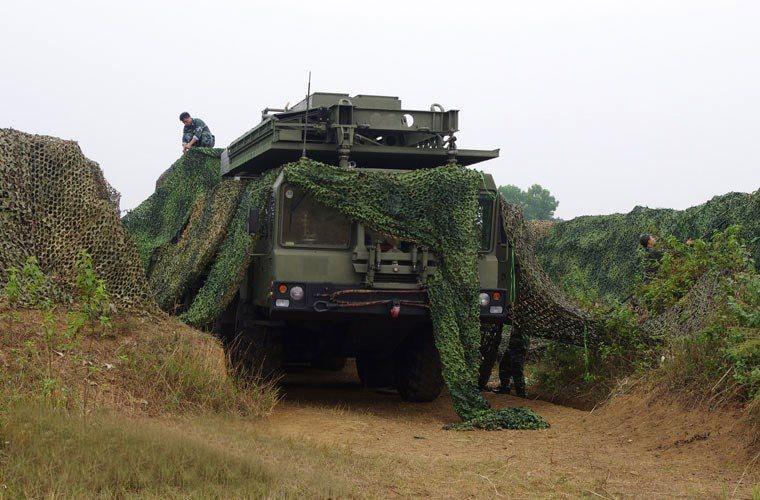 |
| In addition, the 96L6E has a specialized low-altitude search mode with a 360-degree coverage in 6 seconds and an azimuth angle of -3 to 1.5 degrees. In this mode, the target velocity is limited to 50-2,800 m/s. The 96L6E radar can detect 100 targets simultaneously and has a maximum detection range of 300 km. |
 |
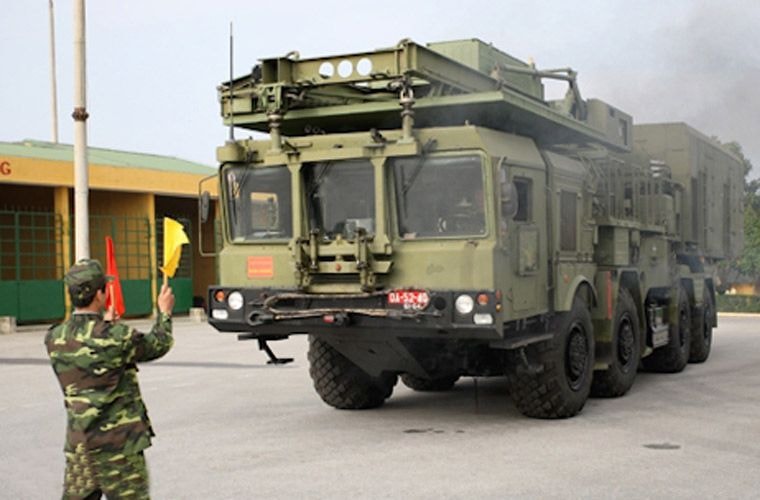
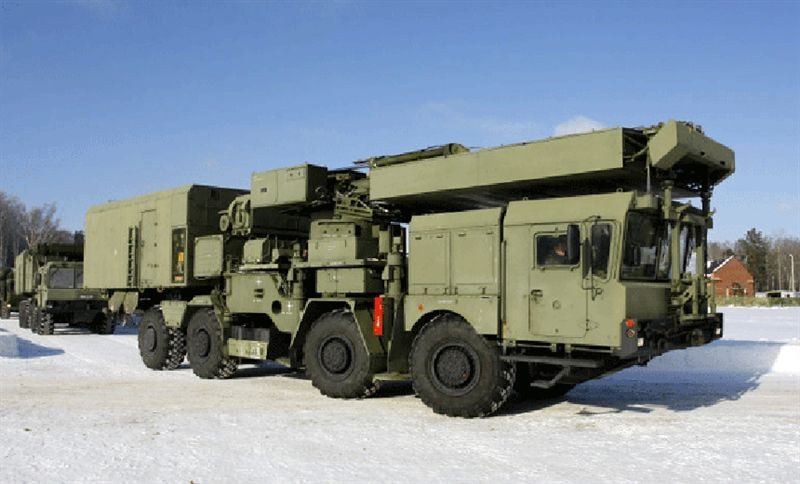
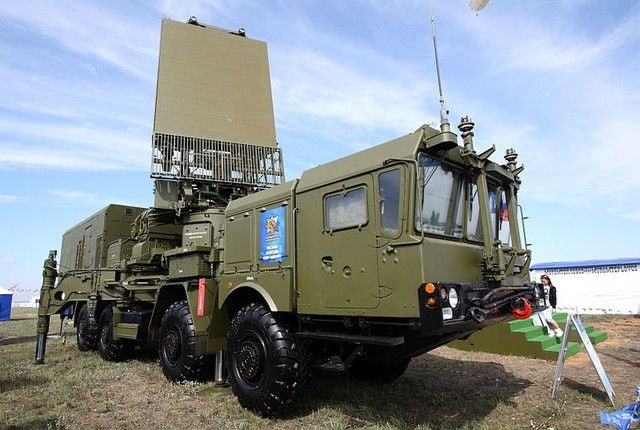
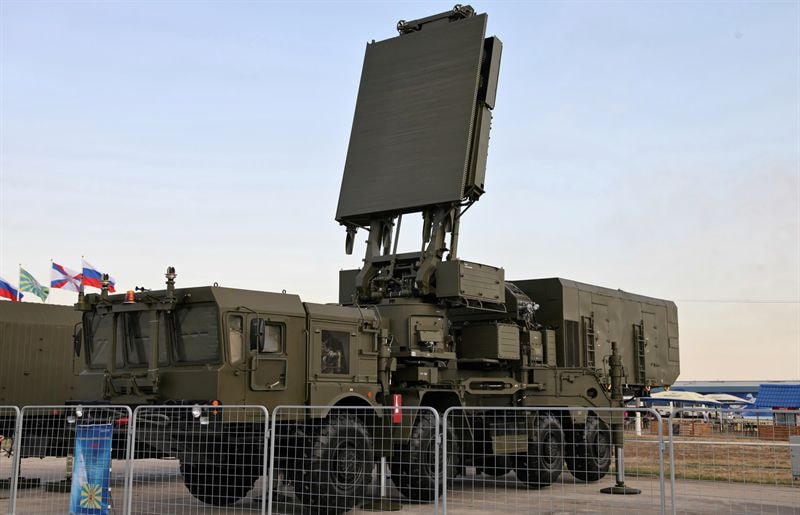
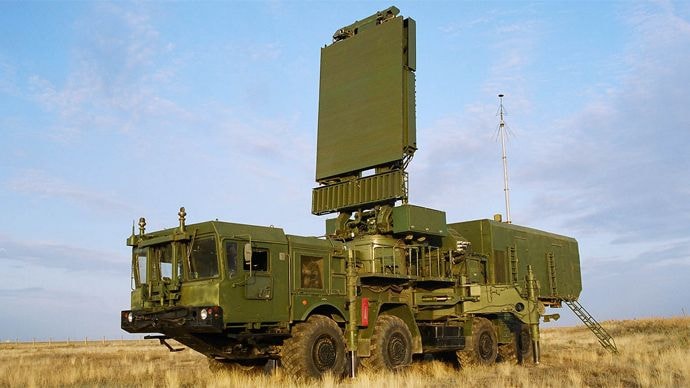
| The entire antenna and control room are mounted on a highly mobile MZKT-7930 truck chassis. Deployment and retrieval time is only 5 minutes, a crucial requirement in the "fire-and-run" tactic to avoid enemy retaliation. |
 |
| The 96L6E can use an independent power source from the SEP-2L generator when deployed on a self-propelled vehicle. This radar can deploy its antenna on a 24-meter-high 40V6M tower or a 40-meter-high 40V6MD tower. In this configuration, the radar uses the SES-75M generator via a 100-meter connecting cable. The system also has a backup generator, the 98E6U. |
 |
| With its capabilities, the 96L6E radar is an effective tool for early detection of threats from cruise missiles and tactical-operational ballistic missiles. Since ground-attack cruise missiles often fly at low altitudes, the presence of a low-altitude detection radar like the 96L6E is crucial. |
 |
| Besides its low-altitude detection capability, the 96L6E radar also effectively tracks high-speed moving targets, characteristic of tactical and operational ballistic missiles. One of the outstanding advantages of the S-300PMU1 system is its ability to intercept cruise missiles and tactical and operational ballistic missiles. This is why Vietnam invested in equipping itself with the 96L6E radar to optimize this capability of the S-300PMU1. |
 |
| Furthermore, the 96L6E radar incorporates many features suitable for upgrading to more modern standards and a more advanced data interface. Essentially, the 96L6E is the standard target search radar for the S-400 Triumf long-range air defense system; it is also an optional feature for the S-300PM/PMU/PMU1 and S-300PMU2 Favorit systems. |
 |
| Thus, by choosing the 96L6E radar, Vietnam has prepared for the possibility of upgrading the S-300PMU1 to the S-300PMU2 Favorit standard or purchasing the S-400 Triumf system in the future. (Source: Dai Lo) |
According to Baodatviet



