
Instant noodles are convenient...but not beneficial.
People with dyslipidemia, hypertension, overweight/obesity, or diabetes should limit their consumption of instant noodles in their main meals.
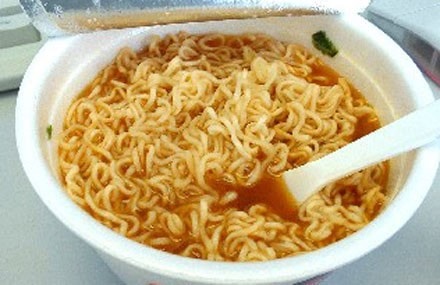 |
People with dyslipidemia, hypertension, overweight/obesity, or diabetes should limit their consumption of instant noodles in main meals, as instant noodles, despite their convenience, are not beneficial to health when consumed regularly.
Lack of many nutrients
Instant noodles are made primarily from wheat flour and tapioca starch, providing mainly carbohydrates and fats as energy sources. They contain very little protein, which is mostly plant-based. Therefore, eating only instant noodles without supplementing with protein and fiber creates an unbalanced meal. If consumed frequently and continuously, this can lead to nutrient deficiencies, affecting the immune system and blood vessels, and causing vitamin and mineral deficiencies.
Instant noodles contain a lot of saturated fat (rich in saturated fatty acids, difficult to digest), carbohydrates, and very little fiber. During production, instant noodles are fried in oil at high temperatures, causing the oil to oxidize easily and potentially create more trans fats. Trans fats increase levels of bad cholesterol in the blood, leading to an increased risk of cardiovascular disease, blockages, and stroke.
Additionally, the instant noodle packet also contains a small packet of seasoning and a packet of oil. These two packets add color and flavor to the instant noodles, creating an appealing taste and deceiving the eater's senses, but they are not good for people with cardiovascular disease or high blood pressure.
The packaging is nice, but the information isn't very specific.
Currently, the market offers many types of instant noodles, packaged in attractive paper, plastic bags, plastic bowls, etc. However, the labels often lack specific and detailed information about nutritional values, such as energy (kcal), protein, fat, carbohydrates, and fiber. These products need regulations regarding trans fat content and the quality of fats in the product. The quality of fats in the daily diet is crucial for managing lipid disorders, hypertension, and cardiovascular disease. Clearly listing the ingredients on labels helps consumers choose products that are good and suitable for their health.
Since 2007, the issue of trans fat has been discussed in some media outlets, but Vietnamese consumers may be unaware or too lenient, and therefore continue to use it. Meanwhile, regulatory agencies have yet to issue regulations regarding the labeling of trans fat content on food products.
Nevertheless, manufacturers also need to take the lead in ensuring public health by committing to producing products free of trans fats and researching the addition of fiber. While awaiting regulations on trans fats in food products in Vietnam, nutrition experts advise consumers to protect themselves by choosing products from reputable manufacturers, especially those that have implemented quality food safety management systems.
Consumers who eat instant noodles should supplement their diet with green vegetables and protein sources such as meat and eggs to compensate for the lack of vitamins, fiber, and protein, ensuring adequate nutrition for their bodies. Instant noodles should not be consumed as part of main meals, as frequent consumption is not beneficial to health.
According to Zing.vn
| RELATED NEWS |
|---|


