Economy

This is one of the largest mink breeding farms in Nghe An province.

Thanh Phuc October 10, 2024 11:59

With a breeding scale of up to 500 civets, the civet farming model of Mr. Vu Van Cu (Xuan Lam commune, Hung Nguyen district) is currently one of the largest in the province.


bna_sinh-san-7956a18252a267e8a3425f658c88820f(1).jpg
After graduating from the University of Architecture and working in various provinces and cities across the country, in 2019, Vu Van Cu from Xuan Lam commune left the city and returned to his hometown to experiment with breeding civets. (Photo: TP)
bna_t.jpg
With two breeding farms in Xuan Lam and Nghi Kieu (Nghi Loc), Mr. Cu is raising 700 civets, mainly for breeding and selling offspring to the market. Photo: TP
bna_cu.jpg
“Previously, while working in the southern provinces, I had the opportunity to learn about civet farming at large farms. Raising civets isn't too difficult, doesn't require a large area of ​​land, and importantly, doesn't cause environmental pollution, so they can be raised in residential areas,” Mr. Cử said. (Photo: TP)
bna_chuong-trai-2f8fe92a2a3b28f0ff0b1f688c533e09(2).jpg
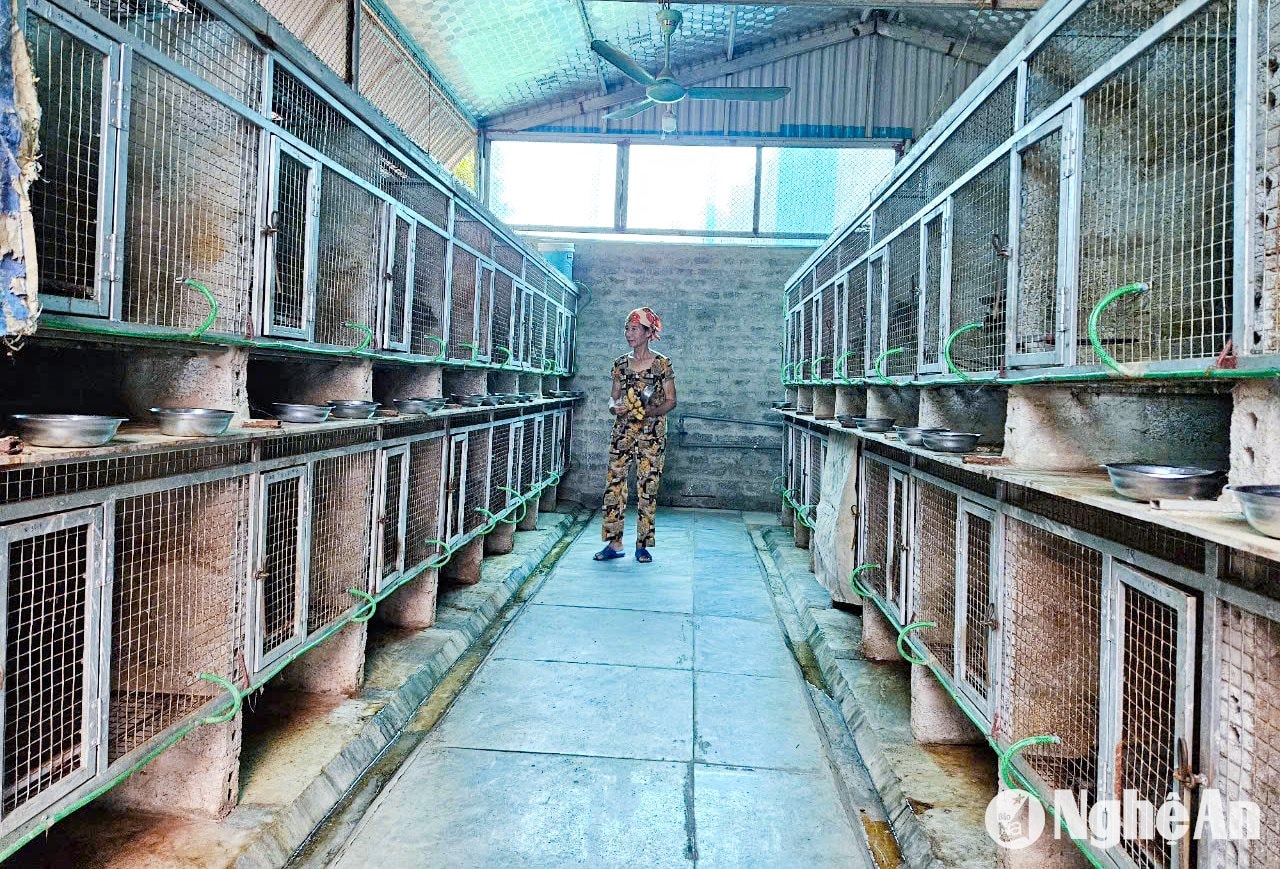
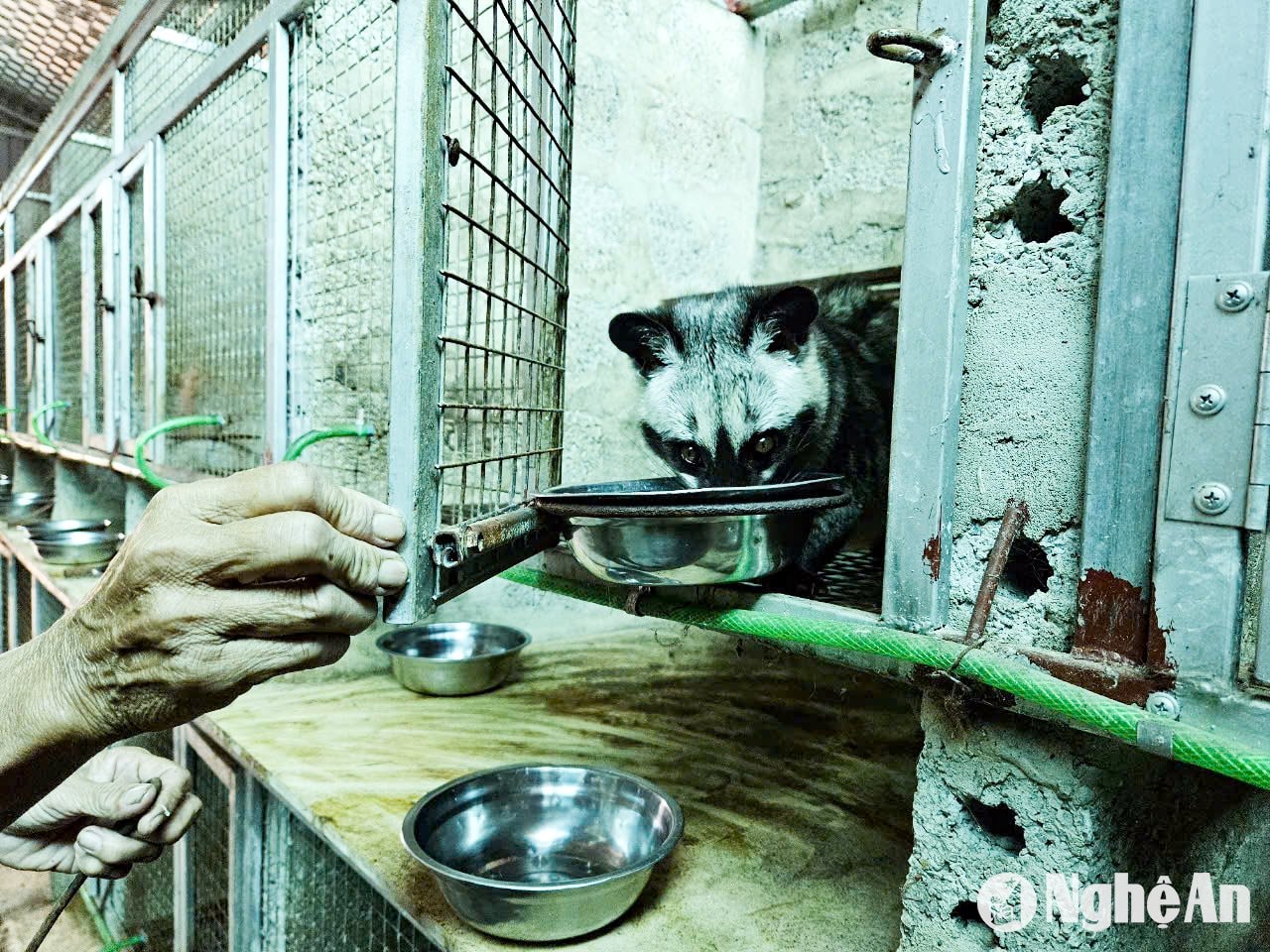
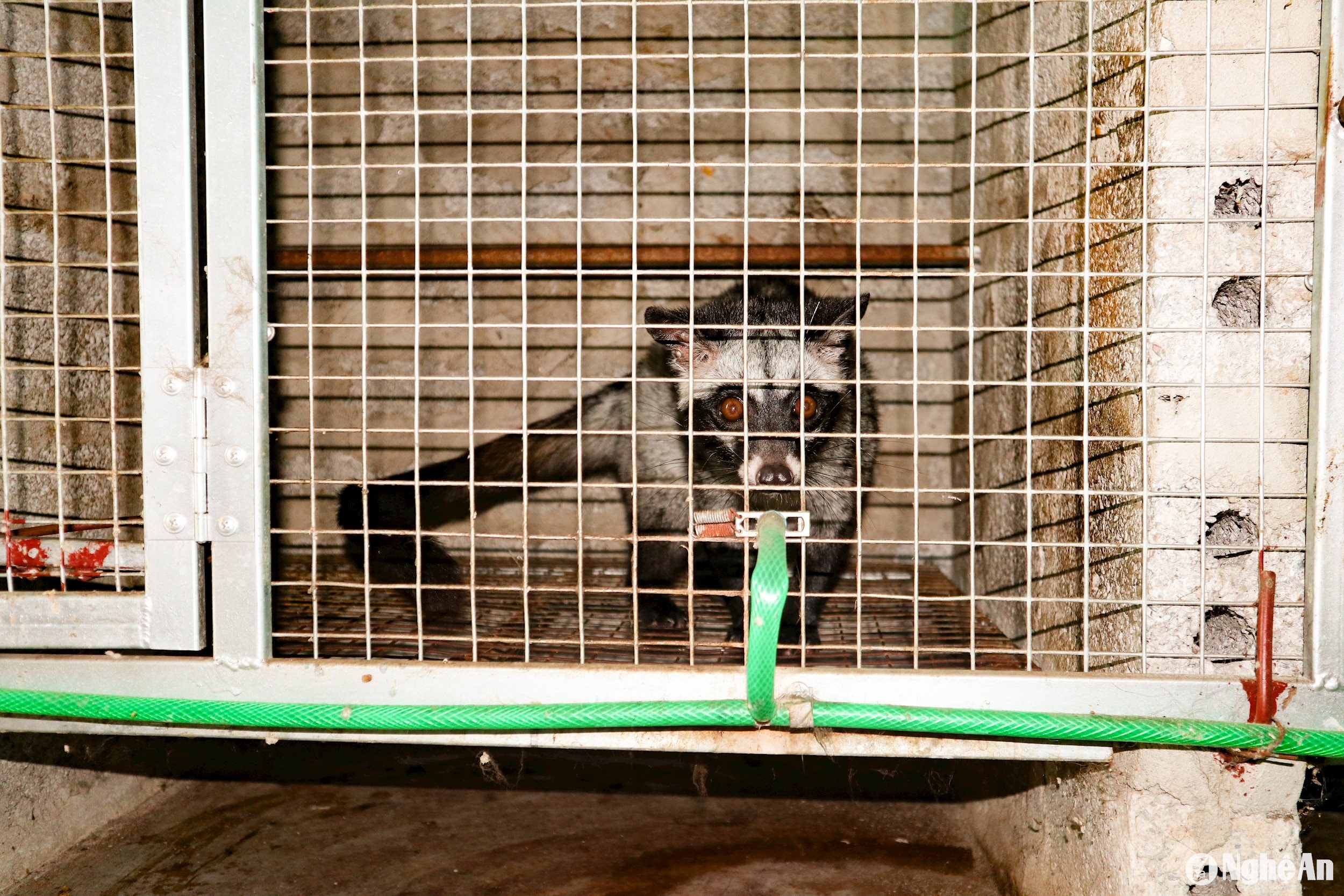
The mink cages are quite simple, consisting of iron cages 80cm high and 60cm wide. The cages are placed on supports about 1 meter above the ground for ventilation, to prevent dampness, and to facilitate cleaning. (Photo: TP)
bna_nuoc-d155d33219a94b010d66f916df81cbd6(2).jpg
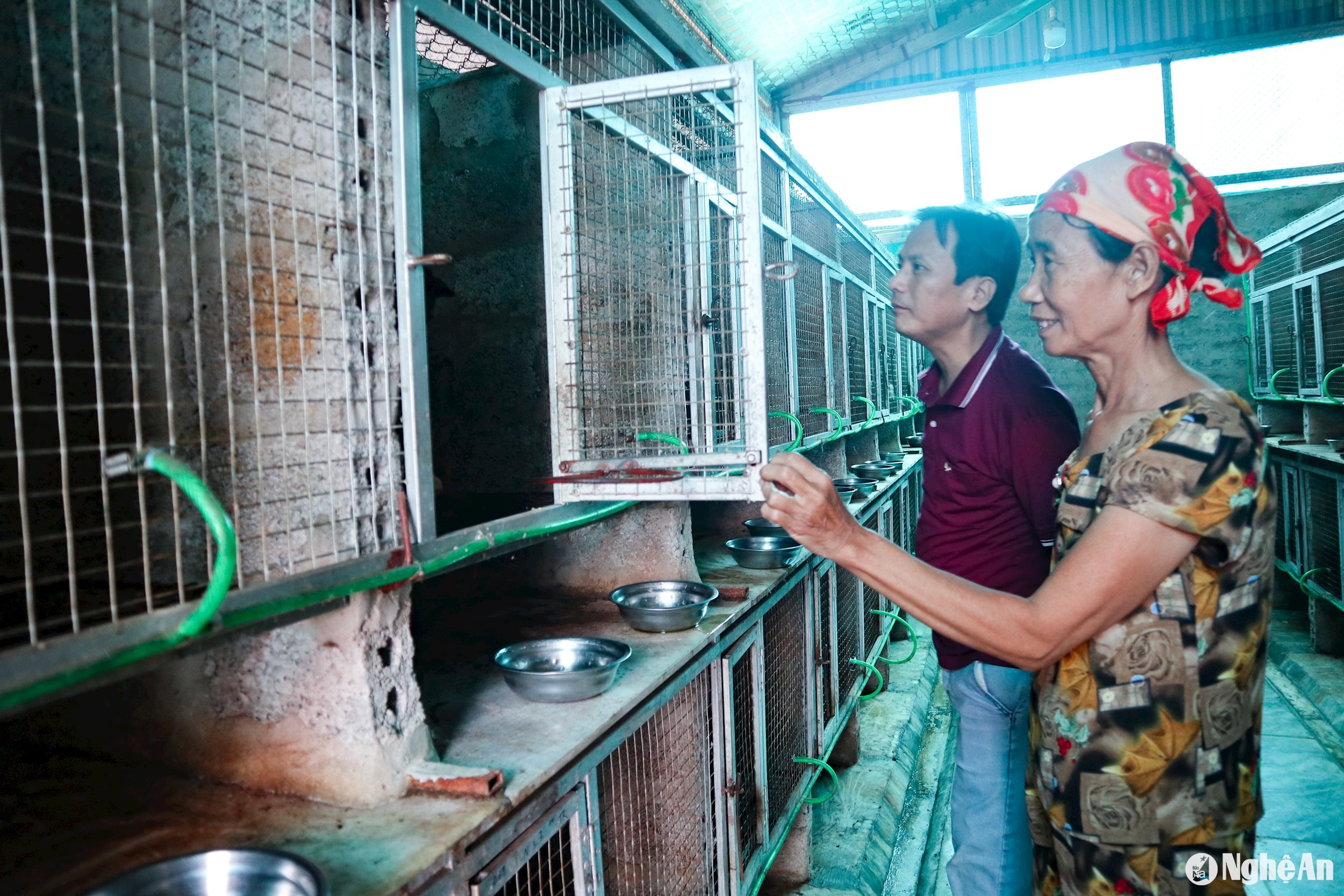
The cages are equipped with cameras, thermometers, ceiling fans, ventilation fans, and a cooling system. The cages are divided into separate areas: an individual cage, a cage for breeding pairs, and a cage for newborn minks... Depending on the stage of development, minks are kept in cages at a ratio of 1-2 or more individuals. (Photo: TP)
bna_voi.jpg
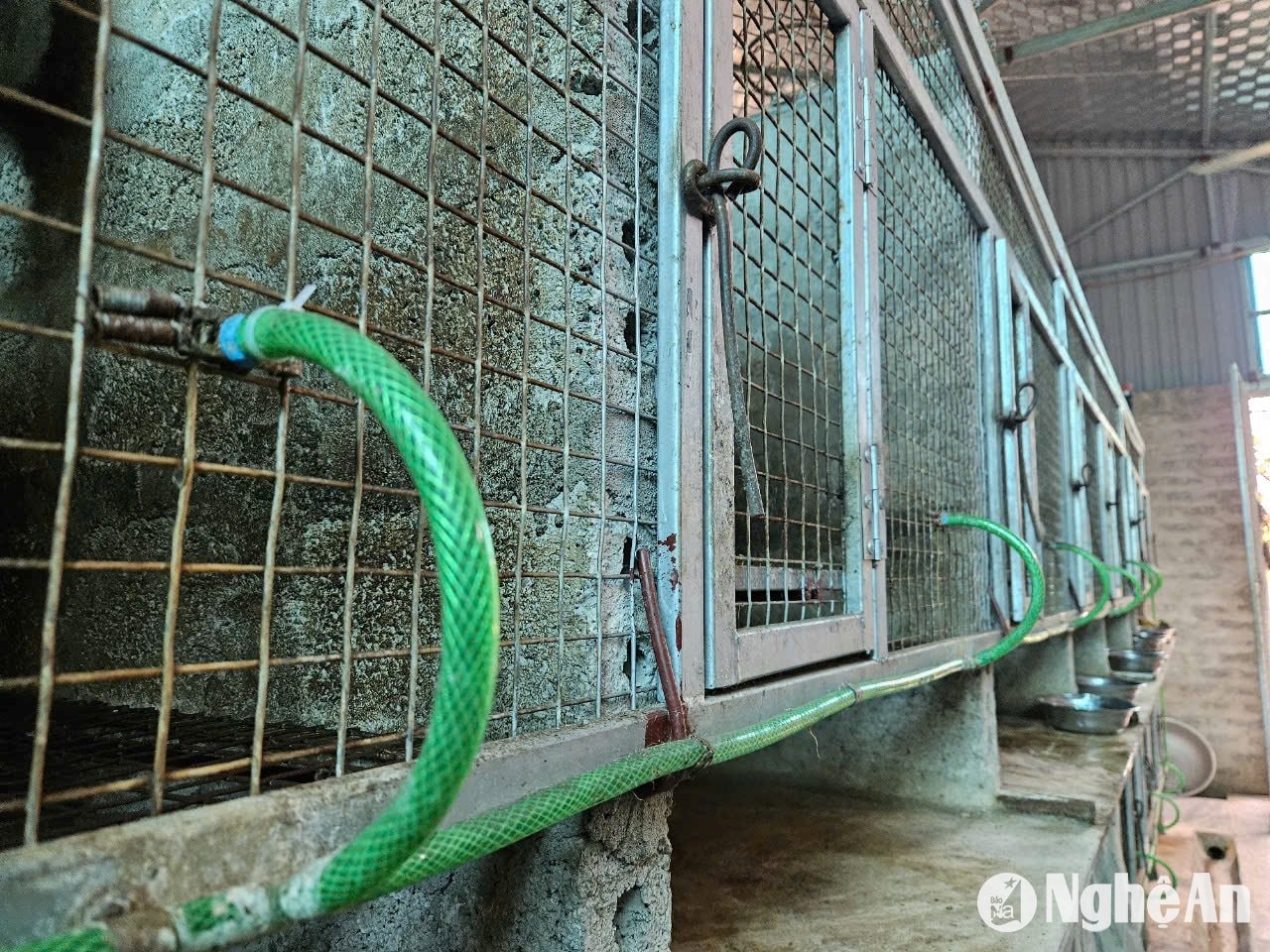
The drinking water for the ferrets has passed through a filtration system and is supplied with automatic taps in each cage. Photo: TP
bna_chuoi.jpg
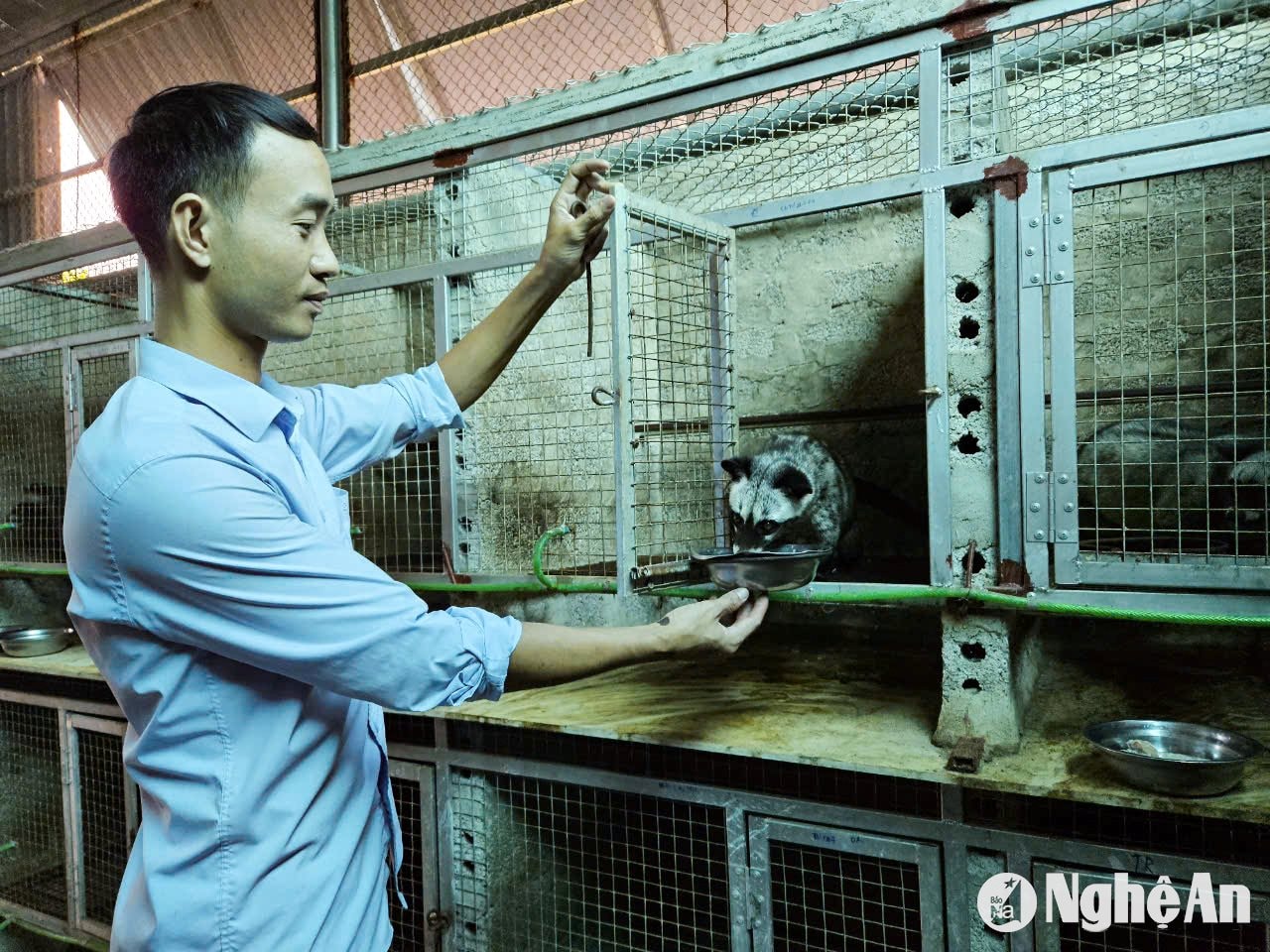
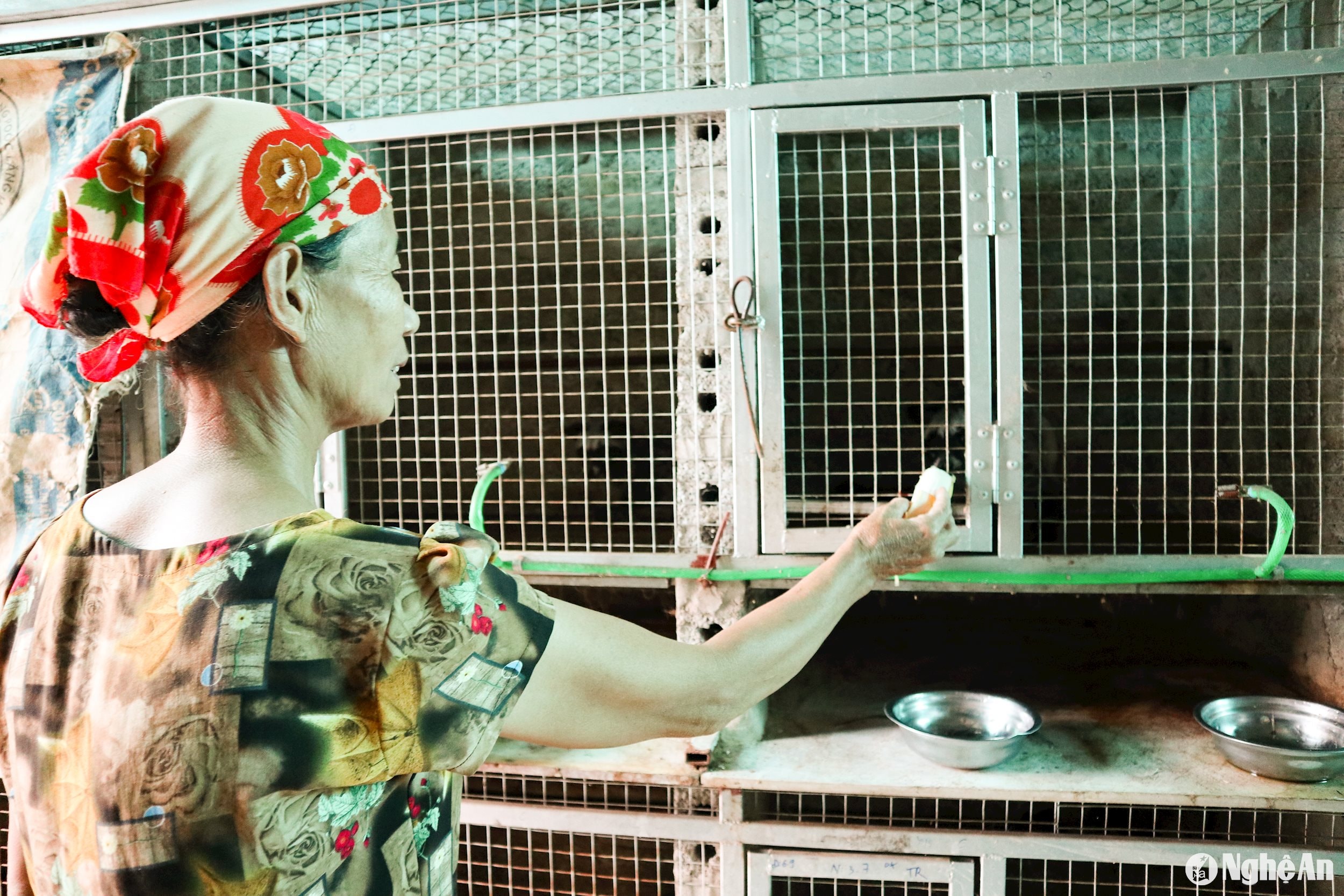
The civet's diet mainly consists of ripe bananas, river fish, shrimp, and freshwater crabs. Photo: TP
nấu cháo
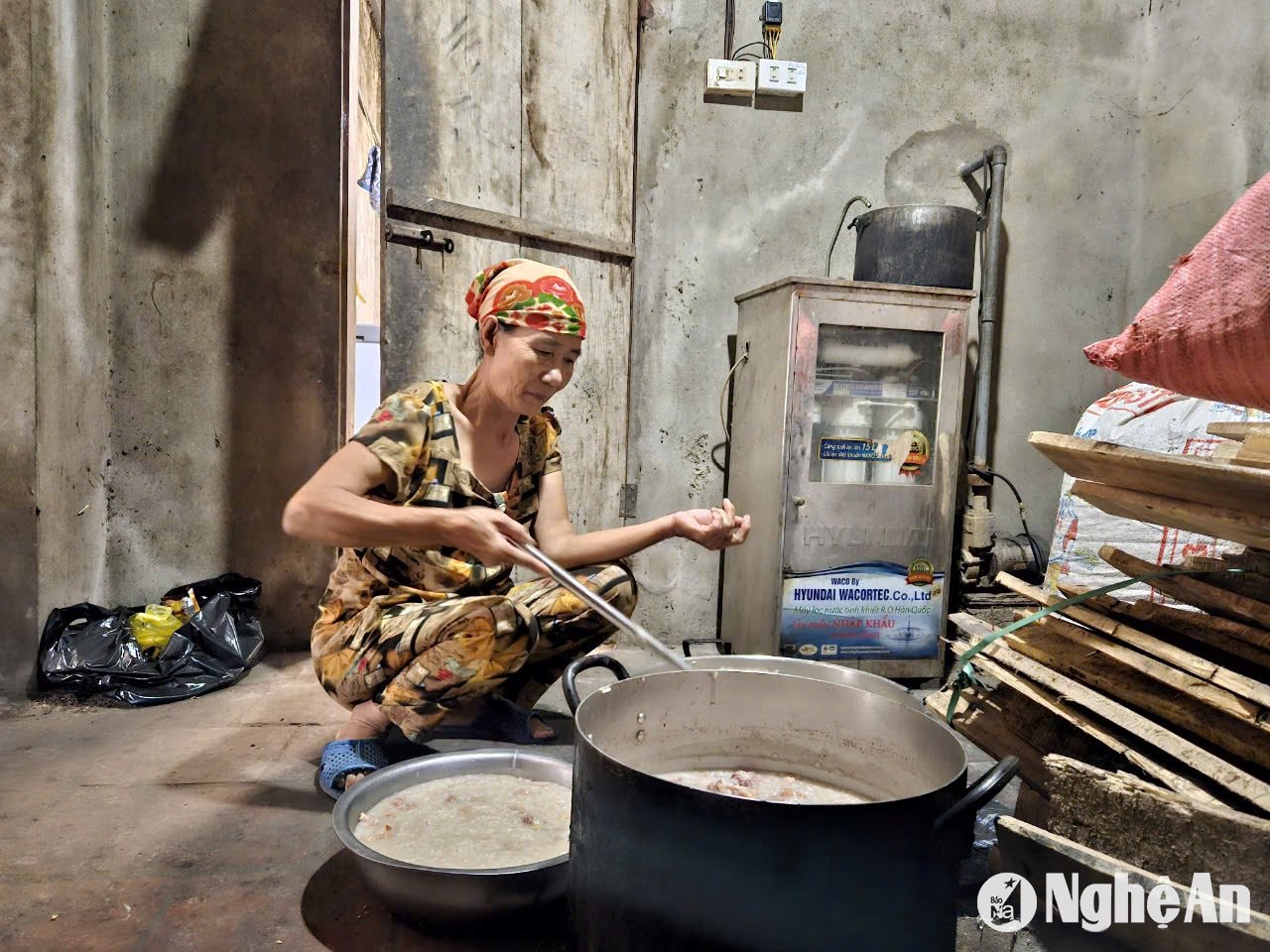
The main food consists of fish porridge and chicken neck and wing porridge. They are given one main meal each day in the afternoon. (Photo: TP)
bna_an.jpg
According to calculations, the daily food cost for a civet is only about 2,000 - 3,000 VND per animal. Photo: TP
bna_mua-sinh-san-5ec53c0f6b03a9a678c63b54e9e05b26(2).jpg
On average, a female civet can give birth to two litters per year, with each litter containing 3-6 offspring. Breeding civets are ready for sale after 4 months, priced at 14 million VND per pair; commercial civets sell for between 1.5-1.9 million VND per kilogram. (Photo: TP)
nc lọc
Mr. Cử said: “The most difficult thing in raising civets is the lack of vaccines to prevent and treat diseases. Therefore, the most important thing in raising civets is that the enclosures must be well-ventilated, cool in the summer, warm in the winter, and always clean. Those caring for the civets must understand the characteristics of the species to provide appropriate care. Currently, I am using vaccines for dogs and cats to treat the civets, and after 5 years of raising them, I see that they are healthy and reproduce well,” Mr. Đức said. (Photo: TP)
tham quan
Over the past period, Mr. Cử has provided breeding stock and dedicated technical guidance to many farmers nationwide to replicate his model. Many people have come to his farm to learn from his experience and breeding techniques. Photo: TP
Clip: Thanh Phuc
0 0 0
x
This is one of the largest mink breeding farms in Nghe An province.
Google News
POWERED BYFREECMS- A PRODUCT OFNEKO