
What is the most controversial dish in French cuisine?
Roasted nightingale is one of the most luxurious and elaborate dishes in France. However, those who enjoy this dish are also haunted by the thought of eating the meat of this innocent little creature.
France is known for having one of the most refined and elegant culinary traditions in the world, unmatched by any other country. Whether inexpensive or rare and expensive, the ingredients are transformed into masterpieces by the skillful hands of French chefs.
However, controversies surrounding the country's famously luxurious dishes are not uncommon. One such example is roasted nightingale, which has sparked considerable debate in French culinary history.
Nightingales are tiny birds, small enough to fit in the palm of a person's hand. They typically live in warm regions of Europe such as Greece, Spain, and southern France. While not exceptionally beautiful or renowned for their song, nightingales have captivated the French culinary world, truly being considered the "queen of the table"—a luxurious and aristocratic delicacy.
This dish, originating from ancient Rome, was one of the dishes that could satisfy the sophisticated palates of French emperors. The nightingale is meticulously prepared to preserve its succulent, juicy meat while infusing it with the flavor of chestnuts, perfectly blended with the rich sweetness of the meat and offal.
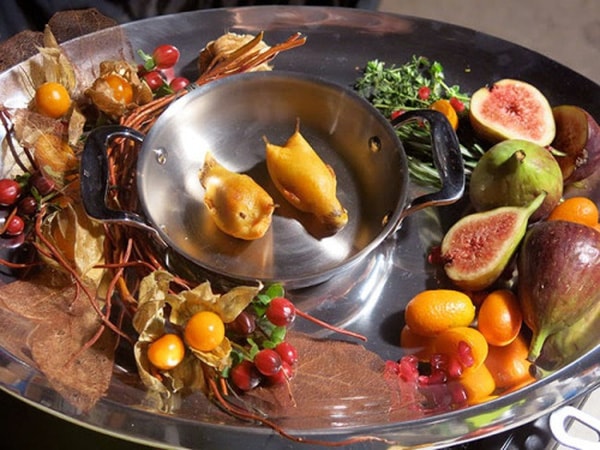 |
| Roasted nightingale, French cuisine, luxurious dish, France.However, this dish is currently the most controversial in the history of French cuisine. |
The cruel process of raising and killing animals.
The controversy surrounding this luxurious roasted nightingale dish stems from the cruel methods of hunting, raising, and slaughtering it, which have led to a dwindling number of these birds in Europe.
During migration season, when the birds fly back to Africa, hunters set many traps in the fields to catch as many as possible. However, for the nightingale dish to be the most delicious and appealing, the birds must be 2 to 4 times fatter than normal. Therefore, after being caught in the traps, they are confined in cramped cages to minimize movement and begin the fattening process.
Nightingales are constantly fattened up by being fed raisins, millet, and figs, regardless of whether they want them or not. Legend even says that the Roman emperors once blinded the birds so they would think it was nighttime and therefore eat more.
Typically, by the time they are prepared, the nightingales have increased in size two to four times their original size. They are submerged in Armagnac or dripped slowly down their throats to kill them. The remaining feathers are carefully plucked to ensure that the best fats cannot escape. Finally, the chef simply adds some seasoning and roasts the nightingale for 6-8 minutes, and the dish is complete.
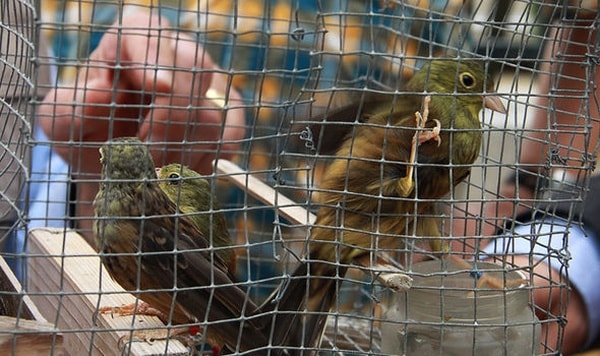 |
| Nightingales were captured and kept in captivity to be fattened up, serving the needs of the gods. |
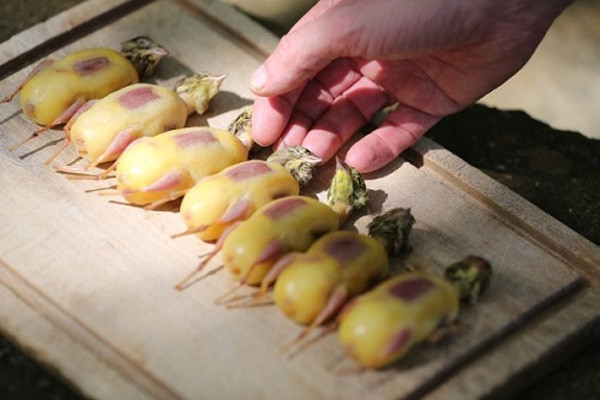 |
| The nightingale will be roasted for 6-8 minutes. |
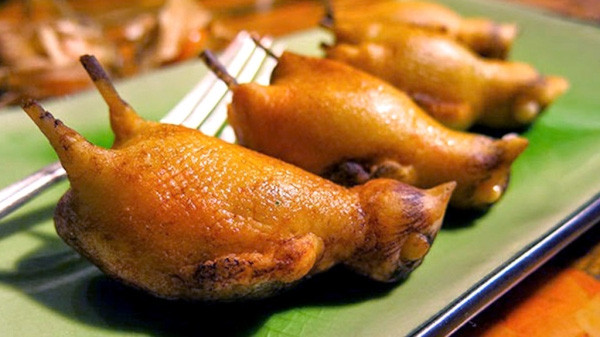 |
| The dish, which is sophisticated, elaborate, and luxurious, is causing much controversy. |
A peculiar way of enjoying it.
French-roasted nightingale is considered the most refined and sophisticated way to enjoy fatty meat in the world. For this exquisite dish, the act of enjoying it is also a ritual. Diners do not cut the bird meat into small pieces and use knives and forks as usual.
Traditionally, each person would cover their head with a white cloth, then place the entire bird in their mouth with the head facing outwards, slowly chewing every part from the feet to the bones, leaving only the head behind. The covering was meant to prevent embarrassment in front of others, but more importantly, it was believed to help them escape the "judgmental eyes" of God when eating the flesh of this small creature.
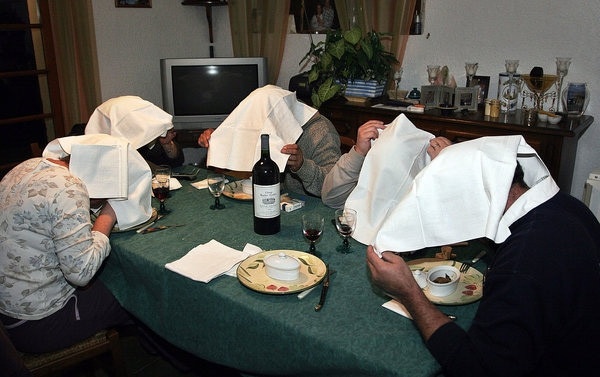 |
| It is believed that the white cloths covering their heads helped them avoid the gaze of God when they ate nightingale meat. |
Driven by enormous profits, poachers hunt large numbers of these birds, causing a 30% decline in their population, with 30,000 birds killed annually in southwestern Aquitaine, France, alone. In response to this, in 2007, while hunting for nightingale meat was banned throughout the EU, the French government announced the heaviest penalty for this act, reaching 6,000 euros (approximately 150 million VND).
But a group of leading French chefs lobbied the French government to lift the ban on killing and preparing nightingales to preserve this long-standing cultural tradition. However, Allain Bougrain Dubourg, president of the French Bird Protection Alliance, argued that these chefs were old-fashioned and out of touch with 21st-century practices. And to this day, the story of the nightingale's survival continues to be a subject of much debate.
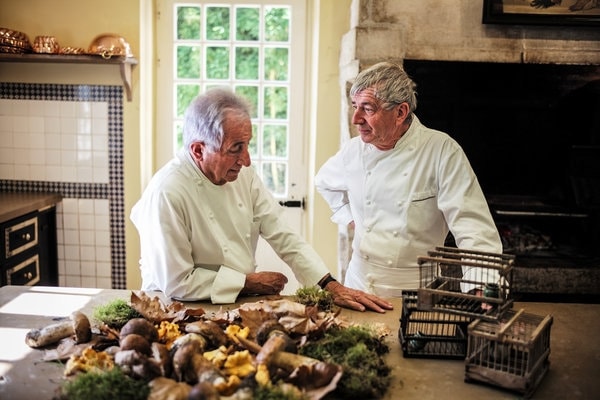 |
| Michel Guérard (left) and Jean Coussau are two of the French chefs calling for the lifting of the ban on killing nightingales for food. |
According to Vietnamnet
| RELATED NEWS |
|---|


