
The US accuses Russia of challenging its nuclear deterrence capabilities.
(Baonghean.vn) - With the deadline for the US and Russia to withdraw from the nuclear agreement fast approaching, the Pentagon has accused Moscow of challenging nuclear deterrence capabilities.
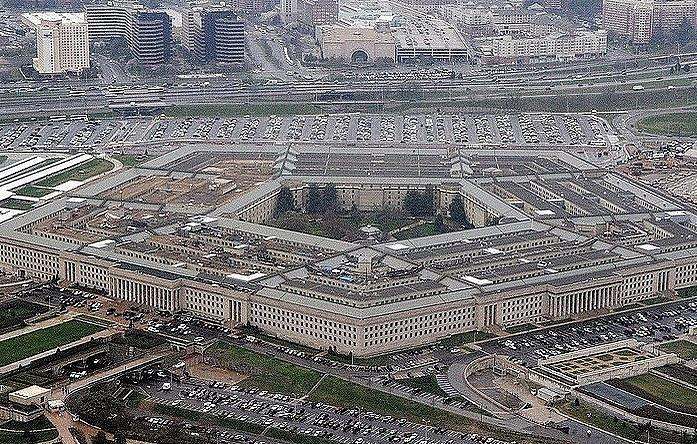 |
| The U.S. accuses Russia of challenging its nuclear deterrence capabilities. Photo: AP |
On July 21, US Deputy Secretary of Defense John Rood stated that the Pentagon views Russia's current military doctrine as a challenge to the US nuclear deterrence capability.
Speaking at the Aspen security forum in Colorado, the official argued that Russia is increasing its tactical nuclear capabilities while the US "has not produced any new nuclear weapons in decades."
Mr. Rood emphasized: “We also have to take a holistic look and speak out about areas where destabilizing activity is taking place, where we can restore deterrence, and where deterrence is being challenged. We believe the challenge comes from Russia’s military doctrine, where they can use small-scale nuclear weapons against the U.S. and its allies to some extent without facing a similar response.”
The US Deputy Secretary of Defense continued to accuse Moscow of violating the Intermediate-Range Nuclear Forces Treaty (INF). The treaty, signed by the US and the Soviet Union in 1987, prohibits land-launched missiles with a range of 500-5,500 km. Rood added: “We are also concerned about the future and are working with other parties to convince China and Russia that these approaches are unstable and that they will not achieve the security they desire.”
Moscow has not yet responded to Mr. Rood's statement. The US began accusing Russia of violating the INF Treaty in 2014 and has repeatedly reiterated the accusation. Moscow has consistently denied the allegations and leveled counter-accusations against Washington.
On February 1, 2019, President Donald Trump announced that Washington was temporarily suspending its compliance with the INF Treaty and would officially withdraw from the treaty six months later unless Russia took steps to comply. The following day, Russian President Vladimir Putin also announced a suspension of compliance with the agreement and stated that he would not engage in dialogue until the US was ready for fair and effective exchange.
The bill to withdraw from the treaty on August 6th was passed in the Russian State Duma on June 18th and in the Senate on June 26th, before President Putin signed it into law on July 3rd. Meanwhile, the US has stated that it will officially withdraw from the agreement on August 2nd unless Russia destroys the Novator 9M729 weapons system, which Washington alleges violates.


