Right from the upstream dock, at the foot of the Ban Ve hydroelectric dam, the drought conditions were clearly visible, causing the water level in the reservoir to drop to alarmingly low levels.
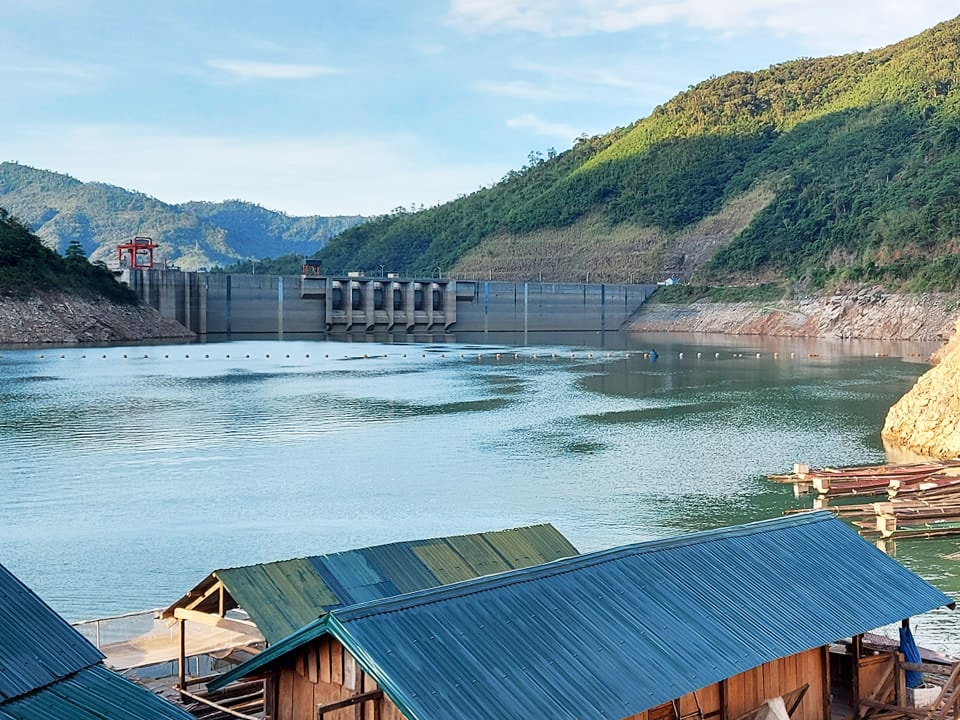 |
| On the morning of June 4, 2020, the water level in the Ban Ve hydroelectric reservoir was measured at 177m, while the normal water level is 200m. Photo: Nhat Lan |
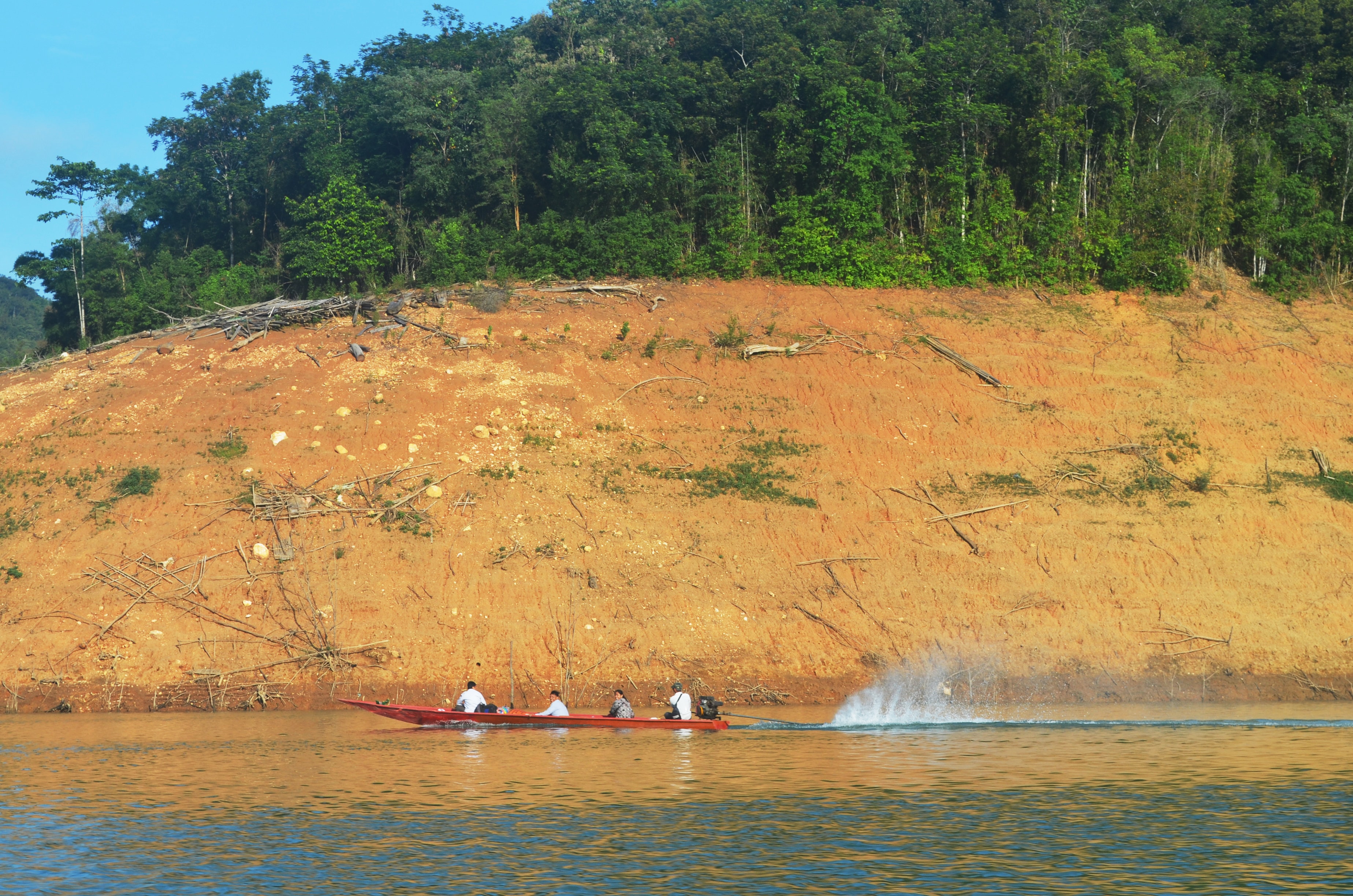 |
| Further upstream along the Nam Non River, the drought conditions are even more evident, with the water level in Ban Ve Lake having dropped by tens of meters. Photo: Nhat Lan |
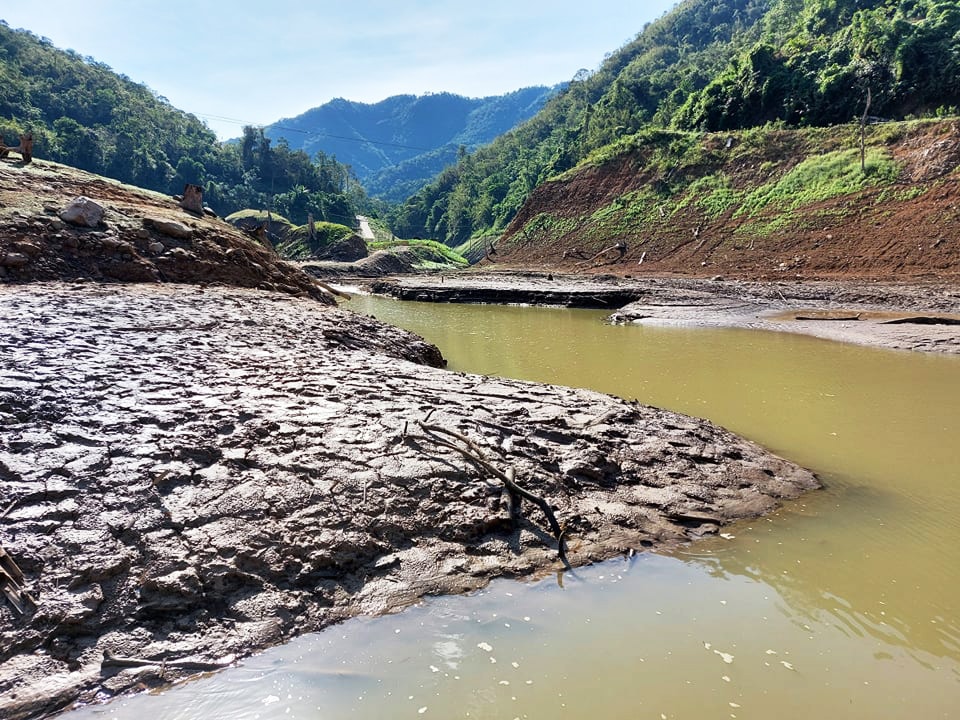 |
| Many large streams that flow into Ban Ve Lake have dried up, leaving only mud and soil exposed. Photo: Nhat Lan |
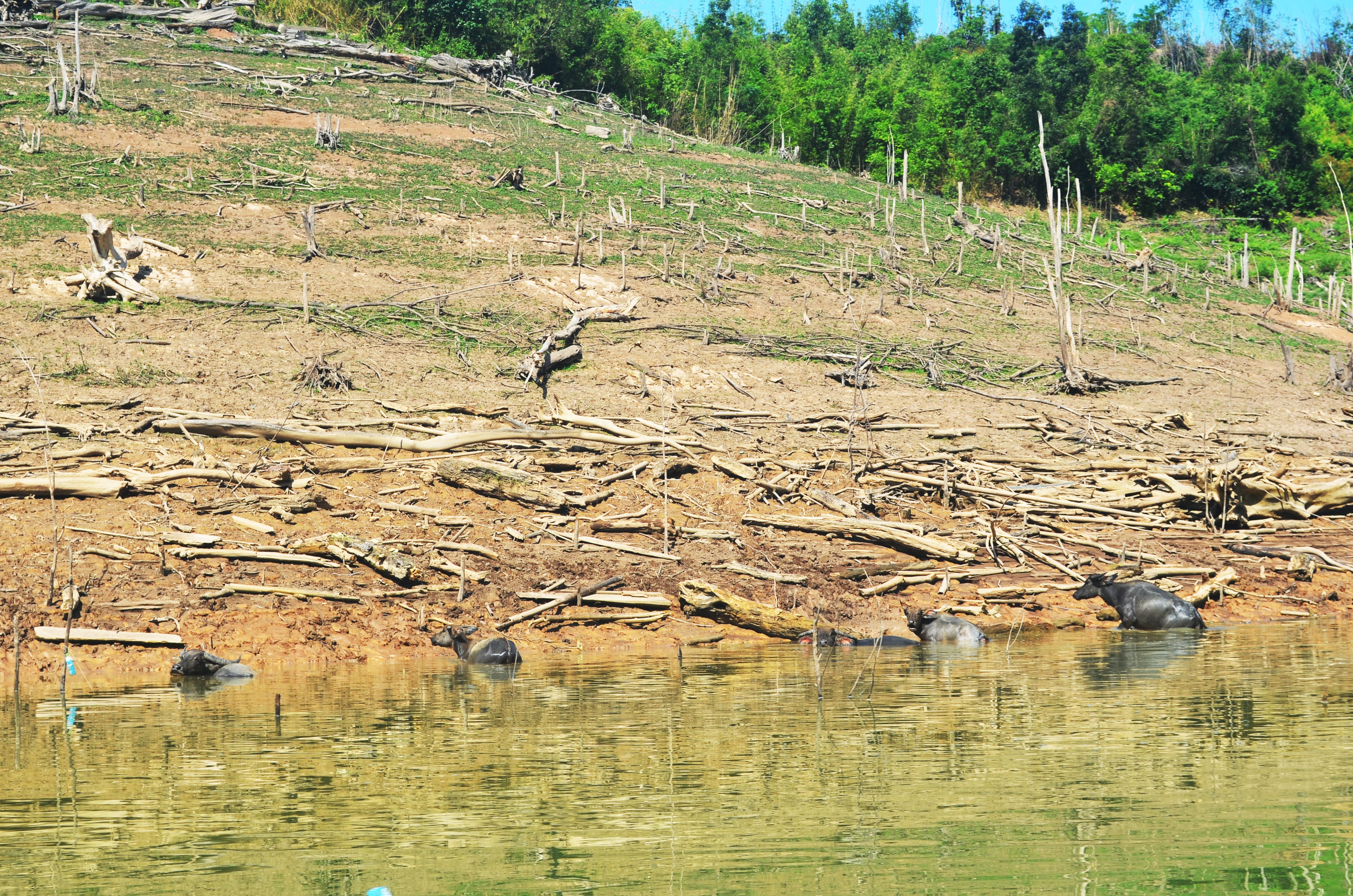 |
| Due to the drought and low water levels, all the waste on the Ban Ve hydroelectric reservoir is currently lying on the shore. Photo: Nhat Lan |
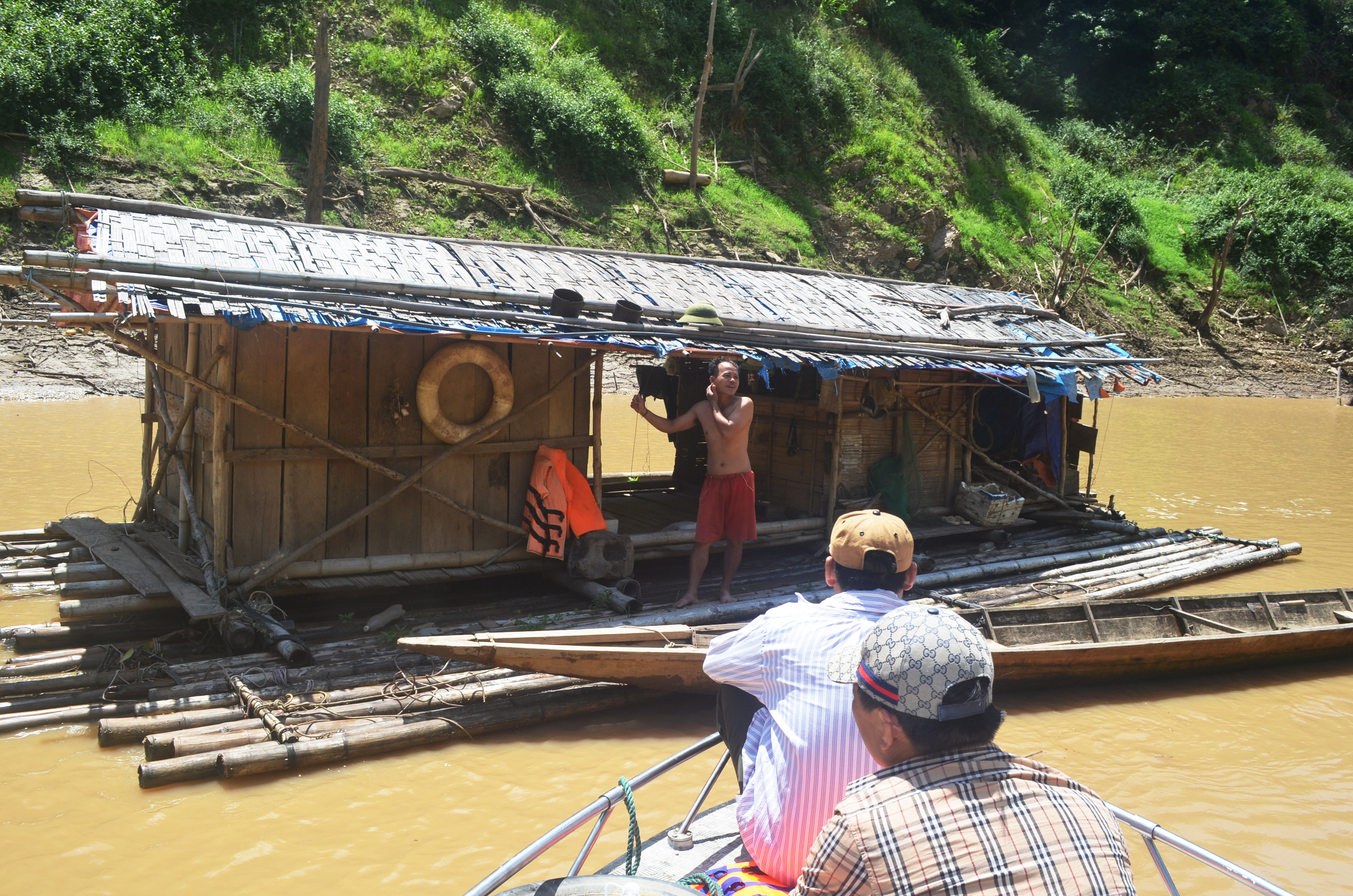 |
| Using large boats or canoes to travel upstream on the Nam Non River, one can only reach the area of Nhon Mai commune (Tuong Duong district) before having to stop due to mud and silt. Mr. Luong Van On, a resident of Hoa Ly village, My Ly commune (Ky Son district), said that the only way to go further is to climb the mountain from the shore or ask locals to take them in dugout canoes. Photo: Nhat Lan |
 |
| Thanks to the drought, the people of Hoa Ly village now have tourists traveling upstream on the Nam Non River. Photo: Nhat Lan. |
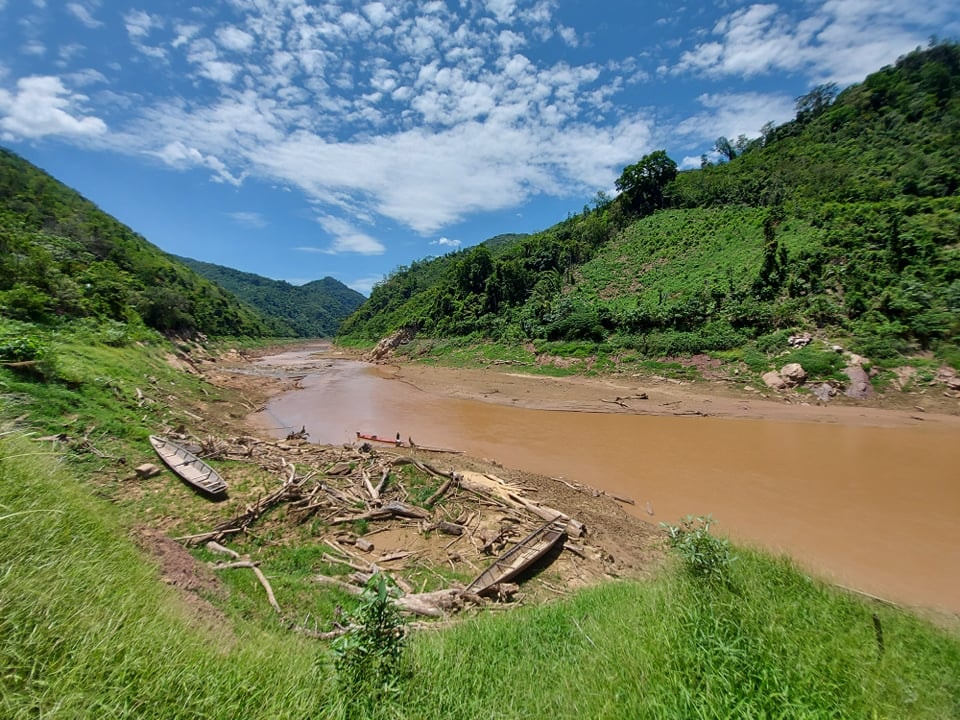 |
| The Nậm Nơn River, the section where it intersects Mai Sơn commune (Tương Dương district) and Mỹ Lý commune (Kỳ Sơn district). Photo: Nhật Lân |
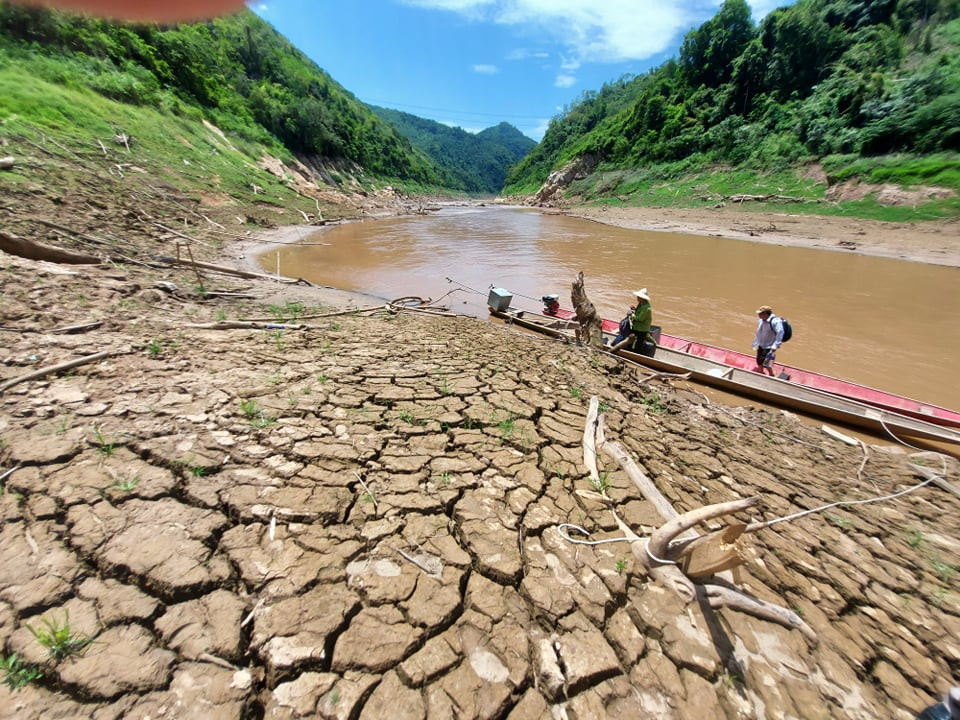 |
| The water level in the Nam Non River has dropped, causing the alluvial soil on both sides of the river to crack. Photo: Nhat Lan |
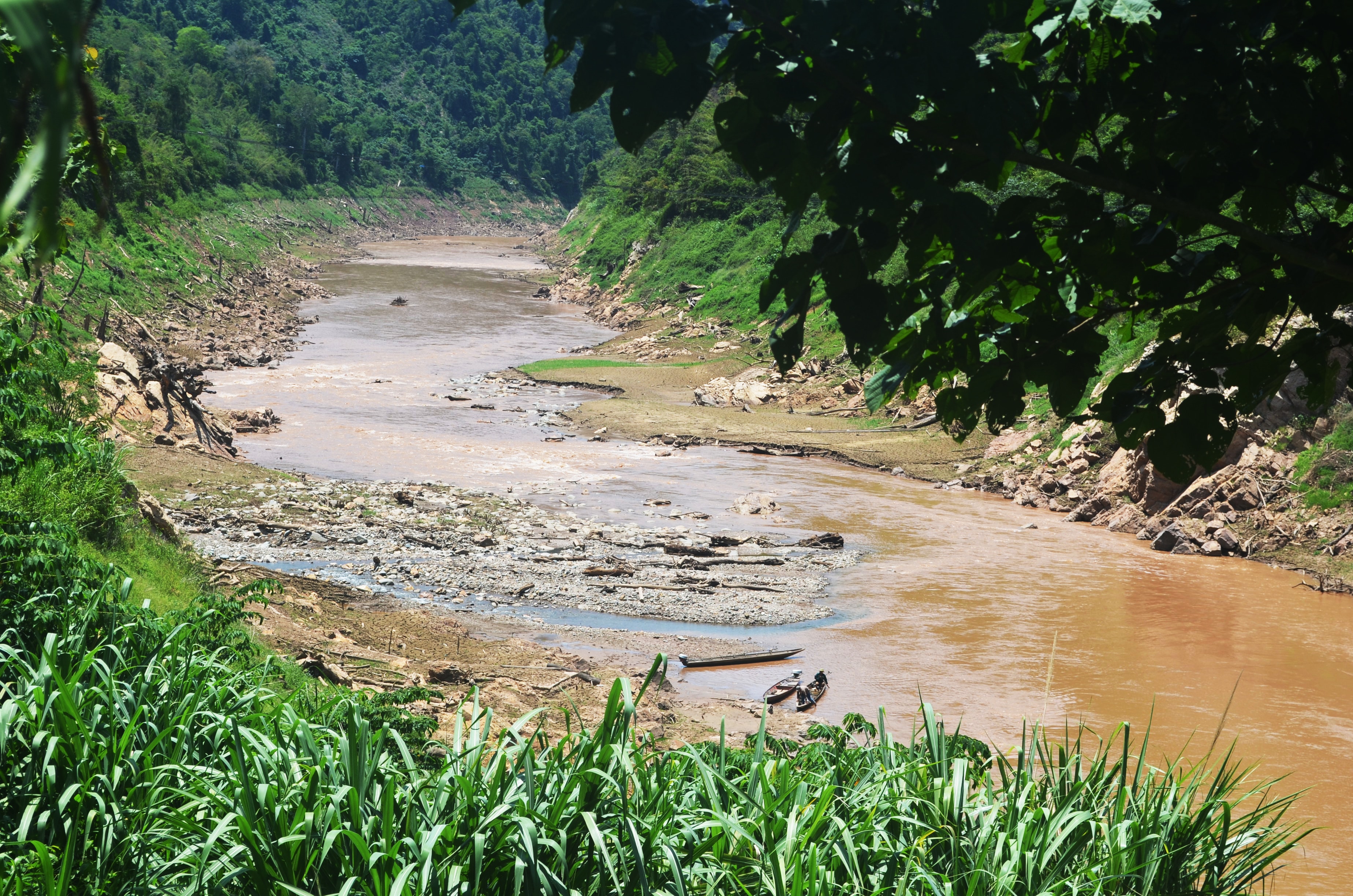 |
| The drought has turned the Nam Non – the main stream of the Lam River – into a dead river. On June 4, 2020, the water level in the Ban Ve hydroelectric reservoir only reached 29 meters.3/s. Photo: Nhat Lan |



